Boiler Water Softener Maintenance 2026: Why Routine Care Matters for Automatic Systems
Automatic boiler water softening equipment is critical for protecting downstream boilers from scale buildup, corrosion, and efficiency loss. However, even the most advanced water softening system will underperform — or fail entirely — without consistent and proper boiler water softener maintenance. This guide explains why routine care matters, what happens when maintenance is neglected, and how to implement an effective maintenance strategy for automatic boiler softening systems.
1. Scale Formation and Its Impact on Boiler Performance Without Maintenance
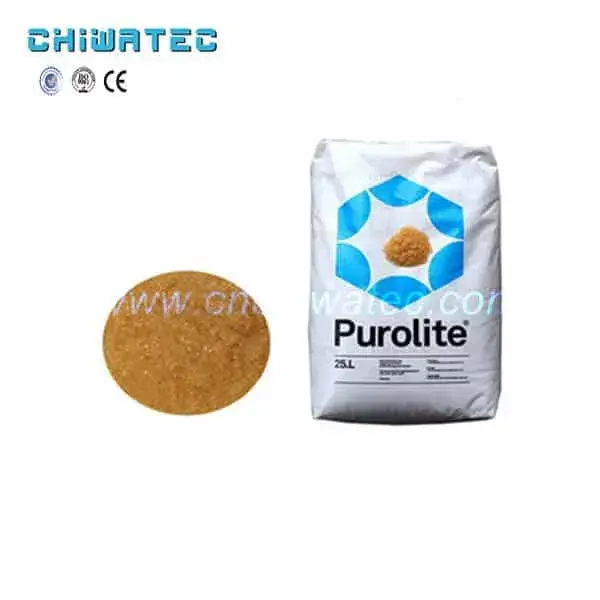
Industrial and commercial boilers operate under demanding conditions. Feedwater must meet strict quality standards to prevent scaling on heat exchange surfaces. The automatic boiler water softening equipment removes hardness ions (Ca²⁺ and Mg²⁺) through ion exchange, but this process depends on mechanical and chemical components functioning correctly. Without regular boiler water softener maintenance, resin beds become fouled, control valves jam, and brine systems malfunction. A well-maintained system consistently delivers softened water with hardness below 2 ppm, protecting boiler tubes from insulating scale deposits that reduce heat transfer efficiency by up to 30%.
2. When Boiler Water Softener Malfunctions: Key Consequences
When a boiler water softener system malfunctions due to poor maintenance, untreated hardness ions enter the boiler and form calcium carbonate scale. This scale acts as an insulator — just 1 mm of scale increases fuel consumption by approximately 8-10%. In severe cases, scale buildup causes localized overheating, tube rupture, and catastrophic boiler failure. Regular boiler water softener maintenance includes monitoring effluent hardness, checking brine tank salt levels, and inspecting the resin bed for fouling. These checks prevent scale formation before it compromises boiler operation.
3. Key Components Requiring Routine Inspection
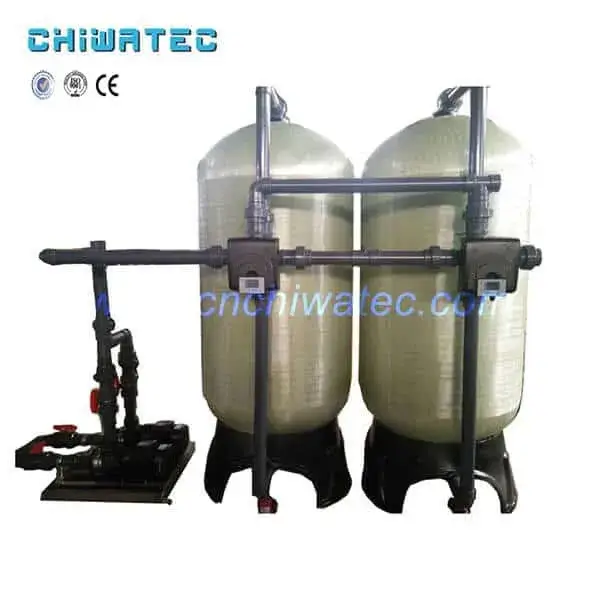
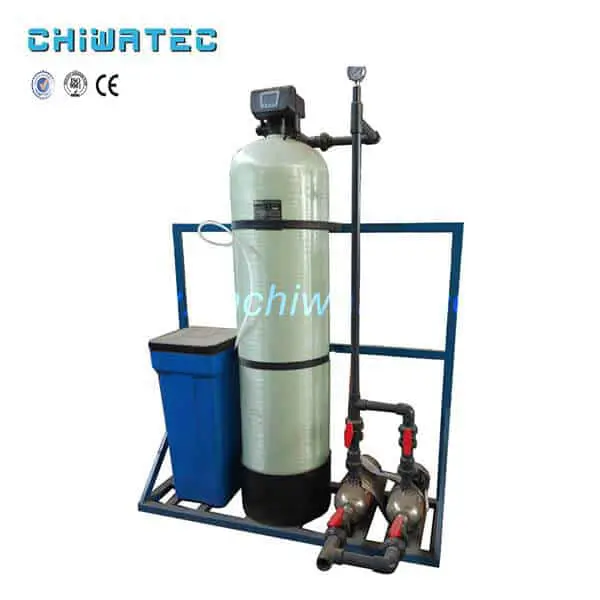
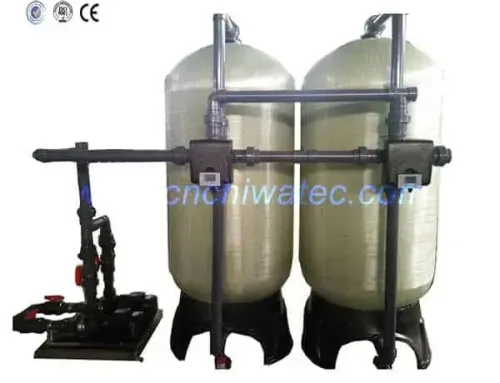
An automatic boiler water softening system comprises several critical components that each require specific maintenance attention:
| Component | Maintenance Frequency | Common Failure Mode |
|---|---|---|
| Ion exchange resin | Quarterly inspection | Fouling, iron poisoning, loss of capacity |
| Control valve / timer | Monthly check | Stuck pistons, worn seals, electrical failure |
| Brine system | Weekly inspection | Salt bridging, brine line clogging |
| Bypass valve | Quarterly test | Leakage causing hard water bypass |
| Injector / venturi | Semi-annual cleaning | Clogging from debris or salt impurities |
Proper maintenance of the water softener on a weekly, monthly, and yearly basis prevents unexpected downtime and expensive repairs.
4. Brine System Maintenance and Salt Management
The brine system is the heart of resin regeneration. Salt bridging — where salt forms a hard crust above a hollow void — prevents saturated brine from reaching the resin, resulting in incomplete regeneration. Maintaining proper salt levels (at least half-full in the brine tank) and breaking up salt bridges weekly are essential boiler water softener maintenance tasks. Use only high-purity evaporated salt or solar salt with less than 0.01% insoluble content to minimize brine system contamination. The role of specialized salt in water softening equipment directly affects regeneration efficiency and final water quality.
5. Cost Implications of Neglected Boiler Water Softener Maintenance
The financial impact of poor boiler water softener maintenance extends far beyond repair costs. Key cost factors include:
- Energy waste: Each millimeter of scale increases fuel costs by 8-10% — a 500 HP boiler can waste over $15,000 annually in excess fuel.
- Premature equipment replacement: Resin replacement costs $200-$600 per cubic foot; a neglected 10 ft³ system costs $2,000-$6,000 every 2-3 years instead of 5-7 years.
- Downtime and production loss: Emergency boiler shutdown due to scaling can cost $5,000-$50,000 per day in lost production.
- Chemical treatment overuse: Increased scale requires more boiler chemical treatment, adding $500-$2,000 per month in treatment chemicals.
Investing in consistent softened water treatment equipment maintenance yields 5-10× return through energy savings alone.
6. Recommended Boiler Water Softener Maintenance Schedule
| Frequency | Maintenance Tasks |
|---|---|
| Daily | Check effluent hardness (< 2 ppm), verify regeneration cycle completes, inspect for leaks |
| Weekly | Break up salt bridges, maintain brine tank level at 50-75%, clean brine tank overflow screen |
| Monthly | Inspect control valve operation, check timer settings, test bypass valve for leakage |
| Quarterly | Resin bed inspection for fouling/iron, clean injector and venturi, check brine draw rate |
| Annually | Replace resin if capacity drops below 80%, rebuild control valve, full system performance test |
For detailed scheduling, refer to our guide on automatic water softener advantages and operational requirements.
7. Frequently Asked Questions
Q1: How often should boiler water softener maintenance be performed?
Boiler water softener maintenance should combine daily effluent hardness checks, weekly brine system inspections, monthly valve checks, quarterly resin inspections, and an annual comprehensive system evaluation. This multi-frequency approach prevents small issues from escalating into costly failures.
Q2: What happens if boiler water softener maintenance is skipped?
Skipping maintenance leads to resin fouling, scale accumulation in the boiler (reducing efficiency by 8-10% per mm of scale), valve failure, and brine system clogging. In industrial settings, this can result in emergency shutdowns costing $5,000-$50,000 per day and premature equipment replacement.
Q3: What is the most critical daily maintenance task for a boiler water softener?
The most critical task is verifying effluent water hardness — it must remain below 2 ppm (mg/L as CaCO₃). A sudden hardness breakthrough indicates resin exhaustion, regeneration failure, or bypass valve leakage and requires immediate investigation and correction.
Q4: How do I know if my boiler water softener resin needs replacement?
Indicators include: effluent hardness consistently above 2 ppm despite correct regeneration, increased salt consumption without proportional hardness removal, visible iron fouling (reddish-brown resin), and a drop in exchange capacity below 80% of the original rating. For boiler applications, resin typically requires replacement every 3-5 years under proper maintenance conditions.
Q5: Can I perform boiler water softener maintenance myself?
Daily and weekly tasks (hardness testing, salt level checks, salt bridge inspection) can be performed by onsite operators with basic training. Monthly and quarterly tasks (valve inspection, resin bed checks, injector cleaning) require mechanical aptitude but can be done by trained facility staff. Annual rebuilds and resin replacement should be performed by qualified service technicians from a professional boiler water softener system provider.
8. Conclusion: Invest in Routine Care for Long-Term Reliability
Consistent boiler water softener maintenance is not optional — it is the foundation of reliable boiler operation, energy efficiency, and long-term cost control. A proactive maintenance program prevents scale formation, extends equipment lifespan by 3-5 years, and reduces operational costs by up to 30%. Whether you operate a small packaged boiler or a large industrial steam plant, implementing a structured maintenance schedule for your automatic water softening equipment is one of the highest-ROI investments you can make.
Need expert guidance on boiler water softener maintenance or equipment selection? Contact CHIWATEC today:
📧 [email protected] or [email protected]
Our technical team provides customized maintenance plans, spare parts support, and full system optimization for automatic boiler water softening equipment across industrial, commercial, and utility applications.
9. Related Resources and Further Reading
- Why Do Daily Maintenance of Automatic Boiler Softened Water Equipment — Understanding daily maintenance requirements for boiler softening systems
- The Maintenance of the Water Softener: Weekly, Monthly, and Yearly Basis — Comprehensive water softener maintenance schedule
- Water Softening Equipment Working Process: Step-by-Step Ion Exchange — How automatic water softening equipment operates
- Boiler Water Softening Equipment Process: Complete Guide — The complete boiler water softening process explained
🔧 View Our Boiler Water Softening Systems — Automatic softeners for industrial and commercial boiler applications
Do you have a water treatment project we can help with
* Designing,machining,installing,commissioning, customize and one-stop service

 English
  Spanish
  Portuguese