

Automatic Boiler Softened Water Equipment Daily Maintenance: Complete Guide 2026
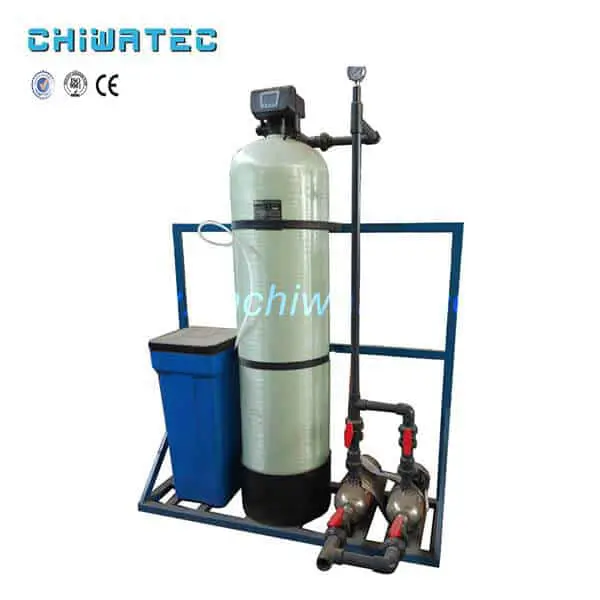
Automatic boiler softening water systems deliver reliable, high-quality softened water for industrial boilers — but only when properly maintained. Without consistent daily care, performance degrades over time, leading to scale buildup, higher energy costs, and unexpected breakdowns. Effective automatic boiler softened water equipment daily maintenance prevents these problems and extends equipment life. CHIWATEC recommends this maintenance guide for all operators of automatic boiler water softening systems. Follow these daily procedures to keep your equipment running at peak performance.
Why Daily Maintenance Matters for Automatic Boiler Softeners
Automatic boiler softening water equipment initially delivers excellent performance — reducing hardness, protecting boiler tubes from scale, and maintaining thermal efficiency. However, after periods of continuous operation, several factors cause performance to decline:
- Resin exhaustion — Ion exchange resin gradually loses capacity if regeneration is not properly managed
- Resin fouling — Iron, manganese, or organic compounds can coat resin beads, reducing exchange efficiency
- Valve wear — Automatic control valves may develop leaks or fail to cycle properly
- Salt bridging — Salt in the brine tank can harden into a solid bridge, preventing proper regeneration
- Electrical issues — Voltage fluctuations or controller malfunctions disrupt automatic operation
Daily inspection and maintenance catch these problems early, before they cause major failures or expensive repairs.
Key Tasks for Automatic Boiler Softened Water Equipment Daily Maintenance
Effective automatic boiler softened water equipment daily maintenance focuses on several critical inspection and monitoring tasks that should be performed every operating day:
| Task | What to Check | Action Required |
| Check brine tank salt level | Salt should be above water level, no bridging | Add salt if low; break up any salt bridges |
| Inspect control valve operation | Verify valve cycles through backwash, brine, rinse, and service positions | Cycle manually if automatic sequence fails |
| Monitor outlet water hardness | Test softened water hardness with test kit | If hardness > 1 gpg, initiate manual regeneration |
| Check electrical supply | Input voltage and current should be stable | Contact electrician if voltage fluctuates |
| Inspect for leaks | Check all pipe connections, valve seals, and tank fittings | Tighten or replace seals as needed |
| Observe regeneration cycle | Watch one full regeneration cycle weekly | Document any unusual sounds or delays |
| Record system pressure | Inlet and outlet pressure readings | Notify technician if pressure drops significantly |
Voltage and Electrical Stability
The electronic control system is the brain of automatic boiler softened water equipment. Voltage fluctuations can cause controller malfunctions, incorrect regeneration timing, or complete system shutdown. To protect the electronic control device:
- Ensure input voltage stays within ±10% of the rated specification
- Use a voltage stabilizer if the local power supply is unreliable
- Check control board connections monthly for corrosion or looseness
- Keep the control panel area dry and free from moisture
- Install surge protection to prevent damage from electrical spikes
Stable electrical supply is one of the simplest yet most important factors in long-term reliability.
Resin Care and Longevity
The ion exchange resin is the active heart of the softening system. Proper care ensures it maintains exchange capacity for 5–10 years:
- Prevent fouling — Install proper pretreatment (sediment filter, carbon filter) if raw water contains iron, chlorine, or organic matter
- Clean resin periodically — Use resin cleaner (sodium bisulfite or specialized resin cleaner) every 6–12 months to remove accumulated iron and organic fouling
- Avoid chlorine damage — Chlorine in municipal water supplies oxidizes and degrades cation resin. Install activated carbon dechlorination if chlorine > 0.5 mg/L
- Check resin level — The resin bed should be at the correct height. If resin loss is observed, check the underdrain system for damage
- Monitor brine quality — Use clean, high-purity salt (99.5%+ NaCl) to prevent contaminants from fouling the resin
Regeneration System Checks
The regeneration cycle is critical for restoring resin capacity. Problems in the regeneration system directly affect softened water quality:
- Salt bridge detection — If the brine tank appears full but the system shows low salt consumption, a salt bridge may have formed. Gently break the hardened crust with a long handle tool
- Brine draw inspection — During the brine draw cycle, check that the correct amount of brine is being drawn into the resin tank. Insufficient brine leads to incomplete regeneration
- Rinse time verification — Ensure the slow and fast rinse cycles are long enough to flush out hardness and excess brine
Seasonal and Long-Term Maintenance
| Frequency | Maintenance Task |
| Daily | Check salt level, inspect for leaks, monitor outlet hardness, verify control valve operation |
| Weekly | Observe one full regeneration cycle, clean brine tank screen, check electrical connections |
| Monthly | Test water hardness profile, inspect resin level, clean control valve inlet screen |
| Quarterly | Clean brine tank, check injector and venturi, test backup battery on controller |
| Annually | Replace O-rings and seals, service control valve, perform resin analysis, replace resin if capacity has dropped below 60% |
Frequently Asked Questions
Why does automatic boiler softening equipment performance decline over time?
Performance declines due to resin fouling, salt bridging in the brine tank, valve wear, electrical issues, or inadequate regeneration settings. Regular daily inspection catches these problems early before they cause significant performance loss.
How often should I check the salt level in the brine tank?
The salt level should be checked daily. The brine tank should be kept at least half full of salt at all times, and the salt should remain above the water level. If a hard crust forms on top (salt bridge), gently break it up to restore proper brine production.
Can voltage fluctuations damage the control system?
Yes. Fluctuating voltage can cause controller malfunctions, incorrect regeneration timing, or permanent damage to electronic components. If your facility experiences unstable power, install a voltage stabilizer or surge protector for the softening equipment control panel.
How long does ion exchange resin last in boiler softening equipment?
With proper care — including appropriate pretreatment, clean salt, and regular cleaning — ion exchange resin typically lasts 5–10 years. Annual resin analysis can determine if replacement is needed when exchange capacity drops below 60% of original.
What should I do if the softened water hardness test shows high readings?
First, initiate a manual regeneration cycle. If hardness remains high afterward, check for salt bridging in the brine tank, verify brine draw during regeneration, inspect the control valve for proper cycling, and check for resin fouling or depletion. If these checks don’t resolve the issue, consult your equipment supplier.
Conclusion and Call to Action
Consistent automatic boiler softened water equipment daily maintenance is the key to reliable operation, long equipment life, and consistently high-quality softened water for boiler feed. By following a structured daily inspection routine — checking salt levels, monitoring outlet hardness, verifying control valve operation, and maintaining stable electrical supply — operators can prevent most common failures and keep their systems running at peak efficiency for years.
For professional maintenance support, spare parts, or system upgrades for your automatic boiler water softening equipment, contact CHIWATEC: email [email protected] or [email protected]. Our service team provides on-site inspection, repair, and preventive maintenance programs tailored to your facility.
Related Resources and Further Reading
Do you have a water treatment project we can help with
* Designing,machining,installing,commissioning, customize and one-stop service






 English
  Spanish
  Portuguese




