Technical Principle and Development Process of Water Purifiers: From Ultrafiltration to Advanced Membrane Filtration
Discover the technical principles and development process of modern water purifiers, from the origins of ultrafiltration membrane technology to the evolution of advanced purification systems used in households and industries today. Learn how water purifiers work, their key classifications, and how to choose the right purification technology for safe, clean drinking water.
1. Introduction: Understanding the Development Process of Water Purifiers
With the rapid advancement of science and technology and the increasing severity of global water pollution, water purifiers have become indispensable for ensuring clean and safe drinking water. A water purifier is a device that removes harmful impurities, bacteria, heavy metals, and other contaminants from tap water, transforming it into safe and potable water.
As people’s living standards rise and awareness of health increases, the development process of water purifiers has evolved from basic activated carbon filters to high-efficiency membrane filtration technologies such as ultrafiltration (UF), nanofiltration (NF), and reverse osmosis (RO). Today’s purifiers integrate smart control systems, energy-saving designs, and environmental protection concepts to meet the diverse needs of both households and industries.
2. Technical Principle of Water Purifiers
The technical principle of a water purifier relies primarily on physical separation through high-precision membranes. Unlike traditional filtration, which only removes visible sediments, modern membrane technology uses micro-scale pores to block contaminants while retaining beneficial minerals.
The ultrafiltration membrane operates on the principle of membrane separation: under pressure, only water molecules and trace elements can pass through 0.01-micron pores, while bacteria, rust, suspended solids, and macromolecular organic matter are trapped and discharged during the cleaning cycle.
This purely physical filtration method achieves deep purification without the use of chemicals, ensuring both safety and environmental sustainability.
3. Ultrafiltration Membrane Technology Overview
Ultrafiltration (UF) membrane technology is one of the core purification methods used in modern water treatment systems. It operates at normal temperature and low pressure, achieving high efficiency with low energy consumption.
Advantages of Ultrafiltration Technology:
- High-precision filtration accuracy of 0.01 micron
- No chemical additives — purely physical filtration
- Low energy consumption and no phase change during operation
- Extended membrane life due to reversible cleaning and backflushing
- Broad applications in drinking water, beverages, pharmaceuticals, food, and biotechnology
With the continuous improvement of membrane manufacturing processes, UF technology has become more stable, affordable, and environmentally friendly, representing one of the most promising directions in the development process of water purifiers.
4. Ultrafiltration Membrane Working Mechanism
When tap water flows into the ultrafiltration membrane tube, it passes through billions of micropores. Only water molecules, minerals, and trace elements can penetrate the membrane, while bacteria, colloids, and heavy metals are retained and periodically discharged.
Filtration Process:
- Water Production: Tap water enters the UF membrane; purified water passes through the micropores.
- Membrane Cleaning: After a period of use, pollutants adhering to the membrane are flushed out to maintain performance.
- Filter Structure: The membrane fibers are sealed within an ABS shell using epoxy resin, ensuring separation of raw and purified water.
The filtration surface area determines total water output, calculated using the formula:
S = πDL × N,
where D = membrane diameter, L = fiber length, N = number of fibers.
5. Internal and External Pressure Types
According to water inlet direction, ultrafiltration membranes can be classified into:
- Internal Pressure Type: Raw water flows through the hollow fiber from inside to outside.
- External Pressure Type: Raw water flows from outside to inside of the hollow fiber.
Both structures achieve high filtration precision and can be selected based on application and installation requirements.
6. Ultrafiltration Membrane Materials and Characteristics
Modern ultrafiltration membranes are made from advanced polymer materials such as:
- Polyacrylonitrile (PAN): Excellent acid and alkali resistance, strong hydrophilicity, high filtration flux.
- Polyvinylidene Fluoride (PVDF): Outstanding chemical and UV resistance, durable up to 140°C, suitable for harsh environments.
- Polyethersulfone (PES): High thermal stability and mechanical strength.
These materials ensure long membrane life, strong anti-fouling ability, and consistent water quality output.
7. Factors Affecting Water Production
The water production rate of a purifier is influenced by several parameters:
- Temperature: Higher temperatures increase molecular activity, enhancing flux.
- Pressure: Moderate pressure improves filtration, but excessive pressure can compress the membrane.
- Turbidity: Higher turbidity leads to clogging and reduced output.
- Flow Rate: Too slow causes fouling; too fast reduces contact time.
Proper maintenance and regular cleaning can effectively stabilize performance and extend service life.
8. Classification of Water Purifiers by Technology
Based on purification technology, modern water purifiers can be categorized into:
- Microfiltration Membrane Purifiers – Removes suspended solids and large particles.
- Ultrafiltration (UF) Membrane Purifiers – Filters bacteria, colloids, and organic matter.
- Nanofiltration (NF) Membrane Purifiers – Removes small organic molecules and partial salts.
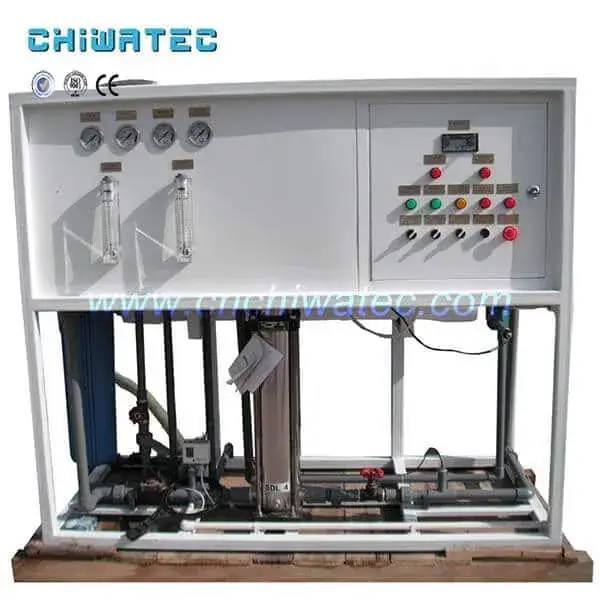
- Reverse Osmosis (RO) Purifiers – Produces pure water by removing all ions and impurities.
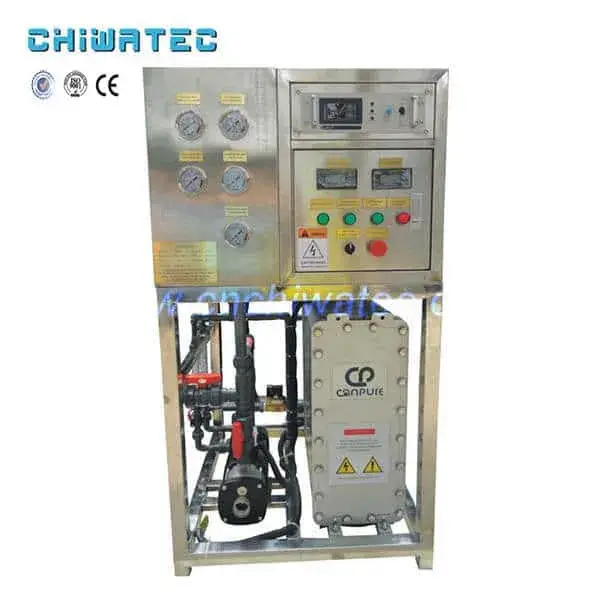
- Electrolysis-Based Purifiers – Adjusts pH levels through electrochemical separation.
Each technology is suited to specific water quality needs and household or industrial applications.
9. Comparison: Water Softener vs. Water Purifier vs. Pure Water Machine
| Type | Function | Features | Drinkable |
|---|---|---|---|
| Water Purifier | Removes bacteria, odor, rust, and heavy metals while retaining minerals | Hydraulic-driven, no power supply needed | Yes |
| Pure Water Machine (RO) | Removes all substances above 0.0001 microns | Requires electricity and pump; delivers bottled-water-level purity | Yes |
| Water Softener | Reduces hardness by removing Ca²⁺ and Mg²⁺ ions | Used for bathing or appliances; not for drinking | No |
Understanding these differences helps consumers select the most suitable water purification system based on water quality and usage.
Conclusion
The development process of water purifiers reflects the continuous pursuit of clean, safe, and sustainable water sources. From early activated carbon filters to advanced ultrafiltration and reverse osmosis systems, each technological leap has improved water quality and environmental compatibility.
As membrane materials and intelligent control systems evolve, future water purifiers will become more energy-efficient, automated, and eco-friendly, ensuring healthy water for every household and industry.
FAQ
1. What is the core technology behind modern water purifiers?
The core technology is membrane filtration, especially ultrafiltration (UF) and reverse osmosis (RO), which use microscopic pores to remove contaminants while retaining beneficial minerals.
2. Which type of water purifier is best for household use?
For most households, ultrafiltration (UF) or RO systems are ideal, depending on the local tap water quality and whether mineral retention is desired.
3. How often should water purifier filters be replaced?
Generally, activated carbon filters should be replaced every 3–6 months, while UF or RO membranes can last 2–3 years with proper maintenance.
4. Is ultrafiltration better than reverse osmosis?
UF retains beneficial minerals but cannot remove dissolved salts; RO provides the highest purity but removes minerals. The best choice depends on your water quality and health needs.
5. What are the future trends in water purifier development?
The future lies in smart purification systems—AI monitoring, real-time water quality tracking, and self-cleaning membranes for longer life and greater efficiency.
Xi’an CHIWATEC Water Treatment Technology is a high-tech enterprise specialized in various water processing devices. Aside from these individual products, which cover a number of types and series, we can also help with related comprehensive engineering projects. Thanks to our hard work and dedication upon our founding, we are now one of the fastest-developing water treatment equipment manufacturers in Western China.
Further reading:
FOLLOW US
Do you have a water treatment project we can help with
* Designing,machining,installing,commissioning, customize and one-stop service
 English
  Spanish
  Portuguese