Water Purifier Working Principle: Complete Guide to Reverse Osmosis Purification Systems 2026
Meta Description: Complete guide to water purifier working principle in 2026. Learn how reverse osmosis (RO) systems filter contaminants, bacteria, and heavy metals to produce safe drinking water for home and office use.
Introduction: Water Purification in 2026
Water purifiers have evolved from luxury appliances to essential household and office equipment in 2026, driven by increasing awareness of water quality issues and health consciousness. With the improvement of living standards, people have put forward higher requirements for drinking water—moving beyond basic safety to demand optimal purity, taste, and mineral balance.
According to 2026 industry data, the global water purifier market reached $58.3 billion, growing at 9.2% CAGR, with particularly strong adoption in:
- Residential applications – Under-sink, countertop, and whole-house systems
- Office and commercial – Point-of-use dispensers and centralized systems
- Industrial settings – Process water and employee drinking water
- Healthcare facilities – Pharmaceutical-grade purification for medical use
This comprehensive guide examines water purifier working principles, with focus on reverse osmosis (RO) membrane technology—the most effective residential and commercial purification method available in 2026.
What is a Water Purifier?
A water purifier is a water treatment device designed to remove contaminants, impurities, and harmful microorganisms from water, producing safe drinking water. Unlike simple water filters that primarily remove sediment and chlorine, purifiers employ multiple treatment stages—including reverse osmosis membranes, activated carbon, and ion exchange resins—to achieve comprehensive purification.
Key Performance Specifications (2026 Standards)
- Contaminant removal: 95-99% of dissolved solids, heavy metals, and chemicals
- Microbial reduction: 99.9%+ of bacteria, viruses, and protozoa
- Membrane pore size: 0.0001 microns (RO membrane)
- TDS reduction: From 500-1500 ppm to 10-50 ppm
- Production capacity: 50-400 gallons per day (residential), 1000+ GPD (commercial)
- Recovery rate: 50-75% (residential RO systems)
Modern water purifiers combine multiple filtration technologies to balance purification effectiveness with mineral retention—addressing the historical limitation where pure water functions filtered out all minerals beneficial to human health.
Water Purifier Working Principle: Reverse Osmosis Technology
1. Multi-Stage Pre-Filtration
Before water reaches the RO membrane, it undergoes preliminary treatment to protect the delicate membrane from damage and fouling:
- 5 micron PP sediment filter – Removes rust, sand, silt, and suspended particles (>5μm)
- Granular activated carbon (GAC) – Adsorbs chlorine, chloramines, organic compounds, and improves taste/odor
- 5 micron carbon block filter – Fine particulate removal and additional chlorine reduction
Proper pretreatment extends RO membrane life from 2-3 years to 5-7 years and maintains optimal system performance.
2. Reverse Osmosis Membrane Filtration
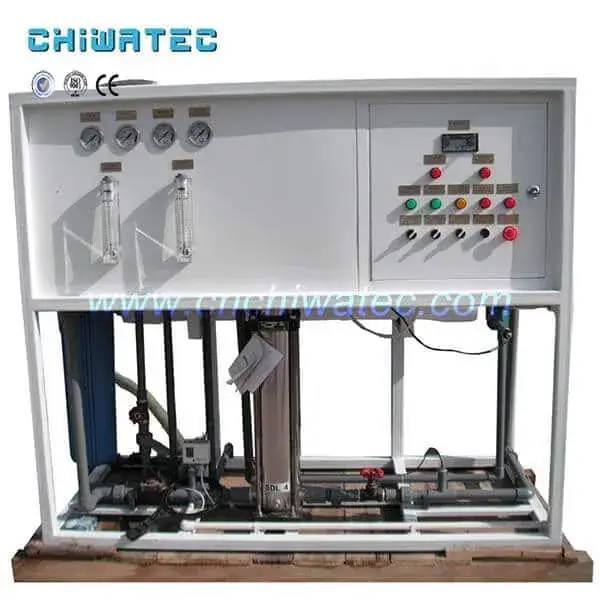
The core purification stage employs reverse osmosis membrane technology, which works on the principle of applying pressure to overcome natural osmotic pressure:
Working Mechanism:
- Water pressure (40-80 psi for residential, 100-150 psi for commercial) forces water molecules through the semi-permeable RO membrane
- Membrane pore size of 0.0001 microns allows only water molecules to pass through
- Dissolved contaminants are rejected and flushed away in the concentrate stream
What RO Removes:
- Inorganic salts: Sodium, calcium, magnesium, potassium (95-99% rejection)
- Heavy metals: Lead, mercury, arsenic, cadmium, chromium (96-99% rejection)
- Organic matter: Pesticides, herbicides, pharmaceutical residues (99%+ rejection)
- Microorganisms: Bacteria (0.4-1 micron), viruses (0.02-0.4 micron) – physically too large to pass through membrane
The result is two separate streams: permeated pure water (product water) and impermeable concentrated water (waste/brine), strictly separated by the RO membrane.
3. Post-Filtration and Polishing
After RO treatment, water passes through final polishing stages:
- Post activated carbon filter – Removes any remaining taste/odor compounds, polishes water quality
- Mineral cartridge (optional) – Adds beneficial minerals (calcium, magnesium, potassium) back into purified water
- UV sterilization (optional) – 254nm UV light provides final disinfection barrier
- Remineralization filter – Adjusts pH and adds essential minerals for healthier drinking water
4. Storage and Distribution
Purified water is stored in a pressurized tank (typically 2-4 gallons for residential systems) and dispensed through a dedicated faucet:
- Automatic shut-off valve – Stops water production when tank is full
- Check valve – Prevents backflow from tank to membrane
- Dedicated faucet – Separate from tap water for purified water dispensing
Mineral Retention and Enhancement Solutions
One historical concern with pure water functions is that they filter out all minerals in water—including beneficial minerals like calcium and magnesium. Modern 2026 systems address this through:
Mineral Addition Technologies
- Medical stone (maifanite) cartridge – Natural mineral stone releases calcium, magnesium, potassium, sodium, and trace elements
- Calcium sulfite balls – Adds calcium and adjusts pH to slightly alkaline (7.5-8.5)
- Alkaline ceramic filters – Raises pH and adds beneficial minerals
- Electrolysis chambers – Splits water into alkaline (drinking) and acidic (cleaning) streams
If you want the water from the pure water machine to contain minerals, adding a medical stone filter is the most cost-effective solution—enriching mineral water with naturally occurring trace elements while maintaining RO-level purification.
Application Scope and Benefits
Drinking and Cooking
- Direct drinking – Fresh, hygienic, and safer than bottled water (no storage contamination risk)
- Boiling – No scale formation in kettles or electric thermos (extends appliance life)
- Cooking – More hygienic and delicious; rice cooks fluffier, soups taste cleaner
- Coffee and tea brewing – Better extraction, no chlorine taste, enhanced flavor profiles
Personal Care
- Bathing and washing – Removes impurities that can irritate skin; moisturizes skin with natural beauty effect
- Facial cleansing – Gentler on sensitive skin, reduces dryness
- Infant formula preparation – Eliminates contaminants that could harm developing immune systems
Household Appliances
- Humidifiers – No white powder residue, extends unit life
- Steam irons – Prevents mineral buildup in steam vents
- Beauty instruments – Facial steamers and spa equipment operate without scaling
- Ice makers – Crystal clear ice cubes without any peculiar smell or cloudiness
- Coffee machines – Espresso machines and drip brewers stay scale-free
Comparison with Bottled Water
| Factor | RO Water Purifier | Bottled Water |
|---|---|---|
| Cost per Liter | ¥0.02-0.05 | ¥0.50-2.00 |
| Freshness | On-demand production | Days/weeks in storage |
| Environmental Impact | Low (no plastic waste) | High (plastic bottles) |
| Convenience | Unlimited supply at home | Requires purchasing/carrying |
| Quality Control | User maintains filters | Depends on brand |
2026 Technology Advancements
Smart Features and IoT Integration
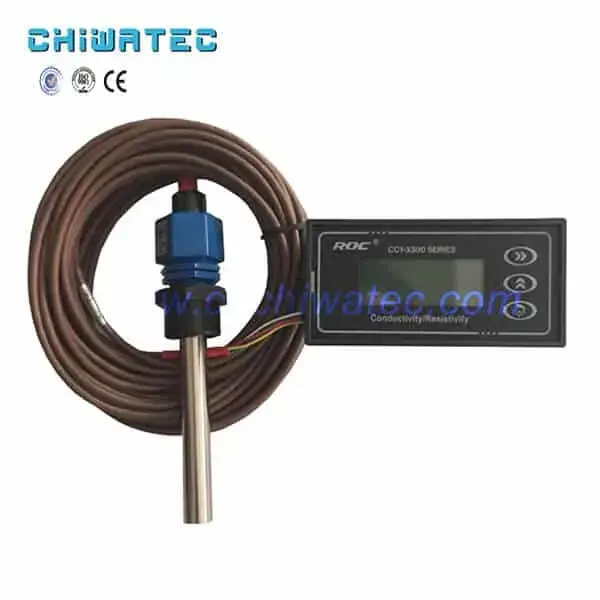
- TDS monitoring – Real-time display of total dissolved solids in feed water and product water
- Filter life indicators – Smart alerts based on actual usage and water quality (not just time-based)
- Mobile app connectivity – Remote monitoring, filter ordering, and usage statistics
- Voice assistant integration – Compatibility with Alexa, Google Assistant for status queries
- Leak detection – Automatic shut-off and smartphone alerts if leaks are detected
Enhanced Efficiency
- Low-waste RO membranes – 3:1 or 2:1 pure-to-waste ratio (vs. traditional 1:3)
- Permeate pump technology – Uses hydraulic pressure instead of electricity, improving efficiency 40-60%
- Variable speed pumps – Adjusts pressure based on feedwater TDS and temperature
- Energy recovery – Captures pressure from waste stream to assist feed pressure
Advanced Filtration Media
- Graphene oxide membranes – Higher flux rates with same rejection (emerging 2026 technology)
- Nanofiber pre-filters – Extended service life and better particulate removal
- Catalytic carbon – Enhanced chloramine and VOC removal vs. standard GAC
- Antimicrobial filter housings – Silver-impregnated components prevent bacterial growth
Installation and Maintenance
Installation Requirements
- Water pressure: 40-80 psi (booster pump required for low-pressure applications)
- Drain access: For concentrate discharge (air gap or direct connection)
- Electrical outlet: For systems with pumps, UV, or smart features (110-240V)
- Space: Under-sink cabinet (typical footprint: 40cm × 20cm × 40cm)
Maintenance Schedule
| Component | Replacement Interval | Estimated Cost |
|---|---|---|
| PP Sediment Filter | 6-12 months | ¥50-100 |
| GAC Carbon Filter | 12 months | ¥80-150 |
| RO Membrane | 2-5 years | ¥300-800 |
| Post Carbon Filter | 12 months | ¥60-120 |
| Mineral Cartridge | 12-24 months | ¥100-200 |
Common Concerns and Misconceptions
“Pure Water Lacks Essential Minerals”
While RO purification removes minerals from water, the primary source of dietary minerals is food, not water. A balanced diet provides 95%+ of daily mineral requirements. However, for those concerned, remineralization filters can add calcium, magnesium, and other beneficial elements back into purified water.
“RO Wastes Too Much Water”
Traditional RO systems had 1:3 pure-to-waste ratios. Modern 2026 systems achieve 2:1 to 3:1 ratios through permeate pumps and efficient membranes. For a family of 4 producing 10 liters/day of purified water, waste is 3-5 liters—comparable to one toilet flush.
“RO Removes Fluoride”
Yes, RO membranes remove 90-95% of fluoride. This is beneficial in areas with naturally high fluoride levels (>2 ppm) but may be a concern where fluoride is added for dental health. Users can choose to blend a small percentage of untreated water or use fluoride-containing toothpaste as alternative.
Conclusion
Water purifiers, particularly those employing reverse osmosis technology, have become essential appliances in 2026, providing safe, fresh, and great-tasting drinking water for homes and offices worldwide. By understanding the working principle—applying pressure to force water through a 0.0001-micron membrane that blocks contaminants while allowing water molecules to pass—consumers can make informed decisions about their water treatment needs.
Key considerations for water purifier selection include:
- Water quality testing – Identify specific contaminants in your source water
- Daily consumption needs – Size system appropriately (50 GPD for 1-2 people, 100+ GPD for families)
- Installation space – Under-sink, countertop, or whole-house configuration
- Budget – Consider both initial cost and ongoing filter replacement expenses
- Mineral preferences – Decide if remineralization is desired
Compared with bottled water, the pure water produced by purifiers is fresher, more hygienic, safer, and significantly more cost-effective (¥0.02-0.05 per liter vs. ¥0.50-2.00 for bottled). With proper maintenance—replacing pre-filters every 6-12 months and RO membrane every 2-5 years—a quality water purifier provides 10-15 years of reliable service, delivering millions of liters of safe drinking water while eliminating plastic bottle waste.
FAQ: Water Purifiers
1. How often should I replace RO membrane?
RO membranes typically last 2-5 years depending on feedwater quality, daily production volume, and pretreatment effectiveness. Replace when TDS rejection drops below 90% (measure with TDS meter), production rate declines significantly, or as indicated by smart monitoring systems. Regular pre-filter replacement extends membrane life.
2. Does RO water taste flat or bland?
Some users perceive RO water as “flat” due to low mineral content. This is easily addressed by adding a remineralization filter or medical stone cartridge that adds calcium, magnesium, and trace elements—improving taste and pH while maintaining purification. Many users prefer the clean, neutral taste of pure RO water for coffee and tea brewing.
3. Can I install a water purifier myself?
Basic under-sink RO systems can be DIY-installed in 2-4 hours with standard plumbing tools. However, professional installation is recommended for: whole-house systems, low-pressure applications requiring booster pumps, and situations requiring electrical work for UV or smart features. Most manufacturers offer installation services or certified installer networks.
4. What is the difference between water filter and water purifier?
Water filters primarily remove sediment, chlorine, and some chemicals using activated carbon (0.5-5 micron filtration). Water purifiers employ multiple technologies including RO membranes (0.0001 micron) to remove dissolved solids, heavy metals, bacteria, and viruses—achieving comprehensive purification suitable for drinking.
5. How much wastewater does RO produce?
Modern RO systems achieve 2:1 to 3:1 pure-to-waste ratios. For every 10 liters of purified water produced, 3-5 liters of concentrate is discharged. This wastewater can be collected for non-potable uses like cleaning, watering plants (if TDS is acceptable), or toilet flushing. Permeate pump systems can reduce waste to 1:1 ratio.
6. Can RO remove bacteria and viruses?
Yes. RO membrane pore size (0.0001 microns) is far smaller than bacteria (0.4-1 micron) and viruses (0.02-0.4 micron), providing 99.9%+ physical removal. Unlike chemical disinfection (chlorine, UV), RO doesn’t kill microorganisms—it physically separates them from water, making it highly effective against all pathogens including Cryptosporidium and Giardia.
7. Is alkaline water better than RO water?
“Alkaline water” (pH 8-9.5) is marketing terminology. RO water typically has pH 6-7 (slightly acidic due to dissolved CO₂). Health benefits of alkaline water are not conclusively proven. The human body tightly regulates blood pH regardless of water pH. Focus on contaminant removal rather than pH—add minerals back if taste preference dictates.
Further Reading
- Comprehensive Design Process for Reverse Osmosis Desalination in Ultrapure Water Systems – Industrial RO system design principles and configurations
- Optimizing Water Flux and High-Pressure Pump Selection in Ultrapure Water System Design – Technical guide to RO pump sizing and efficiency optimization
- Key Features and Advantages of the Central Ultra-Pure Water Supply System for Laboratories – Commercial and laboratory water purification applications
Do you have a water treatment project we can help with
* Designing,machining,installing,commissioning, customize and one-stop service
 English
  Spanish
  Portuguese