2026 Water Purifier Selection Guide: How to Choose the Right System for Your Water Quality
Overwhelmed by the dozens of water purifier options on the market? With the global water purifier market projected to reach USD 72 billion by 2030 and technologies ranging from simple activated carbon to advanced reverse osmosis, selecting the wrong system can mean wasted money and untreated contaminants. Here is the direct answer: this water purifier selection guide walks you through a systematic 3-step process — assess local water quality, match technology to specific contaminants, and verify water pressure and consumption requirements — to identify whether you need an activated carbon filter, ultrafiltration (UF) system, reverse osmosis (RO) purifier, or ion exchange softener for your specific situation. CHIWATEC offers a comprehensive range of residential and commercial water purification systems, providing expert guidance to help customers select the optimal solution for their water quality.
Understanding Water Purifier Generations
Before diving into selection criteria, it helps to understand the three generations of water purification technology that define today market:
- First generation — Activated carbon and ceramic filters (1960s-1990s): Simple filtration using coconut shell activated carbon or ceramic elements. These systems effectively adsorb chlorine, organic compounds, taste, and odor through the abundant pore structure (800-1,200 m²/g surface area) of activated carbon. However, they have fundamental limitations: activated carbon is fragile with low mechanical strength (can shed carbon fines), ineffective against inorganic contaminants (heavy metals, nitrates, fluoride), and susceptible to bacterial growth in saturated media leading to secondary pollution. First-generation systems are suitable only for water with minimal contamination beyond chlorine and taste issues.
- Second generation — Membrane-based purifiers (1990s-2020s): Using reverse osmosis (RO), ultrafiltration (UF), and nanofiltration (NF) membrane technology. These systems achieve 90-99.8% contaminant rejection through physical separation at the molecular level. RO membranes with 0.0001-micron pores remove bacteria, viruses, heavy metals, pesticides, and dissolved salts. UF membranes (0.01-0.1 micron) remove bacteria and viruses but not dissolved solids. This generation dominates the current market, with RO accounting for over 60% of residential point-of-use system sales globally.
- Third generation — Nanocrystal and advanced technology (emerging): Using nano-crystal technology, electro-adsorption, and advanced oxidation processes. These systems are still in the early commercialization stage but promise higher efficiency, lower waste water ratios, and selective contaminant removal. Current market penetration is below 5% but growing at 15-20% CAGR.
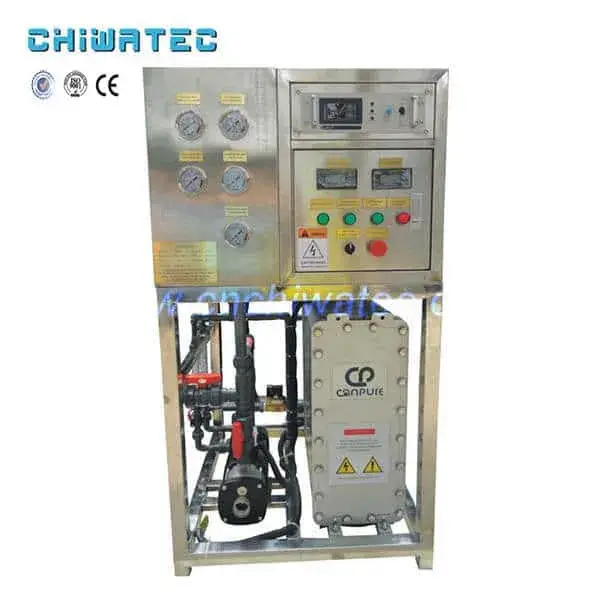
The advanced water purification system process principles provide detailed technical specifications for second and third-generation technologies.
Step 1: Assess Your Local Water Quality
A proper water purifier selection guide begins with understanding what is in your water. Water quality varies significantly by location and source:
- Municipal tap water: Typically treated with chlorine or chloramine for disinfection. Contains residual chlorine (0.5-4 mg/L), possible disinfection byproducts (THMs, HAAs), trace heavy metals from aging pipes (lead, copper), and hardness minerals (calcium, magnesium).
- Well water: No municipal treatment. Common issues include hardness (10-50+ grains/gallon), iron and manganese (0.3-10 mg/L), hydrogen sulfide (rotten egg odor), nitrates (from agricultural runoff), and in some regions, arsenic and fluoride.
- Surface water (rivers, lakes): Variable turbidity, organic matter, algae byproducts, and seasonal contamination from agricultural or industrial runoff.
- High-TDS water: Total dissolved solids above 500 ppm may affect taste; above 1,000 ppm causes scaling and requires RO or distillation for effective reduction.
Actions to take: Request a water quality report from your local utility (municipal supply) or have well water tested at a certified laboratory. Key parameters to test: pH, TDS, hardness, iron, manganese, chlorine, nitrates, fluoride, arsenic, and bacteria (total coliform).
Step 2: Match Technology to Your Water Problems
Once you understand your water quality, use this decision framework to select the appropriate purification technology:
| Water Condition | Recommended System | Key Consideration |
|---|---|---|
| High chlorine, odor, organic matter | Activated carbon with large carbon capacity | Choose coconut shell carbon, replace every 6-12 months |
| Turbid water (visible particles) | Dual-stage: sediment pre-filter + UF or RO | 5 μm PP sediment filter before membrane |
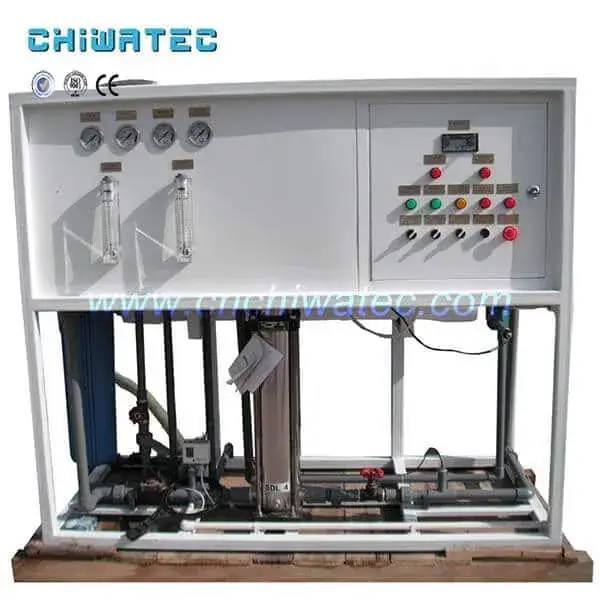
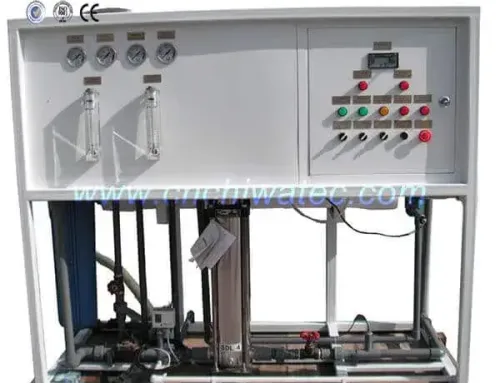
| Heavy contamination (bacteria, viruses, heavy metals, pesticides) | RO membrane purifier (4-5 stage) | 95-99% contaminant removal, 3-4:1 waste ratio |
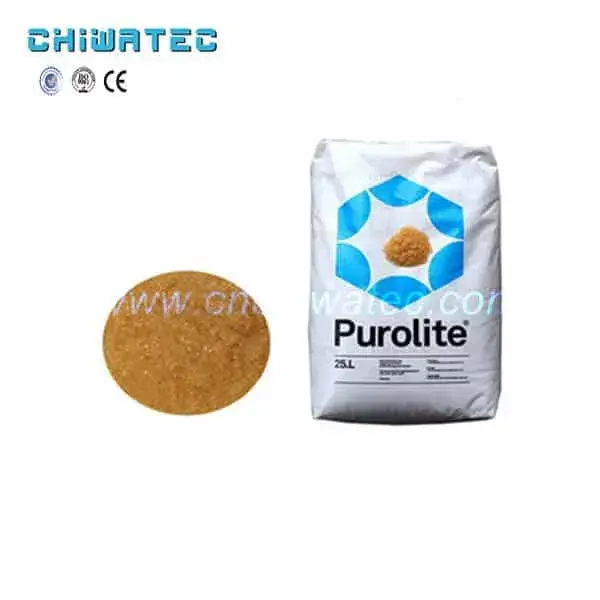
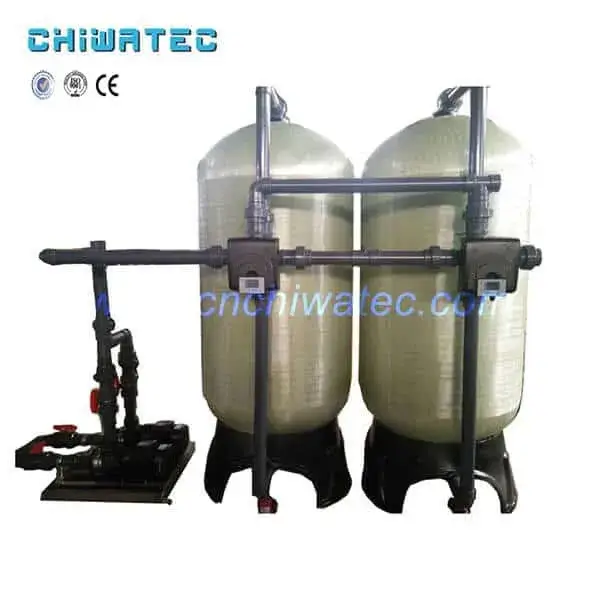
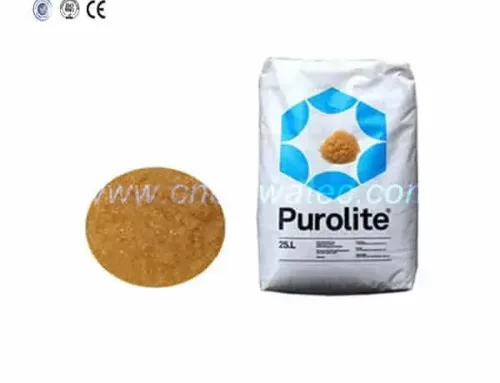
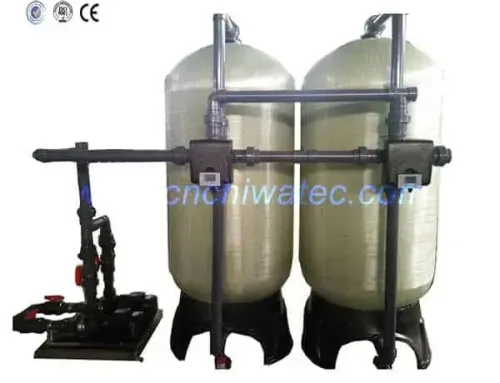
| Hard water (calcium, magnesium scale) | Ion exchange resin filter element or RO | Resin requires regeneration or replacement |
| Arsenic or fluoride above safe limits | RO system or specialized adsorption media | Verify NSF/ANSI 53 certification for the specific contaminant |
| Moderate contamination, low budget | UF membrane purifier (no electricity needed) | Retains minerals, removes bacteria and viruses |
The water purifier classification by treatment method provides a comprehensive breakdown of how different technologies address specific water quality challenges.
Step 3: Check Water Pressure and Daily Consumption
After narrowing down the technology, two practical factors determine the final product selection:
- Incoming water pressure: If tap water pressure is between 0.15-0.25 MPa (1.5-2.5 bar), a standard RO system without a booster pump will function adequately. Below 0.15 MPa (1.5 bar), a system with an integrated booster pump (typically 12V or 24V DC, 0.6-1.0 MPa output) is essential to maintain membrane performance and adequate production rate. Above 0.4 MPa (4 bar), a pressure-reducing valve should be installed to protect components. RO systems with permeate pumps can improve efficiency by 30-50% at low incoming pressures.
- Daily water consumption: A standard 50-75 GPD (gallons per day) RO system provides 8-12 liters per hour, sufficient for a family of 2-4. For larger families (5-8 people), a 100-150 GPD system or a system with a larger storage tank (12-20 gallons) is recommended. Commercial applications require 200-2,000+ GPD capacities based on fixture count and peak demand calculations.
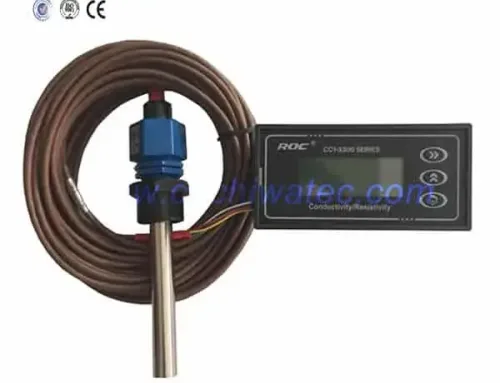
- Additional features to consider: Automatic shut-off valve (prevents water waste when tank is full), TDS monitoring display (tracks membrane performance), filter life indicators, leak detection sensors, and alkaline/mineral remineralization filters for taste enhancement.
Water Purifier Selection Guide: Technology Comparison
This comparison table summarizes the key differences across available technologies to support your water purifier selection guide decision-making:
| Technology | Contaminants Removed | Electricity | Waste Water | Annual Cost |
|---|---|---|---|---|
| Activated Carbon | Chlorine, taste, odor, VOCs | No | None | USD 30-80 |
| Ultrafiltration (UF) | Bacteria, viruses, sediment | No | Minimal (backwash) | USD 50-120 |
| Reverse Osmosis (RO) | 95-99% of all contaminants | Yes | 3-4:1 ratio | USD 100-250 |
| Ion Exchange | Hardness, some heavy metals | No | Regeneration brine | USD 80-200 |
| UV Sterilization | Bacteria, viruses (99.99%) | Yes | None | USD 30-60 (lamp) |
The mineral water equipment process provides additional insight into how commercial water purification systems incorporate multiple technologies in sequence for comprehensive treatment.
Frequently Asked Questions
Q1: Is RO water purifier better than UF water purifier?
Neither is universally better — the right choice depends on your water quality. RO systems remove 95-99% of dissolved solids including heavy metals, fluoride, arsenic, and nitrates, making them essential for water with high TDS or known contamination. UF systems remove bacteria and viruses but not dissolved solids or chemicals, making them suitable for biologically contaminated water with good chemical quality. RO costs more (USD 100-250/year vs. USD 50-120/year) and produces waste water (3-4 gallons per gallon purified). UF is simpler, cheaper, and retains beneficial minerals.
Q2: Does a water purifier remove beneficial minerals from drinking water?
RO-based purifiers remove 90-95% of dissolved minerals including calcium and magnesium. However, drinking water contributes a negligible portion of daily mineral intake compared to food — a glass of milk provides more calcium than 30 gallons of tap water. For those concerned about mineral loss, many RO systems offer optional remineralization filters (medical stone, calcite) that add 20-40 mg/L of calcium and magnesium, creating pH 7.5-8.5 alkaline mineral water. UF and carbon-based purifiers retain all natural minerals.
Q3: How do I know if my water purifier filters need replacement?
Key indicators: reduced water flow rate (50%+ drop from initial rate), increased TDS in product water (above 10% of feed TDS), visible sediment buildup in pre-filters, change in taste or odor of purified water, or the system exceeding the manufacturer recommended replacement interval (pre-filters 6-12 months, RO membrane 2-3 years, post-carbon 6-12 months). Some modern purifiers have digital TDS displays and automatic filter life indicators that simplify maintenance scheduling.
Q4: Can I install a water purifier myself?
Countertop and faucet-mounted purifiers are designed for DIY installation (no tools required, connects to standard faucet threads). Under-sink RO systems require moderate DIY skills: drilling a hole for the dedicated faucet (stainless steel or granite sink), connecting feed water adapter (1/4-inch push-fit fittings), drain saddle connection, and storage tank setup. Typical installation time: 1-3 hours for a standard RO system. Users uncomfortable with plumbing should hire a licensed plumber (typical cost USD 100-200).
Q5: What maintenance does a water purifier require?
Regular maintenance includes: pre-filter replacement every 6-12 months (PP sediment, GAC, carbon block), RO membrane replacement every 2-3 years, post-carbon filter replacement every 6-12 months, UV lamp replacement annually (if UV system), sanitizing the system annually with a food-grade hydrogen peroxide or citric acid flush, checking and tightening all push-fit connections, and inspecting for leaks at the faucet and under-sink connections. Annual maintenance cost: USD 60-150 for a standard residential RO system.
Conclusion & CTA
Choosing the right water purifier does not have to be overwhelming. This water purifier selection guide has outlined a systematic approach — assess your local water quality, match the technology to your specific contaminants, and verify that your water pressure and consumption needs are met by the system specifications. Whether you need a simple activated carbon filter for chlorine reduction, a UF system for bacteria removal with mineral retention, or a comprehensive RO system for complete contaminant protection, the right solution exists for every water quality profile and budget.
Contact CHIWATEC today at [email protected] or [email protected] (WhatsApp available) for personalized water purifier recommendations based on your water quality test results and usage requirements.
Related Resources and Further Reading
- Water Purifier Classification by Treatment Method — Comprehensive breakdown of water treatment technologies
- Advanced Water Purification System Process Principles — Technical specifications for membrane and advanced purification
- Mineral Water Equipment Process — Commercial mineral water production and treatment systems
- Combatting Arsenic Contamination — Advanced technologies for specific contaminant removal
- RO Water Treatment Systems — CHIWATEC residential and commercial RO purifiers
Do you have a water treatment project we can help with
* Designing,machining,installing,commissioning, customize and one-stop service
 English
  Spanish
  Portuguese