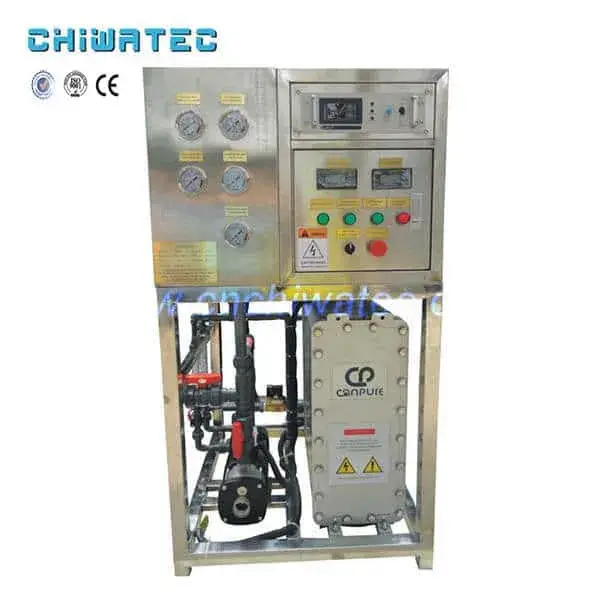
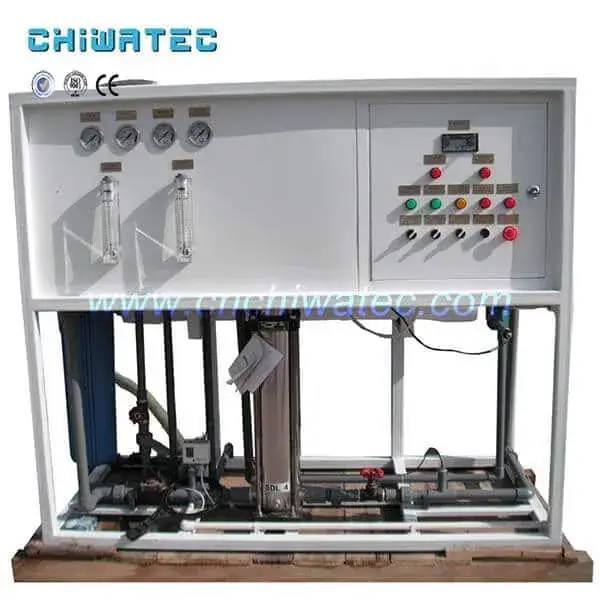
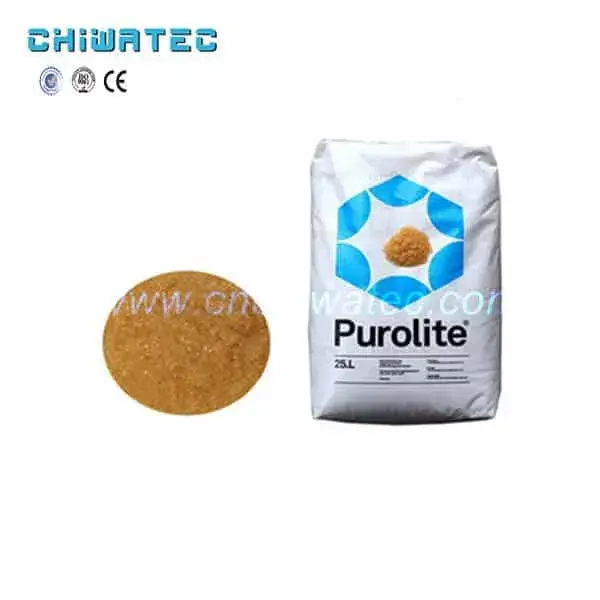
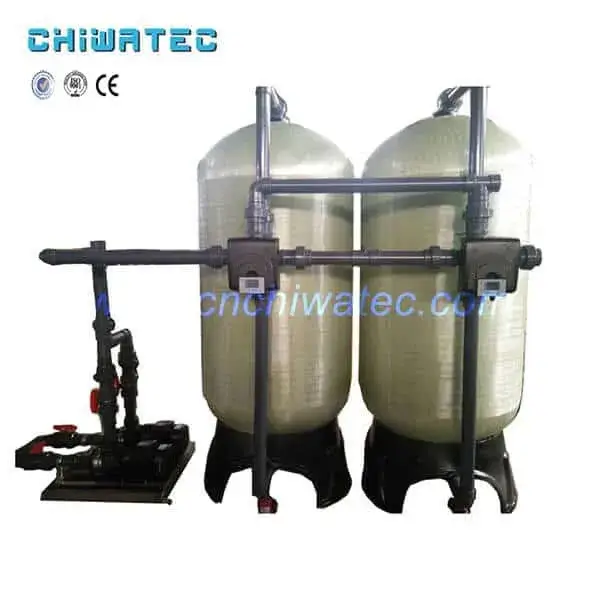
Choosing a water purifier requires understanding filtration technologies, water quality needs, and system specifications. This 2026 buyer's guide covers everything about selecting the right water purification system: RO reverse osmosis vs ultrafiltration, multi-stage filtration configurations, key components (membranes, pumps, filters), certification standards, and cost considerations for residential, commercial, and industrial applications.
Why Choosing the Right Water Purifier Matters in 2026
Water quality concerns continue to grow globally. The global water purifier market reached $52.8 billion in 2025 and is projected to grow at 7.8% CAGR through 2030, driven by increasing contamination awareness, urbanization, and stricter drinking water standards.
However, not all water purifiers deliver the same performance. Selecting the wrong system can result in:
- Inadequate contaminant removal (viruses, bacteria, heavy metals, chemicals)
- Higher operating costs from frequent filter replacements
- Excessive water waste (poor recovery rates)
- Premature system failure from incompatible feedwater quality
This guide helps you make an informed decision based on your specific water quality, usage requirements, and budget.
Step 1: Understand Your Water Quality
Before choosing a water purifier, assess your source water quality:
Common Water Contaminants
| Contaminant Type | Examples | Health Impact | Best Removal Method |
|---|---|---|---|
| Sediment | Rust, sand, silt | Aesthetic, equipment damage | PP cotton, sediment filter |
| Chlorine | Free chlorine, chloramines | Taste, odor, byproducts | Activated carbon |
| Heavy metals | Lead, mercury, arsenic | Toxicity, neurological damage | RO membrane, ion exchange |
| Bacteria | E. coli, Salmonella | Gastrointestinal illness | RO, UV sterilization, ultrafiltration |
| Viruses | Norovirus, Hepatitis A | Infectious diseases | RO membrane (0.0001 μm) |
| Dissolved solids | Salts, minerals, TDS | Taste, scaling, hardness | Reverse osmosis |
| Organic chemicals | Pesticides, pharmaceuticals | Long-term health effects | Activated carbon, RO |
Get Your Water Tested
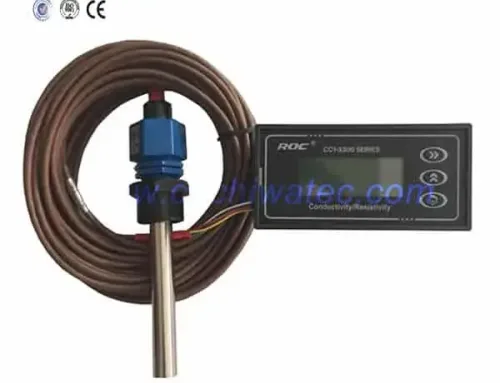
Request a water quality report from your municipal supplier or use a home TDS (Total Dissolved Solids) meter. Key parameters to check:
- TDS level: <50 ppm (excellent), 50-150 ppm (good), 150-300 ppm (acceptable), >300 ppm (consider RO)
- Hardness: >180 mg/L CaCO₃ indicates need for softening
- Chlorine residual: >0.5 ppm requires carbon filtration
- Bacteria count: Any presence requires disinfection (RO/UV/UF)
Step 2: Choose the Right Filtration Technology
The most critical decision when choosing a water purifier is selecting the appropriate filtration technology for your needs.
RO Reverse Osmosis vs Ultrafiltration (UF)
| Feature | RO Reverse Osmosis | Ultrafiltration (UF) |
|---|---|---|
| Pore size | 0.0001 μm | 0.01-0.1 μm |
| Removes viruses | Yes (>99.9%) | Partial (depends on MWCO) |
| Removes bacteria | Yes (>99.9%) | Yes (>99%) |
| Removes dissolved salts | Yes (95-99%) | No |
| Removes heavy metals | Yes (>98%) | No |
| Water waste | Higher (30-50% recovery) | Minimal (no waste) |
| Electricity required | Yes (pressure pump) | No (gravity/pressure) |
| Best for TDS | >200 ppm | <200 ppm |
| Cost | Higher initial & operating | Lower cost |
Recommendation: Choose RO reverse osmosis if your TDS exceeds 200 ppm, you have heavy metal concerns, or you need the highest purity water. Choose UF for low-TDS municipal water where you want to retain beneficial minerals.
Multi-Stage Filtration Configurations
Quality water purifiers use multiple filtration stages. Common configurations:
5-Stage RO System (Standard)
- PP Cotton (5 μm): Removes sediment, rust, suspended particles
- Granular Activated Carbon (GAC): Removes chlorine, taste, odor, organic chemicals
- Carbon Block (CTO): Polishes chlorine removal, protects RO membrane
- RO Membrane (0.0001 μm): Removes 95-99% of dissolved solids, bacteria, viruses, heavy metals
- Post-Carbon (T33): Improves taste, adds minerals (optional)
7-Stage RO System (Enhanced)
Adds two polishing stages:
- Stage 6: Remineralization filter: Adds calcium, magnesium, potassium for balanced pH
- Stage 7: UV sterilization: Final disinfection backup (254 nm wavelength)
Step 3: Evaluate Key Components Quality
The performance and longevity of your water purifier depend on component quality. Here's what to look for:
RO Membrane Quality
The RO membrane is the heart of the system. Leading membrane brands include:
- Dow Filmtec (USA): Industry leader, high rejection rates, long life (2-3 years)
- Hydranautics (Japan): Excellent fouling resistance, energy-efficient
- Toray (Japan): High flux, good for challenging water conditions
- Chinese domestic membranes: Cost-effective, quality has improved significantly (1.5-2 year life)
Check: Membrane specification sheet for rejection rate (>96% for monovalent ions), active area, and operating pressure range.
High-Pressure Pump
RO systems require a pressure pump to overcome osmotic pressure. Pump options:
- Imported pumps (Danfoss, Grundfos): Quiet operation, 5+ year lifespan, higher cost
- Taiwan pumps: Good quality-to-price ratio, reliable performance
- Domestic Chinese pumps: Cost-effective, quality varies by manufacturer (verify warranty)
Specification: Pump should deliver 0.6-1.0 MPa (87-145 psi) for residential RO, 1.0-1.5 MPa for commercial systems.
Filter Housing and Materials
Inspect build quality:
- Housing material: Food-grade ABS plastic or 304/316 stainless steel for commercial units
- Fittings: Quick-connect brass or high-grade plastic (avoid cheap threaded connections)
- Tubing: NSF-certified food-grade PE or nylon tubing
- Surface finish: Exquisite manufacturing process indicates quality control
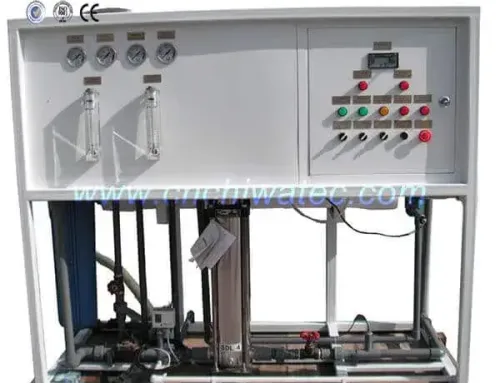
Control System Types
| Type | Features | Best For |
|---|---|---|
| Ordinary (Manual) | Basic on/off, manual flushing | Budget-conscious, simple needs |
| Automatic Flushing | Timer-based membrane cleaning | Extended membrane life |
| Indicator Light | Filter replacement alerts, fault indicators | Easy maintenance tracking |
| Computer Control (Smart) | WiFi connectivity, TDS monitoring, app control | Tech-savvy users, commercial monitoring |
| IoT-Enabled (2026) | Real-time water quality tracking, predictive maintenance, remote diagnostics | Commercial/industrial facilities |
Step 4: Match Capacity to Your Needs
Flow Rate Requirements
| Application | Daily Capacity | Flow Rate | System Size |
|---|---|---|---|
| Small household (1-3 people) | 50-75 GPD (190-284 L/day) | 0.13-0.20 L/min | Under-sink |
| Medium household (4-6 people) | 100-200 GPD (378-757 L/day) | 0.26-0.52 L/min | Under-sink with tank |
| Large household (7+ people) | 300-400 GPD (1136-1514 L/day) | 0.78-1.04 L/min | Under-sink or countertop |
| Commercial (office/restaurant) | 500-2000 GPD (1893-7571 L/day) | 1.3-5.2 L/min | Floor-standing |
| Industrial | 3000+ GPD (11,356+ L/day) | >7.8 L/min | Custom skid-mounted |
Note: GPD = Gallons Per Day. Actual flow depends on feedwater pressure, temperature, and TDS.
Storage Tank vs Tankless Design
- With storage tank: Lower initial cost, consistent flow, requires space, potential bacterial growth if not sanitized
- Tankless (direct flow): Compact, fresh water on-demand, higher flow membrane required, more expensive
Step 5: Check Certifications and Standards
Legitimate water purifiers carry recognized certifications:
International Certifications
- NSF/ANSI 58: RO drinking water treatment systems (USA)
- NSF/ANSI 42: Aesthetic effects (chlorine, taste, odor)
- NSF/ANSI 53: Health effects (lead, cysts, VOCs)
- CE marking: European conformity for safety and EMC
- WQA Gold Seal: Water Quality Association certification
China-Specific Certifications
- Hygiene Permit for Drinking Water Products: Required by Chinese law (涉水产品卫生许可批件)
- CCC Certification: China Compulsory Certification for electrical safety
- CQC Water Efficiency: Water efficiency labeling for RO systems
Verify: Ask for certification documents and cross-check with issuing authority databases.
Step 6: Calculate Total Cost of Ownership
Look beyond the purchase price. Consider these ongoing costs:
Filter Replacement Costs
| Filter Stage | Replacement Interval | Estimated Cost (USD) |
|---|---|---|
| PP Cotton (Stage 1) | 3-6 months | $5-15 |
| GAC (Stage 2) | 6-12 months | $10-25 |
| Carbon Block (Stage 3) | 6-12 months | $10-25 |
| RO Membrane (Stage 4) | 2-3 years | $50-150 |
| Post-Carbon (Stage 5) | 12-18 months | $10-20 |
| Remineralization (Stage 6) | 12-18 months | $15-30 |
Operating Costs
- Electricity: 0.1-0.3 kWh/day for residential RO (~$10-30/year)
- Water waste: RO recovery rate 30-50% (1-2 L waste per 1 L product water)
- Maintenance: Annual sanitization, O-ring replacement, leak checks
5-Year TCO Example: A $300 RO system with $100/year filter costs = $800 total. A $150 budget system with $150/year filter costs (frequent replacements) = $900 total. Quality matters.
2026 Water Purifier Technology Trends
Latest innovations in water purification:
- Smart monitoring: IoT sensors track TDS, filter life, flow rate, and leak detection with smartphone alerts
- High-efficiency RO membranes: 50-75% recovery rates (vs traditional 30-40%), reducing water waste
- Graphene-enhanced membranes: 2-3x higher flux with same rejection, lower energy consumption
- UV-LED disinfection: Longer life, lower power, mercury-free alternative to traditional UV lamps
- Modular quick-change filters: Tool-free replacement, reduced service time
- Alkaline remineralization: Adds calcium, magnesium for pH 7.5-8.5, addressing acidity concerns
Frequently Asked Questions (FAQ)
Is RO water safe to drink long-term?
Yes, RO water is safe for long-term consumption. While RO removes minerals, you get most minerals from food, not water. Many modern RO systems include remineralization stages to add calcium and magnesium back for balanced pH and taste.
How much water does RO waste?
Traditional RO systems have 30-50% recovery (2-3 L waste per 1 L product). New high-efficiency membranes achieve 50-75% recovery. Some water is necessary to flush away concentrated contaminants and prevent membrane fouling.
Can I install a water purifier myself?
Under-sink residential systems are DIY-friendly if you have basic plumbing skills. Commercial and industrial systems require professional installation for proper sizing, plumbing, electrical connections, and warranty validation.
How often should I replace filters?
Follow manufacturer guidelines based on your water quality and usage: PP cotton every 3-6 months, carbon filters 6-12 months, RO membrane 2-3 years. Smart systems with filter life indicators provide accurate replacement alerts.
Does boiling water replace the need for a purifier?
No. Boiling kills bacteria and viruses but does NOT remove heavy metals, dissolved salts, chemicals, or sediments. RO purification provides comprehensive contaminant removal that boiling cannot achieve.
What's the difference between a water purifier and water softener?
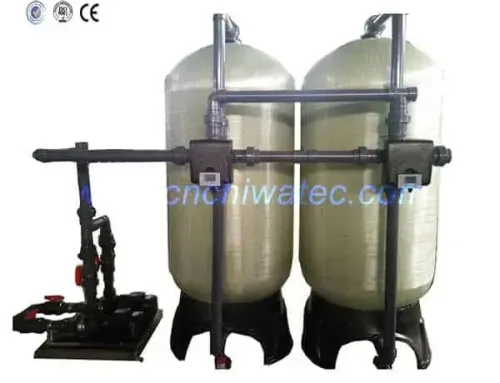
Water softeners only remove hardness minerals (calcium, magnesium) using ion exchange. Water purifiers (especially RO systems) remove a broad spectrum of contaminants including bacteria, viruses, heavy metals, and dissolved solids. They serve different purposes and can be used together.
Are countertop water purifiers effective?
Quality countertop RO systems are as effective as under-sink models. They're ideal for renters or situations where under-sink installation isn't possible. Ensure the unit has adequate capacity (minimum 50 GPD) and proper multi-stage filtration.
Conclusion: Your Water Purifier Selection Checklist
Before making your final decision, verify these key points:
- ✓ Water quality tested: Know your TDS, hardness, and contaminant profile
- ✓ Technology matched: RO for high TDS/heavy metals, UF for low TDS municipal water
- ✓ Capacity sized correctly: Match GPD to household size and peak demand
- ✓ Quality components: Verify membrane brand, pump quality, and housing materials
- ✓ Certifications verified: NSF, CE, or local hygiene permits
- ✓ TCO calculated: Factor in 5-year filter and operating costs
- ✓ After-sales support: Warranty terms, filter availability, service network
Need expert guidance? CHIWATEC provides customized water purification solutions for residential, commercial, and industrial applications. Our water treatment specialists can assess your water quality, recommend the optimal system configuration, and provide comprehensive installation and maintenance support. Contact us for a free consultation and quote.
Related Resources
Do you have a water treatment project we can help with
* Designing,machining,installing,commissioning, customize and one-stop service
 English
  Spanish
  Portuguese