RO Desalination Equipment Applications: Complete Guide to Reverse Osmosis Desalination Uses Across Industries 2026
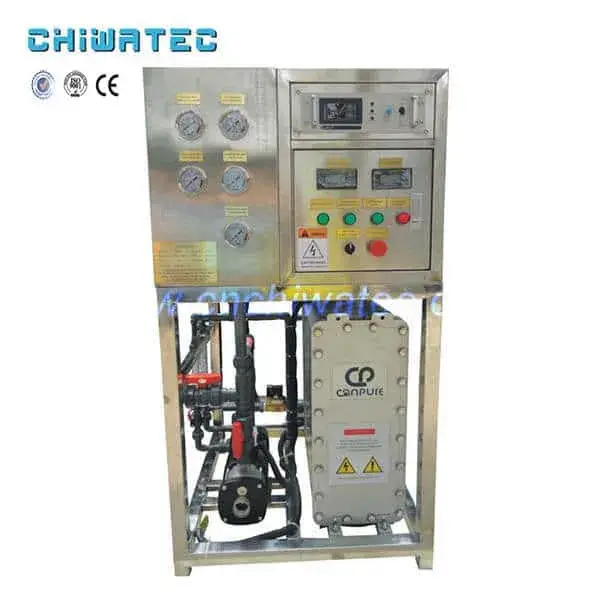
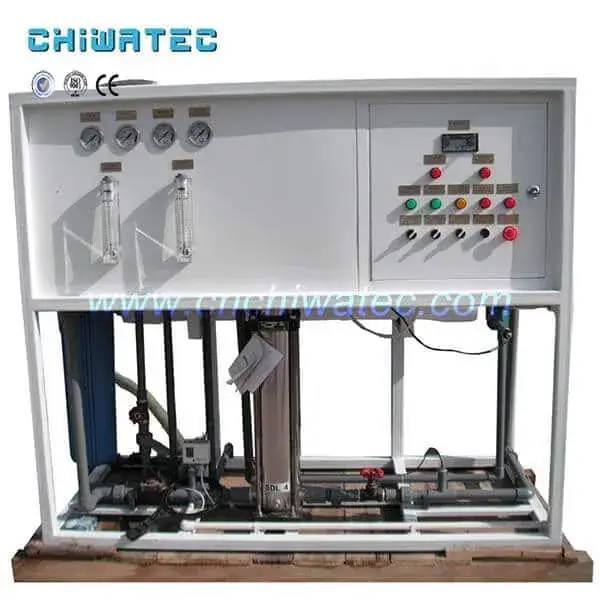
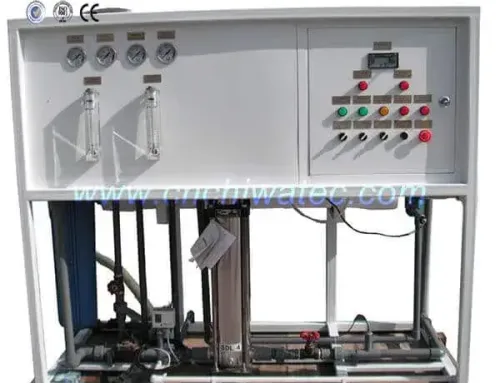
Where is reverse osmosis desalination equipment actually used, and which industries benefit most? The global desalination equipment market was valued at USD 15.6 billion in 2024 and is projected to reach USD 29.8 billion by 2034 (CAGR 6.7%), driven by freshwater scarcity and industrial water quality demands. The direct answer: RO desalination equipment applications span pharmaceutical water production, chemical process water, boiler feed water in power generation, food and beverage processing, seawater and brackish water desalination, and electronics manufacturing — each with specific water quality requirements ranging from 1-10 uS/cm conductivity for industrial use to 0.1 uS/cm for pharmaceutical applications. CHIWATEC engineers custom reverse osmosis desalination systems for diverse industrial applications, providing end-to-end solutions from design through commissioning.
Why RO Desalination Is the Preferred Technology Across Industries
Reverse osmosis desalination technology uses semi-permeable membranes operating at 10-15 bar pressure for brackish water and 55-70 bar for seawater to remove dissolved salts, organic compounds, bacteria, and viruses. RO systems consistently achieve 95-99% salt rejection, producing water with conductivity as low as 1-5 uS/cm from a single pass. When combined with electrodeionization (EDI), RO desalination can produce ultrapure water with resistivity of 18.2 MOhm-cm. This versatility makes RO desalination equipment the technology of choice across more than 20 industrial sectors worldwide.
- Global installed capacity: Over 100 million m3/day of desalination capacity worldwide, with RO accounting for approximately 70% of all installations
- Energy efficiency: Modern RO systems consume 2.5-4.0 kWh/m3 for seawater desalination, down from 8+ kWh/m3 in the 1990s
- Water recovery: Brackish water RO achieves 70-85% recovery; seawater RO achieves 40-50% recovery
- Cost reduction: Desalination costs have dropped from USD 1.50/m3 (2000) to USD 0.50-0.80/m3 (2024)
Pharmaceutical and Biotech Industry Applications
The pharmaceutical industry is one of the most demanding users of RO desalination equipment. Pharmaceutical water must meet strict pharmacopeial standards including USP, EP, and JP requirements. RO pure water equipment process flow in pharmaceutical applications typically includes pre-treatment, two-pass RO, and EDI polishing to achieve the required water quality.
| Application | Water Quality Requirement | RO System Configuration |
|---|---|---|
| Large-volume injections (LVI) | WFI grade, < 1 uS/cm | RO + EDI + distillation |
| Tablet and capsule production | Purified water, < 5 uS/cm | Single-pass RO + mixed bed |
| Equipment cleaning (CIP) | Purified water, < 10 uS/cm | Single-pass RO |
| Biochemical production | Ultrapure water, > 10 MOhm-cm | RO + EDI + UV |
For detailed case studies, refer to the pharmaceutical pure water system engineering case for complete system specifications.
Power Generation: Boiler Feed Water Desalination
Thermal power plants, combined cycle gas turbine facilities, and industrial boiler systems require high-purity feed water to prevent scale formation and corrosion in boiler tubes. RO desalination equipment is the standard pre-treatment for boiler feed water, reducing TDS from thousands of ppm to below 10 ppm before final polishing through mixed-bed ion exchange or EDI. Key RO desalination equipment applications in power generation include make-up water treatment for high-pressure boilers operating at 100+ bar, cooling tower blowdown treatment, and condensate polishing. The operating rules for pure water production equipment provide essential protocols for reliable system operation.
Food and Beverage Processing
The food and beverage industry relies on RO desalination for consistent water quality that directly impacts product taste, appearance, and shelf life. Breweries, soft drink manufacturers, and bottled water producers all depend on RO-treated water. Application cases of pure water equipment for alcohol and beverages demonstrate RO systems producing water with 2-10 uS/cm conductivity for beer brewing, spirit dilution, and soft drink formulation. The brewing industry, in particular, has seen significant adoption of RO desalination — over 60% of craft breweries in North America and Europe now use RO treatment for process water.
- Bottled water: RO systems produce water with < 10 mg/L TDS from source water of 200-500 mg/L TDS
- Brewing: RO enables precise mineral profile adjustment for consistent beer flavor across different source waters
- Soft drinks: RO-treated water ensures reproducible taste profiles for global brands operating in multiple locations
- Food processing: RO water prevents off-flavors and extends shelf life in canned and packaged foods
Seawater and Brackish Water Desalination
Seawater desalination using RO technology has become a critical water supply solution for water-scarce regions. The Middle East, North Africa, and parts of Asia Pacific account for over 70% of global seawater RO capacity. For small seawater desalination equipment, applications include island communities, coastal resorts, offshore platforms, and emergency water supply systems.
| Water Source | TDS Range (mg/L) | Operating Pressure | Typical Recovery |
|---|---|---|---|
| Seawater | 30,000-45,000 | 55-70 bar | 40-50% |
| Brackish water (high) | 5,000-15,000 | 15-30 bar | 65-80% |
| Brackish water (low) | 1,000-5,000 | 10-15 bar | 75-85% |
Learn more about desalination methods for brackish water using reverse osmosis for detailed process parameters and design considerations.
Chemical and Petrochemical Industry
Chemical manufacturing and petrochemical processing require large volumes of treated water for process applications, cooling systems, and product formulation. RO desalination equipment removes dissolved ions that could catalyze unwanted side reactions or cause scaling in heat exchangers and cooling towers. Process water in chemical plants typically requires TDS below 50 mg/L, which a single-pass RO system can reliably deliver from most feed water sources. The comparative analysis of desalination effectiveness: RO vs. electrodialysis provides data on technology selection for chemical industry applications.
Electronics and Semiconductor Manufacturing
The electronics industry demands the highest water purity standards of any sector. Semiconductor fabrication requires ultrapure water (UPW) with resistivity of 18.2 MOhm-cm and TOC below 5 ppb. RO desalination is the foundational step in UPW production, typically configured as a two-pass RO system followed by EDI, UV oxidation, and mixed-bed polishing. A single 300 mm wafer fabrication facility can consume 5,000-10,000 m3 of ultrapure water per day, making efficient RO desalination equipment essential for both water quality and operational cost management.
RO Desalination Equipment Applications by Industry at a Glance
The following table summarizes the key RO desalination equipment applications, required water quality, and typical system configurations across major industries:
| Industry | Target Water Quality | Typical RO Configuration |
|---|---|---|
| Pharmaceutical | 0.1-5 uS/cm | Two-pass RO + EDI |
| Power generation | < 10 uS/cm | RO + mixed bed |
| Food and beverage | 2-10 uS/cm | Single-pass RO |
| Seawater desalination | < 500 mg/L TDS | SWRO (high-pressure) |
| Chemical processing | < 50 mg/L TDS | Single-pass RO |
| Electronics | 18.2 MOhm-cm | Two-pass RO + EDI + UV |
Frequently Asked Questions
Q1: How does RO desalination equipment differ from conventional RO water treatment?
RO desalination equipment is specifically designed to remove dissolved salts from water with high TDS levels — typically above 1,000 mg/L for brackish water and up to 45,000 mg/L for seawater. Conventional RO systems for low-TDS feed water use lower operating pressures (5-10 bar) and higher recovery rates (75-85%). Desalination RO systems require high-pressure pumps, corrosion-resistant materials (duplex stainless steel), and specialized membrane elements designed for high-salinity operation.
Q2: Which industry uses the most RO desalination equipment?
The power generation sector is the largest consumer of RO desalination equipment by installed capacity, accounting for approximately 35% of all industrial RO installations. Municipal water supply (including seawater desalination for drinking water) is the second-largest at 25%, followed by the pharmaceutical and chemical industries at 15% each, and food and beverage at 10%. Israel’s breakthrough in seawater desalination demonstrates the technology’s potential for municipal-scale water supply.
Q3: Can RO desalination equipment remove all salts from water?
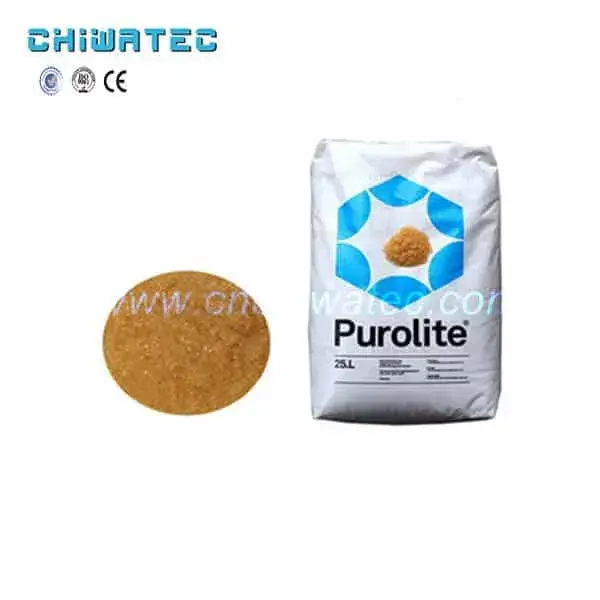
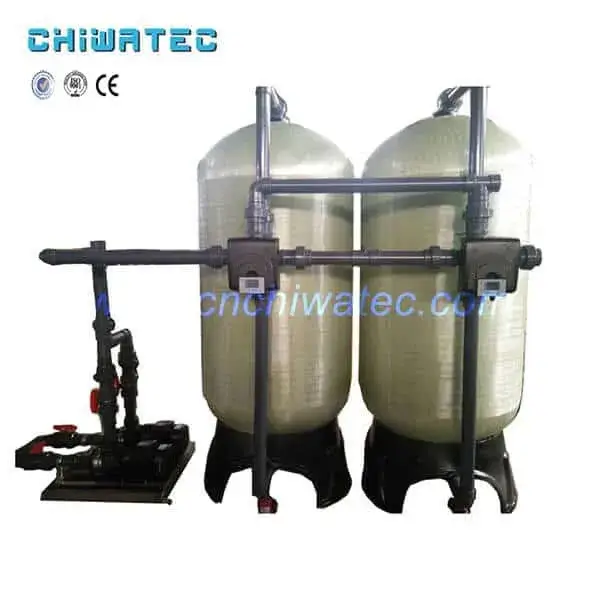
Single-pass RO desalination typically achieves 95-99% salt rejection, producing water with 10-500 mg/L TDS depending on feed water salinity. For ultrapure water requirements, a two-pass RO system combined with EDI or mixed-bed ion exchange achieves 99.99%+ salt removal, producing water with resistivity up to 18.2 MOhm-cm. RO-ion exchange combined desalination treatment is often the most cost-effective configuration for achieving the highest purity levels.
Q4: What is the typical lifespan of RO desalination equipment?
A well-designed and properly maintained RO desalination system has an operational lifespan of 15-20 years for the mechanical components (pumps, piping, valves) and instrumentation. RO membrane elements typically require replacement every 3-5 years depending on feed water quality and cleaning frequency. With proper pre-treatment and regular maintenance, membrane lifespan can be extended to 5-7 years in brackish water applications.
Q5: Is RO desalination cost-effective compared to other desalination methods?
RO desalination is the most energy-efficient and cost-effective desalination technology available today. For seawater desalination, RO costs USD 0.50-0.80/m3 compared to USD 1.00-2.00/m3 for thermal distillation. For brackish water, RO costs are even lower at USD 0.20-0.40/m3. Energy recovery devices (ERDs) have reduced RO energy consumption by 40-60% compared to systems without energy recovery, making RO the clear economic choice for virtually all desalination applications.
Conclusion & CTA
RO desalination equipment applications span nearly every industry that requires high-purity water, from pharmaceuticals and power generation to food processing and electronics manufacturing. The technology’s proven 95-99% salt rejection, declining cost curve, and compatibility with various water sources make it the dominant desalination technology worldwide, accounting for 70% of global installed desalination capacity. CHIWATEC provides custom-engineered reverse osmosis desalination systems tailored to specific industry requirements, from compact brackish water units to large-scale seawater desalination plants. Contact our engineering team at [email protected] or [email protected] (WhatsApp available) for professional consultation on RO desalination equipment selection and system design for your application.
Related Resources and Further Reading
- Desalination Methods for Brackish Water (2): Reverse Osmosis Method
- Advantages of Reverse Osmosis-Ion Exchange Combined Desalination Treatment
- Features of Small Seawater Desalination Equipment
- Application Cases of Pure Water Equipment for Alcohol and Beverages
- Brackish Water Treatment Systems – Browse Our Products
Do you have a water treatment project we can help with
* Designing,machining,installing,commissioning, customize and one-stop service

 English
  Spanish
  Portuguese