The Importance of Reverse Osmosis Technology: Key Applications and Benefits 2026
Reverse osmosis (RO) has become an indispensable technology in modern water treatment, powering everything from household drinking water systems to large-scale industrial and desalination plants. Understanding the importance of reverse osmosis technology helps facility managers, engineers, and decision-makers select the right water purification solutions. CHIWATEC specializes in RO-based water treatment equipment that leverages the full potential of this technology. This guide explores the critical roles and benefits of reverse osmosis in today’s water treatment landscape.
What Is Reverse Osmosis Technology?
Reverse osmosis is a membrane-based water purification process that uses applied pressure to force water through a semi-permeable membrane, rejecting dissolved salts, contaminants, and impurities. The RO membrane allows water molecules to pass through while blocking 97–99% of dissolved solids, bacteria, viruses, and organic compounds.
The process requires:
- Feedwater supply — Pretreated water free of suspended solids and chlorine
- High-pressure pump — Generates pressure above the osmotic pressure of the feedwater (typically 8–15 bar for brackish water, 55–80 bar for seawater)
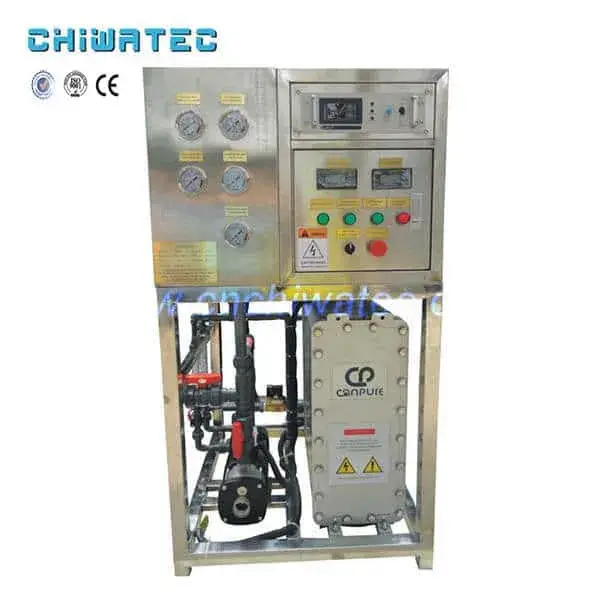
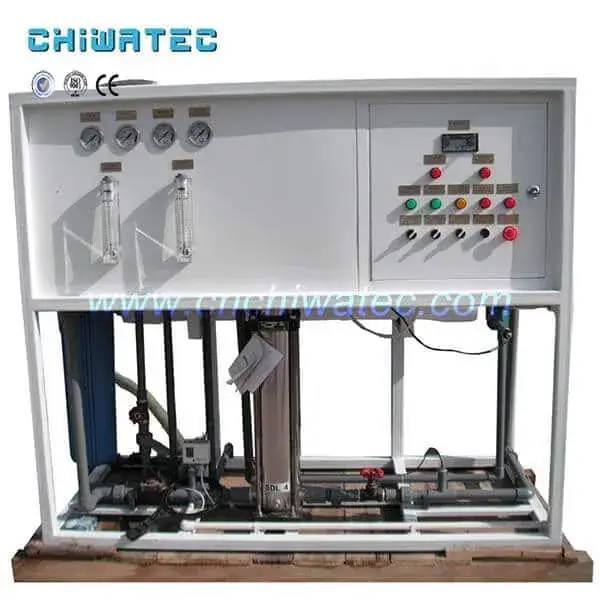
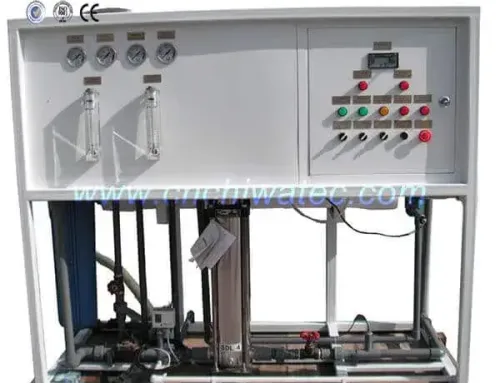
- RO membrane elements — Spiral-wound thin-film composite membranes arranged in pressure vessels
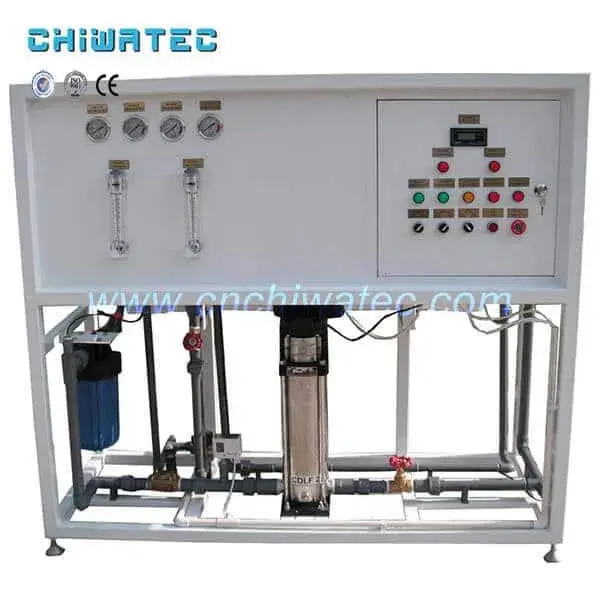
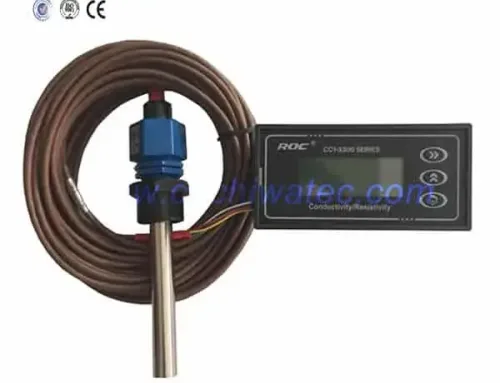
- Flow control and monitoring — Regulates feed flow, permeate flow, and concentrate discharge to maintain membrane performance
RO systems can be configured for automatic or manual operation, with key components sourced from international brands to ensure reliability and long service life.
The Importance of Reverse Osmosis in Water Purification
The primary importance of reverse osmosis lies in its unmatched ability to purify water. RO is the most effective technology available for removing dissolved contaminants from water, producing high-purity water suitable for applications ranging from drinking water to pharmaceutical manufacturing.
| Contaminant Type | RO Rejection Rate |
| Dissolved salts (TDS) | 97–99% |
| Heavy metals (lead, arsenic, mercury) | 96–99% |
| Nitrates and nitrites | 90–95% |
| Bacteria and viruses | 99.9% |
| Organic compounds (pesticides, pharmaceuticals) | 95–99% |
| Fluoride | 90–95% |
No other single treatment technology achieves this level of broad-spectrum contaminant removal, making RO the backbone of modern water purification systems worldwide.
RO for Drinking Water and Desalination
One of the most critical applications of reverse osmosis is producing safe drinking water from non-traditional sources. Seawater desalination — converting ocean water into fresh water — relies almost exclusively on RO technology. Large-scale seawater RO plants now supply drinking water to millions of people in water-scarce regions worldwide.
For brackish groundwater and surface water, RO systems remove hardness, nitrates, and other dissolved contaminants that conventional treatment cannot address. Point-of-use RO systems under kitchen sinks provide households with bottled-water quality directly from the tap.
Industrial and Commercial Applications of RO
In industrial settings, RO technology is essential for:
- Boiler feedwater treatment — RO removes hardness and dissolved solids that cause scale and corrosion in boilers, improving thermal efficiency and reducing maintenance
- Food and beverage production — Consistent water quality for bottling, brewing, and food processing
- Pharmaceutical and laboratory water — Meeting USP and ASTM purity standards for critical applications
- Electronics manufacturing — Ultra-pure water for semiconductor and circuit board washing
- Automotive and metal finishing — High-purity rinse water for plating and painting processes
Each application requires customized RO system design — including membrane type, pretreatment requirements, and automation level — to meet specific water quality targets.
Environmental Benefits of RO Technology
The importance of reverse osmosis extends beyond water quality to environmental sustainability:
- Water reuse — RO enables municipal and industrial wastewater recycling, reducing freshwater extraction and wastewater discharge
- Reduced chemical usage — RO replaces chemical-intensive treatment methods with physical separation
- Energy recovery — Modern RO plants use energy recovery devices (ERDs) that cut energy consumption by 40–60%
- Minimal waste generation — RO concentrate can be managed through evaporation, zero-liquid discharge (ZLD), or beneficial reuse
- Desalination for water-scarce regions — RO makes seawater a viable freshwater source, reducing pressure on depleted groundwater aquifers
Economic Advantages of Reverse Osmosis
From an economic perspective, RO offers compelling advantages:
- Lower total cost of ownership — RO systems have competitive capital costs and lower operating expenses compared to thermal desalination and distillation
- Scalable design — Modular RO systems can be sized to match specific flow requirements, from 100 L/h to 100,000 m³/day
- Automated operation — PLC-controlled systems run unattended, minimizing labor costs
- Long membrane life — Properly maintained RO membranes last 3–7 years, providing reliable service with predictable replacement costs
- High water recovery — Modern RO systems achieve 75–85% recovery for brackish water and 40–50% for seawater
Frequently Asked Questions
Why is reverse osmosis technology important for water treatment?
RO is the most effective technology for removing dissolved contaminants from water — achieving 97–99% rejection of salts, heavy metals, nitrates, bacteria, and organic compounds. It is the backbone of modern water purification for drinking water, industrial process water, and desalination applications worldwide.
What are the main applications of RO technology?
RO is used in seawater desalination, drinking water purification, boiler feedwater treatment, pharmaceutical water production, food and beverage processing, electronics manufacturing rinse water, and wastewater reuse. Its versatility makes it suitable for applications ranging from household under-sink systems to municipal-scale treatment plants.
How does RO compare to other water treatment technologies?
Unlike filtration that only removes suspended particles, RO removes dissolved contaminants at the molecular level. Compared to distillation, RO uses 90% less energy while achieving equivalent purity. Compared to ion exchange, RO requires no chemical regeneration and produces no chemical waste stream.
What is the environmental impact of reverse osmosis?
Modern RO systems are increasingly sustainable. Energy recovery devices reduce power consumption by 40–60%. RO enables water reuse and recycling, reducing freshwater extraction. The concentrate stream can be managed through zero-liquid discharge systems. New membrane materials continue to reduce energy requirements and improve recovery rates.
How long do RO membranes last?
With proper pretreatment and operation, RO membranes typically last 3–5 years for brackish water applications and 2–4 years for seawater applications. Factors affecting membrane life include feedwater quality, pretreatment effectiveness, operating pressure, and cleaning frequency.
Conclusion and Call to Action
The importance of reverse osmosis technology in modern water treatment cannot be overstated. From providing safe drinking water through desalination to enabling industrial processes with high-purity water, RO has become the most versatile and effective water purification technology available. Its combination of broad-spectrum contaminant removal, energy efficiency, and scalability makes it an essential tool for addressing global water challenges.
For customized RO water treatment solutions tailored to your application — whether drinking water, industrial process water, or wastewater reuse — contact CHIWATEC: email [email protected] or [email protected]. Our team provides complete support from water analysis to system design, manufacturing, and commissioning.
Related Resources and Further Reading
Do you have a water treatment project we can help with
* Designing,machining,installing,commissioning, customize and one-stop service
 English
  Spanish
  Portuguese