Purified Water vs Pure Water vs Soft Water: Key Differences Explained 2026
When shopping for home water treatment equipment, many consumers encounter the terms purified water, pure water, and soft water without understanding what distinguishes them. Currently, over 30% of Chinese households renovating their homes consider installing water treatment devices, yet confusion about these water types often leads to misinformed purchases. Understanding purified water pure water soft water differences is the first step to selecting the right system for your household needs.
Purified Water Pure Water Soft Water: Definitions and Key Differences
These three terms describe water that has undergone different treatment processes, each with distinct characteristics and applications. Purified water is tap water that has been filtered to remove impurities, suspended solids, bacteria, residual chlorine, pesticides, organic pollutants, and heavy metals while retaining beneficial minerals and trace elements. Pure water, also known as deionized or distilled water, goes further by removing all impurities including minerals, leaving only H2O at 99.9% purity. Soft water has had calcium and magnesium ions reduced or removed through ion exchange, altering water hardness but not necessarily removing other contaminants. The key distinction is that purified water retains minerals, pure water removes everything, and soft water only targets hardness minerals.
What Is Purified Water: Home Benefits and Installation
Purified water is produced when tap water passes through a filtration system that removes harmful substances while preserving beneficial minerals. The quality and taste of home-filtered purified water is equivalent to bottled mineral water. To achieve purified water at home, install a water purifier in the kitchen with a dedicated clean faucet. There are two main types: terminal water purifiers with smaller flow rates (priced from a few hundred to over 1,500 yuan, suitable for small households) and central water purifiers with larger flow rates (1,000 to 2,500 yuan, ideal for larger homes and families). Filter replacement is needed approximately every 12 months at a cost of 200–300 yuan per replacement.
What Is Pure Water: Complete Purity for Health-Conscious Families
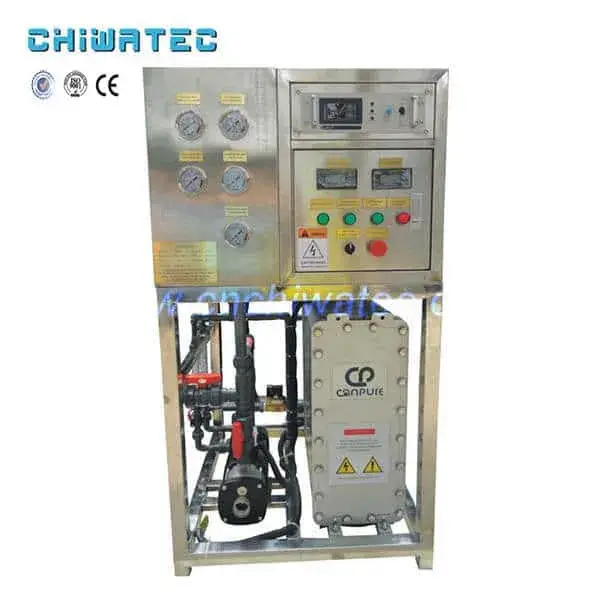
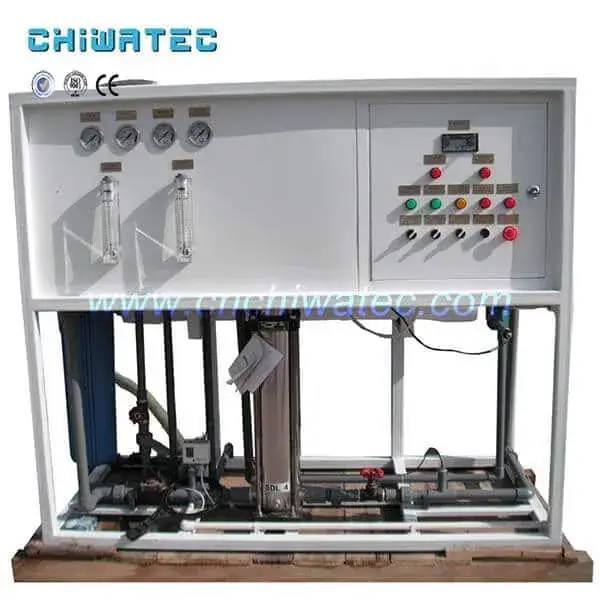
Pure water undergoes reverse osmosis (RO) filtration to remove 95–99% of all dissolved solids, including both harmful substances and beneficial minerals, resulting in water that is 100% pure H2O. The taste is noticeably cleaner and smoother than purified water. For home installation, an RO pure water machine is installed in the kitchen, similar to a water purifier, with a dedicated faucet. These units typically cost around 2,000–4,000 yuan, with replacement filters costing approximately 300–500 yuan every 12–18 months. Pure water is particularly recommended for families with elderly members and young children due to its superior safety profile, and it is the standard water quality used in pharmaceutical and laboratory applications.
What Is Soft Water: How It Works and Household Applications
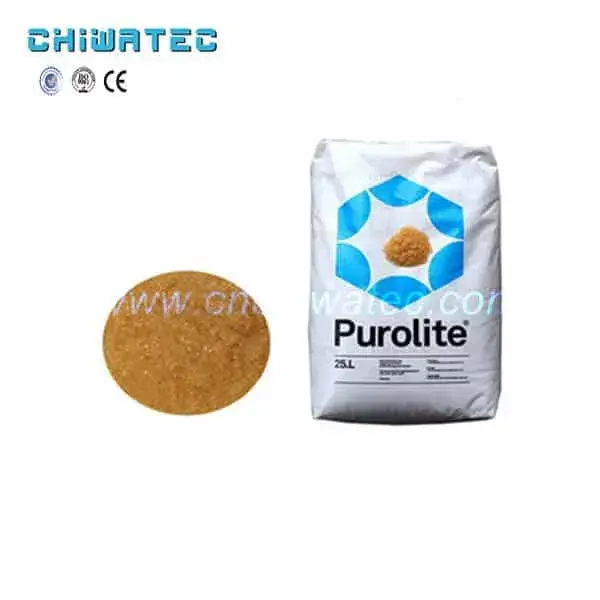
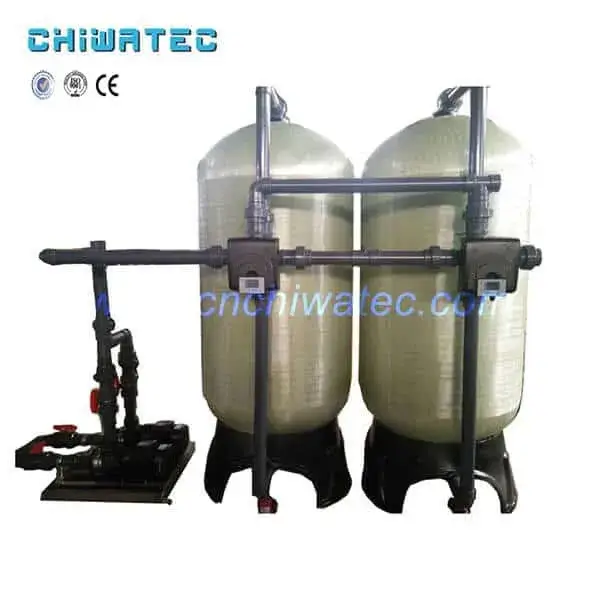
Soft water is produced by reducing calcium and magnesium ions that cause water hardness. Unlike purified and pure water, soft water is not intended for drinking but for household applications such as bathing, washing clothes, and cleaning dishes. There are two types of residential water softeners: salt-based ion exchange systems (1,500–5,000 yuan) that replace calcium and magnesium ions with sodium ions, and salt-free electrolysis systems (3,000–8,000 yuan) that precipitate hardness minerals without salt. Soft water provides noticeable benefits: softer-feeling skin after bathing, cleaner laundry with less detergent, scale prevention in pipes and water heaters, and longer equipment lifespan. However, salt-based softeners require monthly salt refills costing 200–300 yuan and periodic cleaning maintenance.
Comparison Table: Purified vs Pure vs Soft Water
| Feature | Purified Water | Pure Water | Soft Water |
| Treatment method | Filtration (carbon, sediment, UF) | Reverse osmosis (RO) | Ion exchange / electrolysis |
| Mineral content | Retains beneficial minerals | Removes all minerals | Removes Ca/Mg only |
| Purity level | 95–98% contaminant removal | 99.9% pure H2O | Hardness reduction only |
| Drinkable directly | Yes | Yes | No (not recommended) |
| Equipment cost | 500–2,500 yuan | 2,000–4,000 yuan | 1,500–8,000 yuan |
| Annual maintenance | 200–300 yuan | 300–500 yuan | 2,400–3,600 yuan (salt) |
| Best for | Drinking + cooking water | High-purity drinking needs | Bathing, laundry, cleaning |
Which Water Treatment System Is Right for Your Home?
The choice between purified, pure, and soft water depends on your household’s specific needs and budget. For most urban families, a combination approach works best: install a water purifier in the kitchen for drinking and cooking purified water, and add a water softener for the whole-house water supply to protect appliances and improve bathing comfort. Households with elderly members, infants, or immunocompromised individuals may prefer a pure water system for maximum safety. Families concerned about the taste of drinking water often choose RO pure water machines for their superior flavor. For budget-conscious consumers, a quality water purifier at 1,000–2,000 yuan provides excellent value — removing 95% of contaminants while retaining minerals at a fraction of the cost of more advanced systems.
Installation and Maintenance: What to Expect
Water purifiers and RO pure water machines require professional installation under the kitchen sink with a dedicated faucet hole. Water softeners need more space, typically installed at the main water entry point in a utility area or basement, and require a drain connection for regeneration cycles. Maintenance schedules vary: purifier filters need annual replacement; RO membranes last 2–3 years with pre-filters requiring annual changes; water softener resin beds last 8–12 years but need monthly salt replenishment. All systems benefit from annual professional inspection to ensure optimal performance and water quality. Before purchasing, test your tap water quality to determine which contaminants need addressing — this will guide your equipment selection more accurately than general recommendations.
Frequently Asked Questions
Can you drink soft water?
Soft water is not recommended for drinking because the ion exchange process increases sodium content — a salt-based softener can add 200–300 mg/L of sodium to the water. For households with hypertension or kidney concerns, this elevated sodium level may pose health risks. Use soft water for bathing, laundry, and cleaning, and maintain a separate drinking water system (purifier or RO) for consumption.
Is pure water better than purified water?
Pure water offers higher purity (99.9% vs 95–98%) and superior taste, but it lacks beneficial minerals like calcium, magnesium, and potassium that are retained in purified water. For everyday drinking, purified water is sufficient for most households and more cost-effective. Pure water is recommended for medical applications, baby formula preparation, and households with compromised immune systems.
Do I need both a water purifier and a water softener?
Many households benefit from having both systems. A water softener protects plumbing, water heaters, and appliances from scale buildup while improving bathing and cleaning water quality. A separate purifier or RO system under the kitchen sink provides safe, great-tasting drinking water. The combined investment of 3,000–8,000 yuan delivers comprehensive water treatment for the entire home.
How much does a home water treatment system cost?
A basic water purifier costs 500–2,500 yuan, an RO pure water machine 2,000–4,000 yuan, and a water softener 1,500–8,000 yuan. Annual operating costs range from 200–500 yuan for filters to 2,400–3,600 yuan for softener salt. A complete solution with purifier plus softener runs 3,000–10,000 yuan initial investment plus 500–1,500 yuan annual maintenance.
Does boiling water count as purification?
Boiling kills bacteria and viruses but does not remove dissolved solids, heavy metals, pesticides, chlorine byproducts, or hardness minerals. Boiled tap water still contains all dissolved contaminants — it is sanitized but not purified. Only filtration (purifier), reverse osmosis (pure water), or distillation achieves true purification by physically removing impurities.
Conclusion and Call to Action
Understanding the differences between purified water pure water soft water enables informed decisions about home water treatment. Each type serves a specific purpose: purified water for mineral-rich drinking water, pure water for highest-purity needs, and soft water for household comfort and appliance protection. Xi’an CHIWATEC Water Treatment Technology is a high-tech enterprise specialized in various water processing devices, covering water purifiers, pure water systems, and water softeners for comprehensive residential and commercial applications. For personalized guidance on selecting the right system for your home, contact our team today.
Related Resources
Do you have a water treatment project we can help with
* Designing,machining,installing,commissioning, customize and one-stop service
 English
  Spanish
  Portuguese