Process Flow of Battery Pure Water Treatment 2026
CHIWATEC — Battery pure water treatment is a critical process in battery manufacturing, where high-purity water is required for electrolyte preparation, electrode washing, battery assembly, and quality testing. The resistivity requirements for battery-grade pure water typically range from 1 to 18.2 MOmega-cm, depending on the battery type and application. This article outlines the three primary process flows for battery pure water treatment — ion exchange, two-stage reverse osmosis, and reverse osmosis combined with EDI — and provides a detailed comparison to help manufacturers select the optimal system for their production needs.
1. Battery Pure Water Treatment Overview
Battery manufacturing demands water with extremely low levels of ionic contaminants, organic compounds, and suspended solids. Impurities in process water can compromise battery performance, reduce cycle life, and increase self-discharge rates. The three main process technologies used for battery pure water treatment are ion exchange, two-stage reverse osmosis, and RO + EDI. Each method follows a pretreatment stage consisting of multimedia filtration, activated carbon filtration, water softening, and precision filtration to protect downstream equipment and ensure consistent feed water quality.
2. Ion Exchange Method Process Flow
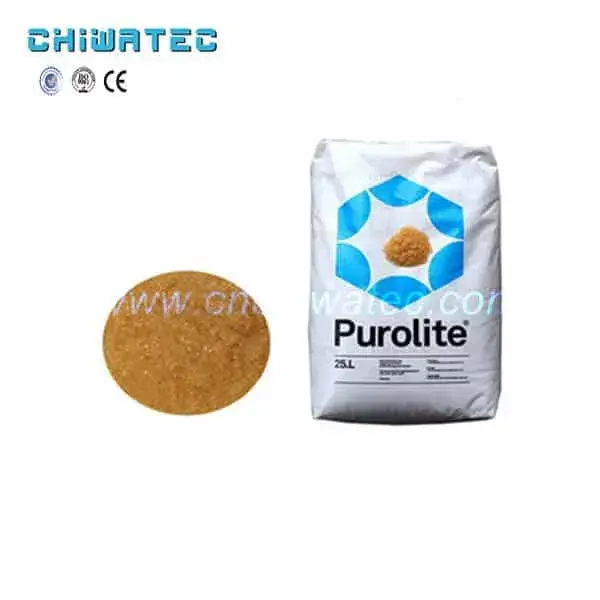
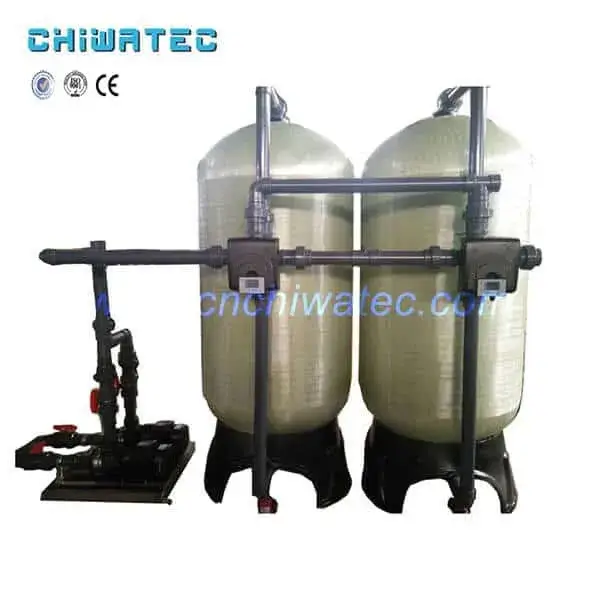
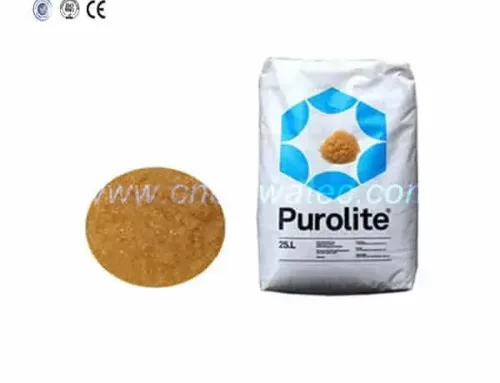
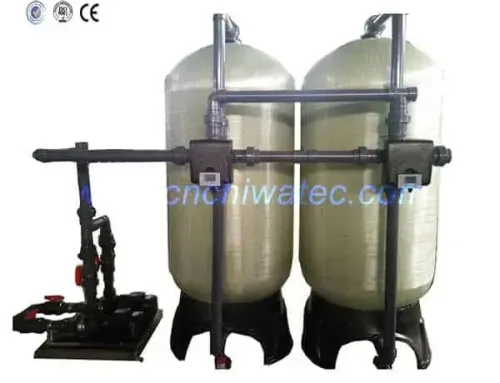
The ion exchange method uses cation and anion resin beds to remove dissolved ionic impurities from pretreated water. This traditional approach remains widely used in small to medium-scale battery manufacturing facilities due to its low capital cost and established reliability.
Process flow: Raw water → Raw water pressure pump → Multi-media filter → Activated carbon filter → Water softener → Precision filter → Cation resin filter bed → Anion resin filter bed → Anion and cation resin mixed bed → Microporous filter → Water point
Key Characteristics
- Water quality: Achieves resistivity up to 18.2 MOmega-cm with well-designed mixed bed polishing
- Advantages: Lowest initial investment, simple operation, small footprint, proven technology with decades of field data
- Disadvantages: Requires frequent chemical regeneration (daily to weekly), high acid/alkali consumption, generates hazardous regeneration wastewater, batch operation during regeneration cycles
- Best suited for: Low-volume battery production lines (below 5 m³/h) and facilities with existing chemical handling infrastructure
3. Two-Stage Reverse Osmosis Method Process Flow
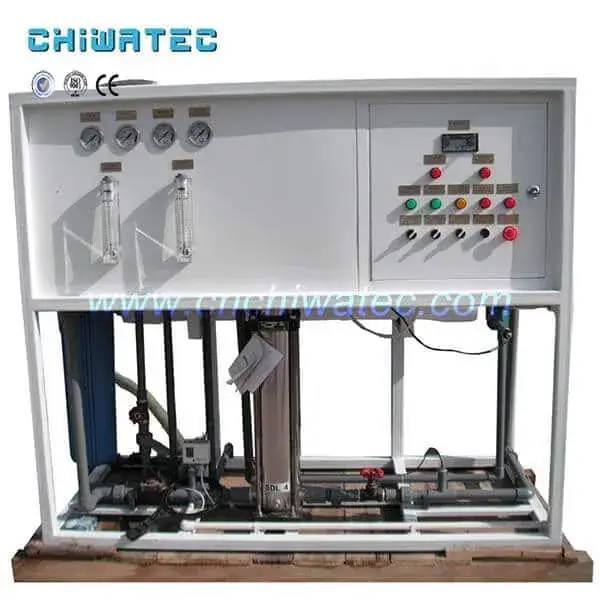
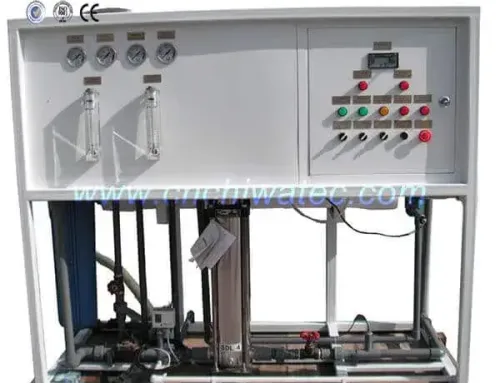
The two-stage reverse osmosis method employs two RO membranes in series to achieve higher purity without chemical regeneration. The second-stage RO membrane typically features a positively charged surface to enhance rejection of ionized species.
Process flow: Raw water → Raw water pressurized pump → Multi-media filter → Activated carbon filter → Water softener → Precision filter → First-stage reverse osmosis → pH adjustment → Intermediate water tank → Second-stage reverse osmosis (positively charged membrane surface) → Purified water tank → Pure water pump → Microporous filter → Water point
Key Characteristics
- Water quality: Achieves resistivity of 1-10 MOmega-cm depending on feed water TDS and RO membrane configuration
- Advantages: No chemical regeneration required, continuous operation, lower operating cost than ion exchange, no hazardous chemical waste
- Disadvantages: Higher capital cost than ion exchange, RO membranes require periodic cleaning and replacement every 2-4 years, water recovery limited to 65-75%, cannot consistently achieve 18.2 MOmega-cm without additional polishing
- Best suited for: Medium-volume battery production lines (5-20 m³/h) where 1-10 MOmega-cm water quality is acceptable
4. Reverse Osmosis + EDI Method Process Flow
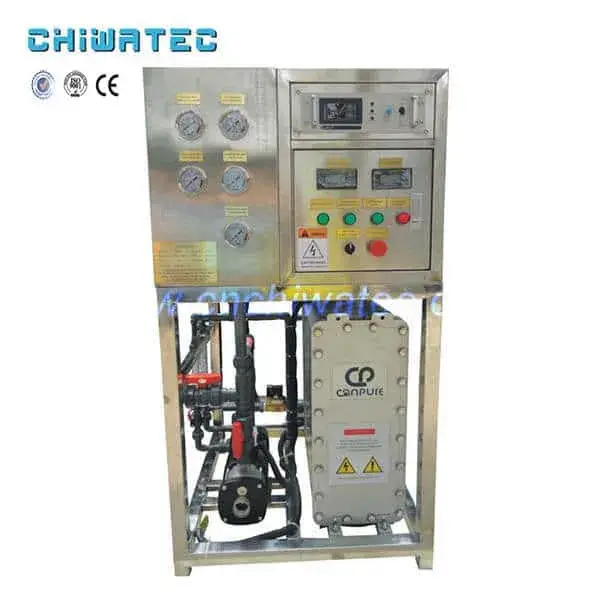
The RO + EDI process combines reverse osmosis pretreatment with electrodeionization for chemical-free production of high-purity water. This is the most advanced and environmentally friendly method for battery pure water treatment.
Process flow: Raw water → Raw water pressurized pump → Multi-media filter → Activated carbon filter → Water softener → Precision filter → Primary reverse osmosis → Intermediate water tank → Intermediate water pump → EDI system → Microporous filter → Water point
Key Characteristics
- Water quality: Consistently achieves 18.2 MOmega-cm with TOC below 5 ppb
- Advantages: No chemical regeneration, continuous 24/7 operation, environmentally friendly (no hazardous waste), stable water quality regardless of feed fluctuations, lowest long-term operating cost
- Disadvantages: Highest initial investment, requires well-designed RO pretreatment for EDI feed water, EDI module replacement every 5-10 years
- Best suited for: Medium to large-scale battery production lines (above 10 m³/h) and facilities requiring 18.2 MOmega-cm water quality with minimal environmental impact
5. Comparison of Battery Pure Water Treatment Methods
| Parameter | Ion Exchange | Two-Stage RO | RO + EDI |
| Effluent resistivity | Up to 18.2 MOmega-cm | 1-10 MOmega-cm | 18.2 MOmega-cm |
| Initial investment | Low | Medium | High |
| Operating cost | High (chemicals) | Medium | Low |
| Chemical regeneration | Required (daily-weekly) | Not required | Not required |
| Continuous operation | Batch (downtime for regeneration) | Continuous | Continuous |
| Environmental impact | Hazardous chemical waste | Minimal (RO brine) | Minimal (RO brine) |
| Water recovery | 75-85% | 65-75% | 65-75% (RO) + 90-95% (EDI) |
| Maintenance complexity | Moderate | Moderate-high | Low-moderate |
| Membrane/module replacement | N/A (resin 5-10 yrs) | RO membranes 2-4 yrs | RO 2-4 yrs, EDI 5-10 yrs |
6. Key Factors in Process Selection for Battery Manufacturing
- Required water quality: Battery types requiring 18.2 MOmega-cm (lithium-ion, advanced lead-acid) need RO + EDI or ion exchange with mixed bed polishing. If 1-10 MOmega-cm is acceptable, two-stage RO is sufficient.
- Production volume: Below 5 m³/h — ion exchange may be most economical. 5-20 m³/h — two-stage RO offers good value. Above 10 m³/h — RO + EDI provides lowest total cost of ownership.
- Feed water TDS: High TDS feed water favors RO-based processes to reduce chemical consumption and extend resin life in ion exchange systems.
- Environmental compliance: Facilities subject to strict wastewater discharge regulations benefit from the chemical-free RO + EDI approach, eliminating acid/alkali neutralization and disposal costs.
- Capital vs. operating budget: Ion exchange minimizes upfront cost but maximizes chemical expense. RO + EDI has the highest initial investment but lowest lifetime operating cost.
- Automation requirements: RO + EDI systems offer the highest level of automation with minimal operator intervention, while ion exchange requires regular chemical handling and regeneration monitoring.
Frequently Asked Questions
Q1: What water quality does battery manufacturing require?
Most battery manufacturing processes require water with resistivity of 1-18.2 MOmega-cm and conductivity below 1 microS/cm. Lithium-ion battery production typically demands 18.2 MOmega-cm water for electrolyte preparation and electrode coating, while lead-acid battery manufacturing may accept lower purity levels.
Q2: Can two-stage RO alone meet battery pure water requirements?
Two-stage RO can meet the requirements for many battery types where 1-10 MOmega-cm is acceptable. However, for lithium-ion and other advanced battery chemistries requiring 18.2 MOmega-cm water, two-stage RO must be combined with EDI or mixed bed polishing to achieve the target resistivity.
Q3: How often does ion exchange resin need replacement?
Ion exchange resin typically lasts 5-10 years with proper maintenance and regular regeneration. The resin life depends on feed water quality, regeneration frequency, and the presence of oxidants or fouling agents in the incoming water.
Q4: Is RO + EDI cost-effective for small battery manufacturers?
For production volumes below 5 m³/h, the higher capital investment of RO + EDI may be difficult to justify. However, when factoring in chemical costs, waste treatment, labor, and downtime for regeneration over a 5-year operating period, RO + EDI can become cost-competitive even at smaller scales.
Q5: What is the typical RO membrane lifespan in battery pure water systems?
With proper pretreatment and regular cleaning, RO membranes in battery pure water systems typically last 2-4 years. Factors affecting membrane life include feed water SDI, chlorine exposure, scaling potential, and operating pressure.
Conclusion and Call to Action
Battery pure water treatment requires careful process selection based on water quality targets, production volume, and budget constraints. The ion exchange method offers the lowest capital entry point, two-stage RO provides chemical-free operation at moderate purity levels, and RO + EDI delivers the highest water quality with the lowest environmental impact. Xi’an CHIWATEC Water Treatment Technology Co., Ltd. specializes in designing and manufacturing battery pure water treatment systems tailored to specific battery production requirements. From small ion exchange units to large-scale RO + EDI installations, CHIWATEC provides complete solutions including pretreatment, RO, EDI, and polishing stages.
For more information about battery pure water treatment systems, contact our technical team:
Email: [email protected] / [email protected]
Related Resources
- RO Pure Water Production Process Flow: Complete Guide to Equipment and Technology
- The Working Principle of Pure Water Machine 2026
- Pure Water vs Ultrapure Water: Key Differences and Applications
- RO Pure Water Equipment Pretreatment and Main Unit: System Configuration
- RO Water Treatment Systems by CHIWATEC
Do you have a water treatment project we can help with
* Designing,machining,installing,commissioning, customize and one-stop service
 English
  Spanish
  Portuguese