Optimizing RO Systems: Analysis of Five Common Pretreatment Processes
In the realm of Reverse Osmosis (RO) systems, the pretreatment process plays a vital role in optimizing performance and ensuring water quality. This article delves into the analysis of five commonly used pretreatment processes tailored to adapt to diverse water sources and seasonal variations.
1. Coagulation and Coagulation Filtration in RO Systems:
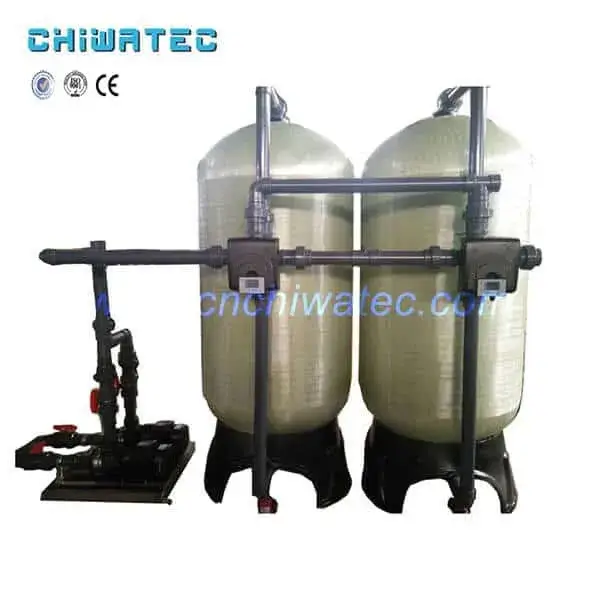
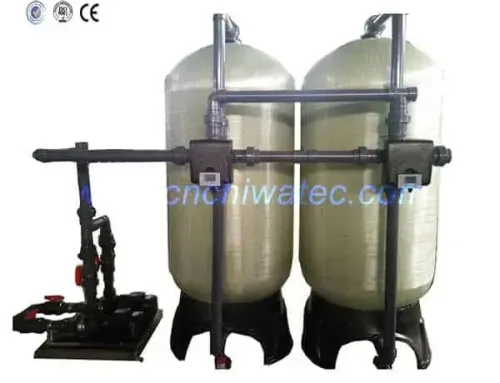
Coagulation targets small particle suspensions and colloids in raw water. For water with turbidity less than 70 degrees, multi-media filtration, utilizing either gravity or pressure filtration, is employed. Unique to coagulation filtration is the use of iron salts as coagulants, proving more effective than aluminum salts in certain scenarios. Designing filters with sufficient water production capacity is essential to account for subsequent process water consumption and the filter’s own backwash water volume.
2. Adsorption in Water Treatment:
Adsorption, utilizing porous solid substances, is effective in purifying water by trapping pollutants on their surfaces. Activated carbon adsorption, derived from materials like coal or wood, proves highly versatile in removing organic compounds, colloids, residual chlorine, color, and odor.
3. Precise Filtration (Security Filtration):
To remove extremely small particles not addressed by conventional sand filtration, precise filtration becomes crucial. Positioned after pressure filters, it ensures that particles, broken filter media, activated carbon, or resins from preceding processes do not contaminate the RO system.
4. Oxidation in RO Pretreatment:
Oxidation, a chemical treatment method, employs strong oxidants to decompose pollutants in water. In RO pretreatment, oxidation primarily targets organic compounds and iron/manganese impurities, ensuring the longevity of RO membranes by preventing fouling.
5. Water Softening Techniques:
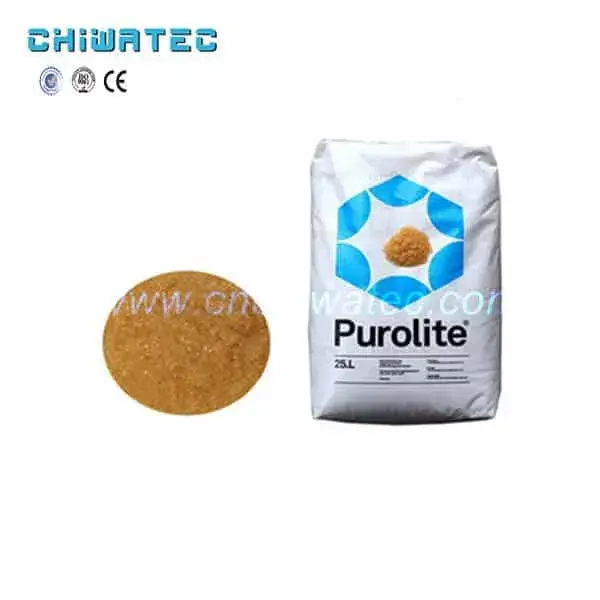
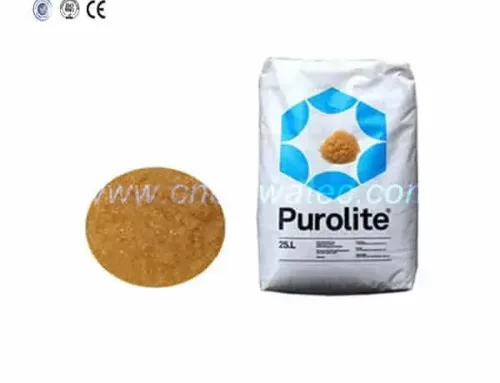
Softening involves the chemical removal of water hardness. Ion exchange softening, a commonly used method, utilizes ion exchange resins to effectively exchange hardness ions like calcium and magnesium with sodium ions, achieving water softening results.
Conclusion
Effective RO pretreatment must meet the following criteria: removing a majority of impurities, adapting to water quality fluctuations, ensuring efficient and stable operation, and simplifying processes to reduce overall investment and operational costs. By understanding and implementing these five pretreatment processes, RO systems can achieve optimal performance, longevity, and water quality stability, catering to varying water sources and environmental conditions.
Xi’an CHIWATEC Water Treatment Technology is a high-tech enterprise specialized in various water processing devices. Aside from these individual products, which cover a number of types and series, we can also help with related comprehensive engineering projects. Thanks to our hard work and dedication upon our founding, we are now one of the fastest-developing water treatment equipment manufacturers in Western China.
Further reading
- Ultrafiltration Membrane Process in Water Treatment Applications – Pretreatment
- Analysis of five commonly used processes for reverse osmosis equipment pretreatment?
- Why does reverse osmosis water treatment technology need pretreatment and what are the commonly used pretreatment processes?
- Introduction to the working principle and pretreatment of ion exchange resin system
- Chiwatec Pretreatment System-Filter Equipment Introduction
- The difference and function of reverse osmosis pure water machine and water dispenser
- Cleaning method for reverse osmosis equipment maintenance
- Revolutionizing Brewing: The Impact of Reverse Osmosis Pure Water in the Brewing Process
FOLLOW US
Do you have a water treatment project we can help with
* Designing,machining,installing,commissioning, customize and one-stop service
 English
  Spanish
  Portuguese