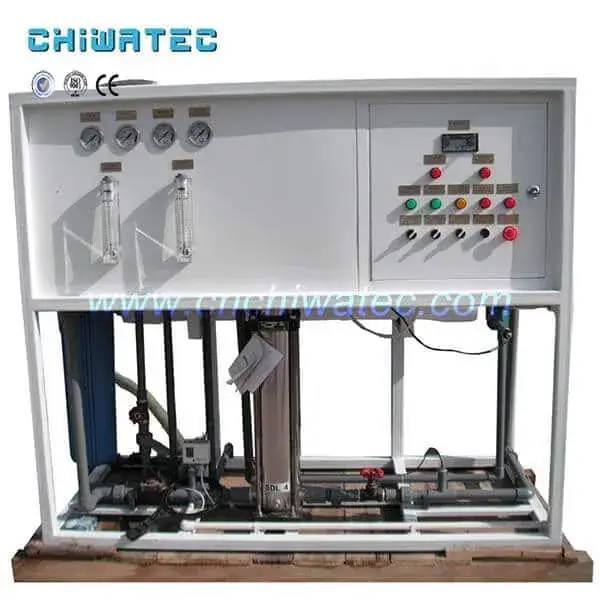
Ultrapure water treatment equipment removes virtually all contaminants from water to achieve resistivity of 18.2 MΩ·cm at 25°C. This comprehensive 2026 guide explains the five core purification technologies: ion exchange, activated carbon adsorption, microfiltration, ultrafiltration, and reverse osmosis. Understanding these working principles helps industries select the right ultrapure water system for semiconductors, pharmaceuticals, power generation, and laboratory applications.
What is Ultrapure Water and Why Does It Matter?
Ultrapure water (UPW) represents the highest purity standard achievable in water treatment. It contains only water molecules and hydrogen/hydroxide ions, with all other contaminants removed to parts-per-billion (ppb) or parts-per-trillion (ppt) levels.
Key Ultrapure Water Quality Parameters (2026 Standards)
| Parameter | UPW Standard | Measurement Method |
|---|---|---|
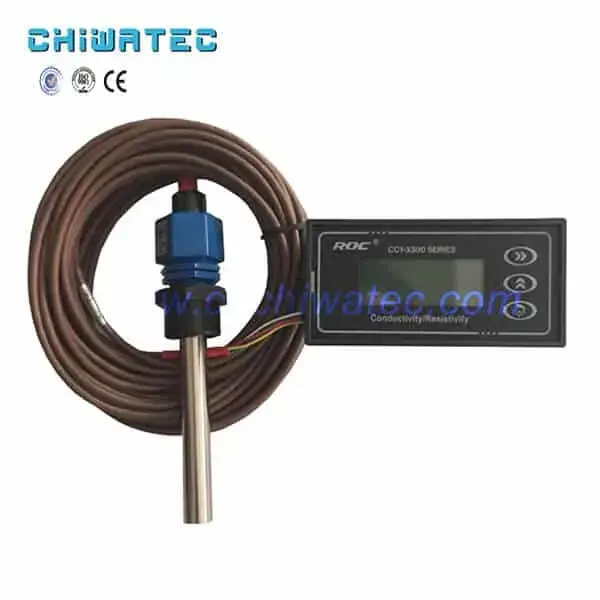
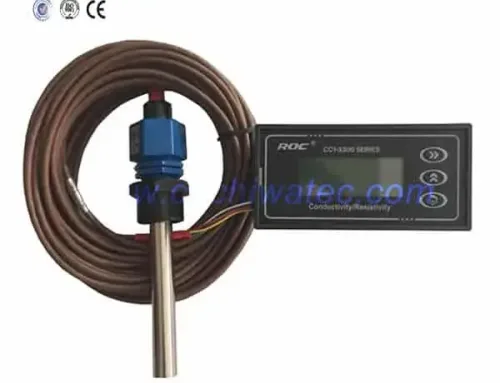
| Resistivity | 18.2 MΩ·cm @ 25°C | Online conductivity meter |
| Total Organic Carbon (TOC) | < 5 ppb | TOC analyzer |
| Particles (>0.1 μm) | < 1 particle/mL | Laser particle counter |
| Bacteria | < 0.01 CFU/mL | Membrane filtration |
| Dissolved Silica | < 0.5 ppb | ICP-MS |
| Endotoxins | < 0.001 EU/mL | LAL test |
The global ultrapure water equipment market reached $4.8 billion in 2025 and is projected to grow at 6.2% CAGR through 2030, driven by semiconductor fab expansions in Asia, pharmaceutical GMP compliance requirements, and increasing power plant efficiency standards.
Core Working Principles of Ultrapure Water Treatment
Modern ultrapure water treatment equipment integrates multiple purification technologies in a carefully engineered sequence. Each technology targets specific contaminants, creating a synergistic system that achieves ultrapure water standards.
1. Ion Exchange Technology
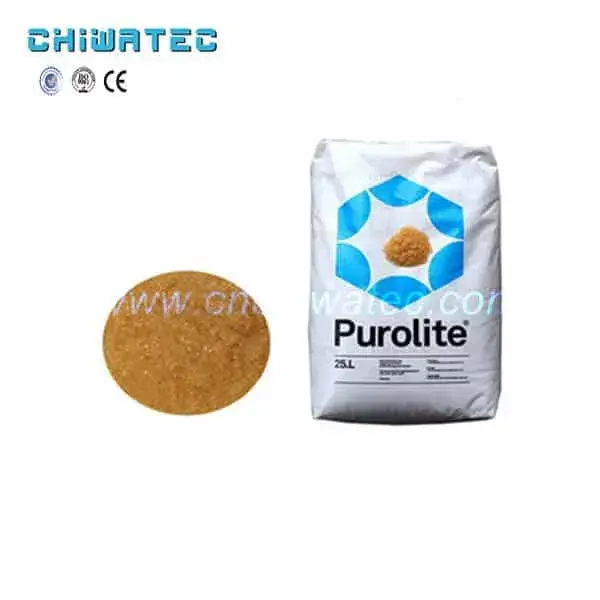
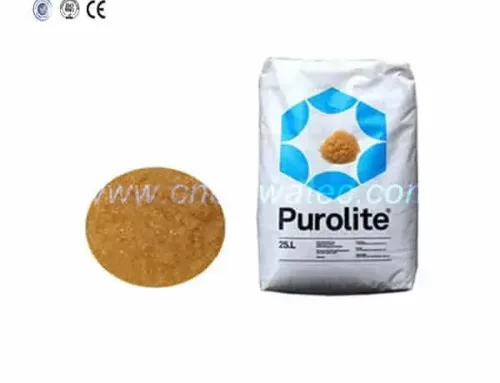
Ion exchange remains the cornerstone of ultrapure water production, removing dissolved ionic contaminants through reversible chemical reactions between water ions and functional groups on resin beads.
How Ion Exchange Resins Work
Ion exchange resins are spherical polymer beads (typically styrene-divinylbenzene copolymer) with fixed ionic functional groups:
- Cation exchange resins: Contain sulfonate groups (-SO₃⁻) that exchange H⁺ ions for cations (Ca²⁺, Mg²⁺, Na⁺, Al³⁺)
- Anion exchange resins: Contain quaternary ammonium groups (-NR₃⁺) that exchange OH⁻ ions for anions (Cl⁻, SO₄²⁻, HCO₃⁻)
The released H⁺ and OH⁻ ions combine to form pure H₂O, achieving demineralization.
Ion Exchange Configurations
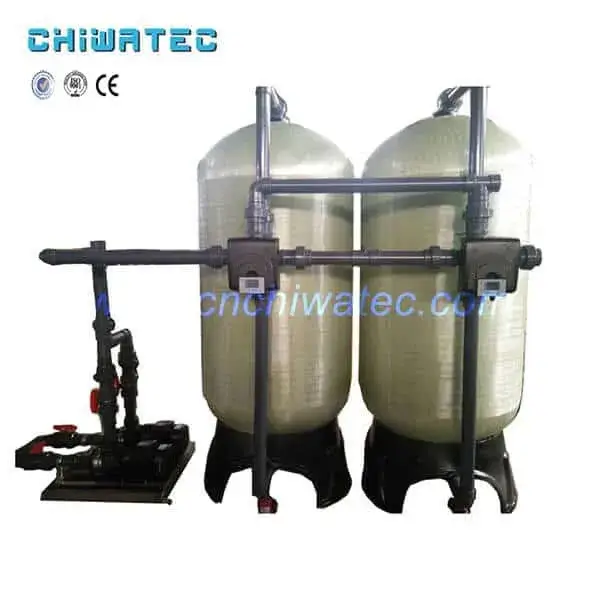
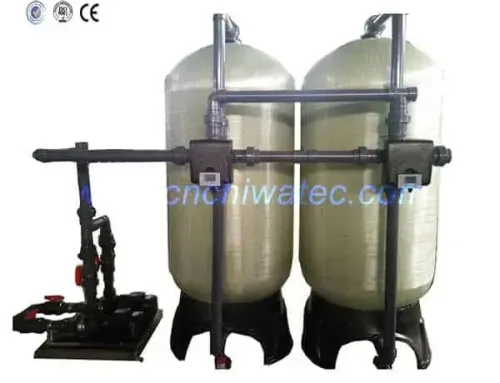
- Separate beds: Cation and anion resins in separate vessels (two-bed system)
- Mixed beds: Cation and anion resins intimately mixed in single vessel (higher purity, up to 18.2 MΩ·cm)
- Electrodeionization (EDI): Continuous ion exchange with electrical regeneration (no chemical regeneration required)
Limitations and Best Practices
Ion exchange effectively removes ions but has limitations:
- Cannot remove non-ionic organic contaminants
- Microorganisms can colonize resin beds, using resin as nutrient source
- Requires periodic regeneration (except EDI systems)
- Best deployed after reverse osmosis pretreatment to extend resin life
Pro tip: For optimal performance, position ion exchange as polishing stage after RO, reducing ionic load by 95-99% before resin contact.
2. Activated Carbon Adsorption
Activated carbon filtration protects downstream purification units by removing organic contaminants and oxidants that would otherwise damage ion exchange resins and RO membranes.
Adsorption Mechanisms
Activated carbon removes contaminants through:
- Pore adsorption: Organic molecules trapped within micropores (0.5-2 nm), mesopores (2-50 nm), and macropores (>50 nm)
- Chemical adsorption: Chlorine and chloramines react with carbon surface, converting to chloride ions
- Catalytic reduction: Certain carbons catalyze decomposition of oxidants
Key Applications in UPW Systems
- Chlorine removal: Protects RO membranes from oxidation (chlorine tolerance < 0.1 ppm)
- TOC reduction: Removes natural organic matter, industrial solvents, pesticides
- Taste and odor control: Eliminates geosmin, MIB, and other taste compounds
- Resin fouling prevention: Removes non-ionic organics that cause "organic fouling" of ion exchange resins
Design Considerations
Activated carbon performance depends on:
- Contact time: Minimum 10-15 minutes empty bed contact time (EBCT) for chlorine removal
- Carbon type: Coal-based for general organics, coconut shell for high microporosity
- Backwashing: Regular backwashing removes trapped particulates and prevents channeling
- Replacement schedule: Typically 12-24 months, or when chlorine breakthrough detected
3. Microfiltration (MF)
Microfiltration removes suspended particles and microorganisms using porous membranes with pore sizes ranging from 0.1 to 10 micrometers (μm).
Three Filtration Mechanisms
- Depth filtration: Random fiber matrix captures particles through adsorption and entrapment (economical, high dirt-holding capacity)
- Screen filtration: Uniform pore structure retains particles larger than pore size on surface (precise, predictable)
- Surface filtration: Multilayer structure accumulates particles within matrix and on surface (high efficiency)
Strategic Placement in UPW Systems
| Location | Pore Size | Purpose |
|---|---|---|
| Pretreatment | 5-20 μm | Protect downstream equipment from large particulates |
| Post-RO | 1-5 μm | Remove any membrane fines or carbon fines |
| Point-of-use | 0.22 μm | Sterilizing filtration, remove bacteria and final particulates |
| Vent filters | 0.22 μm hydrophobic | Prevent airborne contamination of storage tanks |
Performance Characteristics
- Depth filters: Remove >98% suspended solids, economical prefiltration
- Surface filters: Remove >99.99% suspended solids, suitable for clarification
- 0.22 μm membranes: Sterilizing grade, retain all bacteria (used for IV fluids, pharmaceuticals)
4. Ultrafiltration (UF)
Ultrafiltration bridges the gap between microfiltration and reverse osmosis, separating molecules based on molecular weight cutoff (MWCO) rather than simple pore size.
Molecular Sieving Principle
UF membranes act as molecular sieves with MWCO ranging from 1,000 to 500,000 Daltons:
- Retained: Colloids, proteins, bacteria, viruses, pyrogens (endotoxins), high-MW organics
- Permeate: Water, monovalent ions, low-MW organics, sugars
Critical Applications in UPW
- Endotoxin removal: UF membranes (10,000 MWCO) retain pyrogens for pharmaceutical WFI systems
- RO pretreatment: UF reduces SDI (Silt Density Index) to <3, protecting RO membranes from fouling
- Point-of-use polishing: Final UF removes any bacteria or endotoxins introduced in distribution loop
- Resin fines removal: Captures ion exchange resin fragments that could contaminate product water
UF Membrane Configurations
- Hollow fiber: High surface area, self-supporting, backwashable
- Spiral wound: Compact, cost-effective for large flows
- Flat sheet: Easy cleaning, used in sanitary applications
- Tubular: Handles high-solids feeds, easy to clean
5. Reverse Osmosis (RO)
Reverse osmosis is the most cost-effective primary purification technology, removing 90-99% of all contaminants including ions, organics, bacteria, and particles.
Overcoming Osmotic Pressure
RO works by applying pressure (10-25 bar for brackish water, 55-80 bar for seawater) to overcome natural osmotic pressure, forcing water through a semi-permeable membrane while retaining dissolved contaminants.
RO Membrane Rejection Mechanisms
- Solution-diffusion: Water dissolves into membrane polymer and diffuses through
- Charge exclusion: Membrane surface charge repels ions (higher rejection for multivalent ions)
- Size exclusion: Pores (0.0001 μm) physically block molecules >300 Daltons
RO Performance by Contaminant Type
| Contaminant Type | Typical Rejection | Examples |
|---|---|---|
| Multivalent ions | >99% | Ca²⁺, Mg²⁺, SO₄²⁻, PO₄³⁻ |
| Monovalent ions | 95-98% | Na⁺, K⁺, Cl⁻ |
| Organics (MW >300) | >99% | Pesticides, pharmaceuticals, dyes |
| Bacteria & viruses | >99.9% | E. coli, bacteriophages |
| Colloids & particles | >99% | Silica colloids, silt, rust |
RO Membrane Types
- Cellulose acetate (CA): Chlorine-tolerant, lower pressure, limited pH range
- Thin-film composite (TFC): Polyamide active layer, high rejection, broad pH tolerance, chlorine-sensitive
- Low-fouling membranes: Hydrophilic surface reduces organic and biofouling
- Low-energy membranes: Operate at 15-20% lower pressure, reducing energy costs
2026 RO Technology Advances
- Graphene oxide membranes: 2-3x higher flux with same rejection
- Biomimetic membranes: Aquaporin-based, ultra-high water permeability
- Smart monitoring: IoT sensors for real-time flux, pressure, and rejection tracking
- Energy recovery devices: Isobaric chambers recover 95%+ of concentrate pressure energy
Integrated Ultrapure Water System Architecture
Modern UPW systems combine these technologies in optimized sequences. A typical 2026 configuration:
- Pretreatment: Multimedia filter → Activated carbon → Water softener → 5 μm cartridge
- Primary purification: Reverse osmosis (single or double pass)
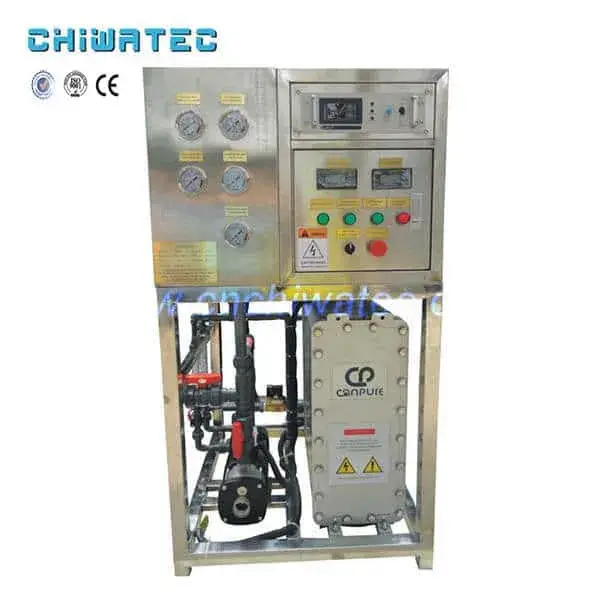
- Polishing: Electrodeionization (EDI) → Mixed bed ion exchange
- Final treatment: UV sterilization (185/254 nm) → 0.22 μm final filter → Point-of-use UF
This multi-barrier approach ensures consistent ultrapure water quality while maximizing component life and minimizing operating costs.
Frequently Asked Questions (FAQ)
What is the difference between pure water and ultrapure water?
Pure water (deionized water) typically has resistivity of 1-10 MΩ·cm, while ultrapure water achieves 18.2 MΩ·cm. UPW also has stricter limits on TOC (<5 ppb), particles, bacteria, and endotoxins. Ultrapure water is required for semiconductor manufacturing and pharmaceutical injections.
How often do ultrapure water system components need replacement?
Replacement schedules vary by application and feedwater quality: RO membranes last 3-5 years, EDI modules 5-10 years, mixed bed resin 1-3 years, UV lamps 8,000-12,000 hours, and final filters 6-12 months. Regular monitoring determines actual replacement timing.
Can ultrapure water be stored long-term?
No. Ultrapure water is highly aggressive and absorbs CO₂ from air, reducing resistivity within hours. It also supports bacterial growth if not properly sanitized. UPW should be produced on-demand or stored in nitrogen-blanketed tanks with continuous recirculation through UV and 0.22 μm filtration.
What industries require ultrapure water?
Major UPW consumers include: semiconductor fabrication (chip rinsing), pharmaceutical manufacturing (WFI, purified water), power plants (boiler feedwater), laboratories (analytical instruments), medical device manufacturing, and solar panel production.
Is reverse osmosis enough to produce ultrapure water?
RO alone produces high-purity water (1-10 MΩ·cm) but not ultrapure water. Achieving 18.2 MΩ·cm requires polishing with EDI or mixed bed ion exchange, plus final treatment with UV, degasification, and sub-micron filtration.
How do I prevent bacterial growth in UPW systems?
Key strategies include: continuous recirculation (velocity >1 m/s), UV sterilization at 254 nm, periodic heat sanitization (80°C for 2 hours), ozone treatment for storage tanks, and maintaining smooth, crevice-free piping (electropolished stainless steel 316L).
Conclusion: Selecting the Right Ultrapure Water Treatment System
Understanding the working principles of ultrapure water treatment equipment enables informed decisions for your specific application. Each technology—ion exchange, activated carbon, microfiltration, ultrafiltration, and reverse osmosis—plays a critical role in achieving ultrapure water standards.
Key selection criteria for 2026:
- Water quality requirements: Match technology to your resistivity, TOC, and microbiological specifications
- Flow rate and capacity: Size system for peak demand with 20-30% margin
- Feedwater quality: Conduct comprehensive water analysis to determine pretreatment needs
- Regulatory compliance: Ensure system meets industry standards (ASTM D5127, USP <645>, SEMI F63)
- Total cost of ownership: Evaluate capital cost, energy consumption, chemical usage, and maintenance
- Automation and monitoring: Modern systems offer PLC control, remote monitoring, and predictive maintenance alerts
Need expert guidance? CHIWATEC provides customized ultrapure water treatment solutions with comprehensive engineering support—from initial design through installation, commissioning, and ongoing maintenance. Contact our water treatment specialists for a free consultation and system proposal tailored to your requirements.
Related Resources
Do you have a water treatment project we can help with
* Designing,machining,installing,commissioning, customize and one-stop service
 English
  Spanish
  Portuguese