Reverse Osmosis Characteristics and Applications 2026: Complete Guide with EDI Equipment Integration
Reverse osmosis (RO) technology has revolutionized water treatment across industries worldwide. With advantages including compact equipment configuration, small footprint, high water production efficiency, and low energy consumption, RO systems have been adopted in virtually all sectors requiring purified water. This comprehensive guide examines reverse osmosis characteristics, RO applications, and the critical association with EDI (Electrodeionization) equipment for ultra-pure water production in 2026.
According to 2025 industry data, the global reverse osmosis market reached $24.8 billion, with RO-EDI integrated systems accounting for 42% of new ultra-pure water installations in pharmaceutical, electronics, and power generation industries. The combination of RO pretreatment with EDI technology has entered a new water treatment era characterized by superior water quality, elimination of chemical regeneration, and continuous stable operation.
Key Characteristics of Reverse Osmosis Technology
Reverse osmosis method offers multiple technical advantages that have driven its widespread adoption across industries.
Compact Equipment Configuration
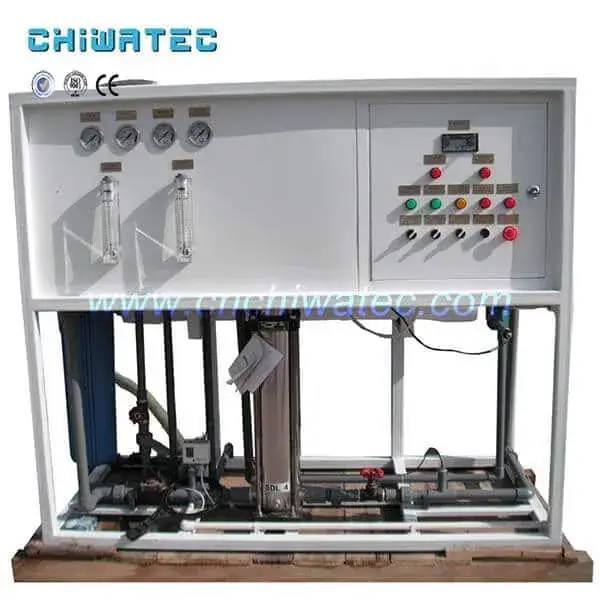
RO systems feature modular design with minimal space requirements:
- Small Footprint: Compact skid-mounted designs require 40-60% less floor space compared to traditional ion exchange systems
- Modular Expansion: Capacity can be increased by adding membrane vessels without major reconstruction
- Vertical Integration: Multi-stage systems can be stacked vertically to minimize footprint
- Containerized Options: Complete RO plants available in shipping containers for remote or temporary installations
Energy Efficiency and Low Operating Costs
RO technology delivers exceptional energy efficiency:
- Low Energy Consumption: Modern RO systems consume 3-4 kWh per cubic meter of product water for brackish water desalination
- Energy Recovery Devices: Isobaric pressure exchangers recover up to 96% of concentrate stream energy in seawater applications
- High-Pressure Pump Efficiency: Variable frequency drives (VFD) optimize pump operation based on demand
- No Phase Change: Unlike distillation, RO operates without phase change, significantly reducing energy requirements
Advanced Membrane Filtration Mechanism
RO membrane technology combines multiple separation mechanisms:
- Pressure-Driven Separation: Operates at pressures exceeding osmotic pressure (150-1000 PSI depending on feedwater TDS)
- Capillary Action: Water molecules pass through membrane capillaries while dissolved solids are rejected
- Sieving Effect: 0.0001 micron pore size physically blocks contaminants larger than water molecules
- Solution-Diffusion Model: Water dissolves into membrane polymer and diffuses through to permeate side
Contaminant Removal Capabilities:
- Dissolved salts: 95-99.9% rejection (depending on membrane type)
- Bacteria: >99.9% removal
- Viruses: >99.9% removal
- Pyrogens/endotoxins: >99% removal
- Organic molecules (>200 Daltons): >99% removal
- Heavy metals: 95-99% removal
Applications of Reverse Osmosis Systems
RO technology serves diverse applications across multiple industries.
Seawater and Brackish Water Desalination
RO desalination represents the largest application segment:
- Seawater RO (SWRO): Produces fresh water from seawater (35,000-45,000 ppm TDS) at 8-15 bar operating pressure
- Brackish Water RO (BWRO): Treats groundwater with 1,000-10,000 ppm TDS at lower pressures (10-25 bar)
- Municipal Water Supply: Over 300 million people worldwide depend on RO-desalinated water for daily consumption
- Island and Coastal Communities: Primary water source where freshwater is scarce
Boiler Feedwater Pretreatment
RO pretreatment is essential for industrial boiler operations:
- Scale Prevention: Removes hardness ions (Ca²⁺, Mg²⁺) that cause boiler scale formation
- Corrosion Control: Reduces dissolved oxygen and corrosive ions
- Blowdown Reduction: Higher purity feedwater allows reduced blowdown, saving energy and water
- Steam Quality: Produces higher quality steam for turbines and process applications
- Industry Applications: Power plants, refineries, chemical processing, food and beverage
Ultra-Pure Water Production
RO as pretreatment for ultra-pure water (UPW) systems:
- Electronics Industry: Semiconductor manufacturing requires 18.2 MΩ·cm resistivity water
- Pharmaceutical: USP Purified Water and Water for Injection (WFI) production
- Power Generation: High-pressure boiler feedwater for supercritical units
- Laboratory: Analytical instrumentation and research applications
Ion Exchange Pretreatment
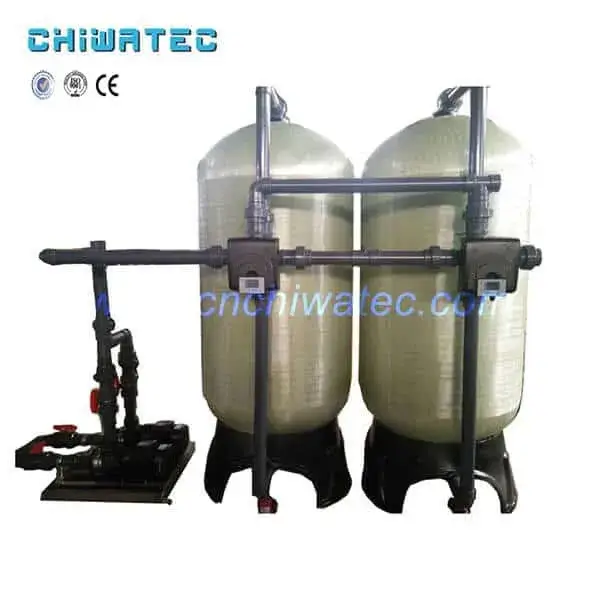
RO before ion exchange provides critical benefits:
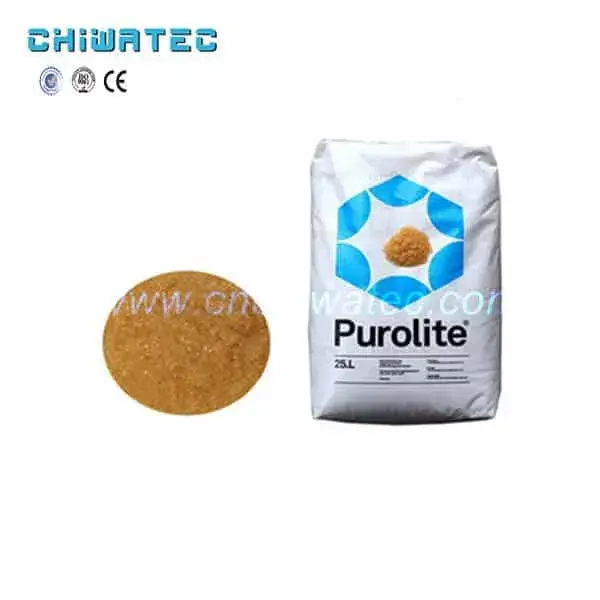
- Extended Resin Life: Reduces ionic loading on ion exchange resins by 90-95%
- Reduced Regeneration: Fewer regeneration cycles lower chemical consumption and wastewater
- Contaminant Removal: Removes bacteria, particles, and organics that foul ion exchange resins
- System Economics: Lower total cost of ownership compared to ion exchange alone
Drinking Water Purification
RO for drinking water has gained widespread acceptance:
- Tap Water Treatment: Removes chlorine byproducts, heavy metals, and emerging contaminants
- Space Water: High-purity drinking water (commonly called “space water” in Asia)
- Bottled Water Production: Major bottled water brands use RO as primary treatment
- Health Conscious Consumers: Growing preference for pure water over mineral water in developed countries
- Point-of-Use Systems: Residential and commercial under-sink RO units
RO-EDI Integration: The Future of Ultra-Pure Water
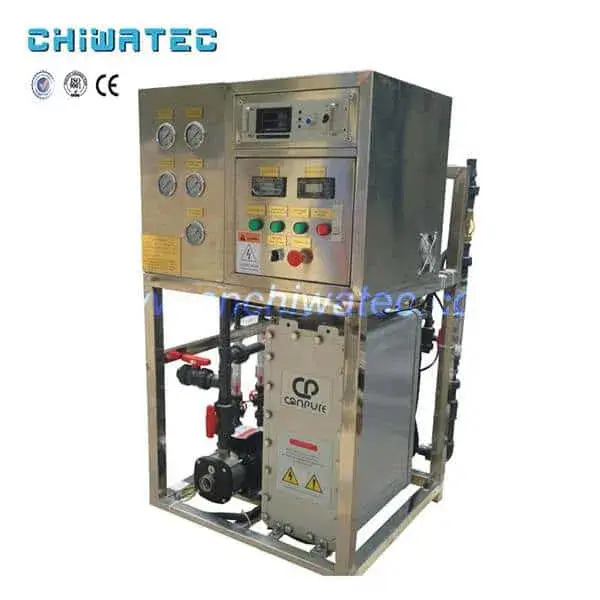
The combination of reverse osmosis with EDI (Electrodeionization) technology represents the most significant advancement in ultra-pure water production for industrial applications.
What is EDI Technology?
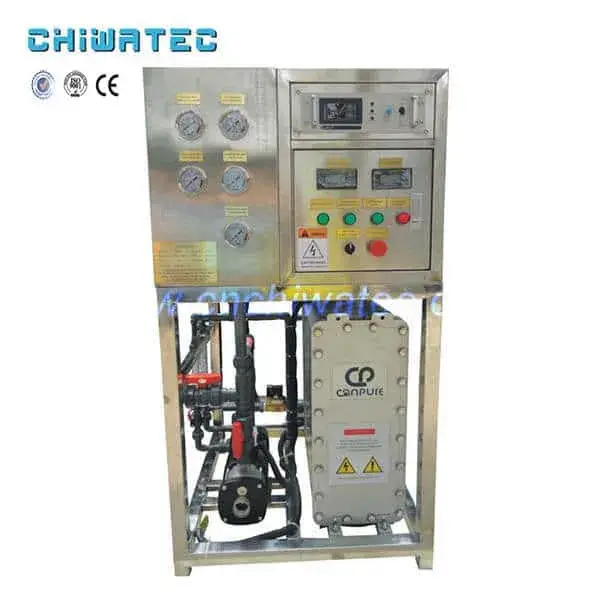
Electrodeionization (EDI) is an advanced water polishing technology that combines ion exchange resins with ion-selective membranes and electrical current:
- Continuous Operation: No chemical regeneration required—operates continuously for years
- Electrical Regeneration: DC current continuously regenerates ion exchange resins in place
- Ion-Selective Membranes: Cation and anion membranes concentrate ions in waste stream
- Ultra-High Purity: Produces water with 15-18.2 MΩ·cm resistivity
Why RO is Essential for EDI Systems
RO pretreatment is mandatory for successful EDI operation:
- Feedwater Quality: EDI requires low TDS feedwater (<50 ppm, ideally <10 ppm)
- Hardness Removal: RO removes Ca²⁺ and Mg²⁺ that would scale EDI modules
- CO₂ Reduction: RO removes dissolved CO₂ that reduces EDI efficiency
- Organic Removal: RO removes organics that foul EDI resin and membranes
- Typical Configuration: Two-pass RO or single-pass RO + degasification before EDI
RO-EDI System Advantages
Integrated RO-EDI systems offer compelling benefits over traditional ion exchange:
- No Chemical Regeneration: Eliminates hazardous acid and caustic handling and storage
- Continuous Operation: No downtime for regeneration—24/7/365 operation
- Stable Water Quality: Consistent 15-18.2 MΩ·cm resistivity without quality degradation
- Environmental Benefits: No chemical discharge, reduced wastewater volume
- Lower Operating Costs: Reduced labor, chemical, and disposal costs
- Automation: Fully automated operation with minimal operator attention
- Compact Footprint: Smaller than equivalent ion exchange systems
Typical RO-EDI System Configuration
Standard ultra-pure water train:
- Pretreatment: Multimedia filter → Activated carbon → Water softener
- First-Pass RO: Removes 95-98% of dissolved solids
- Second-Pass RO: Further purifies to <10 ppm TDS
- Degasification: Removes CO₂ (optional, improves EDI performance)
- EDI Module: Polishes to 15-18.2 MΩ·cm resistivity
- Polishing: UV sterilization → 0.2 micron filtration → Distribution
2026 Industry Trends and Market Outlook
The reverse osmosis and EDI industry continues evolving with technological innovations and market expansion:
- High-Efficiency Membranes: Next-generation RO membranes achieve 99.9% salt rejection with 30% lower operating pressure
- Graphene Oxide Membranes: Emerging technology promising 50% higher flux with equivalent rejection
- Smart RO Systems: IoT-enabled monitoring with predictive maintenance and remote diagnostics
- Energy Recovery: Advanced pressure exchangers achieving 98% energy recovery in SWRO applications
- Hybrid RO-EDI Systems: Integrated skids with factory optimization reducing field installation by 60%
- Zero Liquid Discharge (ZLD): RO-EDI integration with evaporators/crystallizers for complete water recovery
Market analysts project the global RO-EDI system market will reach $4.2 billion by 2030, driven by semiconductor fab expansions, pharmaceutical GMP requirements, and power plant efficiency mandates.
Conclusion
Reverse osmosis technology has fundamentally transformed water treatment across industries through its compact configuration, energy efficiency, and superior contaminant removal capabilities. From seawater desalination to ultra-pure water production, RO systems have become the cornerstone of modern water purification.
The integration of RO with EDI technology represents the pinnacle of industrial water treatment, delivering continuous ultra-pure water production without chemical regeneration. This combination has entered a new era characterized by exceptional water quality, environmental sustainability, and operational excellence.
As RO membrane technology advances and EDI systems become more sophisticated, the future of water treatment promises even greater efficiency, reliability, and accessibility for industries worldwide.
FAQ
1. What is the difference between RO and EDI?
RO (Reverse Osmosis) uses pressure-driven membrane filtration to remove 95-99% of dissolved solids. EDI (Electrodeionization) uses ion exchange resins, ion-selective membranes, and electrical current to polish RO permeate to ultra-high purity (15-18.2 MΩ·cm). RO is pretreatment; EDI is final polishing. They work together in integrated systems.
2. Why is RO required before EDI?
EDI modules require low TDS feedwater (<50 ppm) to function properly. RO reduces TDS by 95-99%, removes hardness that would scale EDI, eliminates organics that foul EDI resins, and removes CO₂ that reduces EDI efficiency. Without RO pretreatment, EDI would fail rapidly due to fouling and scaling.
3. What industries use RO-EDI systems?
Primary industries include: semiconductor/electronics manufacturing (chip fabrication), pharmaceutical (purified water and WFI), power generation (high-pressure boiler feedwater), cosmetics manufacturing, laboratory water systems, and food/beverage processing requiring ultra-pure water.
4. How much energy does RO desalination consume?
Modern seawater RO consumes 3-4 kWh per cubic meter of product water. With energy recovery devices, this can be reduced to 2.5-3 kWh/m³. Brackish water RO requires less energy (1-2 kWh/m³) due to lower operating pressures. This is 10-20 times more efficient than thermal desalination.
5. Can RO remove bacteria and viruses?
Yes. RO membranes have 0.0001 micron pores—bacteria (0.5-5 microns) and viruses (0.02-0.3 microns) are physically blocked. RO achieves >99.9% removal of bacteria and viruses without chemical disinfection, making it highly effective for microbiological contamination control.
Do you have a water treatment project we can help with
* Designing,machining,installing,commissioning, customize and one-stop service
 English
  Spanish
  Portuguese