What Is the Difference Between Pure Water and General Untreated Water? 2026
Pure water and general untreated water differ fundamentally in their chemical composition, taste, and suitability for drinking, cooking, and industrial use. Understanding pure water vs untreated water benefits helps consumers and businesses make informed decisions about water treatment. Pure water — produced through reverse osmosis or distillation — contains virtually no dissolved solids, while untreated tap or well water carries minerals, chlorine, organic compounds, and potential contaminants that affect both taste and safety.
What Is Pure Water vs Untreated Water
Pure water, also known as purified or demineralized water, is water that has been treated to remove dissolved solids, minerals, organic compounds, and microorganisms. The most common method for producing pure water is reverse osmosis (RO), which forces water through a semi-permeable membrane that rejects 90-99% of dissolved contaminants. Distillation and deionization are alternative methods that achieve similar purity levels.
General untreated water — whether from municipal tap water systems, wells, or surface sources — contains varying levels of dissolved minerals (calcium, magnesium, sodium), residual disinfectants (chlorine, chloramine), organic matter, and potentially heavy metals or microbial contaminants. The specific composition depends on the source water and local treatment practices. For a detailed comparison of treatment technologies, see RO pure water machines vs water dispensers.
Pure Water vs Untreated Water Benefits Comparison
The pure water vs untreated water benefits become clear when comparing key quality parameters side by side:
| Parameter | Pure Water (RO/Distilled) | General Untreated Water |
| TDS (Total Dissolved Solids) | 0-10 mg/L | 100-500 mg/L (varies by source) |
| Chlorine/Chloramine | None | 0.5-4 mg/L (municipal supply) |
| Taste and Odor | Clean, neutral, no aftertaste | Chlorine taste, mineral aftertaste possible |
| Heavy Metals | Removed (99%+) | Present in varying levels |
| Microorganisms | Removed (RO: 99.9%) | May contain bacteria or cysts |
| Brewing/Cooking Quality | Excellent — enhances natural flavors | May alter taste of beverages and food |
Taste and Drinking Experience with Pure Water
Pure water tastes very good because it is completely free from impurities. Unlike untreated tap water, which often carries a noticeable chlorine taste, metallic aftertaste from dissolved minerals, or earthy notes from organic compounds, pure water has a clean, neutral flavor profile. When drinking pure water raw (unboiled), there is no peculiar smell, and many people notice a subtle glycol-like sweetness at the end of the tongue and throat after drinking — a natural sensation that occurs when taste buds are not masked by contaminants.
This clean taste makes pure water the preferred choice for daily hydration, especially in households where tap water quality varies seasonally. The absence of chlorine also means that the water does not need to be boiled or refrigerated solely for taste improvement, unlike untreated tap water where cooling helps mask the chlorine flavor.
Cooking and Beverage Quality with Pure Water
The benefits of pure water extend far beyond drinking. In culinary applications, the difference between pure and untreated water is immediately noticeable:
- Tea brewed with pure water is particularly mellow and aromatic. The absence of chlorine and minerals allows the tea’s natural compounds to fully dissolve and express themselves. Tea brewed with pure water is also more resistant to over-extraction — it can be brewed for longer without developing bitterness, compared to tea made with ordinary water.
- Coffee and milk beverages similarly benefit from pure water. Coffee brewed with pure water has a cleaner flavor profile with improved aroma clarity, while milk-based drinks avoid any mineral-induced flavor changes.
- Rice cooked with pure water produces fluffier, more evenly cooked grains. The absence of dissolved minerals allows rice to absorb water more consistently, resulting in better texture and a cleaner taste. This effect is particularly noticeable in regions with hard water, where calcium and magnesium can interfere with starch gelatinization.
- Soups, stocks, and sauces made with pure water have a cleaner base flavor, allowing the natural taste of ingredients to come through without interference from water contaminants.
Health Considerations: Pure Water vs Treated Tap Water
A common concern about pure water is whether removing minerals has negative health effects. Scientific consensus confirms that the minerals found in drinking water are primarily inorganic and not efficiently absorbed by the human body. Essential minerals come from food sources — a glass of milk contains more bioavailable minerals than 1,200 cups of mineral water.
On the other hand, untreated tap water can contain contaminants that pose real health risks:
- Chlorine byproducts: Trihalomethanes (THMs) and haloacetic acids (HAAs) form when chlorine reacts with organic matter in water. Long-term exposure is associated with increased cancer risk.
- Heavy metals: Lead, copper, and arsenic can leach from aging pipes or occur naturally in groundwater, with cumulative health effects.
- Microbial contaminants: Cryptosporidium and Giardia cysts are resistant to chlorination and can cause gastrointestinal illness.
Frequently Asked Questions
Is pure water safe for daily drinking?
Yes. Pure water is completely safe and is the standard for bottled water, pharmaceutical production, and laboratory use. It is chemically identical to distilled water and contains no harmful substances.
Does pure water leach minerals from the body?
No. The body maintains mineral homeostasis through complex regulatory mechanisms. Water, whether pure or mineral-containing, does not cause mineral leaching from body tissues. Minerals are absorbed from food through the digestive system.
Can I use pure water in my coffee machine or kettle?
Yes, and it is actually recommended. Pure water prevents scale buildup from hard water minerals, extending the life of coffee machines, kettles, steam irons, and other appliances. Scale buildup is a leading cause of appliance failure in hard water areas.
How can I tell if my water is pure?
A TDS meter provides a quick measurement — pure water reads 0-10 mg/L. Alternatively, the electrolysis test produces no color change in pure water, while untreated water containing dissolved solids will show colored sediments. For a comprehensive reference, see the characteristics of soft and pure water.
Does boiling untreated water make it pure?
No. Boiling kills bacteria and viruses but does not remove dissolved minerals, heavy metals, chlorine, or organic compounds. Boiling actually concentrates dissolved solids as water evaporates. Only membrane filtration (RO) or distillation produces true pure water.
Conclusion
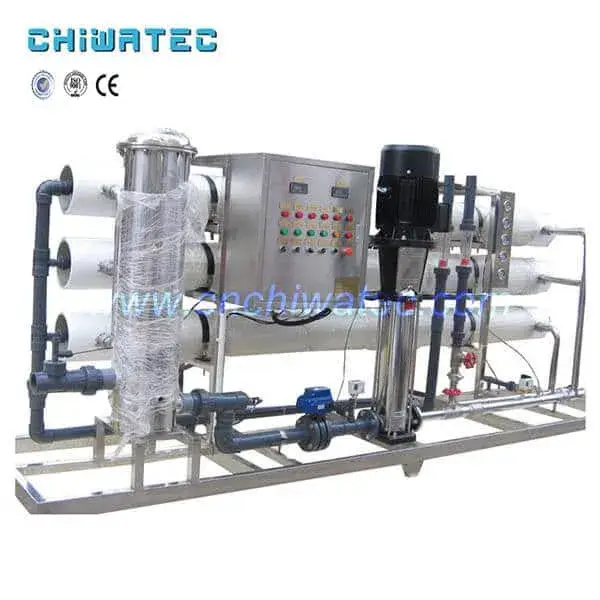
Pure water vs untreated water benefits are clear across taste, cooking quality, and health safety. Pure water delivers a clean, neutral taste that enhances everything from daily hydration to gourmet cooking, while eliminating chlorine, heavy metals, and microbial contaminants. CHIWATEC Water Treatment Technology offers complete RO pure water systems for household and commercial applications. For inquiries, please contact us:
Email: [email protected] / [email protected]
Do you have a water treatment project we can help with
* Designing,machining,installing,commissioning, customize and one-stop service



 English
  Spanish
  Portuguese