Water Purifier Classification by Treatment Method: Complete Guide to Types of Water Purifiers 2026
Understanding water purifier classification by treatment method is essential for selecting the right system for your home or business. Xi’an CHIWATEC provides this comprehensive guide to help you navigate the 11 major types of water purification technologies available in 2026, from reverse osmosis to ultrafiltration and beyond.
Last Updated: May 2026
Why This Guide Matters
The global water purifier market was valued at approximately USD 45.2 billion in 2025 and is expected to reach USD 82.5 billion by 2034, growing at a CAGR of 6.8%. With over 2.2 billion people worldwide lacking access to safely managed drinking water, understanding the different water treatment methods and their applications has never been more critical for making informed purchasing decisions.
Key Industry Trends (2026 Update)
- Smart Water Purifiers: IoT-enabled systems now account for 28% of new installations globally, allowing real-time monitoring of water quality, filter life, and system performance via smartphone apps.
- Sustainability Focus: Manufacturers are developing zero-waste RO systems that reduce water rejection from 3:1 to 1:1 ratio, addressing environmental concerns about water wastage.
- PFAS and Emerging Contaminants: New regulations including US EPA PFAS limits (2024-2026) are driving demand for advanced filtration technologies capable of removing forever chemicals from drinking water.
- Decentralized Treatment: Point-of-use and point-of-entry systems are growing at 9.2% CAGR as consumers seek independent water quality solutions for their homes and communities.
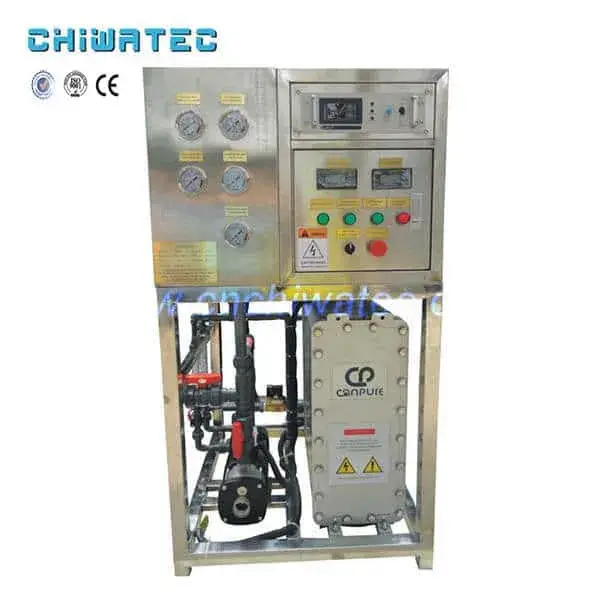
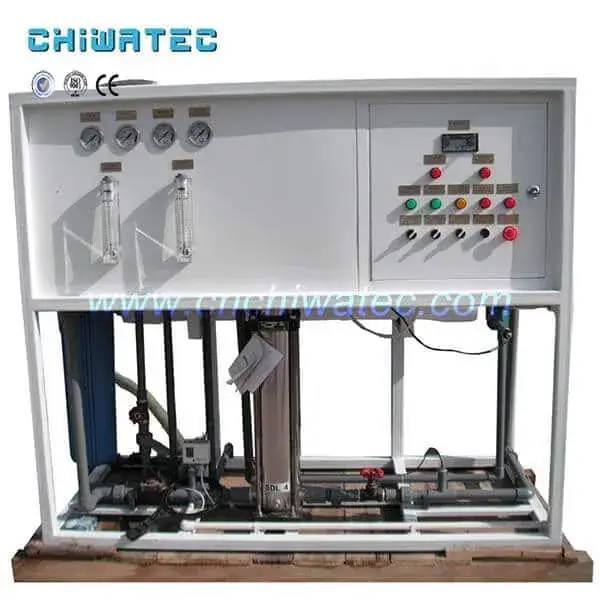
1. What Is Reverse Osmosis Water Purification?
How RO Technology Works
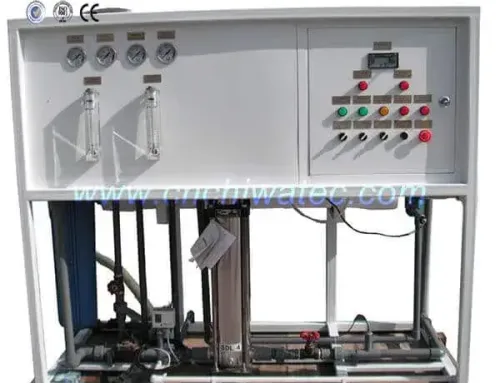
Reverse osmosis (RO) is a membrane separation technology that uses pressure to force water through a semi-permeable membrane that only allows pure water molecules to pass while rejecting 95-99% of dissolved solids, heavy metals, bacteria, and viruses. The system operates at pressures ranging from 4 to 15 bar depending on feed water quality and membrane specifications. Factors such as fluctuating water pressure, membrane lifespan, and pore blockage directly affect effluent quality.
Applications and Limitations
RO technology is widely used in desalination, brackish water treatment, and industrial applications including pharmaceutical water systems and electronics manufacturing. However, it produces wastewater at an average ratio of 1:3 (one cup of pure water produces three cups of reject water), requires electricity, and removes beneficial trace minerals. The membranes also require periodic cleaning and replacement. For a deeper dive into RO principles, see our guide on reverse osmosis pure water equipment process flow.
2. How Does Distillation Compare to Other Methods?
The Distillation Process
Distillation involves boiling water and collecting the steam, which is then cooled and condensed back into liquid form. This method effectively removes bacteria, viruses, heavy metals, and dissolved solids, producing water with a purity of 99.9% or higher. However, distilled water lacks beneficial minerals, and opponents argue that long-term consumption of demineralized water may contribute to mineral deficiencies.
Energy and Cost Considerations
Distillation is among the most energy-intensive purification methods, requiring approximately 0.6-1.0 kWh per liter of treated water. It also cannot remove volatile organic compounds (VOCs) that have boiling points lower than water. These limitations make it less practical for large-scale household use compared to membrane-based systems. Proper operating rules for pure water production equipment are essential regardless of the method chosen.
3. Ultrafiltration vs Microfiltration: What Is the Difference?
Membrane Pore Size and Filtration Range
Microfiltration (MF) uses membranes with pore sizes of 0.1-10 microns, capable of removing suspended solids, bacteria, and large colloids. Ultrafiltration (UF) membranes have smaller pores at 0.01-0.1 microns, allowing removal of viruses, proteins, and macromolecular substances. Both are pressure-driven membrane technologies with working pressures typically around 0.3 MPa for UF systems.
Applications and Trade-offs
UF systems provide higher quality water but have lower flux rates compared to MF systems, meaning they produce water more slowly per unit of membrane area. Neither method removes dissolved salts or minerals. They are commonly used as pretreatment stages in RO systems or as standalone filtration for municipal water supplies with low TDS levels. Learn about maintenance best practices for membrane systems to maximize lifespan.
4. How Does Activated Carbon Adsorption Work?
Three Types of Activated Carbon
Activated carbon adsorption is one of the oldest and most widely used water purification methods. It works through a combination of physical adsorption (trapping contaminants in micropores) and chemical adsorption (functional groups on the carbon surface bonding with contaminants). Three main types are used: granular activated carbon (GAC), silver-infiltrated activated carbon, and fiber activated carbon, each with distinct advantages.
Contaminant Removal Capabilities
Activated carbon effectively removes chlorine, taste, odor, color, and organic compounds. Silver-infiltrated carbon adds bacteriostatic properties, preventing bacterial growth within the filter media and addressing issues like nitrous salt formation in the effluent. Fiber activated carbon offers the highest adsorption rates due to its developed microporous structure and is widely used in industrial applications. For comprehensive diagnosis of water treatment system issues, understanding each filtration stage is critical.
5. What Is the Softening Method and When Is It Used?
Ion Exchange Principles
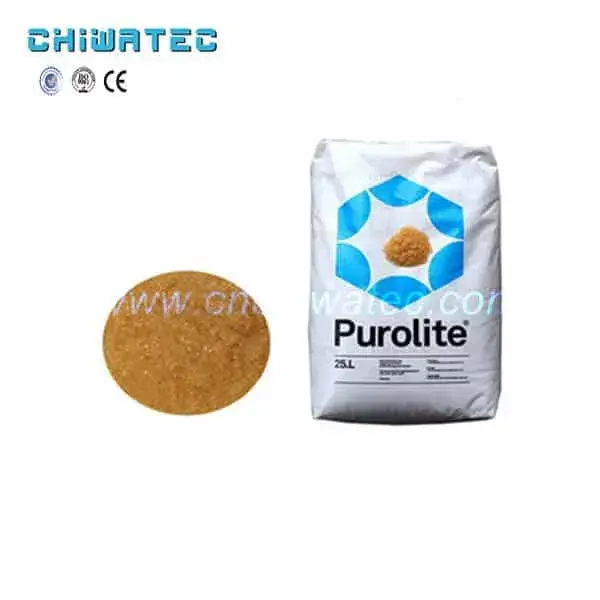
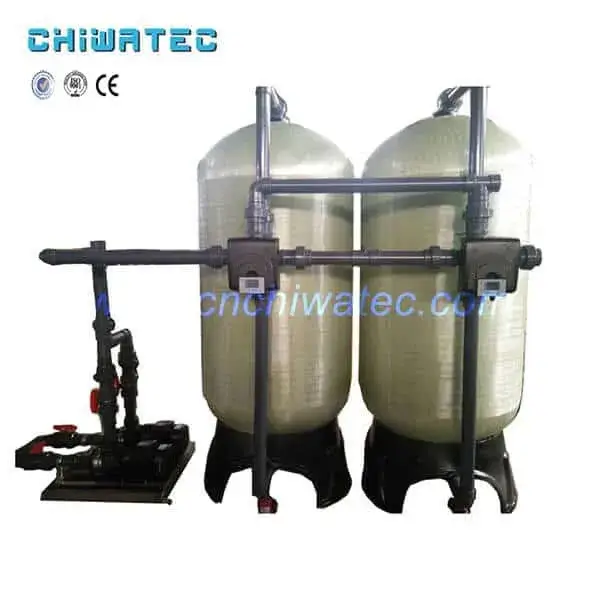
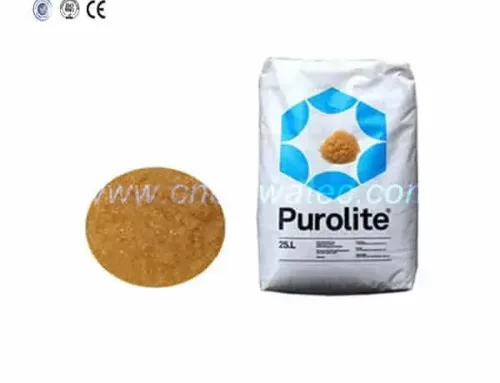
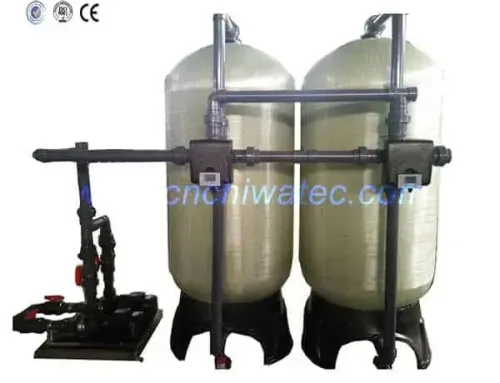
Water softening removes calcium and magnesium ions that cause hardness, scaling, and soap scum. The process uses ion exchange resin beads that swap sodium ions for calcium and magnesium ions. While effective at preventing scale buildup in pipes and appliances, softening does not remove other contaminants and may increase sodium content in the water.
Industrial vs Residential Applications
In residential settings, softeners protect water heaters, dishwashers, and plumbing. In industrial applications, softening is often a pretreatment step before RO systems to prevent membrane scaling. Boiler feed water requires softening to prevent scale formation that reduces thermal efficiency by up to 10-15%. Explore our pollution control methods for RO systems for advanced protection strategies.
6. Mineralization Method: Is Artificial Mineralization Effective?
How Mineralization Works
The mineralization method adds beneficial mineral elements such as calcium, zinc, strontium, and magnesium back into purified water. Commercial water purifiers typically achieve this using mineral stones like medical stone (maifanite) placed in the water path, which slowly release trace elements into the water stream.
The Controversy
The effectiveness of artificial mineralization remains debated in the water treatment industry. Critics argue that the controlled release of minerals is inconsistent and may not provide the same bioavailability as naturally occurring minerals in spring water. Additionally, the quantity and ratio of minerals released depend on water chemistry, flow rate, and temperature, making standardization difficult.
7. Magnetization Method: Does It Really Work?
The Theory Behind Magnetic Water Treatment
Magnetic water treatment passes water through a magnetic field perpendicular to the flow direction, theoretically altering the physical properties of minerals and reducing scale formation. This technology has been used primarily in China, with limited adoption in Western markets.
Scientific Evidence and Industry Position
Current scientific consensus is that magnetic water treatment remains in the preliminary stages of research. Foreign water purifier standards do not include magnetization as a recognized purification method, as magnetized water treatment is considered a medical or wellness claim rather than a proven water purification technique. No major international standards body (NSF, ANSI, WHO) certifies magnetization as an effective water treatment method.
8. Ozone and UV Sterilization: How Effective Are They?
Disinfection Mechanisms
Ultraviolet (UV) sterilization uses UV-C light at 254 nm wavelength to disrupt the DNA of microorganisms, preventing reproduction. Ozone (O3) is a powerful oxidizer that destroys bacteria, viruses, and protozoa through oxidation. Both methods are highly effective for disinfection, achieving 99.99% reduction of pathogens when properly applied.
Critical Limitations
Neither ozone nor UV removes chemical contaminants, heavy metals, dissolved solids, or particulate matter. Additionally, dead bacteria cells remain in the water and can release endotoxins (pyrogens). UV requires clear water for effective penetration, while ozone requires contact time and proper off-gas handling. These methods are best used as part of a multi-stage treatment train. For combined desalination approaches, see our article on RO-ion exchange combined desalination.
9. What Is Electrolyzed Water and How Is It Produced?
The Electrolysis Process
Water electrolyzers (water conditioners), first developed in Japan, first purify water through ultrafiltration and then electrolyze it to produce alkaline and acidic water. Alkaline activated water, with a pH typically between 8.5 and 9.5, is marketed for drinking and health benefits, while acidic water (pH 5.5-6.5) is used for skincare and disinfection.
Cost and Technical Limitations
Electrolyzer systems have high upfront costs, typically USD 1,000-3,000 for residential units. The output pH depends on water chemistry and electrolytic plate condition, and the systems require electricity to operate. The health claims surrounding alkaline water remain controversial, and the World Health Organization does not endorse alkaline water for therapeutic purposes. Laboratories and industries needing precise water quality may prefer established pure water production methods.
10. How to Choose the Right Composite Water Purifier?
Multi-Stage Treatment Systems
Composite water purifiers combine two or more treatment processes, such as activated carbon adsorption plus UV sterilization, or activated carbon plus RO. These multi-stage systems provide comprehensive contaminant removal by leveraging the strengths of each technology while compensating for individual weaknesses. Membrane-based composite purifiers offer excellent removal of microorganisms and are the most popular choice for direct drinking water applications.
Custom Solutions from Industry Leaders
CHIWATEC’s engineering team specializes in designing custom multi-stage water treatment systems tailored to specific feed water conditions and quality requirements. Whether you need a simple carbon filtration system or a complex RO-EDI hybrid for industrial applications, understanding water purifier classification by treatment method is the first step toward selecting the optimal configuration for your needs.
Conclusion
Understanding water purifier classification by treatment method is essential for selecting the right technology for your specific application. Each of the 11 methods discussed above offers distinct advantages and limitations, and the optimal choice depends on your feed water quality, target water standards, budget, and operational requirements. For complex applications or high-purity requirements, multi-stage composite systems typically provide the best balance of performance and cost-effectiveness. Contact CHIWATEC today for expert guidance on selecting and designing the perfect water treatment solution for your needs. Email us at [email protected] or [email protected]. WhatsApp: +86-18066919523.
Frequently Asked Questions
Q1: Which water purifier type is best for home use?
The best type depends on your feed water quality. For municipal water with low TDS, an activated carbon + UF combination is often sufficient. For groundwater or high TDS water, an RO system is recommended. Always test your water first before selecting a purification method.
Q2: Does reverse osmosis remove beneficial minerals?
Yes, RO membranes remove nearly all dissolved solids including beneficial minerals like calcium and magnesium. Many systems include a remineralization stage that adds essential minerals back into the purified water for improved taste and health benefits.
Q3: How often should I replace water purifier filters?
Filter replacement schedules vary by technology: sediment filters every 3-6 months, activated carbon filters every 6-12 months, RO membranes every 2-3 years, and UV lamps annually. Always follow the manufacturer’s recommendations based on your water usage and feed quality.
Q4: Is distilled water safe for long-term drinking?
Distilled water is extremely pure and safe from a microbial perspective, but its lack of minerals has raised concerns about long-term health effects. Most health authorities recommend mineral-balanced water for daily consumption rather than exclusively distilled water.
Q5: What is the most cost-effective water purification method?
Activated carbon filtration offers the lowest cost per liter for basic contaminant removal (chlorine, taste, odor). For comprehensive purification, UF systems provide a good balance of cost and performance. RO systems have higher upfront and maintenance costs but offer the most thorough contaminant removal.
Related Resources and Further Reading
Do you have a water treatment project we can help with
* Designing,machining,installing,commissioning, customize and one-stop service
 English
  Spanish
  Portuguese