Reverse Osmosis Equipment Technical Knowledge: Complete Guide to RO System Technology 2026
Looking for comprehensive technical knowledge about reverse osmosis equipment? This guide covers membrane separation fundamentals, system components, cross-flow filtration principles, and 2026 industry best practices for RO system design and operation. Whether you are new to water treatment or an experienced engineer, this resource provides actionable technical insights backed by current market data. Xi’an CHIWATEC brings decades of expertise in engineering reverse osmosis solutions for industrial and commercial applications worldwide.
*Last Updated: May 2026 | Industry-Verified Technical Data
Why This Guide Matters
The global reverse osmosis membrane market was valued at approximately USD 8.2 billion in 2025 and is projected to reach USD 16.3 billion by 2035, growing at a CAGR of 7.1%. With increasing demand for clean water across municipal, industrial, and commercial sectors, understanding reverse osmosis equipment technical knowledge is critical for engineers, plant operators, and procurement professionals who need to specify, operate, and maintain high-performance RO systems.
Key Industry Trends (2026 Update)
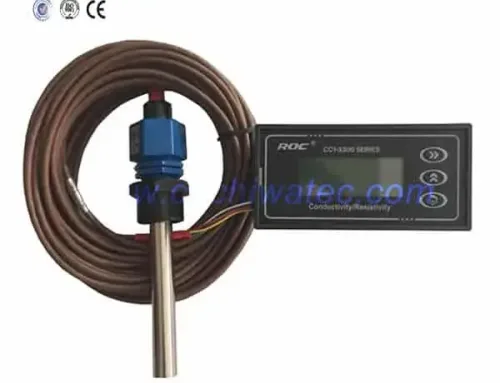
- IoT-Enabled Smart Monitoring: Over 45% of new industrial RO installations in 2025-2026 now incorporate real-time IoT sensors for pressure, flow, conductivity, and temperature monitoring, enabling predictive maintenance and reducing unplanned downtime by up to 30%.
- Low-Energy Membrane Technology: New thin-film composite membranes achieve salt rejection rates of 99.7% while reducing operating pressure requirements by 15-25%, cutting energy consumption to as low as 2.5 kWh per 1,000 gallons of permeate.
- PFAS and Emerging Contaminant Regulations: Updated EPA regulations (2024-2026) and stricter Chinese GB standards are driving demand for RO systems capable of removing per- and polyfluoroalkyl substances, with RO achieving removal rates above 95% for most PFAS compounds.
- Circular Economy in Membrane Management: Membrane recycling and end-of-life recovery programs have expanded globally, with an estimated 20% of replaced RO membranes now being refurbished for secondary applications rather than sent to landfill.
1. What Is Membrane Separation and How Does It Work in RO Systems?
Fundamentals of Selective Permeability
The material world is composed of microscopic units such as atoms, molecules, and cells that coexist in complex mixtures. The second law of thermodynamics reveals that microscopic particles naturally tend toward disorderly mixing. Membrane separation technology relies on a separation membrane — a barrier with selective permeability that allows some molecules or particles to pass through while blocking others. The simplest differentiating factor between molecules is size: in three-dimensional space, particles have distinct dimensions, and membranes contain pores of specific sizes that act as physical sieves.
Pressure-Driven Separation Mechanisms
In reverse osmosis equipment, applied pressure overcomes the natural osmotic pressure of the feed water, forcing water molecules through the semipermeable membrane while dissolved salts, organics, and particulates are retained. The separation efficiency depends on membrane pore size (typically 0.0001 to 0.001 microns for RO), feed water chemistry, operating pressure, and temperature. Understanding these fundamental mechanisms is essential for proper system design and performance optimization.
2. What Is the Difference Between Full-Flow Filtration and Cross-Flow Filtration?
Full-Flow (Dead-End) Filtration
Full-volume filtration, also called direct-flow or dead-end filtration, operates similarly to conventional filter cloth filtration. The processed material enters the membrane assembly, and an equal volume of permeate exits while retained solids accumulate inside. To maintain membrane performance, the retained material must be periodically removed through backwashing — the reverse of the filtration process. Regular backwashing removes deposits from the membrane surface and restores membrane flux. Once membrane components are heavily contaminated, they cannot be disassembled for cleaning; instead, Clean-in-Place (CIP) procedures are typically used for ultrafiltration and microfiltration systems. Most water treatment processes in industrial applications adopt the full-flow filtration mode for pretreatment stages.
Cross-Flow Filtration (RO/NF Standard)
In cross-flow filtration, the feed water flows across the membrane surface at a controlled velocity while permeate passes through the membrane in a perpendicular direction. The majority of retained solids are carried away by the concentrate stream. This design significantly reduces the thickness of the concentration polarization layer on the membrane surface, effectively minimizing membrane fouling. Both reverse osmosis and nanofiltration exclusively use cross-flow filtration methods to maintain stable performance over extended operating periods. For detailed operating procedures for cross-flow RO configurations, consult the equipment manual specific to your system.
3. What Are the Key Components of a Reverse Osmosis Equipment System?
Membrane System Architecture
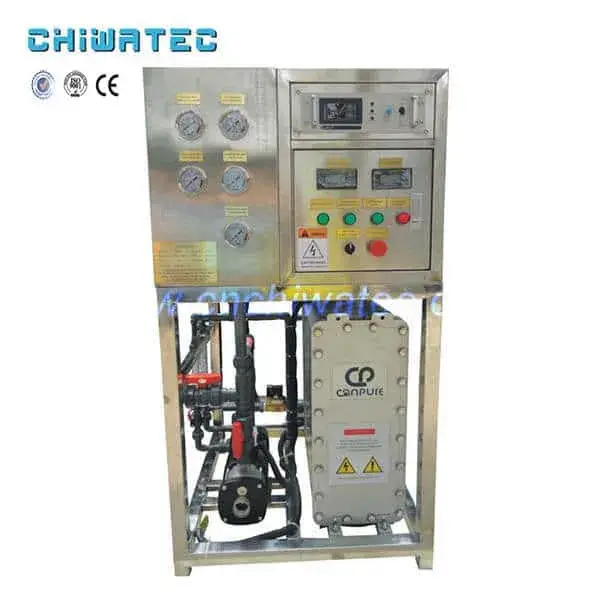
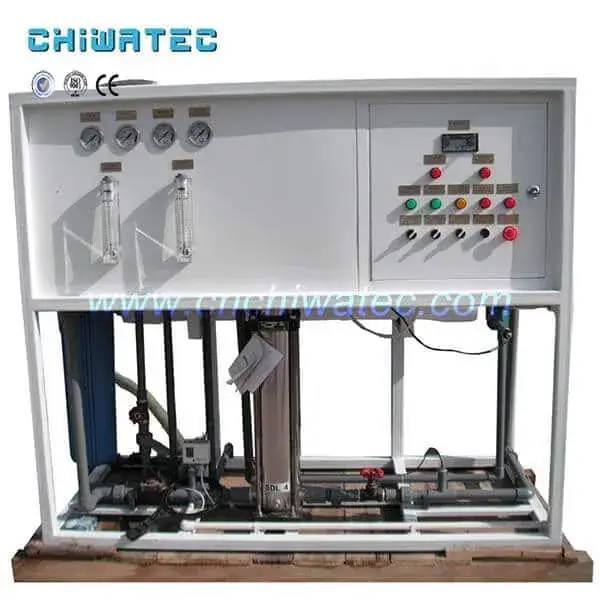
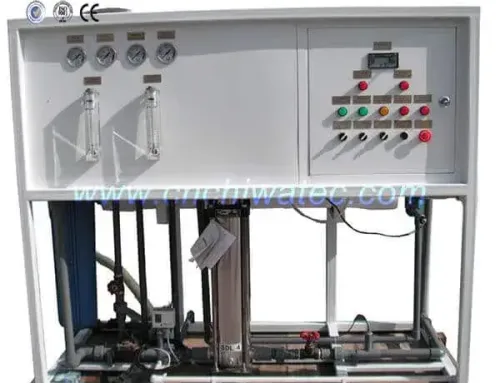
A membrane system refers to the complete membrane separation device unit. Pressure-driven membrane systems consist of five core subsystems: (1) a pretreatment system including multimedia filtration, cartridge filtration, and antiscalant dosing; (2) a high-pressure booster pump that provides the necessary operating pressure (typically 150-600 psi for RO applications); (3) the membrane assembly comprising pressure vessels and spiral-wound membrane elements; (4) piping, valves, and instrumentation for flow control and monitoring; and (5) a control system with PLC-based automation for start-up, shutdown, and alarm management.
Equipment Design Considerations
Proper system design must account for feed water quality, target permeate specifications, recovery rate, temperature variations, and membrane array configuration. CHIWATEC engineers each RO system with precision-matched components to ensure reliable long-term operation. Understanding cleaning methods and maintenance schedules is equally important for preserving membrane lifespan.
4. What Causes Membrane Fouling in Reverse Osmosis Systems?
Types of Membrane Fouling
All raw water sources contain suspended solids and dissolved substances. Suspended matter includes inorganic particles, colloids, microorganisms, algae, and other biological particulates. Dissolved substances include soluble salts (such as sodium chloride) and sparingly soluble salts (such as calcium carbonate, calcium sulfate, and silica). During the reverse osmosis process, feed water volume continuously decreases while the concentration of suspended matter and dissolved substances increases within the membrane elements.
Fouling Mechanisms and Consequences
Suspended particles deposit on the membrane surface, blocking feed water channels and increasing frictional resistance (pressure drop). Sparingly soluble salts precipitate from the concentrated stream and form mineral scale on the membrane surface, reducing permeate flux. This phenomenon — the formation of a deposited layer on the membrane surface — is called membrane fouling. Membrane fouling degrades the performance of the entire membrane system, increasing energy consumption and reducing water production. For comprehensive diagnosis of RO system fouling, regular monitoring of normalized performance data is essential.
5. How Does Cross-Flow Filtration Reduce Concentration Polarization?
The Science Behind Cross-Flow Design
Concentration polarization occurs when rejected solutes accumulate near the membrane surface, creating a high-concentration boundary layer that reduces effective driving pressure and increases salt passage. Cross-flow filtration mitigates this by maintaining a tangential flow velocity of 3-5 inches per second across the membrane surface, continuously sweeping away accumulated solutes before they can form a dense polarization layer.
Operating Parameters for Optimal Performance
The effectiveness of cross-flow in controlling concentration polarization depends on feed flow rate, membrane channel geometry, and recovery rate. Typical RO systems operate at cross-flow velocities that maintain a Reynolds number above 2,000, ensuring turbulent flow conditions that maximize mass transfer away from the membrane surface. Advanced pollution control methods combine cross-flow design with periodic cleaning protocols to maintain long-term membrane performance.
6. What Operating Conditions Affect Reverse Osmosis Equipment Performance?
Critical Process Parameters
RO equipment performance is influenced by several interdependent parameters: (1) Feed water temperature — membrane flux increases approximately 3% per degree Celsius rise in temperature (within the 4-30 degrees C range); (2) Operating pressure — higher pressure increases both permeate flow and salt rejection up to the membrane’s design limits; (3) Feed water salinity — higher TDS levels increase osmotic pressure, requiring higher feed pressure; (4) Recovery rate — higher recovery concentrates rejected salts, increasing scaling potential; and (5) pH levels — most composite polyamide membranes operate optimally between pH 2 and 11.
Monitoring and Control Strategies
Modern RO systems incorporate automated control loops that adjust operating parameters in real time based on feed water quality changes. Data-logging of normalized permeate flow, salt rejection, and pressure differential across stages enables early detection of developing issues. For operators seeking to optimize their existing systems, reviewing the main process flow description provides a foundation for understanding system behavior under varying conditions.
7. How Should RO Membranes Be Maintained for Maximum Lifespan?
Preventive Maintenance Best Practices
Proper maintenance extends RO membrane lifespan from the typical 3-5 years to 7 years or more in well-operated systems. Key practices include: regular cartridge filter replacement (every 1-3 months), antiscalant dosing to prevent mineral scaling, periodic low-pH and high-pH CIP cleaning (every 3-6 months depending on feed water quality), and preservation of membranes during system shutdowns using 1% sodium metabisulfite solution.
Cleaning Triggers and Protocols
Clean membranes when normalized permeate flow drops by 10-15%, salt passage increases by 10-15%, or pressure drop rises by 15% from baseline. Following established maintenance cleaning protocols ensures that deposited foulants are effectively removed without damaging the membrane polymer structure.
8. What Are the Advantages of RO-Ion Exchange Combined Systems?
Synergistic Treatment Benefits
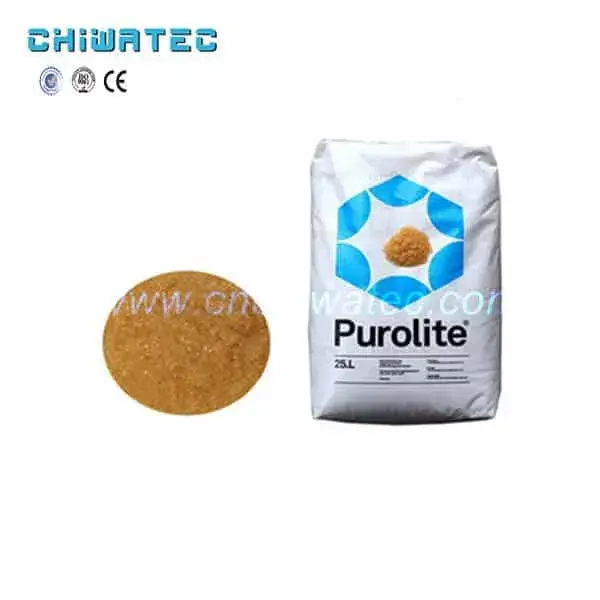
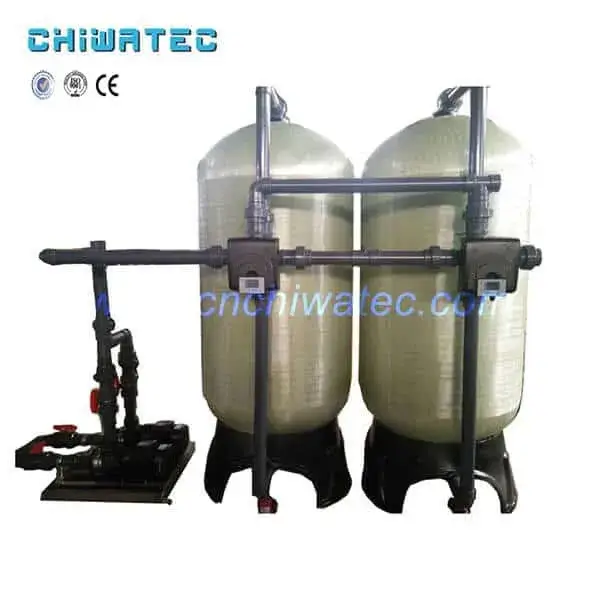
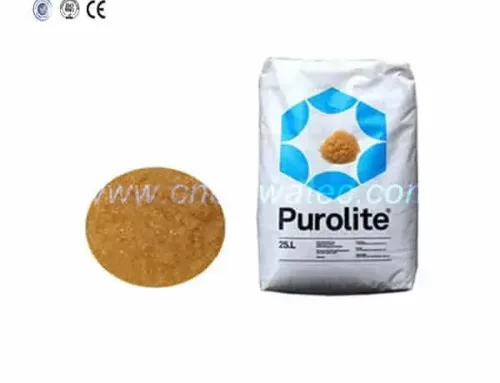
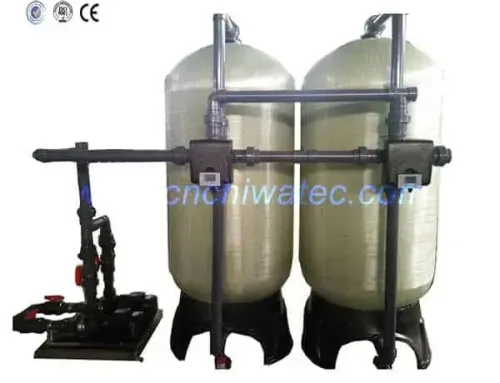
Combining reverse osmosis with ion exchange (IX) creates a treatment train that leverages the strengths of both technologies. RO removes 95-99% of total dissolved solids, significantly reducing the load on downstream ion exchange resins. This extends IX resin life by 5-10 times, reduces chemical regeneration frequency, and minimizes wastewater volume from regeneration cycles. The combined approach is particularly valuable for ultrapure water production in pharmaceutical, semiconductor, and power generation applications.
System Design Considerations
RO-IX hybrid systems can be configured in series (RO followed by mixed-bed IX) or with partial split treatment depending on water quality targets and flow requirements. Understanding the full benefits of this approach through detailed analysis of RO-IX combined desalination helps engineers select the optimal configuration for their specific application.
9. How Is Membrane System Performance Measured and Verified?
Key Performance Indicators
Standard KPI metrics for RO equipment include: (1) Salt Rejection — typically 98-99.7% for new thin-film composite membranes at design conditions; (2) Permeate Flow Rate — measured in gallons per day (GPD) or cubic meters per hour (m3/h); (3) Normalized Flux — permeate flow corrected for temperature and pressure variations; (4) Pressure Drop — differential pressure across each stage; and (5) Recovery Rate — percentage of feed water converted to permeate.
Verification and Commissioning
New RO systems should undergo a 72-hour performance verification test after installation, during which all KPIs are logged and compared against design specifications. Acceptance criteria typically require salt rejection above 97.5%, permeate flow within +/- 10% of design, and pressure drop within design limits. Following standard operating rules during commissioning ensures reliable long-term performance.
10. What Are the Latest Innovations in Reverse Osmosis Equipment Technology?
Energy Recovery Devices
Modern large-scale RO systems incorporate energy recovery devices (ERDs) such as pressure exchangers and turbochargers that capture energy from the high-pressure concentrate stream, reducing overall energy consumption by up to 60%. The latest isobaric ERDs achieve efficiency ratings above 97%, making RO economically viable for brackish water and seawater desalination applications.
Smart Membranes and Digital Twins
Emerging technologies include smart membranes with embedded sensors that monitor flux, rejection, and fouling in real time, and digital twin simulation platforms that allow operators to optimize system performance virtually before implementing changes. CHIWATEC integrates these advanced technologies into custom-engineered RO solutions, helping clients achieve optimal performance while minimizing operating costs. For additional insights, explore the latest pollution control strategies for modern RO systems.
Conclusion
Reverse osmosis equipment technical knowledge continues to evolve as membrane technology advances, regulatory requirements tighten, and digital monitoring becomes standard practice. From membrane separation fundamentals to cross-flow filtration dynamics, fouling mechanisms, and system optimization strategies, a thorough understanding of these principles is essential for anyone involved in water treatment system design, operation, or procurement. Ready to implement a high-performance RO system for your application? Contact Xi’an CHIWATEC today at [email protected] or [email protected] (WhatsApp preferred for international inquiries) to discuss your project requirements and discover how our engineering expertise can deliver reliable, cost-effective water treatment solutions.
Frequently Asked Questions
Q1: How often should RO membranes be replaced?
RO membranes typically last 3-7 years depending on feed water quality, pretreatment effectiveness, and maintenance frequency. In well-maintained systems treating municipal water with proper pretreatment, membranes often achieve 5-7 years of service. Systems treating challenging feed water (high silt density index, high hardness, or biological activity) may require replacement every 2-4 years. Key indicators for replacement include sustained normalized flux decline exceeding 15%, salt rejection dropping below 95%, or increased pressure drop across membrane stages.
Q2: What is the typical operating pressure for reverse osmosis equipment?
Operating pressure depends on feed water salinity and membrane type. Brackish water RO systems typically operate at 150-300 psi (10-21 bar), seawater RO systems at 800-1,200 psi (55-83 bar), and nanofiltration systems at 70-150 psi (5-10 bar). The exact pressure is determined by the membrane manufacturer’s design specifications and the feed water’s osmotic pressure, which increases by approximately 1 psi for every 100 mg/L of TDS above 1,000 mg/L.
Q3: Can reverse osmosis remove bacteria and viruses?
Yes. RO membranes have pore sizes of approximately 0.0001 microns (0.1 nanometers), which is 1,000 times smaller than the smallest bacteria (0.2 microns) and 100 times smaller than most viruses (0.01-0.1 microns). RO achieves a log reduction value (LRV) of 4-6 for bacteria (99.99% to 99.9999% removal) and LRV of 3-5 for viruses. However, RO is not classified as a disinfection barrier — post-treatment UV or chlorination is recommended for final microbial safety in potable water applications.
Q4: What is the difference between reverse osmosis and nanofiltration?
The primary differences are membrane pore size and selectivity. RO membranes have tighter pores (0.0001 microns) and remove 95-99% of total dissolved solids, including monovalent ions like sodium and chloride. Nanofiltration membranes have larger pores (0.001 microns) and selectively remove divalent ions (calcium, magnesium, sulfate) while allowing more monovalent ions to pass. NF operates at lower pressures (70-150 psi versus 150-300 psi for brackish water RO), making it more energy-efficient for applications where partial demineralization is sufficient, such as hardness removal or color reduction.
Q5: How can I tell if my RO membrane is fouled?
Key indicators include: (1) gradual decline in permeate flow while operating conditions remain constant; (2) increase in feed-concentrate pressure drop (differential pressure); (3) decrease in salt rejection efficiency (higher permeate conductivity); (4) visible scaling or biofilm on membrane elements during autopsy; and (5) more frequent need for chemical cleaning. Regular monitoring of normalized performance data against baseline values enables early detection before significant performance loss occurs. Implementing systematic diagnosis procedures helps identify the specific type of fouling and select the appropriate cleaning protocol.
Related Resources and Further Reading
Do you have a water treatment project we can help with
* Designing,machining,installing,commissioning, customize and one-stop service
 English
  Spanish
  Portuguese