Laboratory Water Purifier: Complete Guide to Lab Water Purification Systems (2025)
A laboratory water purifier is a specialized device designed to produce high-purity water for scientific research, analytical testing, and diagnostic applications. Unlike general-purpose water treatment systems, a laboratory water purification system must consistently deliver water that meets stringent ASTM, ISO, and pharmacopeial standards for critical applications such as HPLC, mass spectrometry, cell culture, and molecular biology. The global lab water equipment market was valued at approximately USD 6.8 billion in 2024 and is projected to reach USD 12.4 billion by 2032, growing at a CAGR of 7.8% (Verified Market Research). Modern laboratory water purifiers have evolved significantly from traditional distillation units to sophisticated multi-stage systems integrating reverse osmosis, deionization, and UV oxidation technologies.
Selecting the right laboratory pure water system is a critical decision that directly impacts experimental reproducibility, analytical accuracy, and operational costs. The introduction of Type 1 ultrapure water systems capable of delivering 18.2 MΩ·cm resistivity water on demand has transformed laboratory workflows across pharmaceutical, biotechnology, academic, and clinical research settings. Understanding the different classes of laboratory water purification — from Type III primary-grade water to Type I ultrapure water — is essential for making informed purchasing decisions that align with specific application requirements without overspending on unnecessary capabilities.
What Is a Laboratory Water Purifier?
A laboratory water purifier is a compact water treatment system engineered to remove contaminants — including dissolved ions, organic compounds, bacteria, endotoxins, and particulate matter — from feed water to produce water of defined purity suitable for scientific applications. The first generation of laboratory water purification relied on distillation, which was energy-intensive (consuming approximately 1.5–2.5 kW·h per liter) and produced water with typical resistivity of 1–2 MΩ·cm. Modern lab water equipment represents the second generation, employing a combination of reverse osmosis (RO), ion exchange, activated carbon, and UV technologies to achieve up to 18.2 MΩ·cm resistivity while consuming 90% less energy than distillation for equivalent output volumes. Today’s laboratory water purifiers serve testing centers, research institutes, universities, hospitals, pharmaceutical QC labs, and biotechnology facilities worldwide, providing the precisely controlled water quality required for trace analysis, reagent preparation, and high-sensitivity instrumentation.
Types of Laboratory Water and Purity Standards
ASTM Water Quality Classifications
The American Society for Testing and Materials (ASTM) defines three primary grades of laboratory pure water. Type I (ultrapure water) requires resistivity ≥18.0 MΩ·cm, total organic carbon (TOC) <10 ppb, and bacteria <1 CFU/mL — suitable for HPLC, ICP-MS, and molecular biology. Type II (pure water) requires resistivity ≥1.0 MΩ·cm and TOC <50 ppb — adequate for buffer preparation and general chemistry. Type III (primary grade) requires resistivity ≥0.05 MΩ·cm and TOC <200 ppb — used for glassware rinsing and feed water for higher-grade systems. A quality laboratory water purification system must consistently achieve these specifications regardless of incoming feed water variations.
Pure Water vs. Ultrapure Water: Key Differences
Understanding the distinction between pure water and ultrapure water is critical when selecting a laboratory water purifier. Pure water (Type II, typically 1–15 MΩ·cm) has most dissolved salts removed but may still contain trace organics and bacteria. Ultrapure water (Type I, ≥18.2 MΩ·cm) has virtually all contaminants removed to the detection limits of modern analytical instruments. Many buyers confuse these two grades during procurement, leading to either under-specification (compromising sensitive analyses) or over-specification (unnecessarily increasing equipment and operating costs by 3–5x).
Core Technologies in Laboratory Water Purification
Reverse Osmosis (RO) Pre-treatment
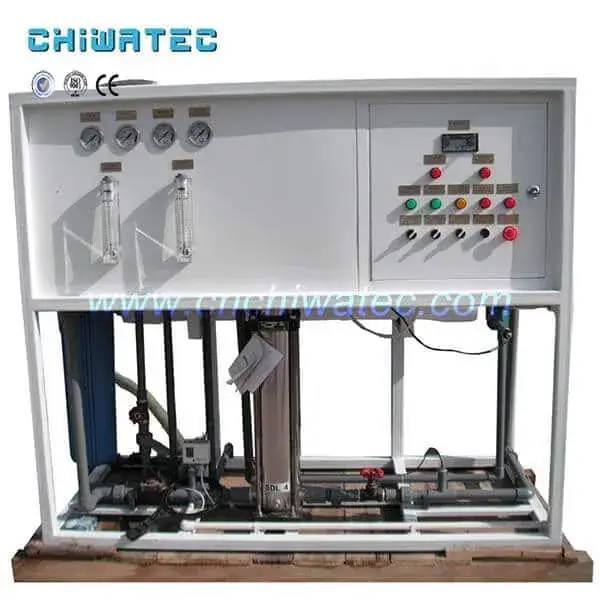
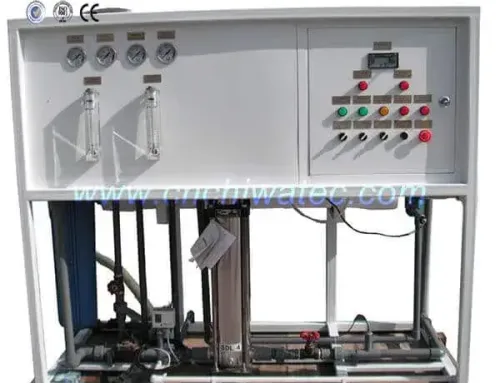
Most modern laboratory water purifiers begin with reverse osmosis as the primary purification stage. RO membranes remove 95–99% of dissolved inorganic salts, 99% of organic compounds with molecular weight >200 Da, and virtually all bacteria, viruses, and particulate matter. An RO pre-treatment stage extends the life of downstream deionization and polishing components by 5–10 times, significantly reducing consumables costs. The typical RO stage in a laboratory pure water system operates at 6–10 bar pressure and produces permeate with conductivity of 1–20 μS/cm, depending on feed water quality.
Deionization (DI) and Electrodeionization (EDI)
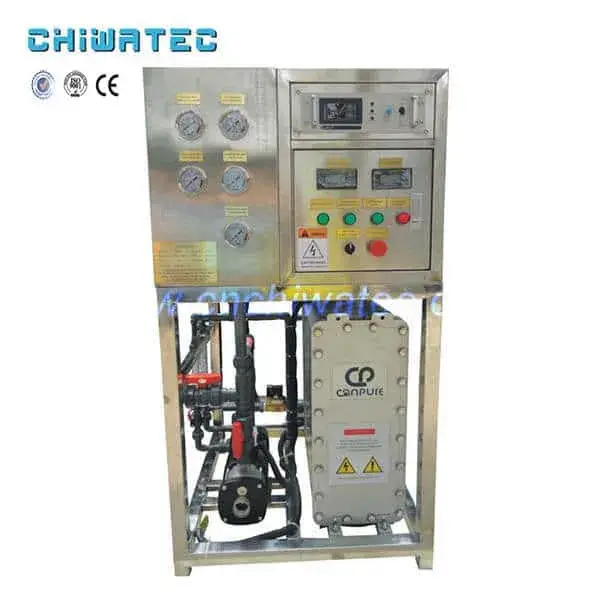
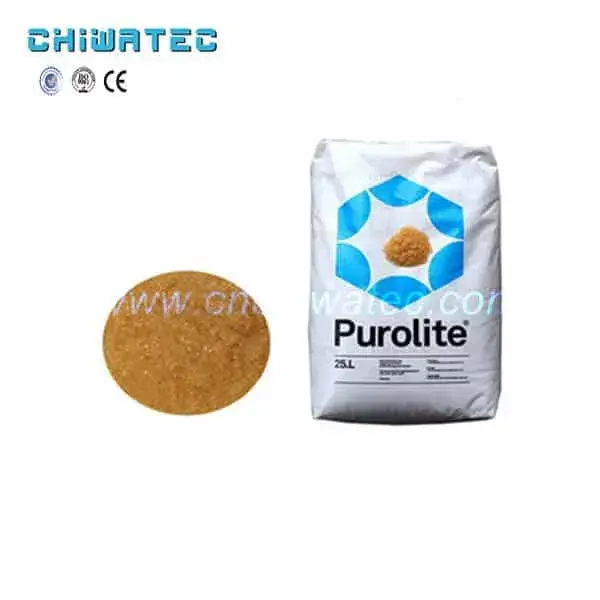
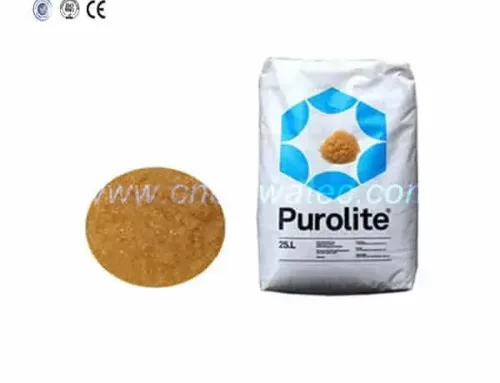
Deionization using mixed-bed ion-exchange resins is the most common method for polishing RO permeate to ultrapure water quality. High-capacity DI cartridges in a laboratory water purification system remove residual ions, achieving resistivity up to 18.2 MΩ·cm. Advanced systems incorporate electrodeionization (EDI), which continuously regenerates ion-exchange resins using an electric field without chemical regeneration — reducing operating labor and chemical waste by up to 95% compared to conventional DI cartridges. EDI-equipped lab water equipment is particularly valued in pharmaceutical and clinical laboratories where consistent water quality and minimal operator intervention are paramount.
UV Photo-oxidation and Final Polishing
UV oxidation at 185 nm and 254 nm wavelengths is employed in premium laboratory water purifiers to reduce TOC levels below 5 ppb and to disinfect bacterial contaminants. The 185 nm UV light generates hydroxyl radicals that oxidize organic compounds to CO₂ and H₂O, while 254 nm light damages microbial DNA. Final polishing stages typically include a 0.22 μm membrane filter for particle and bacterial removal, ensuring the dispensed water meets the lowest detectable levels of contamination for critical analytical methods such as LC-MS and ICP-OES.
How to Select the Right Laboratory Water Purifier
When purchasing a laboratory water purifier, careful consideration of the following factors ensures optimal performance and cost-effectiveness:
Assess Application Requirements First
The most important step is matching water quality to specific application needs. General chemistry and buffer preparation require Type II water (≥1 MΩ·cm), while HPLC, mass spectrometry, and trace metal analysis require Type I ultrapure water (≥18.2 MΩ·cm). Selecting a laboratory pure water system based on the strictest application ensures all workflows are supported without requiring separate units. For laboratories performing multiple analysis types, a dual-output system capable of delivering both Type II and Type I water from a single unit offers the best balance of capability and cost.
Calculate Daily Water Volume Requirements
The required water output should be calculated based on 8 hours of daily operation. For example, a laboratory water purification system rated at 15 L/hour provides 120 L/day of continuous production capacity. Inline storage tanks with UV recirculation maintain water quality between dispensing events, with typical tank capacities ranging from 30 L to 200 L for benchtop systems. Laboratories with high-volume requirements (>500 L/day) should consider centralized lab water equipment with distributed dispensing points rather than multiple benchtop units.
Choose Quality Specifications with a Safety Margin
When selecting model specifications, it is prudent to choose parameters that exceed minimum requirements by a reasonable margin — allowing for feed water quality fluctuations, aging components, and evolving application needs. A laboratory water purifier specified to deliver water at 18.2 MΩ·cm with TOC <5 ppb ensures compatibility with the full range of current and anticipated analytical methods, including emerging techniques with increasingly stringent water quality demands.
Consider Total Cost of Ownership
Beyond the initial purchase price, evaluate consumables costs (pre-filters, DI cartridges, UV lamps, RO membranes), energy consumption, and scheduled maintenance intervals. Premium laboratory water purification systems with EDI technology and smart monitoring often deliver lower 5-year total cost of ownership (TCO) compared to entry-level units with frequent consumable replacements, particularly in laboratories with high daily water consumption.
Laboratory Water Equipment Maintenance and Best Practices
Proper maintenance of laboratory water equipment is essential for consistent water quality and maximum equipment lifespan. Pre-filters should be replaced every 3–6 months depending on feed water turbidity and total water processed; RO membranes typically last 2–3 years with proper pre-treatment; UV lamps require annual replacement to maintain optimal oxidation and disinfection efficiency (UV output degrades by approximately 20–30% over 12 months of continuous operation). DI cartridges should be replaced when effluent resistivity drops below the required threshold, typically every 3–12 months depending on feed water quality and usage volume. Implementing a preventive maintenance schedule with regular monitoring of resistivity, TOC, and flow rate ensures the laboratory water purifier continues to meet ASTM standards and supports reproducible experimental results throughout its service life.
Latest Trends in Laboratory Water Purification (2024–2025)
The laboratory water purification industry is undergoing significant technological advancement. Smart lab water equipment with IoT connectivity now provides real-time water quality monitoring, automated consumable tracking, and remote system management via mobile applications, reducing unscheduled downtime by up to 40%. Touchscreen interfaces with guided maintenance workflows and digital audit trails are becoming standard in regulated pharmaceutical and clinical laboratory environments, facilitating compliance with 21 CFR Part 11 and ISO 15189 requirements. Advances in UV-C LED technology have produced low-power (<10 W), mercury-free UV modules for laboratory water purifiers, eliminating hazardous waste disposal concerns associated with conventional mercury lamps. Membrane development continues with graphene oxide-enhanced RO membranes demonstrating 2–3 times higher permeability in laboratory-scale studies, promising future laboratory water purification systems with reduced energy consumption and compact footprints. The trend toward centralized laboratory water distribution systems — where a single high-capacity purification unit serves multiple workstations through a recirculating loop — is accelerating in new laboratory facility designs, delivering consistent water quality across entire research floors while reducing per-dispenser equipment costs by 30–50% compared to individual benchtop units.
Conclusion
Selecting and maintaining the right laboratory water purifier is fundamental to scientific research quality and reproducibility. From understanding ASTM water classifications and distinguishing pure water from ultrapure water to evaluating core purification technologies and total cost of ownership, informed decision-making ensures that your laboratory water purification system delivers the consistent, high-quality water your applications demand. As water quality standards continue to tighten and analytical instrumentation becomes increasingly sensitive, investment in a quality lab water equipment solution is not merely an operational expense — it is a strategic commitment to research integrity and laboratory productivity.
Frequently Asked Questions (FAQ)
What is the difference between a laboratory water purifier and a regular water filter?
A laboratory water purifier is designed to produce water meeting strict ASTM and ISO standards (typically Type I or Type II), removing dissolved ions, organics, bacteria, and endotoxins to trace levels. Regular water filters, such as household countertop or under-sink units, are designed for aesthetic improvement (taste and odor) and basic health protection but cannot approach the purity levels required for analytical chemistry, cell culture, or sensitive instrumentation.
How often should I replace consumables in my lab water purification system?
Consumable replacement intervals depend on feed water quality and system usage. Pre-filters: every 3–6 months. RO membranes: every 2–3 years. UV lamps: annually. DI cartridges: when resistivity drops below specifications (typically 3–12 months). Most modern laboratory water purification systems include consumable-life indicators that provide maintenance alerts, eliminating guesswork and preventing water quality excursions.
Can I use distilled water instead of a laboratory water purifier?
While distillation was historically the standard for laboratory pure water, it has been largely superseded by RO/DI and EDI technologies. Distillation consumes 1.5–2.5 kW·h per liter (vs. 0.1–0.2 kW·h for modern systems), cannot consistently achieve Type I water quality, and may introduce trace volatile organics that carry over during the boiling process. For any application requiring Type II or better water quality, a dedicated laboratory water purifier is the recommended solution.
What water quality do I need for HPLC analysis?
HPLC and UHPLC applications require Type I ultrapure water (resistivity ≥18.2 MΩ·cm, TOC <10 ppb, bacteria <1 CFU/mL). Particulate matter should be removed through 0.22 μm filtration. Water quality directly impacts HPLC baseline stability, column life, and detection limits. Using a certified lab water purification system specifically designed for HPLC feed water is essential for reproducible chromatographic results.
Is a centralized or decentralized lab water system better?
Centralized laboratory water purification systems are optimal for facilities with high water consumption (>500 L/day) or multiple workstations requiring purified water. They offer lower per-point cost, consistent water quality across all outlets, and centralized maintenance. Decentralized benchtop systems are preferable for smaller laboratories, facilities with varying water quality requirements between departments, or situations where installation of recirculating loop piping is impractical.
Further Reading
For more detailed information about water purification technologies and laboratory water systems, explore these related articles:
- Advanced Water Purification System: Process Principles and Flow Diagram — Technical overview of industrial and laboratory-scale water purification processes.
- Main Process Flow of Reverse Osmosis Pure Water Equipment — Understanding the RO technology that powers most laboratory water purification systems.
- Pure Water/Mineral Water Plant Production Process — Insights into high-purity water production standards and multi-stage purification system design.
Do you have a water treatment project we can help with
* Designing,machining,installing,commissioning, customize and one-stop service
 English
  Spanish
  Portuguese