

Central Water Treatment System: Complete Guide to Whole House Water Purification (2025)
A central water treatment system is an integrated water purification solution designed to treat all water entering a residential or commercial building at the point of entry (POE). Unlike point-of-use filters that only treat water at a single tap, a whole-house central water treatment system delivers purified, softened, and conditioned water to every faucet, shower, and appliance in the property. The global residential water treatment market was valued at approximately USD 26.8 billion in 2024, with whole house water treatment systems representing the fastest-growing segment at a CAGR of 8.5% from 2024 to 2032 (Allied Market Research). A comprehensive central water treatment system typically integrates three core subsystems: central water purification, central water softening, and central pure water production — each designed to address specific water quality challenges.
The growing awareness of water contaminants — from chlorine and heavy metals to microplastics and PFAS compounds — has driven demand for central water purification solutions that provide comprehensive protection. Modern central water treatment systems leverage advanced filtration media, ion-exchange resins, and reverse osmosis membranes to ensure water safety at every point of use, reducing household exposure to harmful substances while protecting plumbing infrastructure and appliances from scale buildup and corrosion damage.
What Is a Central Water Treatment System?
A central water treatment system is a multi-stage water processing unit installed at the main water inlet of a building. It treats all incoming municipal or well water before it reaches internal plumbing. The system typically includes three subsystems operating in sequence: the central water purification system removes sediment, chlorine, and microorganisms; the central water softening system eliminates hardness-causing calcium and magnesium ions; and the central pure water system produces ultra-pure water for specialized applications. Together, these components form a complete water treatment ecosystem that addresses the full spectrum of water quality issues.
Modern central water treatment systems incorporate smart monitoring capabilities, automated regeneration cycles, and remote control via mobile applications, enabling homeowners and facility managers to track water quality metrics and system performance in real time. The market shift toward integrated central water purification solutions reflects growing consumer preference for comprehensive, whole-house water management rather than disparate point-of-use devices.
Core Components of a Central Water Treatment System
Central Water Purification System: The First Line of Defense
The central water purification system is the first stage in any comprehensive central water treatment setup. It employs multi-stage filtration to remove suspended solids, chlorine, chloramines, heavy metals (lead, mercury, arsenic), bacteria, viruses, algae, and organic contaminants. The process typically begins with sediment pre-filtration (5–20 micron) to capture large particles, followed by activated carbon filtration to adsorb chlorine and volatile organic compounds (VOCs). Advanced units incorporate catalytic carbon media for enhanced chloramine reduction and ultraviolet (UV) sterilization for microbiological inactivation. The effluent from a well-designed central water purification system is clear, chlorine-free, and microbiologically safe — suitable for direct consumption without further treatment in many municipal water contexts.
Performance standards for residential central water purification units are defined by NSF/ANSI standards 42 (aesthetic effects), 53 (health effects), and 401 (emerging contaminants). Premium systems achieve 99.95% reduction of lead, 99% reduction of chlorine taste and odor, and complete removal of visible sediment (NSF International certified data). Many modern central water purification systems also feature self-cleaning backwash cycles that extend media life and maintain consistent water quality over years of operation with minimal maintenance intervention.
Central Water Softening System: Eliminating Hardness
The central water softening system addresses one of the most common water quality problems worldwide: hard water. Hard water, characterized by elevated concentrations of calcium (Ca²⁺) and magnesium (Mg²⁺) ions, affects an estimated 85% of households in North America and significant portions of European and Asian water supplies. The central water softening process uses ion-exchange technology: natural or synthetic resin beads are pre-charged with sodium (Na⁺) ions; as hard water passes through the resin tank, calcium and magnesium ions are exchanged for sodium ions, effectively reducing water hardness from 10–20 grains per gallon to less than 1 grain per gallon. The resin bed is periodically regenerated using a brine solution (sodium chloride or potassium chloride), flushing accumulated hardness ions to drain.
The benefits of a central water softening system extend beyond water quality. Softened water reduces soap consumption by 50–70%, extends the lifespan of water heaters by up to 50% by preventing scale accumulation, reduces energy costs by maintaining heating efficiency, and prevents the formation of lime scale on fixtures, glassware, and appliances (Water Quality Association data). Tankless water heater manufacturers such as Rinnai and Navien recommend water softening for units operating in areas with water hardness exceeding 7 grains per gallon to maintain warranty validity and operational efficiency.
Central Pure Water System: Premium Purity for Specialized Needs
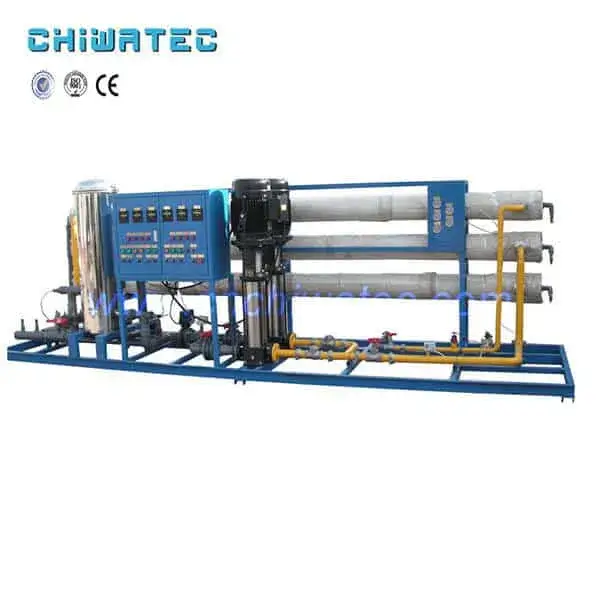
The central pure water system is the most advanced component of a comprehensive central water treatment solution. It uses reverse osmosis (RO) technology — often combined with multi-stage pre-filtration and post-polishing — to produce water with near-zero total dissolved solids (TDS). A standard central pure water system incorporates five stages of filtration: sediment pre-filtration, activated carbon pre-filtration, the RO membrane itself (typically a thin-film composite membrane achieving 95–99% salt rejection), a post-carbon polish filter, and often an ultraviolet (UV) sterilizer or remineralization cartridge. The product water typically exhibits conductivity below 10 μS/cm and TDS below 5 ppm, meeting or exceeding national bottled water purity standards.
Modern central pure water systems incorporate several advanced features to optimize performance and water efficiency. Permeate pumps reduce wastewater ratios from the traditional 4:1 (waste:product) to as low as 1:1 in some configurations, significantly improving water conservation. Smart monitoring systems track membrane performance, filter life, and water quality in real time, alerting users when maintenance is required. For applications requiring the highest purity — such as laboratory use, pharmaceutical production, or high-end aquariums — two-pass RO systems can achieve effluent conductivity below 1 μS/cm, with resistivity reaching 18.2 MΩ·cm when combined with electrodeionization (EDI) or mixed-bed deionization post-treatment.
Key Benefits of Installing a Central Water Treatment System
Central Water Purification Benefits
- Removes up to 99% of chlorine, heavy metals (lead, mercury, arsenic), and solid suspended particles from incoming water;
- Integrated UV sterilization inactivates 99.99% of bacteria, viruses, and protozoan cysts including Giardia and Cryptosporidium;
- Activated carbon stage adsorbs VOCs, pesticides, herbicides, and pharmaceutical residues — contaminants increasingly detected in municipal water supplies;
- Self-cleaning automatic backwash cycles maintain consistent performance without manual intervention;
- Improves taste, odor, and clarity of all water throughout the building — not just at a single drinking tap.
Central Water Softening Benefits
- Ion-exchange resin reduces water hardness from 10–20+ gpg to less than 1 gpg, eliminating scale formation;
- Protects water heaters, boilers, dishwashers, and laundry equipment from scale damage — extending appliance lifespan by up to 50%;
- Reduces soap and detergent consumption by 50–70%, with corresponding savings on household cleaning products;
- Prevents mineral deposits on plumbing fixtures, glass shower doors, and tableware — eliminating hard water spots and stains;
- Soft water improves skin and hair condition by preventing soap scum residue, benefiting individuals with eczema or sensitive skin;
- Regular automatic regeneration ensures uninterrupted soft water supply with minimal salt and water consumption.
Central Pure Water Benefits
- Five-stage RO filtration system removes 95–99% of total dissolved solids, producing water that meets or exceeds national bottled water purity standards;
- RO membrane effectively rejects heavy metals, nitrates, sulfates, fluoride, arsenic, and emerging contaminants including PFAS and microplastics;
- Permeate pump technology reduces wastewater ratio, achieving water efficiency improvement of up to 60% compared to standard RO systems;
- Post-carbon polishing and optional remineralization stage restores balanced pH and essential minerals for improved taste;
- Dual-output configurations provide both high-purity RO water for drinking/cooking and softened water for bathing/laundry from a single integrated system.
Central Water Treatment vs. Point-of-Use Systems
Understanding the distinction between central water treatment (whole-house) and point-of-use (POU) systems is critical for selecting the right solution. A central water treatment system treats water at the building entry point, ensuring every tap delivers conditioned water. In contrast, POU systems (such as under-sink RO units or countertop filters) treat water at a single location. While POU systems are more affordable upfront (typically USD 200–800 vs. USD 1,500–5,000 for whole-house systems), they do not protect plumbing infrastructure, water heaters, or bathroom fixtures from hard water damage. A whole house water treatment system provides comprehensive protection: plumbing longevity, energy efficiency from scale-free water heaters, and the convenience of treated water at every outlet — from kitchen faucets to showerheads to washing machine connections. For most homeowners, the optimal configuration combines a central water softening and purification system for whole-house protection with a dedicated RO point-of-use unit for drinking water.
Latest Trends in Central Water Treatment Technology (2024–2025)
The central water treatment industry is experiencing rapid technological advancement. Smart water treatment systems with integrated IoT sensors now monitor water quality parameters (TDS, pH, turbidity, flow rate) in real time, sending maintenance alerts and water usage analytics directly to smartphones. AI-driven adaptive regeneration technology for water softeners optimizes salt and water usage based on actual consumption patterns, reducing operating costs by 20–35%. Advanced media technologies, including catalytic carbon and specialty ion-exchange resins, are enabling central water purification systems to address emerging contaminants such as PFAS (per- and polyfluoroalkyl substances), which the US EPA has designated as a priority contaminant with new Maximum Contaminant Levels (MCLs) introduced in 2024. Compact, tankless water softening designs are gaining popularity in space-constrained urban residential settings, with units occupying 40% less floor space than traditional cabinet-style softeners. The integration of UV-C LED technology (mercury-free, energy-efficient) into central water treatment systems represents a significant sustainability improvement, with UV LEDs consuming 50% less energy and lasting 5–10 times longer than conventional mercury-vapor UV lamps while eliminating hazardous waste disposal concerns.
Conclusion
A central water treatment system represents the most comprehensive and effective approach to ensuring water quality throughout a residential or commercial property. By integrating central water purification, central water softening, and central pure water technologies, these systems address the full spectrum of water quality challenges — from sediment and chlorine to hardness minerals and dissolved contaminants. The growing global water treatment market, combined with advancing smart technologies and increasing regulatory attention to water contaminants, makes whole-house water treatment an increasingly essential investment for health-conscious homeowners and facility managers. When selecting a central water treatment system, consider factors including feed water quality, flow rate requirements, available installation space, and specific contaminant concerns. Consulting with a qualified water treatment professional ensures the system is properly sized and configured to deliver optimal performance for your specific water conditions.
Frequently Asked Questions (FAQ)
What does a central water treatment system include?
A standard central water treatment system typically includes three subsystems: a central water purification system (sediment and carbon filtration), a central water softening system (ion-exchange), and a central pure water system (reverse osmosis). Optional components include UV sterilization, iron/manganese removal media, pH adjustment systems, and whole-house sediment backwash filters.
How much does a whole house water treatment system cost?
The cost of a whole house water treatment system varies widely based on capacity, technology, and configuration. Basic sediment filtration + water softener systems range from USD 1,500–3,000 installed; comprehensive systems including RO and UV sterilization typically range from USD 3,000–8,000. Annual maintenance costs (filter replacements, resin regeneration salt, membrane replacement) average USD 200–500 per year.
Do I need a water softener if I have a whole house filter?
Yes, if your water hardness exceeds 3–5 grains per gallon. A central water purification system (sediment and carbon filtration) removes particles and chemicals but does not remove dissolved calcium and magnesium ions that cause hard water. A central water softening system is specifically designed to address hardness, protecting plumbing and appliances from scale buildup that a purification filter cannot prevent.
How often should I maintain my central water treatment system?
Maintenance frequency depends on water quality and system usage. Sediment pre-filters typically require replacement every 3–6 months; carbon filters every 6–12 months; the RO membrane every 2–5 years; and resin in the water softener every 8–15 years. Most modern central water treatment systems include automated alerts for filter changes, and premium systems feature self-diagnostic capabilities that track filter life based on actual water usage volume.
Can a central water treatment system remove PFAS?
Yes, properly configured central water treatment systems with granular activated carbon (GAC) filtration or reverse osmosis membranes can effectively reduce PFAS levels. GAC filters achieve 90%+ removal of long-chain PFAS compounds, while RO membranes achieve 95–99% removal across a broader spectrum of PFAS chemicals. The US EPA recommends certified PFAS reduction systems for households with confirmed PFAS contamination above the new 2024 MCL of 4 ppt for PFOA and PFOS.
Further Reading
For more detailed information about water treatment technologies and system configurations, explore these related articles:
- Advanced Water Purification System: Process Principles and Flow Diagram — A detailed technical overview of industrial-grade water purification processes and system design.
- Drinking Water Treatment Process Flow: A Comprehensive Guide to Water Purification — Understanding the complete water treatment train from intake to distribution.
- Pure Water/Mineral Water Plant Production Process — Insights into industrial pure water production systems and quality standards.
- Main Process Flow of Reverse Osmosis Pure Water Equipment — How RO technology integrates into central water treatment system designs.
Do you have a water treatment project we can help with
* Designing,machining,installing,commissioning, customize and one-stop service






 English
  Spanish
  Portuguese




