Electroplating Wastewater Treatment Equipment: Complete System Guide 2026
Looking for a reliable electroplating wastewater treatment equipment system? Whether you are upgrading an existing facility or designing a new water treatment system, this comprehensive guide covers everything from process flow and heavy metal removal to equipment selection and maintenance. Xi’an CHIWATEC has been engineering electroplating wastewater treatment solutions for industrial clients worldwide, delivering systems that meet the most stringent discharge standards while optimizing operating costs.
Last Updated: January 2026 | Industry-Verified Data | Regulatory Compliance Information
Why This Guide Matters for Your Electroplating Facility
Electroplating wastewater contains some of the most hazardous industrial pollutants, including chromium, nickel, copper, zinc, and lead. Proper treatment is not just an environmental responsibility but a regulatory requirement across all major industrial regions. With the global heavy metal wastewater treatment market valued at approximately USD 12.3 billion in 2024 and projected to grow at a CAGR of 6.8% through 2034, investing in the right electroplating wastewater treatment equipment is more critical than ever.
Key Industry Trends (2026 Update)
- Stricter Discharge Standards: EPA updated Metal Finishing Effluent Guidelines in 2024-2025, reducing allowable chromium limits by 35% and nickel by 25%
- Zero Liquid Discharge (ZLD) Adoption: Over 40% of new electroplating facilities now integrate ZLD systems, up from 18% in 2020
- Membrane Technology Advancement: Modern RO/NF membranes achieve 99.5% heavy metal rejection with 30% lower energy consumption compared to 2020 models
- Smart Monitoring: IoT-enabled electroplating wastewater treatment systems reduce chemical consumption by 20-25% through real-time water quality adjustment
1. What Is Electroplating Wastewater Treatment Equipment?
Definition and Core Function
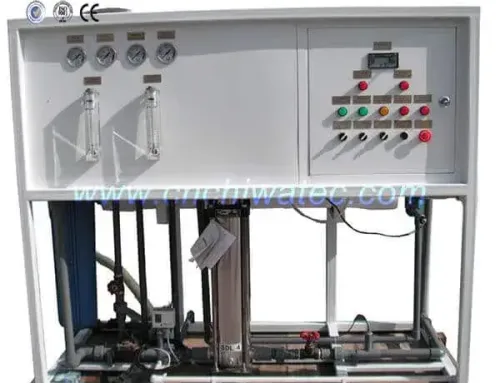
Electroplating wastewater treatment equipment is a specialized system designed to remove heavy metals, suspended solids, and toxic compounds from wastewater generated during electroplating processes. These systems typically integrate membrane filtration (reverse osmosis and nanofiltration), ion exchange, chemical precipitation, and biological treatment technologies to meet stringent discharge standards. Manufacturers like CHIWATEC design complete turnkey systems that combine these technologies into a single, optimized treatment train.
Why Electroplating Wastewater Requires Specialized Treatment
Unlike general industrial wastewater, electroplating effluent contains complex mixtures of heavy metal ions, cyanides, and organic additives. The unique characteristics include high total dissolved solids (TDS often exceeding 5,000 mg/L), variable pH ranges (2-12), and the presence of multiple metal species that require sequential removal processes. Standard municipal wastewater treatment methods are insufficient for these challenging contaminants.
2. What Heavy Metals Can Electroplating Wastewater Treatment Systems Remove?
Heavy Metal Composition in Electroplating Wastewater
Electroplating wastewater treatment systems are engineered to handle diverse metal contaminants depending on the plating process:
- Chromium (Cr6+/Cr3+): Common in chrome plating, highly toxic, requires reduction to Cr3+ before precipitation
- Nickel (Ni2+): Present in nickel plating baths, regulatory limit typically 0.5-2.0 mg/L
- Copper (Cu2+): From copper plating and etching processes, can inhibit biological treatment
- Zinc (Zn2+): Common in galvanizing, relatively easier to precipitate
- Lead (Pb2+): From lead-tin plating, strict limits under EPA and EU regulations
- Silver (Ag+): Precious metal recovery is economically viable at concentrations above 50 mg/L
Removal Efficiency by Treatment Technology
- Reverse Osmosis: 98-99.7% rejection for all heavy metal ions
- Nanofiltration: 95-98% for divalent ions, 60-80% for monovalent ions
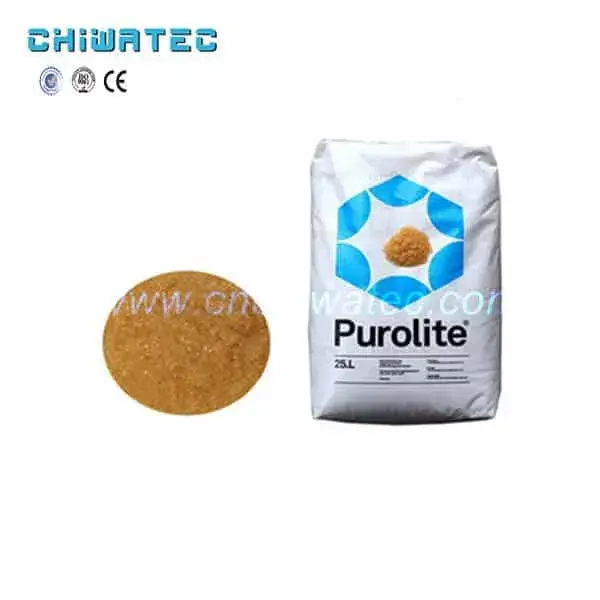
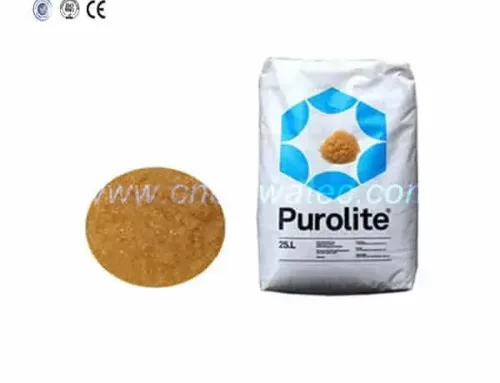
- Ion Exchange: 99%+ removal, ideal for polishing to ultralow levels
- Chemical Precipitation: 90-95% removal, effective at high concentrations
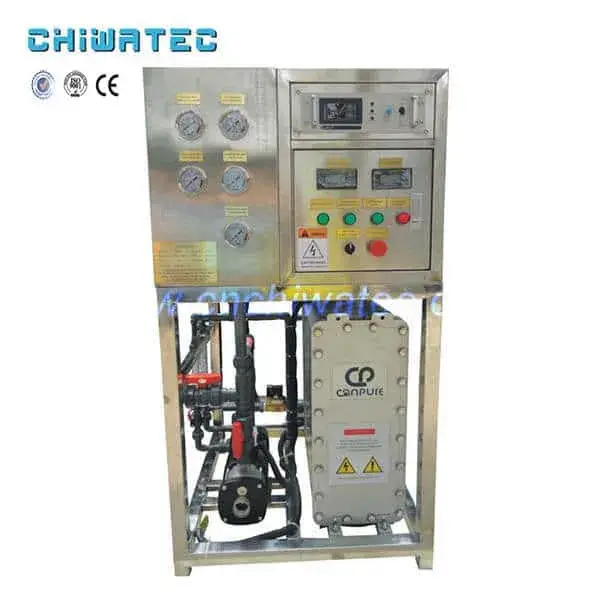
- Electrodialysis: 85-95% removal, suitable for continuous operation
3. How Does Membrane Separation Technology Work in Electroplating Wastewater Treatment?
The Membrane Filtration Process
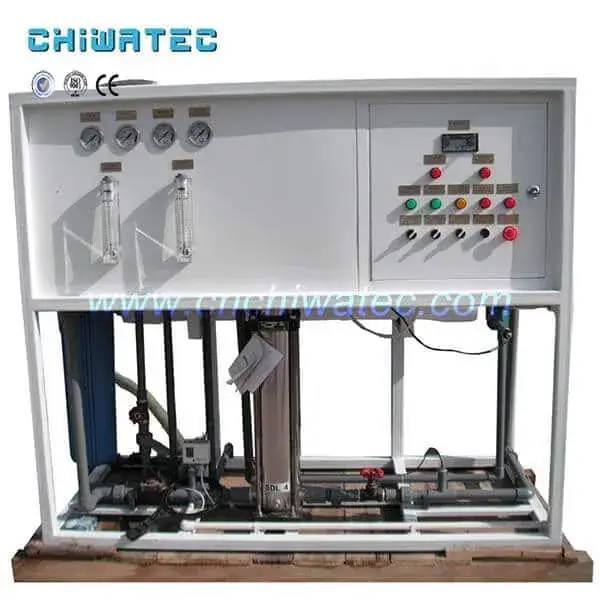
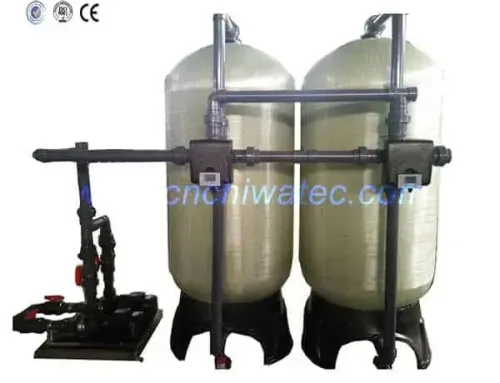
Membrane separation technology has revolutionized electroplating wastewater treatment by enabling simultaneous concentration and purification. The process begins with pretreatment (multimedia filtration and cartridge filtration to remove suspended solids), followed by membrane modules that separate clean permeate from concentrated metal solutions. Designed concentration ratios of 10-100 times (by volume) significantly reduce waste volume.
Concentration, Recovery, and Reuse
When electroplating wastewater contains a single dominant metal ion, the concentrated solution after membrane separation can be returned directly to the electroplating bath after proper treatment, achieving true metal ion recovery and reuse. The permeate from the membrane system undergoes further polishing before being recycled as process water, enabling near-zero discharge operation. This approach not only eliminates secondary pollution but also recovers valuable heavy metals, turning waste into resources while reusing water.
Related: Comprehensive Analysis of Nickel-Containing Wastewater Treatment Equipment Technology
4. What Is the Process Flow of Electroplating Wastewater Treatment Equipment?
Six-Stage Treatment Process
The electroplating wastewater treatment process typically follows a six-stage treatment train:
- Primary Sedimentation Tank: Removes settleable solids and coarse particles through gravity separation
- Contact Oxidation Tank: Employs aerobic biological treatment using the contact oxidation method for organic contaminant degradation
- Secondary Sedimentation Tank: Clarifies biologically treated water, removing biomass and remaining suspended solids
- Disinfection Tank and Disinfection Device: Eliminates pathogenic microorganisms using chlorine or UV disinfection
- Sludge Tank: Collects and stabilizes sludge from sedimentation processes for dewatering and disposal
- Fan Room and Fan: Provides aeration for biological treatment stages, ensuring adequate oxygen transfer
Contact Oxidation Method Explained
The contact oxidation method is a mature biochemical treatment technology widely used in electroplating wastewater treatment. It utilizes biofilm attached to specialized media within the contact oxidation tank, where microorganisms consume organic pollutants and some heavy metal complexes.
5. What Are the Key Design Configurations for Electroplating Wastewater Treatment Systems?
Equipment Types and Materials
Electroplating wastewater treatment equipment comes in multiple configurations to suit different facility requirements:
- Buried Systems: Space-saving underground installation, ideal for facilities with limited footprint
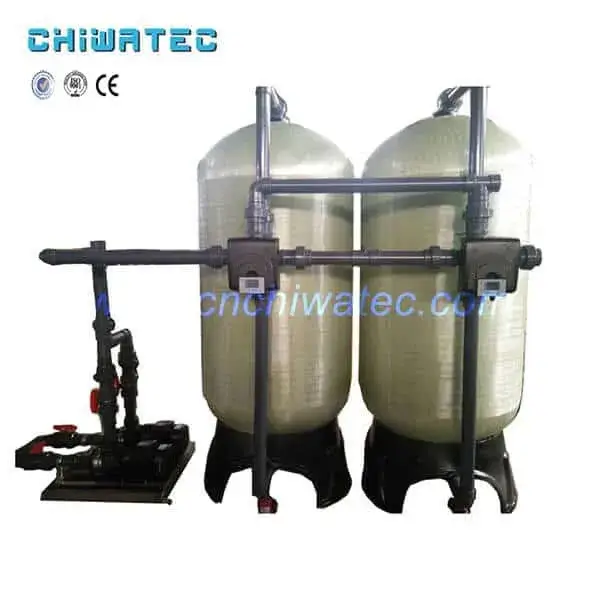
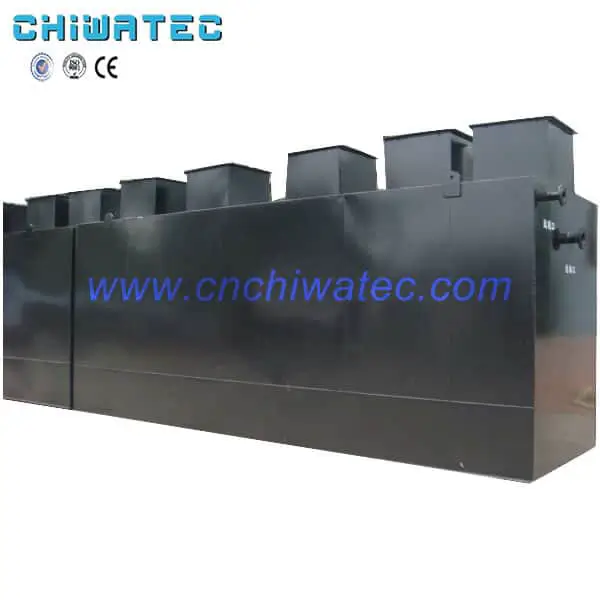
- Above-Ground FRP (Fiberglass Reinforced Plastic): Corrosion-resistant, suitable for aggressive chemical environments
- Steel Tank Systems: Heavy-duty construction for high-volume applications, with acid-resistant lining
- Containerized Units: Pre-assembled, skid-mounted solutions for rapid deployment and easy relocation
Automation and Control Features
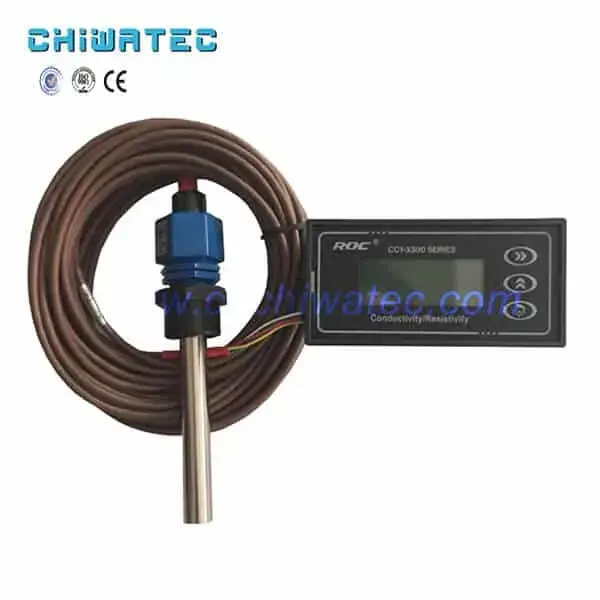
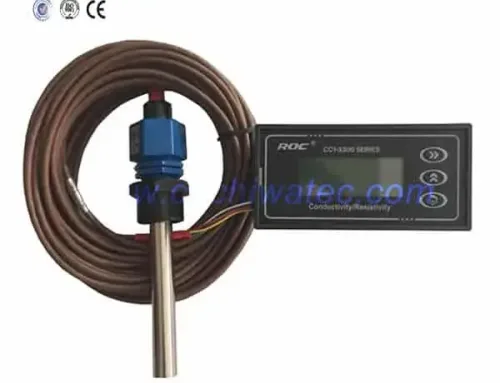
Modern electroplating wastewater treatment systems feature fully automatic PLC control with real-time monitoring of pH, ORP, conductivity, and flow rates. Automated chemical dosing ensures optimal treatment while minimizing operator intervention. Remote monitoring capabilities allow facility managers to track system performance and receive alerts for maintenance needs.
6. What Is the Processing Capacity Range for Electroplating Wastewater Treatment Equipment?
Standard Capacity Options
Electroplating wastewater treatment equipment is available in a wide processing range of 0.5T to 160T per hour, covering applications from small job shops to large-scale industrial facilities. The system capacity is determined by factors including production volume, wastewater composition, and discharge permit requirements.
Custom Design Capabilities
Each electroplating facility has unique wastewater characteristics based on plating chemistry, production schedule, and local regulations. CHIWATEC engineering team specializes in designing and manufacturing customized systems tailored to specific client requirements, ensuring optimal treatment performance, compliance with local discharge standards, and cost-effective operation.
7. What Regulatory Standards Apply to Electroplating Wastewater Discharge?
Global Regulatory Framework
Electroplating wastewater discharge is governed by multiple international and national standards:
- EPA 40 CFR Part 433: Metal Finishing Effluent Guidelines – sets strict limits for chromium (0.03 mg/L), nickel (0.5 mg/L), copper (0.5 mg/L), and zinc (0.5 mg/L)
- China GB 21900-2008: Emission Standards for Electroplating Pollutants – regulates 15 parameters including total chromium (0.5 mg/L), nickel (0.5 mg/L), and cyanide (0.3 mg/L)
- EU Industrial Emissions Directive (IED): Best Available Techniques (BAT) reference documents for metal surface treatment
- WHO Guidelines: Drinking-water quality standards that influence discharge permit limits globally
Compliance and Monitoring Requirements
Regular monitoring of effluent quality is mandatory under most regulatory frameworks. Compliance typically requires daily sampling for key parameters (pH, heavy metals, TSS) and periodic reporting to environmental authorities.
Related: Methods for Preventing and Controlling Wastewater Pollution
8. How Does Electroplating Wastewater Treatment Achieve Zero Liquid Discharge?
ZLD Technology Integration
Zero Liquid Discharge (ZLD) is increasingly adopted in electroplating wastewater treatment to eliminate wastewater discharge and recover valuable resources. The ZLD approach combines membrane concentration (RO/NF), thermal evaporation, and crystallization to recover up to 98% of wastewater as clean water. The concentrated metal solution can be further processed for metal recovery.
Economic and Environmental Benefits
- Water Recovery: Up to 95-98% of process water can be recycled, reducing freshwater consumption
- Metal Recovery: Valuable metals (nickel, copper, silver) can be recovered and sold or reused
- Regulatory Compliance: Eliminates discharge permit requirements and compliance risks
- Long-Term Cost Savings: Despite higher initial investment, ZLD systems typically achieve payback within 3-5 years through water and chemical savings
9. What Are the Maintenance Requirements for Electroplating Wastewater Treatment Systems?
Routine Maintenance Schedule
Proper maintenance of electroplating wastewater treatment equipment ensures consistent performance and extends system lifespan. Key maintenance activities include:
- Daily: Check pH adjustment system, monitor flow rates, inspect chemical feed levels
- Weekly: Backwash multimedia filters, clean pH probes, check membrane operating pressure
- Monthly: Clean membrane elements (CIP), inspect contact oxidation media, test sludge dewatering
- Quarterly: Calibrate all sensors, replace cartridge filters, inspect piping and valves
- Annual: Complete system inspection, membrane autopsy if performance degrades, update control software
Common Issues and Troubleshooting
- Membrane Fouling: Caused by scaling, organic buildup, or biological growth – address with proper pretreatment and regular CIP cleaning
- pH Drift: Usually from exhausted chemical supplies or failed pH probes – maintain adequate chemical inventory and replace probes annually
- Sludge Bulking: In biological treatment stages – optimize nutrient balance and aeration rates
- Metal Precipitation Issues: Often from incorrect pH adjustment – verify setpoints and chemical dosing accuracy
10. How to Select the Right Electroplating Wastewater Treatment Equipment for Your Facility?
Key Selection Criteria
Choosing the right electroplating wastewater treatment equipment requires careful evaluation of several factors:
- Wastewater Characterization: Complete analysis of metal types, concentrations, pH variability, and flow rates
- Discharge Requirements: Local permit limits determine treatment targets and technology selection
- Space and Infrastructure: Available footprint, foundation requirements, and utility connections
- Budget and ROI: Consider both capital expenditure and long-term operating costs including chemicals, energy, and maintenance
- Future Expansion: Modular designs allow capacity increases as production grows
Installation and Commissioning Services
CHIWATEC provides complete one-stop service for electroplating wastewater treatment equipment, including site assessment, system design, equipment manufacturing, installation supervision, startup commissioning, operator training, and ongoing technical support. Each system is designed, machined, installed, and commissioned by our experienced engineering team to ensure reliable long-term performance.
Conclusion
Electroplating wastewater treatment equipment is essential for compliance with increasingly stringent environmental regulations and for sustainable industrial operations. By integrating membrane separation technology, biological treatment, and advanced process control, modern systems achieve heavy metal removal rates exceeding 99% while enabling water reuse and metal recovery. As regulatory pressures continue to increase and water scarcity concerns grow, investing in a well-designed electroplating wastewater treatment system delivers both environmental and economic benefits.
Contact CHIWATEC today at [email protected] or +86 18292684865 (WhatsApp) to discuss your electroplating wastewater treatment requirements. Our team of water treatment engineers is ready to design a customized solution for your specific application.
Frequently Asked Questions
Q1: What is the typical lifespan of electroplating wastewater treatment equipment?
With proper maintenance, electroplating wastewater treatment equipment typically operates for 15-20 years. Membrane elements require replacement every 3-5 years depending on feed water quality and cleaning frequency. Steel tanks with proper lining can last 20+ years, while FRP components typically last 15-20 years.
Q2: Can electroplating wastewater be recycled and reused?
Yes. Modern membrane-based electroplating wastewater treatment systems can recover up to 95-98% of water for reuse in the plating process. Concentrated metal solutions can be further processed for metal recovery, particularly for valuable metals like nickel, copper, and silver.
Q3: What pretreatment is required before membrane filtration?
Effective pretreatment is essential for membrane-based electroplating wastewater treatment. Required steps typically include pH adjustment, chemical precipitation of bulk metals, multimedia filtration (to reduce SDI below 5), cartridge filtration (5 micron), and antiscalant dosing to prevent membrane scaling.
Q4: What is the typical cost range for electroplating wastewater treatment equipment?
The cost of electroplating wastewater treatment equipment varies significantly based on capacity, treatment technology, and automation level. Small-scale systems (0.5-5 T/h) typically range from USD 15,000 to 80,000, while medium-capacity systems (5-50 T/h) range from USD 80,000 to 350,000. Large industrial systems (50-160 T/h) with ZLD integration can range from USD 350,000 to over USD 1.5 million. CHIWATEC provides detailed cost estimates based on your specific wastewater characterization and discharge requirements.
Q5: What are the key differences between batch treatment and continuous flow electroplating wastewater systems?
Batch treatment systems process wastewater in discrete volumes, offering flexibility for facilities with variable flow rates and complex chemical compositions. They are ideal for smaller electroplating operations producing less than 20 T/day. Continuous flow systems provide consistent, uninterrupted treatment at stable flow rates, making them suitable for high-volume production facilities. Continuous systems typically have lower operating costs per unit volume but require more sophisticated process control. CHIWATEC engineers can help determine the optimal configuration based on your facility’s production schedule and wastewater characteristics.
Related Resources and Further Reading
Do you have a water treatment project we can help with
* Designing,machining,installing,commissioning, customize and one-stop service
 English
  Spanish
  Portuguese