Nickel Electroplating Wastewater Treatment: Methods, Process, and RO Membrane Technology 2026
Effective nickel electroplating wastewater treatment is critical for electroplating facilities that discharge heavy metal-laden effluent containing nickel ions (Ni²⁺), complexing agents, and organic additives. Untreated nickel wastewater poses serious environmental and health risks — nickel compounds are classified as carcinogenic, and discharge limits are increasingly strict (typically < 0.1–0.5 mg/L for nickel in most jurisdictions). This article provides a comprehensive analysis of nickel electroplating wastewater treatment technologies, covering chemical precipitation, ion exchange, and RO membrane separation methods, along with process flow descriptions and membrane maintenance best practices for electroplating wastewater treatment systems.
Nickel Electroplating Wastewater Treatment Methods — Chemical Precipitation and Ion Exchange
Nickel electroplating wastewater treatment typically begins with chemical precipitation — the most widely used primary treatment method. In this process, alkaline reagents such as sodium hydroxide (NaOH), lime (Ca(OH)₂), or sodium carbonate (Na₂CO₃) are added to raise the wastewater pH to 9.5–10.5, causing nickel ions to precipitate as nickel hydroxide [Ni(OH)₂] according to: Ni²⁺ + 2OH⁻ → Ni(OH)₂↓. The precipitated nickel hydroxide forms a sludge that settles in a sedimentation tank or is removed by a plate-and-frame filter press. Chemical precipitation alone can reduce nickel concentrations from 50–500 mg/L to 1–5 mg/L — below most industrial discharge limits. However, chelating agents commonly used in electroplating baths (citrate, tartrate, EDTA) can inhibit precipitation, requiring pre-oxidation or advanced treatment downstream.
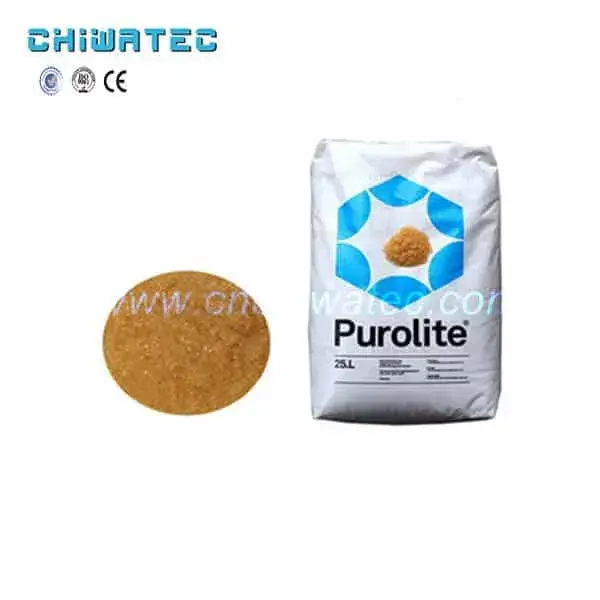
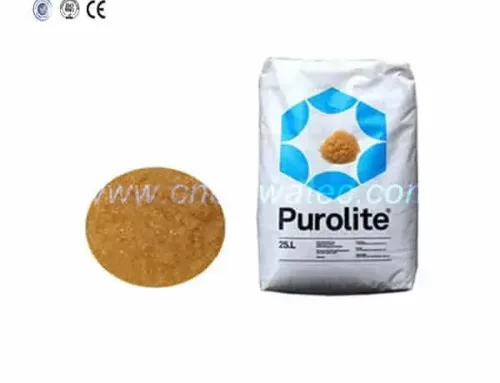
Ion exchange is an alternative or polishing treatment that uses cation exchange resin to adsorb nickel ions. Strong acid cation (SAC) resin in the hydrogen or sodium form captures Ni²⁺ from the wastewater stream, achieving effluent nickel concentrations below 0.1 mg/L. When the resin is exhausted, regeneration with hydrochloric acid (4–8%) produces a concentrated nickel eluate that can be returned to the electroplating bath for nickel recovery. This closed-loop approach reduces chemical sludge volume by 80–90% compared to precipitation alone and supports circular economy objectives in electroplating operations.
RO Membrane Separation for Nickel Electroplating Wastewater Treatment
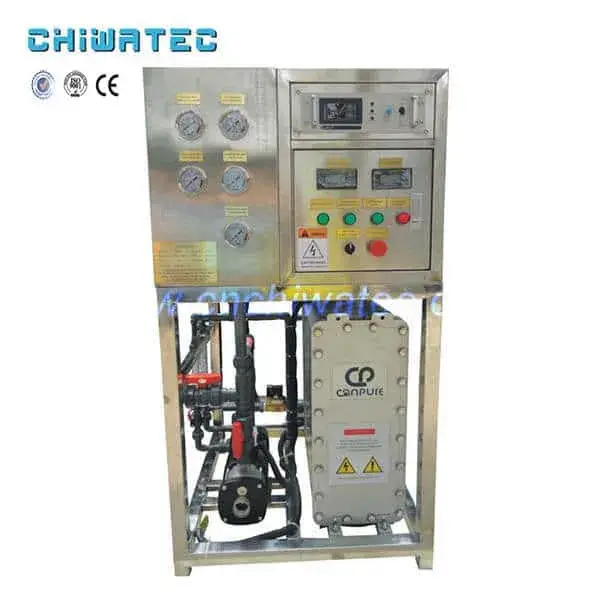
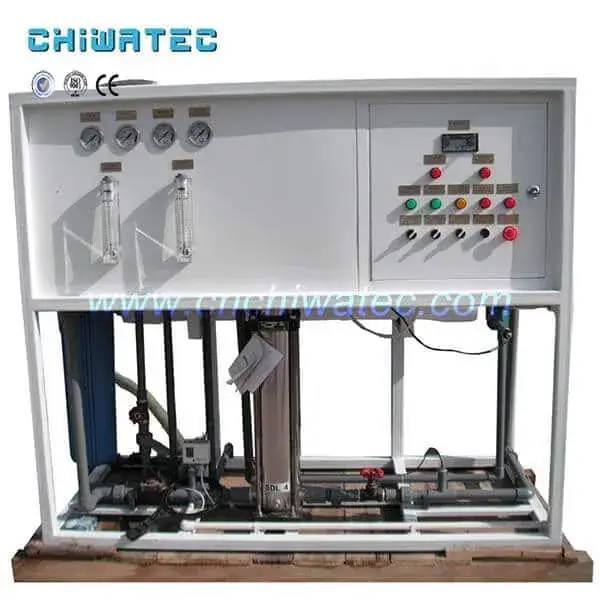
Reverse osmosis membrane technology has become the preferred advanced treatment method for nickel electroplating wastewater treatment, offering both high rejection rates and the ability to recover valuable nickel for reuse. RO membranes operating at 10–20 bar achieve 99.0–99.5% rejection of dissolved nickel ions, producing permeate with nickel below 0.05 mg/L that can be recycled as process water or safely discharged. The concentrate stream, containing 5–10× the feed nickel concentration, can be returned to the electroplating bath or further concentrated by evaporation. Key advantages of RO membrane separation for nickel wastewater include:
- No phase change — the separation is purely physical, reducing energy consumption versus evaporation
- No chemical addition — unlike precipitation, RO does not generate chemical sludge
- Continuous operation — fully automatic systems run 24/7 with minimal operator intervention
- Nickel recovery — concentrated nickel can be reused directly in plating baths, offsetting chemical costs
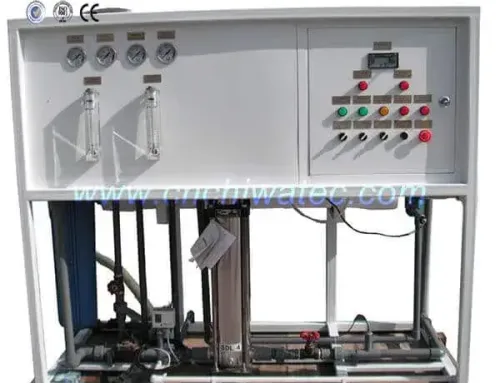
- Compact footprint — skid-mounted RO systems require 3–10 m² for capacities up to 100 m³/day
Process Flow: From Pretreatment to Two-Stage RO for Nickel Wastewater
A complete nickel electroplating wastewater treatment system follows a multi-stage process train:
- Collection and equalization: Wastewater from rinse tanks and bath drains is collected in an equalization tank to balance flow and composition fluctuations. pH is adjusted to 6–9.
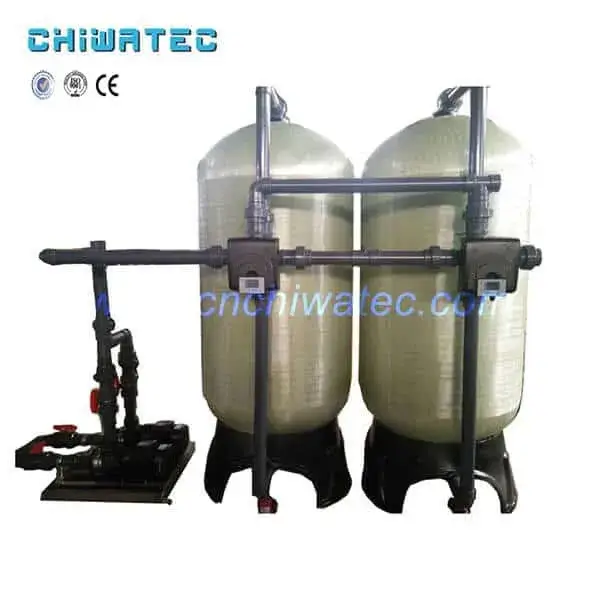
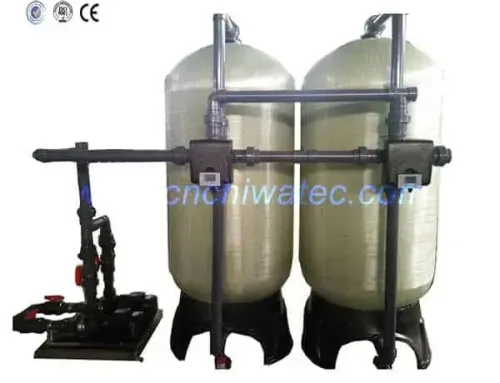
- Pretreatment filtration: Raw wastewater passes through a bag filter or multimedia filter (quartz sand + anthracite) to remove suspended solids, colloidal particles, and oil/grease that would foul downstream membranes. Effluent SDI should be below 5.
- Degreasing and organic removal: An activated carbon filter or degreasing tank removes organic additives, surfactants, and chelating agents that can complex nickel and reduce RO rejection efficiency.
- Cartridge security filtration: A 5 μm absolute cartridge filter provides final protection for high-pressure pumps and RO membranes from particulate breakthrough.
- Primary RO system: Stage 1 RO membranes (brackish water elements) operate at 12–18 bar, achieving 99% nickel rejection. Permeate flows to the secondary RO or discharge.
- Secondary RO system (optional): For higher recovery, Stage 2 RO concentrates the primary permeate further at a concentration ratio of 5:1. The Stage 2 concentrate is returned to the electroplating bath or sent to an evaporator.
- Final polishing: If needed, a mixed-bed ion exchanger or EDI polisher brings conductivity below 0.1 µS/cm for the most demanding reuse applications.
RO Membrane Maintenance for Nickel Wastewater Systems
RO membranes in nickel electroplating wastewater treatment systems face aggressive fouling conditions due to the presence of metal hydroxides, organic additives, and biological growth potential. Proper maintenance is essential for 3–5 year membrane life:
- Regular cleaning schedule: Clean membranes every 1–3 months using low-pH (citric acid, pH 2–3) for inorganic scale removal and high-pH (NaOH + SDS, pH 11–12) for organic fouling. Never mix cleaning agents — always rinse between cycles.
- Membrane storage: When the system is idle for more than 48 hours, membranes must be stored in a clean plastic bag sealed with 1% sodium metabisulfite (SMBS) solution to prevent biological growth and oxidation. Never allow membranes to dry out or contact air directly — nickel-laden membranes can react with atmospheric oxygen, forming insoluble nickel oxides that permanently plug membrane pores.
- Spare element management: Keep 1–2 spare membrane elements on-site and rotate them into the system every 6 months to ensure uniform fouling distribution across the array.
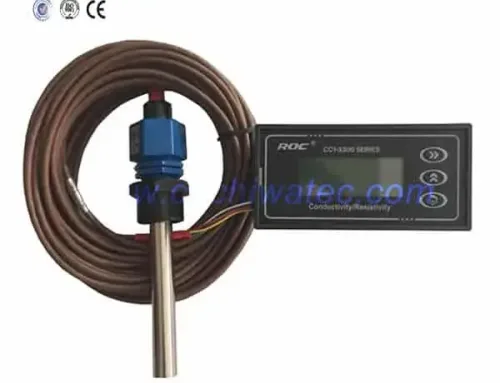
- Monitoring: Track normalized permeate flow, salt rejection, and differential pressure weekly. A 15% drop in normalized flow or 10% drop in rejection signals that cleaning is needed.
Comparison of Nickel Wastewater Treatment Methods
| Method | Effluent Ni (mg/L) | Nickel Recovery | Sludge Generated | Operating Cost |
| Chemical precipitation | 1–5 | Limited (sludge to smelter) | High (hydroxide sludge) | Low |
| Ion exchange | < 0.1 | Yes (concentrated eluate) | Minimal | Medium |
| RO membrane separation | < 0.05 | Yes (concentrate recycle) | None | Medium–Low |
| Evaporation | < 0.01 | Yes (distillate recycle) | None | High |
| Combined (Precipitation + RO) | < 0.05 | Yes | Reduced 80% | Medium |
Frequently Asked Questions (FAQ)
What is the most common method for nickel electroplating wastewater treatment?
Chemical precipitation with sodium hydroxide or lime is the most common primary treatment method, reducing nickel from 50–500 mg/L to 1–5 mg/L. For stricter discharge limits (below 0.1 mg/L) or nickel recovery, RO membrane separation or ion exchange is used as a polishing step. Many modern facilities combine precipitation with RO membrane treatment for optimal performance.
Can RO membranes recover nickel for reuse in electroplating?
Yes. RO membranes reject 99.0–99.5% of nickel ions, producing a concentrate stream with 5–10× the feed nickel concentration. This concentrated nickel solution can be returned directly to the electroplating bath after pH adjustment, offsetting the cost of virgin nickel chemicals and reducing waste disposal volume.
What is the discharge limit for nickel in electroplating wastewater?
Discharge limits vary by jurisdiction but are typically 0.1–0.5 mg/L for total nickel in most countries (e.g., China GB 21900-2008: 0.5 mg/L; US EPA: 0.3–4.1 mg/L depending on production volume). Some regions with stricter environmental standards require below 0.1 mg/L for sensitive water bodies. RO membrane treatment reliably achieves effluent below 0.05 mg/L.
How often should RO membranes be cleaned in nickel wastewater treatment?
Cleaning frequency depends on feed water quality, but typical intervals are every 1–3 months. Key indicators that cleaning is needed include: 10–15% drop in normalized permeate flow, 5–10% drop in salt rejection, or a 15% increase in differential pressure. Regular monitoring (weekly) is essential to avoid irreversible fouling from metal hydroxide precipitation on membrane surfaces.
Can chemical precipitation alone meet modern discharge standards?
Chemical precipitation alone can reduce nickel to 1–5 mg/L, which may meet older discharge limits but typically fails modern standards requiring below 0.5 mg/L. Additionally, chelating agents in electroplating baths (EDTA, citrate, tartrate) can complex nickel and prevent effective precipitation. A combined approach — precipitation followed by RO membrane polishing — is recommended for reliable compliance and nickel recovery.
Conclusion and Call to Action
Effective nickel electroplating wastewater treatment requires a multi-technology approach combining chemical precipitation, ion exchange, and RO membrane separation to meet increasingly stringent discharge limits while recovering valuable nickel for reuse. Modern RO-based systems offer the best balance of treatment efficiency (effluent Ni < 0.05 mg/L), nickel recovery capability, and operating cost — all in a compact, fully automated package. At CHIWATEC, we design and manufacture complete nickel wastewater treatment systems incorporating pretreatment, primary and secondary RO, and optional ion exchange polishing, with capacities from 5 to 500 m³/day. For a customized treatment solution based on your wastewater analysis and discharge requirements, contact us at [email protected] or [email protected].
Related Resources and Further Reading
- Electroplating Wastewater Treatment Process Flow: Complete Project Guide
- Electroplating Wastewater Treatment Technologies: Membrane, Biological, and Polishing Methods
- Lead-Containing Wastewater Treatment: Common Methods for Industrial Water Filters
- Electroplating Wastewater Treatment Equipment: Complete System Guide
- Wastewater Treatment Systems — Browse CHIWATEC Products
Do you have a water treatment project we can help with
* Designing,machining,installing,commissioning, customize and one-stop service
 English
  Spanish
  Portuguese