RO Membrane Contamination Diagnosis: Complete Guide to Judging and Solving Heavy Membrane Pollution 2026
Is your RO membrane system suffering from heavy contamination? Knowing how to judge membrane element contamination and implement effective solutions is essential for accurate RO membrane contamination diagnosis and maintaining system performance and avoiding costly premature membrane replacement. This comprehensive guide covers the concept of heavy membrane pollution, diagnostic techniques for identifying contamination severity, offline and online cleaning methods, and long-term prevention strategies. CHIWATEC has been engineering industrial RO membrane solutions for over a decade, providing expert diagnosis and remediation for complex fouling challenges.
*Last Updated: March 2026 | Industry-Verified Technical Data*
Why This Guide Matters
Heavy membrane contamination is one of the most costly operational problems in reverse osmosis systems. Industry data indicates that improper contamination management reduces average membrane service life from 5-7 years to 1-3 years, increasing annual replacement costs by 200-400% for industrial RO installations. The global RO membrane cleaning chemicals market was valued at USD 1.6 billion in 2025 and is projected to reach USD 2.8 billion by 2034 (Grand View Research, 2025). Despite these investments, an estimated 40-50% of membrane cleaning operations are ineffective because the specific fouling type and severity are not properly diagnosed before cleaning. Learning systematic contamination diagnosis can save operators 30-50% on cleaning chemical costs and extend membrane life by 2-3 years.
Key Industry Trends (2026 Update)
- AI-powered contamination diagnosis: Machine learning algorithms analyzing normalized performance data (permeate flow, salt rejection, pressure drop) can now predict fouling onset 48-72 hours before traditional monitoring methods detect it, enabling proactive rather than reactive cleaning.
- Remote membrane monitoring platforms: Cloud-based SCADA systems with automated fouling index calculations allow operators to diagnose contamination severity from any location, with real-time alerts when normalized parameters exceed threshold values.
- Specialized heavy pollution cleaning services: Third-party membrane cleaning service providers using ultrasonic cleaning, CO2 pellet blasting, and advanced chemical formulations are emerging as cost-effective alternatives to membrane replacement for heavily fouled elements.
- Sustainability in chemical cleaning: Regulatory pressure to reduce hazardous chemical discharge is driving adoption of closed-loop cleaning systems that recycle cleaning solutions, reducing chemical consumption by 40-60% and wastewater generation by 70-80%.
1. What Is Heavy Pollution of RO Membrane Elements?
Defining Heavy Membrane Contamination
Heavy pollution refers to the condition where the accumulated foulants on the membrane surface have reached a level that significantly impairs system performance and cannot be effectively reversed by standard online cleaning (Clean-in-Place, or CIP). The inlet water contains suspended solids, colloids, organic matter, microorganisms, and other particles that gradually accumulate on the membrane surface and within the feedwater channels. Under normal operating conditions, the RO system design includes a safety margin to accommodate gradual fouling between cleaning cycles. However, when fouling exceeds this design margin, the system enters a state of heavy pollution characterized by rapid performance degradation.
Key Characteristics of Heavy Pollution
- Severe flux decline: Normalized permeate flow drops by more than 25-30% from baseline
- Elevated differential pressure: Pressure drop across the membrane array increases by 35-50% or more
- Increased salt passage: Normalized salt rejection decreases by 2-5 percentage points or more
- Uneven performance across stages: The first stage typically shows greatest flux decline (particulate fouling), while the last stage shows greatest scaling (mineral concentration)
- Irreversible fouling onset: Standard CIP cleaning achieves less than 50% recovery of baseline performance
2. How to Judge Membrane Element Contamination: Key Diagnostic Parameters
Normalized Performance Data Analysis
Accurate RO membrane contamination diagnosis requires analyzing normalized performance data — raw operating data corrected for variations in feedwater temperature, pressure, and concentration. The three critical normalized parameters are:
- Normalized Permeate Flow (NPF): A decrease of 10-15% from baseline indicates mild fouling requiring scheduled cleaning. A decrease of 25-30% or more indicates heavy pollution requiring immediate intervention.
- Normalized Salt Passage (NSP): An increase of 10-15% in salt passage suggests membrane damage or severe concentration polarization. An increase exceeding 20% often indicates irreversible fouling or membrane oxidation.
- Normalized Differential Pressure (NDP): A 15-20% increase suggests particulate or colloidal fouling in the feedwater channels. A 30-50% increase indicates heavy pollution with potential feed spacer blockage.
Visual Inspection Methods
When heavy pollution is suspected, autopsy of a representative membrane element provides definitive diagnosis. Key visual indicators include:
- Feed channel blockage: Inspect the feed spacer for debris accumulation, biological slime, or scale crystals
- Membrane surface discoloration: Red-brown (iron), black (manganese/biofilm), white (scale), or yellow-brown (organic/NOM) deposits
- Permeate tube condition: Scale or biofilm inside the permeate tube indicates advanced fouling
- Edge damage: Telescoping or o-ring extrusion suggests hydraulic overload or freeze damage
Detailed visual inspection protocols are covered in our guide on how to judge the contamination of membrane elements.
3. What Are the Main Causes of Heavy RO Membrane Pollution?
Primary Contributing Factors
Although RO systems are designed with a safety margin to maintain stable operation between cleaning cycles, several factors can push the system into heavy pollution territory:
- Inadequate pretreatment: The most common root cause — failure of pretreatment systems (coagulation, filtration, chemical dosing) allows excessive foulant loading onto the membranes. Studies show that 60-70% of heavy pollution cases trace back to pretreatment deficiencies.
- System design limitations: Under-designed systems (insufficient membrane area, improper staging, inadequate cleaning system capacity) are more susceptible to rapid fouling progression.
- Feedwater quality changes: Seasonal variations in surface water quality, new well sources, or upstream process changes can introduce foulants that the original system design did not account for.
- Improper cleaning practices: Using inappropriate cleaning chemicals, insufficient cleaning frequency, or incorrect cleaning procedures can allow progressive foulant accumulation that eventually becomes irreversible.
- Scale inhibitor failure: Underdosing, pump failure, or expired scale inhibitor can trigger rapid mineral scaling, especially in the last stage where concentration factors are highest.
4. How to Diagnose the Specific Type of Heavy Contamination?
Systematic Diagnosis Protocol
Diagnosing the specific fouling type requires correlating normalized performance trends with feedwater analysis and, where possible, membrane autopsy results:
- Stage 1 predominant fouling (front-end): Particulate, colloidal, or organic fouling. Check SDI values, turbidity, and TOC/COD of feedwater. Inspect cartridge filters for solids loading.
- Stage 2-3 predominant fouling (rear-end): Mineral scaling. Check concentrate stream LSI, solubility indices for CaSO4, BaSO4, SrSO4, and SiO2. Review antiscalant dosing records.
- Uniform fouling across all stages: Biofouling or NOM fouling. Check bacterial counts in feedwater, chlorine residual, and organic carbon levels.
- Rapid flux decline (days): Acute scaling or colloidal fouling event. Investigate recent changes in feedwater source, chemical dosing, or pretreatment performance.
- Gradual flux decline (weeks to months): Chronic biofouling, NOM adsorption, or gradual colloid accumulation. Review long-term feedwater quality trends.
Refer to our companion guide on RO membrane fouling types and composition for detailed identification of each foulant category.
5. What Are Offline Cleaning Methods for Heavily Contaminated RO Membranes?
When Offline Cleaning Is Required
Offline cleaning (also called ex-situ or bench cleaning) becomes necessary when standard Clean-in-Place (CIP) procedures fail to restore adequate performance. Key indicators that offline cleaning is needed include:
- Standard CIP recovers less than 50% of baseline normalized permeate flow
- Differential pressure remains elevated by 30% or more after two consecutive CIP cycles
- Visual inspection reveals heavy deposits that standard CIP chemicals cannot dissolve
- The system has been operating without effective cleaning for more than 6 months
Offline Cleaning Procedure
- Membrane removal and identification: Label each element by position (array, stage, pressure vessel number) and replace with spare elements to minimize system downtime. Record each element’s serial number for tracking.
- Initial inspection and profiling: Measure each element’s vacuum retention (a vacuum drop below 10 inches Hg/min indicates o-ring damage or element failure). Weigh wet elements — a 10-20% weight gain suggests heavy internal fouling.
- Chemical cleaning sequence: Heavily fouled elements typically require a multi-step cleaning protocol: (a) alkaline wash with surfactants (pH 11-12) for organic and biofouling removal, (b) acid wash (pH 2-3) for scale removal, and (c) a final alkaline rinse to neutralize and condition the membrane.
- Extended soak and recirculation: Unlike online cleaning (30-60 minutes), offline cleaning requires 4-8 hours of recirculation followed by 8-12 hours of soaking per chemical step.
- Final flush and performance test: After cleaning, each element is tested in a test skid to verify performance recovery before returning to service.
6. How Does Online CIP Cleaning Work for Membrane Contamination?
CIP System Design and Operation
Clean-in-Place (CIP) is the primary method for routine membrane cleaning. A well-designed CIP system includes a chemical tank (typically 2-3 times the system volume), a low-pressure pump (15-50 psi), a cartridge filter (5-10 micron), and a heater to maintain cleaning solution temperature (30-40 degrees C). The standard online cleaning procedure follows these steps:
- Prepare cleaning solution: Mix the appropriate chemical formulation based on fouling diagnosis. For combined organic and scale fouling, start with alkaline cleaning followed by acid cleaning.
- Low-flow recirculation (15-30 minutes): Circulate cleaning solution at low flow rate (50-70% of design flow) to displace system water and allow chemical contact with the membrane surface.
- Soak period (1-4 hours): Stop circulation and allow cleaning solution to penetrate foulant layers. For heavy pollution, extend soaking to 8-12 hours.
- High-flow recirculation (30-60 minutes): Circulate at maximum recommended flow rate to create turbulence and physically remove loosened foulants.
- Freshwater flush: Flush system thoroughly until pH and conductivity return to feedwater values before returning to service.
When the RO system is heavily polluted, the first and most critical measure is to implement a thorough cleaning protocol immediately using appropriate chemicals matched to the specific foulant composition. Delaying cleaning allows deposits to harden and become progressively more difficult to remove.
7. What Cleaning Chemicals Are Most Effective for Different Fouling Types?
Chemical Selection Guide
Selecting the correct cleaning chemical is critical for effective contamination removal. Using the wrong chemical can set or harden deposits, making them more difficult to remove in subsequent cleaning attempts:
- Alkaline cleaners (pH 11-12): Effective against organic fouling (NOM, humic acids), biofilms, and oil/grease deposits. Common formulations include sodium hydroxide (NaOH) with surfactants like sodium dodecyl sulfate (SDS). Operating temperature: 35-40 degrees C.
- Acid cleaners (pH 2-3): Effective against mineral scales (CaCO3, CaSO4, metal hydroxides) and some metal oxides. Common formulations include hydrochloric acid (HCl), citric acid, or phosphoric acid with metal chelating agents.
- Chelating agents: EDTA (ethylenediaminetetraacetic acid) at high pH (11-12) effectively removes calcium sulfate, barium sulfate, and metal oxide deposits by forming soluble complexes.
- Surfactants and detergents: Non-ionic and anionic surfactants enhance wetting and penetration of cleaning solutions into foulant layers, improving removal of organic and biological deposits.
- Biocides: DBNPA, isothiazolone, and glutaraldehyde are used for biofouling control. Apply only in alkaline cleaning steps, as acidic conditions may degrade certain biocides.
Two-Step Cleaning Protocol for Heavy Pollution
For heavily contaminated membranes, the recommended approach is: (1) alkaline clean first to remove organic and biological layers, followed by (2) acid clean second to remove mineral scales exposed by the alkaline step. This sequence prevents organic coatings from shielding scale deposits from acid attack.
8. How to Prevent Heavy Membrane Contamination After Cleaning?
Long-Term Prevention Strategy
In pollution control for RO systems, the most fundamental measures involve controlling the design and operation of the pretreatment system:
- Optimize pretreatment: Ensure coagulation/flocculation dosing is calibrated for current feedwater quality. Multi-media filters should be backwashed at least every 24-48 hours. Cartridge filters (5 micron) should be replaced when differential pressure exceeds 10-15 psi.
- Monitor SDI regularly: Feedwater SDI should be maintained below 3.0 (ideally below 2.0). A rising SDI trend over days to weeks indicates degrading pretreatment performance that requires investigation.
- Clean proactively, not reactively: Establish cleaning triggers based on normalized performance data (10-15% NPF decline, 15% NDP increase) rather than waiting for heavy pollution symptoms. Proactive cleaning reduces long-term foulant accumulation.
- Scale inhibitor management: Verify antiscalant dosing daily. Test for antiscalant residual in the concentrate stream quarterly. Recalculate dosing requirements when feedwater quality changes.
- Biofouling prevention: Maintain continuous chlorination/dechlorination (0.5-1.0 ppm free chlorine at RO inlet, then dechlorination to below 0.1 ppm) or use chloramines for biofouling control in high-organic feedwaters.
9. When Should Heavily Contaminated RO Membranes Be Replaced Instead of Cleaned?
Replacement Decision Criteria
While the first measure for heavy pollution should always be a thorough cleaning attempt, there are clear thresholds beyond which membrane replacement becomes more cost-effective than continued cleaning:
- Salt rejection below 90% (for standard brackish water membranes): Indicates irreversible membrane damage from oxidation, abrasion, or hydrolysis. Cleaning will not restore rejection.
- Three consecutive ineffective cleanings: If two CIP cycles plus one offline cleaning attempt fail to restore at least 60% of baseline flow, further cleaning is unlikely to be beneficial.
- Element weight gain exceeding 20%: Indicates internal fouling that cannot be accessed by cleaning solutions. The foulant mass also increases the physical stress on membrane leaves and feed spacers.
- Mechanical damage: Telescoping (>5%), o-ring extrusion, fiberglass overwrap delamination, or permeate tube damage all require replacement regardless of cleaning outcome.
- Age exceeding 5 years with heavy fouling history: For elements that have experienced multiple heavy pollution events, the remaining service life is typically 6-12 months even after successful cleaning, making replacement the more economical choice.
Cost-Benefit Calculation
A simple rule of thumb: if the cost of a full cleaning cycle (chemicals + labor + downtime production loss) exceeds 30% of new element replacement cost, and the expected post-cleaning performance is below 75% of new element performance, replacement is the better economic decision.
10. What Tools and Instruments Are Essential for Membrane Contamination Diagnosis?
Essential Diagnostic Equipment
Accurate RO membrane contamination diagnosis requires a combination of online instrumentation and laboratory analysis tools:
- Normalized performance software: Automated data normalization tools (many major membrane manufacturers provide free software) that calculate NPF, NSP, and NDP from raw operating data.
- SDI measurement kit: Standard SDI-15 apparatus (0.45 micron membrane filter, pressure regulator, timer) for measuring feedwater fouling potential.
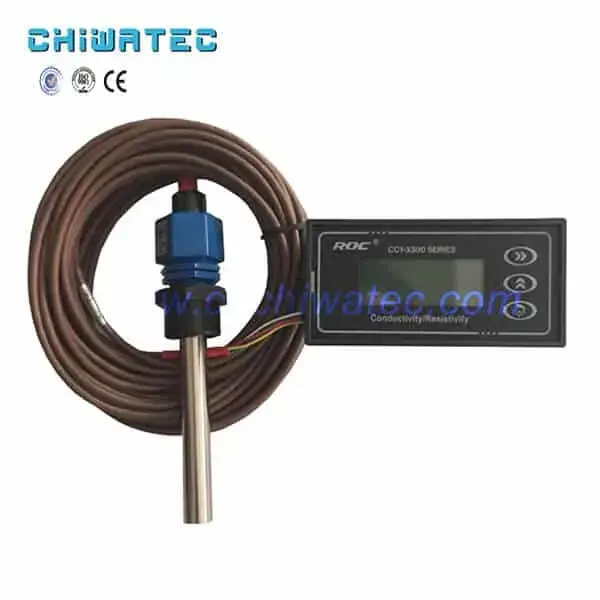
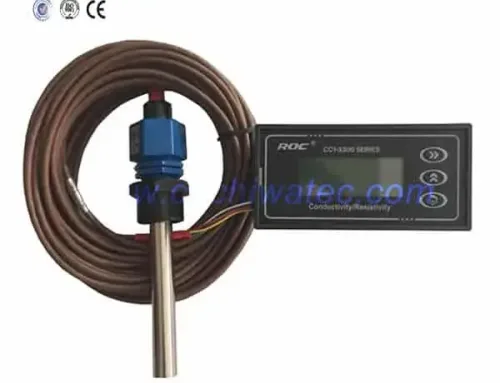
- Portable conductivity/TDS meter: For spot-checking permeate and concentrate conductivity to calculate stage-by-stage salt rejection.
- pH and ORP meters: Calibrated instruments for verifying cleaning solution pH and feedwater oxidation-reduction potential.
- Vacuum retention test stand: For testing individual membrane elements — a vacuum drop rate exceeding 10 inches Hg per minute indicates compromised membrane integrity.
- Analytical laboratory services: For complex fouling cases, send a membrane element sample (or foulant scrapings) to a specialized membrane lab for SEM-EDS, FTIR, and TOC analysis to positively identify the foulant composition.
For expert assistance with membrane contamination diagnosis, customized cleaning protocols, or replacement recommendations, CHIWATEC offers comprehensive technical support for industrial and commercial RO systems worldwide.
Conclusion
Effective RO membrane contamination diagnosis and management — from initial diagnosis to cleaning and prevention — requires a systematic approach based on normalized performance data, correct foulant identification, and appropriate cleaning chemistry. By implementing the diagnostic protocols and cleaning strategies outlined in this guide, operators can identify heavy pollution early, select the most effective remediation method, and establish preventive measures that extend membrane service life from 3-5 years to 7-10 years. The key takeaways are: (1) always perform proper RO membrane contamination diagnosis before cleaning — matching the chemical to the foulant doubles cleaning effectiveness, (2) clean proactively at the 10-15% NPF decline threshold, not after heavy pollution has set in, and (3) invest in proper pretreatment as the most cost-effective long-term fouling prevention strategy.
Contact CHIWATEC today at [email protected] or [email protected] (WhatsApp: +86 18292684865) for professional guidance on membrane contamination diagnosis, customized cleaning protocols, and high-performance RO system design tailored to your feedwater conditions.
Frequently Asked Questions
Q1: How often should RO membranes be checked for contamination?
RO membranes should be monitored continuously using normalized performance data tracking. Daily log sheets should record: feed, permeate, and concentrate flow rates; feed and permeate conductivity; feed and concentrate pressure; and feedwater temperature. A formal performance evaluation comparing current normalized data to baseline should be conducted at least weekly. Additionally, SDI testing should be performed on the feedwater daily for surface water sources and weekly for well water sources.
Q2: Can heavily contaminated RO membranes be fully restored?
Full restoration (100% of baseline performance) is rarely achievable for heavily contaminated membranes. A successful offline cleaning typically recovers 70-85% of normalized permeate flow and 90-95% of original salt rejection. The remaining performance deficit represents irreversible fouling that has penetrated the membrane structure or caused permanent changes to the membrane surface chemistry. However, even 70-85% recovery can extend membrane service life by 1-3 years and delay replacement costs by a similar period.
Q3: What is the most common mistake in membrane contamination management?
The most common and costly mistake is cleaning without proper diagnosis. Industry surveys indicate that 40-50% of membrane cleaning operations use incorrect chemicals for the actual fouling type present. For example, using acid cleaning alone when the predominant foulant is organic (requiring alkaline cleaning) will not only fail to remove the foulant but may set or harden it, making subsequent cleaning even more difficult. Always analyze normalized performance trends, review feedwater quality, and, when possible, inspect a membrane element before selecting cleaning chemicals.
Q4: Does feedwater temperature affect contamination rates?
Yes, feedwater temperature significantly affects both contamination rates and cleaning effectiveness. Higher temperatures (above 30 degrees C) accelerate biological growth rates (doubling for every 10 degrees C increase), increase chemical reaction rates for scale formation, and reduce water viscosity (which lowers differential pressure but can increase foulant penetration into spacer channels). Lower temperatures (below 15 degrees C) increase water viscosity, which raises differential pressure and can trap foulants more readily in the feed spacer. The optimal operating temperature range for most RO systems balancing performance and fouling control is 20-28 degrees C.
Q5: How do I know if my cleaning protocol is working effectively?
The effectiveness of a cleaning procedure is measured by three performance recovery indicators: (1) normalized permeate flow should recover to at least 80% of baseline, (2) normalized differential pressure should return to within 15% of baseline, and (3) normalized salt passage should return to within 10% of baseline. If two consecutive CIP cycles using the correct chemicals fail to achieve these targets, the RO membrane contamination diagnosis should flag the membranes as likely in a state of irreversible fouling requiring offline cleaning or replacement.
Related Resources and Further Reading
- Physical Cleaning Method of Reverse Osmosis Membrane: Electric Pulse Cleaning — Advanced physical cleaning techniques for RO membrane fouling removal
- Comprehensive Description of Reverse Osmosis Membrane Chemical Cleaning Technology — Detailed reference on chemical cleaning agents, formulations, and application protocols
- RO Membrane Contamination Diagnosis: Complete Guide to Judging and Solving Heavy Membrane Pollution 2026 — RO Membrane Contamination Diagnosis: Complete Guide to Judging and Solving Heavy Membrane Pollution
- Technical Standard Analysis of Reverse Osmosis Membrane Performance — Performance standards and testing protocols for RO membrane elements
- When Does the Reverse Osmosis Membrane System Need to Be Cleaned? — Performance thresholds and triggers for scheduling membrane cleaning
Do you have a water treatment project we can help with
* Designing,machining,installing,commissioning, customize and one-stop service
 English
  Spanish
  Portuguese