

Reclaimed Water Reuse System Types: 4 Classifications for Building and Community Water Recycling 2026
Understanding reclaimed water reuse system types is essential for designing effective water recycling solutions that reduce freshwater demand and minimize wastewater discharge. Reclaimed water systems collect, treat, and redistribute used water for non-potable applications such as toilet flushing, landscape irrigation, vehicle cleaning, and industrial cooling. This guide covers the four main reclaimed water reuse system types classified by building scale and drainage infrastructure. CHIWATEC provides customized water treatment and reuse systems for commercial, residential, and industrial clients worldwide.
Understanding Reclaimed Water Reuse System Types — An Overview
Reclaimed water reuse system types are categorized by the scope and scale of their service area. The four main classifications are unit building systems, building group systems, community-scale systems, and regional systems. Each reclaimed water reuse system type has specific requirements for water source collection, treatment technology, storage, and distribution. The choice depends on drainage infrastructure availability, building density, local regulations, and end-use water quality needs. Below is a comparison of the four classifications:
| Type | Service Area | Water Source | Typical Application |
|---|---|---|---|
| Type 1 | Single unit building | High-quality miscellaneous drainage | Toilet flushing, car washing, irrigation |
| Type 2 | Single building (poor drainage) | Total domestic sewage (settled) | Toilet flushing, local reuse |
| Type 3 | Small building group / community | Miscellaneous drainage from multiple buildings | Community irrigation, landscape, flushing |
| Type 4 | Regional / district scale | Secondary effluent from STP or industrial wastewater | District-wide non-potable supply |
Selecting the appropriate reclaimed water reuse system type depends on project scale, available water sources, and treatment requirements.
Type 1: Unit Building System in Well-Developed Drainage Areas
This reclaimed water system serves a single building located in an area with well-developed drainage infrastructure. The water source is high-quality miscellaneous drainage — graywater from hand washing, bathing, and laundry, excluding toilet wastewater (blackwater).
- Water source: High-quality miscellaneous drainage (graywater) from within the building
- Treatment approach: On-site collection, filtration, biological treatment, and disinfection
- End uses: Toilet flushing, vehicle cleaning, landscape irrigation, and other non-potable applications
- Facility location: Inside the building basement or adjacent outdoor area
- Example: Beijing New Wanshou Hotel — treatment equipment installed in the basement
This type of reclaimed water system is most cost-effective when drainage infrastructure is already in place and building management seeks to reduce water bills and wastewater discharge fees.
Type 2: Unit Building System in Imperfect Drainage Areas
In areas where municipal drainage systems are incomplete or wastewater treatment does not meet secondary standards, the reclaimed water system takes a different approach. The water source is the building’s total domestic sewage collected from purification tanks (sedimentation tanks, septic tanks, grease traps).
- Water source: Combined domestic sewage from settling/septic tanks
- Treatment requirement: Higher treatment intensity needed due to mixed blackwater and graywater
- Environmental benefit: Reduces re-pollution of local rivers and groundwater from untreated sewage
- Facility location: Indoor or outdoor, sized for total building wastewater volume
This reclaimed water system type serves dual purposes: providing non-potable water for building use while reducing untreated sewage discharge into the local environment.
Type 3: Small Area Building Group Reclaimed Water System
For residential communities, college campuses, and government office compounds, a building group reclaimed water system serves multiple buildings within a defined area. The water source is the combined miscellaneous drainage from all participating buildings.
- Service area: Residential communities, schools, government agencies, and institutions
- Water source: Combined miscellaneous drainage from multiple buildings in the district
- Treatment facility: Centralized treatment plant located within the community
- Distribution: Piped network delivering treated reclaimed water to each building
- Economies of scale: Lower per-unit treatment cost compared to individual building systems
This is one of the most common reclaimed water system types for modern residential developments, achieving significant water savings through centralized treatment and distribution.
Type 4: Regional Building Reclaimed Water Reuse System
At the largest scale, regional reclaimed water systems serve entire districts using secondary effluent from municipal sewage treatment plants or treated industrial wastewater as the source.
- Water source: Secondary effluent from municipal wastewater treatment plants or industrial wastewater
- Treatment: Advanced treatment (tertiary filtration, UF/RO, disinfection) at a regional reclaimed water station
- Service area: Large-scale urban districts, industrial parks, and new development zones
- Advantages: Highest water recovery, professional operation, lowest per-unit cost
- Challenges: Higher initial capital investment, need for district-wide distribution network
Regional reclaimed water systems are increasingly adopted in water-stressed cities as a sustainable alternative to long-distance water transfer.
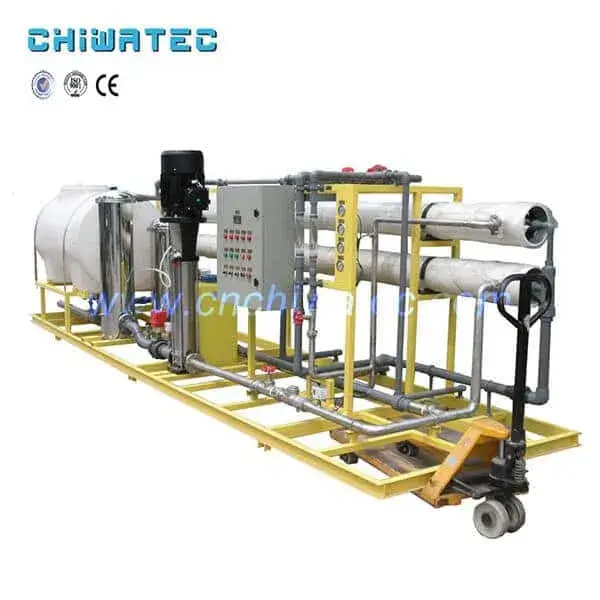
Comparison of the Four Reclaimed Water System Classifications
The table below summarizes the key differences across the four reclaimed water system types:
| Feature | Type 1 | Type 2 | Type 3 | Type 4 |
|---|---|---|---|---|
| Building Scale | Single building | Single building | Building group | Regional district |
| Drainage Required | Well-developed | Imperfect | Developed | Variable |
| Water Source | Graywater only | Total sewage | Combined drainage | STP effluent / industrial |
| Treatment Complexity | Low to medium | Medium | Medium to high | High |
| Capital Cost | Low | Low to medium | Medium | High |
| Operating Cost | Moderate | Moderate | Lower per unit | Lowest per unit |
The choice between these classifications depends on project budget, available space, local regulations, and the desired level of water self-sufficiency.
Key Design Considerations for Reclaimed Water Systems
Regardless of which system type is selected, several design factors affect performance and compliance:
- Water quality standards: Treated reclaimed water must meet national standards for non-potable reuse (e.g., China GB/T 18920-2020 for urban miscellaneous water)
- Treatment technology selection: Common technologies include MBR (membrane bioreactor), biological contact oxidation, sand filtration, and UV disinfection
- Storage and distribution: Reclaimed water storage tanks must be clearly marked and isolated from potable water systems to prevent cross-contamination
- Dual plumbing system: Buildings need separate piping networks for reclaimed water distribution, clearly distinguished by color coding or labeling
- Seasonal demand balance: Irrigation demand varies seasonally — systems should include storage capacity or alternative use pathways
Proper design ensures that reclaimed water systems deliver safe, reliable water quality while maximizing the environmental and economic benefits of water reuse.
Frequently Asked Questions
Q1: What are the main reclaimed water reuse system types?
The four main reclaimed water reuse system types are: (1) unit building systems in well-developed drainage areas, (2) unit building systems in imperfect drainage areas, (3) small area building group systems, and (4) regional building systems using municipal wastewater effluent.
Q2: What is the difference between graywater and blackwater in reclaimed water systems?
Graywater comes from hand washing, bathing, and laundry — it is relatively clean and requires simpler treatment. Blackwater comes from toilets and contains fecal matter — it requires more intensive treatment. Type 1 reclaimed water systems typically reuse only graywater, while Types 2-4 may treat combined wastewater.
Q3: How much water can a reclaimed water system save?
A well-designed reclaimed water system can reduce a building’s freshwater consumption by 30–50%, depending on the available water sources and end-use applications. For communities, the savings can be even greater when irrigation and landscape water are included.
Q4: What treatment technologies are used in reclaimed water systems?
Common treatment technologies include membrane bioreactors (MBR), biological contact oxidation, sand filtration, activated carbon filtration, UV disinfection, and chlorination. The choice depends on the reclaimed water system type, source water quality, and target reuse standards.
Q5: Can reclaimed water be used for drinking?
Standard reclaimed water system types are designed for non-potable uses only (toilet flushing, irrigation, cleaning). Potable reuse requires advanced treatment including RO, UV/AOP, and strict monitoring — these are separate systems with much higher treatment standards and regulatory requirements.
Conclusion & Call to Action
The four reclaimed water reuse system types provide a flexible framework for implementing water recycling projects at any scale — from a single hotel basement to an entire urban district. By matching the system classification to local drainage infrastructure, building density, and water demand, project developers can achieve significant reductions in freshwater consumption and wastewater discharge. For expert guidance on selecting and designing the right reclaimed water system for your project, contact CHIWATEC today. Email us at [email protected] or [email protected] for a free consultation and customized water reuse solution.
Do you have a water treatment project we can help with
* Designing,machining,installing,commissioning, customize and one-stop service






 English
  Spanish
  Portuguese




