Fleck Water Softener Regeneration Steps: Complete Operating Procedure 2026
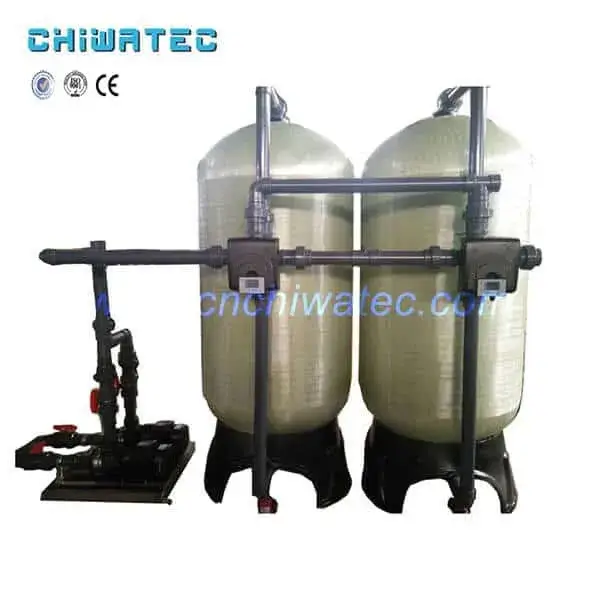
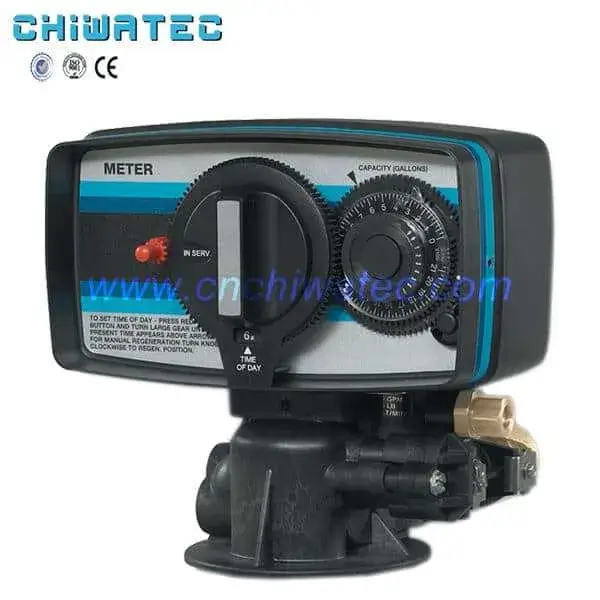
Fleck automatic water softeners regenerates based on time or volume control to restore resin exchange capacity. Understanding the complete Fleck water softener regeneration steps – from the working ion exchange cycle through backwash, salt regeneration, rinsing, and brine tank refill – is essential for proper operation and maintenance. The entire regeneration process typically takes 60-120 minutes depending on system size and settings, with Fleck control valves offering programmable regeneration cycles for optimal efficiency.
Fleck Water Softener Regeneration Steps: An Overview
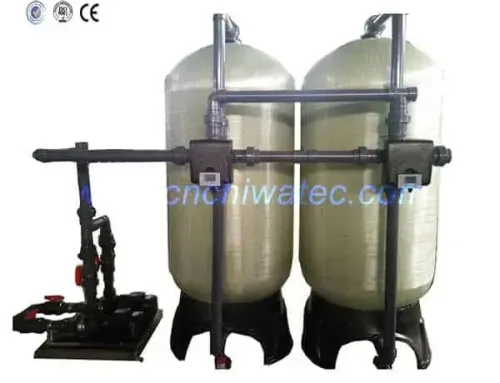
The automatic regeneration cycle of a Fleck water softener consists of six sequential Fleck water softener regeneration steps: run (working ion exchange), backwash, regeneration (salt absorption), slow rinse (replacement), quick rinse (positive wash), and brine tank refill. The regeneration can be initiated by a timer (time-initiated regeneration) or a flow meter (demand-initiated regeneration). During normal operation, raw water at 0.2-0.6 MPa pressure passes through the resin tank where Na+ ions on the resin beads exchange with Ca2+, Mg2+, and Fe2+ cations in the water, reducing hardness to below 70 mg/L as CaCO3. Once the resin becomes saturated with hardness ions, the control valve automatically initiates the regeneration sequence to restore exchange capacity.
Step 1: Operating Under Ion Exchange (Service Cycle)
Under a certain pressure (0.2-0.6 MPa) and flow rate, raw water enters the resin tank containing ion exchange resin through the Fleck control valve. The Na+ ions contained in the resin beads exchange with the Ca2+, Mg2+, and Fe2+ cations present in the water. This exchange process reduces the calcium and magnesium ion content of the effluent water to meet established requirements, effectively softening the hard water. The typical service cycle duration depends on water hardness and system capacity – a standard Fleck 5600 system with 1 cubic foot of resin can treat approximately 30,000-40,000 grains of hardness before regeneration is required. At a water hardness of 200 ppm, this translates to roughly 2,000-3,000 gallons of treated water per cycle.
Step 2: Backwashing the Resin Bed
After the resin reaches its exchange capacity, backwashing is initiated by reversing the water flow direction from bottom to top through the resin bed. This critical step serves two purposes: it loosens and expands the compressed resin bed (typically achieving 30-50% bed expansion) that compacted during the service cycle, ensuring full contact between resin particles and the regeneration solution during the upcoming salt regeneration step. Additionally, backwashing removes accumulated suspended solids, sediment, and resin fines that were trapped during the service cycle and flushes them to the drain. The backwash cycle typically lasts 5-15 minutes at a flow rate of 5-12 GPM for residential systems, depending on the tank diameter. Proper backwashing prevents increased water flow resistance and maintains system efficiency over time.
Step 3: Regenerating with Salt Solution
Under a specific concentration and flow rate controlled by the Fleck valve injector, the regeneration salt solution (brine) is drawn from the brine tank and flows through the exhausted resin layer. The high concentration of Na+ ions in the brine solution (typically 8-12% salinity) displaces the accumulated Ca2+, Mg2+, and Fe2+ ions from the resin beads, restoring their original exchange capacity. The salt dosage is critical – insufficient salt leads to incomplete regeneration while excessive salt wastes resources. Typical salt consumption for Fleck systems ranges from 6-15 lbs per cubic foot of resin, with each pound of salt capable of regenerating approximately 20,000-25,000 grains of exchange capacity. The brine draw and regeneration step typically lasts 30-60 minutes.
Step 4: Slow Rinse for Full Regeneration
After the regeneration salt solution has been fully drawn through the resin bed, residual brine remains in the resin tank that has not yet participated in the exchange process. The slow rinse (also called displacement or replacement rinse) uses clean water at a flow rate equal to or less than the regeneration flow rate to push this residual brine through the resin bed, maximizing the utilization of the regeneration solution. This step ensures that every portion of the resin bed benefits from the available salt solution before the final rinsing phase begins. The slow rinse typically operates at 0.3-0.7 GPM and lasts 10-30 minutes, gradually reducing the hardness level in the effluent as residual regeneration chemicals and displaced hardness ions are flushed from the system.
Step 5: Quick Rinse to Remove Residual Regeneration Waste
The quick rinse (also called positive wash) follows the slow rinse and operates at the normal service flow rate of 5-12 GPM. The purpose of this step is to rapidly flush any remaining regeneration waste liquid, residual salt, and displaced hardness ions from the resin bed. The heavy rinse continues until the effluent water quality meets the specified hardness requirements – typically below 70 mg/L as CaCO3 or as indicated by the system’s water quality monitoring. The quick rinse phase usually lasts 5-15 minutes for most Fleck residential systems. Proper rinsing ensures that no salt residuals enter the service water supply, preventing salty-tasting water during the subsequent service cycle.
Step 6: Refilling the Brine Tank
The final regeneration step involves refilling the brine tank with a measured volume of water to dissolve salt for the next regeneration cycle. The Fleck control valve directs a specific volume of water into the brine tank based on the programmed salt dose setting. The water dissolves the salt pellets or blocks in the brine tank, creating a saturated brine solution (approximately 3 lbs of salt per gallon of water at saturation) that will be used during the next regeneration. The brine tank refill volume is calculated based on the salt dosage required for the specific resin volume and water hardness. After the brine tank refill is complete, the control valve returns to the service position, and the system resumes normal softening operation until the next regeneration cycle is triggered.
Key Fleck Water Softener Regeneration Steps at a Glance
| Step | Action | Duration | Flow Rate | Purpose |
| 1 | Service (Run) | Hours/days | 5-12 GPM | Ion exchange softening |
| 2 | Backwash | 5-15 min | 5-12 GPM reverse | Loosen resin, remove debris |
| 3 | Brine Draw | 30-60 min | 0.3-0.7 GPM | Salt regeneration of resin |
| 4 | Slow Rinse | 10-30 min | 0.3-0.7 GPM | Maximize salt utilization |
| 5 | Quick Rinse | 5-15 min | 5-12 GPM | Flush residual waste |
| 6 | Brine Refill | 5-10 min | 0.5-1 GPM | Prepare for next cycle |
Frequently Asked Questions
How often should a Fleck water softener regenerate?
Regeneration frequency depends on water hardness, daily water usage, and system capacity. For a typical household with 200 ppm hardness and a standard 30,000-grain Fleck 5600 system, regeneration occurs every 5-7 days. Demand-initiated controls regenerate only when needed, reducing salt and water consumption by up to 30% compared to time-clock settings.
How much salt does a Fleck water softener use per regeneration?
A standard Fleck residential system uses 6-15 lbs of salt per regeneration, depending on the resin volume and water hardness. Each pound of salt regenerates approximately 20,000-25,000 grains of ion exchange capacity. Proper salt dosage settings minimize salt waste while ensuring complete resin regeneration.
How long does the Fleck regeneration cycle take?
The complete Fleck regeneration cycle typically takes 60-120 minutes, depending on system settings and the specific control valve model. The backwash (5-15 min), brine draw (30-60 min), slow rinse (10-30 min), quick rinse (5-15 min), and brine refill (5-10 min) phases combine for the total cycle time.
What happens if the power goes out during regeneration?
Fleck control valves with electronic controllers preserve the regeneration position during power loss. Once power is restored, the system resumes from where it stopped. Mechanical Fleck valves (like the 5600) continue the regeneration cycle using water pressure alone, completing the cycle even without electrical power.
Why is my Fleck softener regenerating too frequently?
Frequent regeneration can be caused by incorrect hardness settings, a leaky faucet or toilet increasing water usage, an undersized system for the household, or a malfunctioning flow meter. Check the programmed hardness setting, inspect for leaks, and verify the system capacity matches your daily water consumption. Demand-initiated systems should be checked for proper meter operation.
Conclusion and Call to Action
Mastering the six Fleck water softener regeneration steps – from service operation through backwash, brine regeneration, slow and quick rinsing, to brine tank refill – ensures optimal system performance, efficient salt usage, and consistent softened water quality. Proper understanding of each step helps operators troubleshoot issues and maintain peak efficiency. Xi’an CHIWATEC Water Treatment Technology supplies genuine Fleck control valves, replacement parts, and complete water softening systems for residential, commercial, and industrial applications.
Contact us for Fleck water softener support:
[email protected]
[email protected]
Do you have a water treatment project we can help with
* Designing,machining,installing,commissioning, customize and one-stop service

 English
  Spanish
  Portuguese