Reverse Osmosis Water Treatment System Composition: 2026 Complete Guide to RO Technology Features and Components
What makes a reverse osmosis water treatment system work effectively? A well-designed RO system is more than just a membrane — it is a carefully engineered assembly of pretreatment, membrane filtration, post-treatment, and cleaning subsystems that work together to produce high-purity water. The direct answer is: understanding the reverse osmosis water treatment system composition — including quartz sand filtration, activated carbon adsorption, precision filtration, the RO membrane array, and post-polishing — is essential for proper system selection, operation, and maintenance. The global RO membrane market was valued at USD 6.8 billion in 2024 and is projected to reach USD 12.4 billion by 2034 (Grand View Research), reflecting the expanding role of RO technology across industries from power generation to pharmaceutical manufacturing. CHIWATEC designs and manufactures complete RO water treatment systems with optimized component integration for industrial, commercial, and municipal applications worldwide.
Features of Reverse Osmosis Technology
Reverse osmosis technology offers several distinctive features that make it the preferred water purification method for a wide range of applications:
- No phase change at room temperature — RO operates under ambient temperature conditions without requiring heating or cooling for phase change. This makes it ideal for separating and concentrating heat-sensitive substances such as pharmaceutical compounds, food ingredients, and biological materials that would degrade under thermal processing.
- Low energy consumption — Compared to thermal separation methods like distillation (which requires significant heat input for phase change), RO consumes only the energy needed to drive the feed water pump. Typical energy consumption is 3–8 kWh/m³ for brackish water RO and 8–15 kWh/m³ for seawater RO, compared to 50–100 kWh/m³ for thermal desalination.
- Wide impurity removal range — RO membranes remove 95–99% of dissolved salts, 99%+ of bacteria and viruses, 95–99% of organic compounds (depending on molecular weight), and effectively reject turbidity, colloids, and suspended solids. This broad-spectrum removal capability makes RO versatile across industries.
- Modular and scalable design — RO systems are built from standardized membrane elements and pressure vessels, allowing easy capacity expansion by adding additional modules. A system designed for 10 m³/hour can be scaled to 100 m³/hour by adding membrane arrays in parallel.
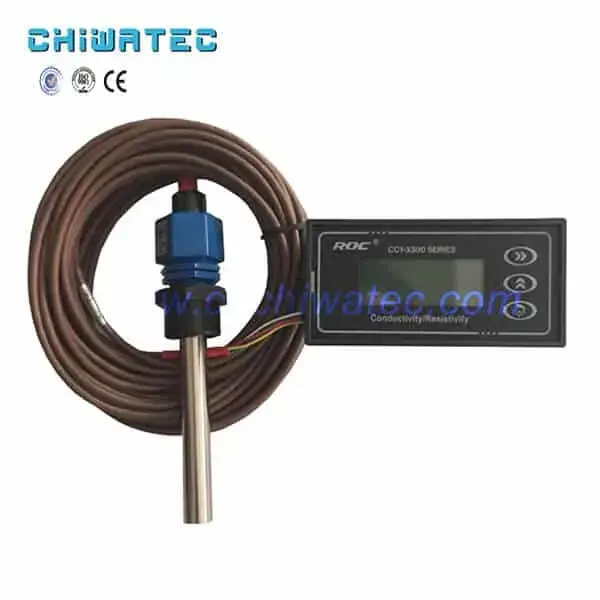
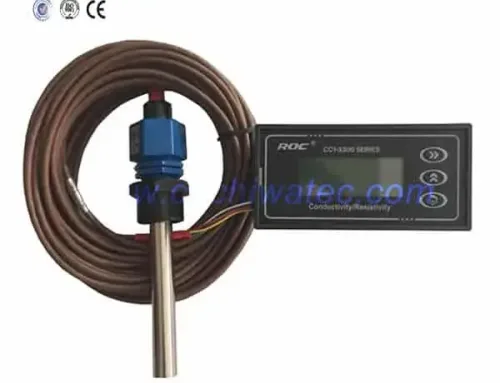
- Automated operation — Modern RO systems feature PLC-based control with continuous monitoring of flow, pressure, conductivity, temperature, and pH. Automated flush and cleaning cycles reduce operator intervention requirements. For troubleshooting automated systems, see the trouble repair guide for RO reverse osmosis water treatment systems.
Overview of Reverse Osmosis Water Treatment System Composition
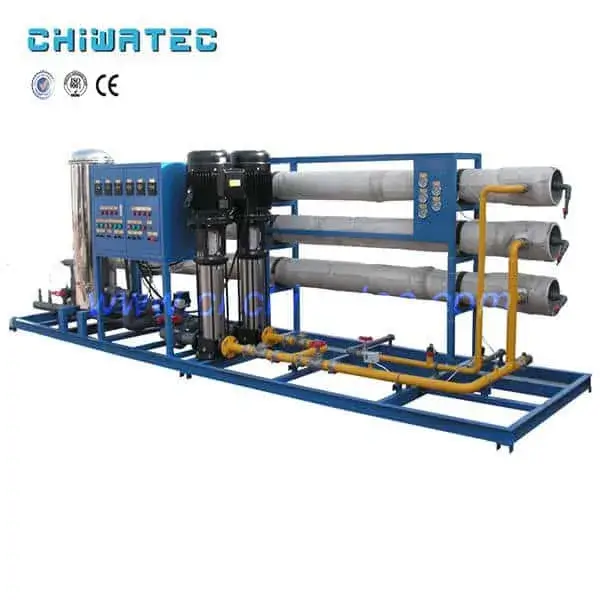
A complete reverse osmosis water treatment system composition consists of four major subsystems arranged in sequence:
| Subsystem | Components | Function |
|---|---|---|
| 1. Pretreatment | Quartz sand filter, activated carbon filter, precision filter (5 μm), antiscalant dosing | Remove suspended solids, chlorine, organic matter, and prevent membrane scaling |
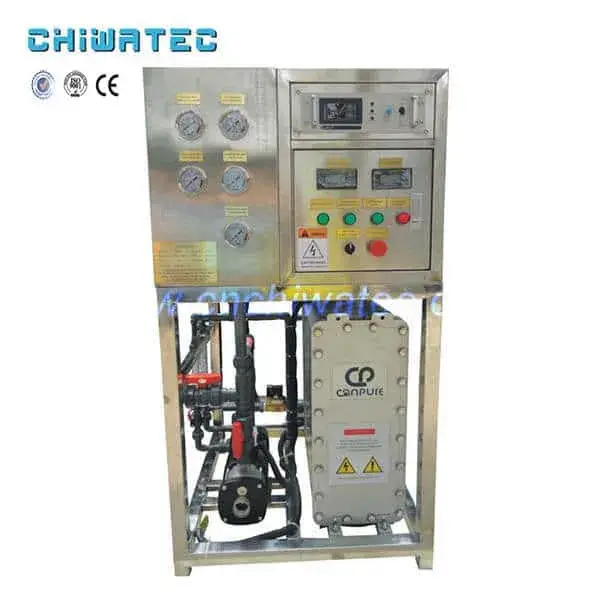
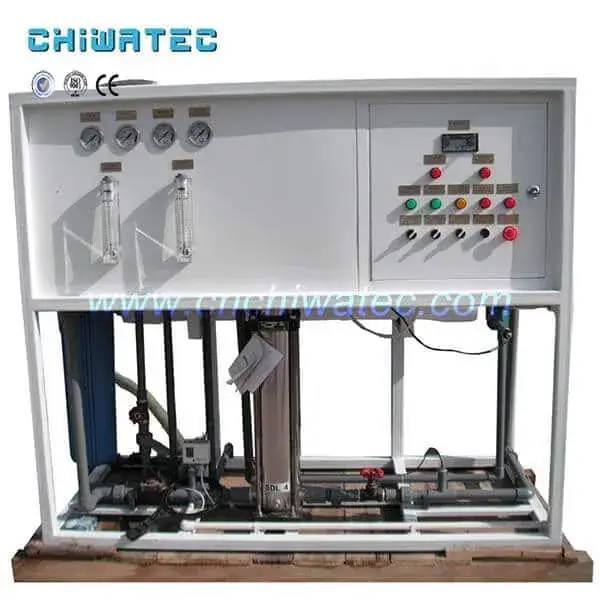
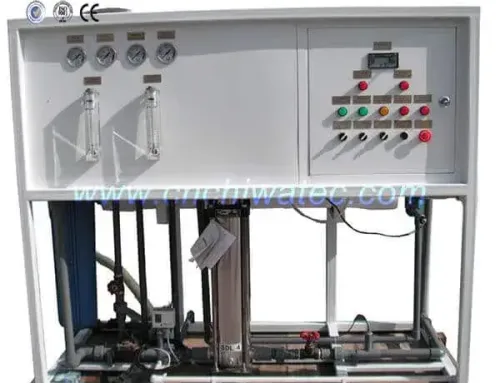
| 2. RO membrane host | High-pressure pump, RO membrane elements, pressure vessels, flow controls | Primary desalination and contaminant rejection; produces permeate and concentrate streams |
| 3. Post-treatment | Mixed-bed deionization, EDI, UV sterilization, pH adjustment | Polish RO permeate to required quality for specific application (ultrapure, pharma, etc.) |
| 4. Cleaning system | CIP tank, cleaning pump, cartridge filter, chemical dosing | Periodic membrane cleaning to restore performance and extend membrane life |
Each subsystem plays a critical role in ensuring the overall system delivers consistent water quality. For an in-depth analysis of pretreatment options, see optimizing RO systems: analysis of five common pretreatment processes.
Pretreatment System: The Foundation of Reliable RO Operation
The pretreatment section is arguably the most important part of the reverse osmosis water treatment system composition, as it directly determines membrane lifespan and system reliability:
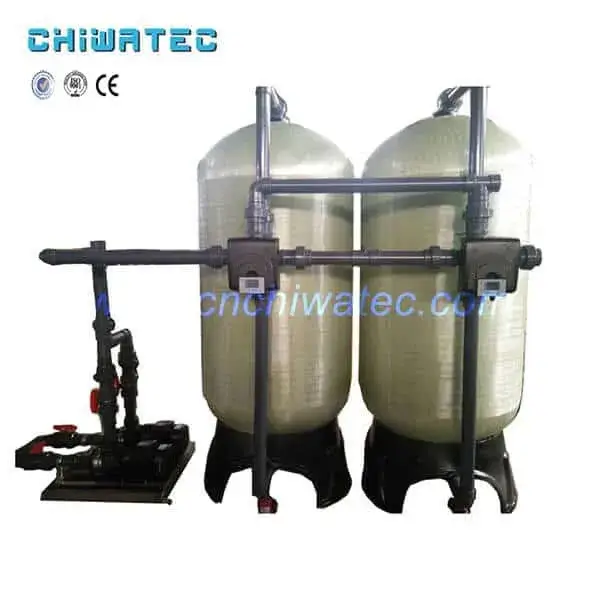
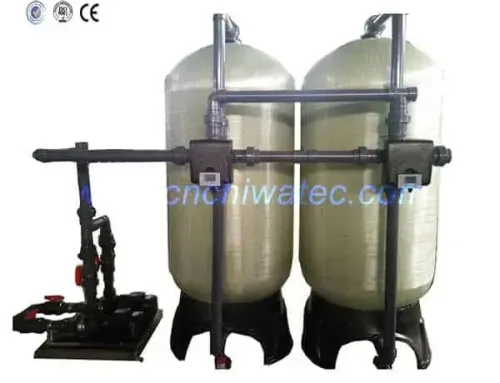
- Quartz sand filter — Removes suspended solids, sediment, rust, and colloidal matter larger than 20–40 microns. The filter bed consists of graded quartz sand layers of varying particle sizes. Backwashing is typically performed every 24–48 hours to remove accumulated solids.
- Activated carbon filter — Adsorbs residual chlorine, organic compounds, color, odor, and taste from the feed water. Chlorine removal is critical because RO membranes (especially polyamide thin-film composite types) are highly sensitive to chlorine damage — even 0.1 mg/L of free chlorine can cause irreversible membrane degradation over time.
- Precision (cartridge) filter — A 5-micron absolute-rated filter element captures any fine particles that may have passed through the earlier stages. This protects the high-pressure pump and RO membrane elements from particle fouling and abrasive damage.
- Antiscalant dosing — Injected into the feed water to prevent precipitation of sparingly soluble salts (calcium carbonate, calcium sulfate, barium sulfate, silica) on the membrane surface. For additional details, see the advancements in reverse osmosis technology for modern pretreatment innovations.
RO Membrane Host: The Core of the System
The RO membrane host is the heart of the reverse osmosis water treatment system composition:
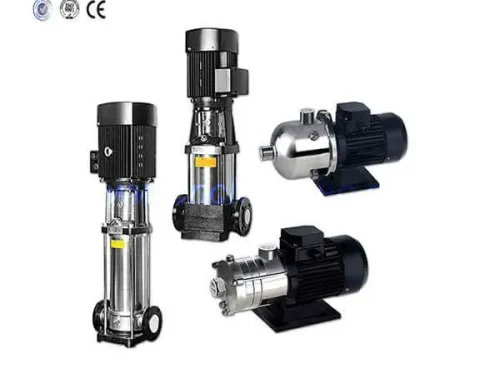
- High-pressure pump — Boosts feed water pressure to the required operating level (typically 10–15 bar for brackish water, 55–70 bar for seawater). Multistage centrifugal pumps with VFD control provide energy-efficient pressure regulation.
- Membrane elements and pressure vessels — Spiral-wound thin-film composite (TFC) polyamide membrane elements are the industry standard. Standard 4-inch diameter elements (2.5 m² membrane area) are used for small systems, while 8-inch elements (37 m²) are standard for industrial systems. Elements are housed in fiberglass-reinforced plastic (FRP) pressure vessels rated for the operating pressure.
- Array configuration — Membranes are arranged in staged arrays to optimize recovery rate. A typical 2:1 array (2 pressure vessels in the first stage feeding 1 vessel in the second stage) achieves 75% recovery for brackish water systems. Seawater systems typically use single-stage arrays with 35–45% recovery.
- Flow control — Permeate flow, concentrate flow, and recovery rate are controlled by flow meters, throttling valves, and pressure regulators. Automatic valves enable flush cycles and CIP isolation.
For advanced RO system applications in specific industries, see the impact of reverse osmosis pure water in the brewing industry and the specialized system requirements for food and beverage production.
Post-Treatment: Polishing RO Permeate to Final Quality
Depending on the final water quality requirements, RO permeate may require additional post-treatment. The reverse osmosis water treatment system composition often includes one or more of the following post-treatment stages:
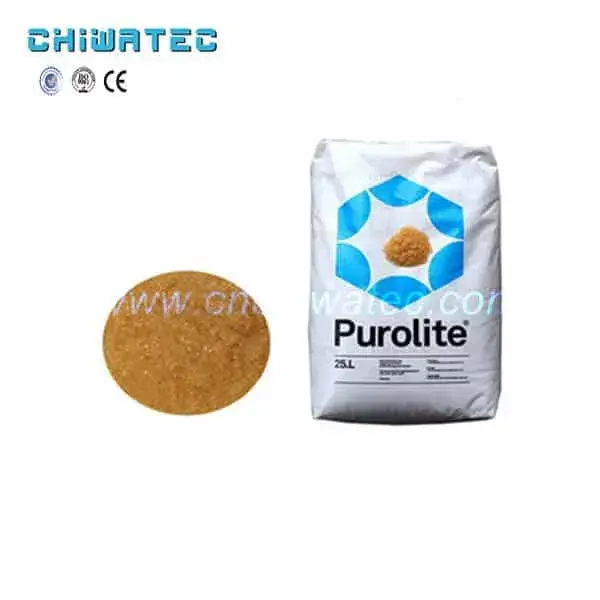
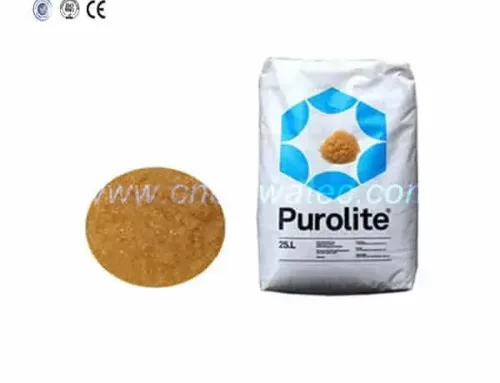
- Mixed-bed deionization (MBI) — For applications requiring resistivity above 10 MΩ·cm (laboratory, electronics, pharmaceutical). Mixed-bed vessels contain both cation and anion exchange resin in a single tank, polishing RO permeate to 18.2 MΩ·cm.
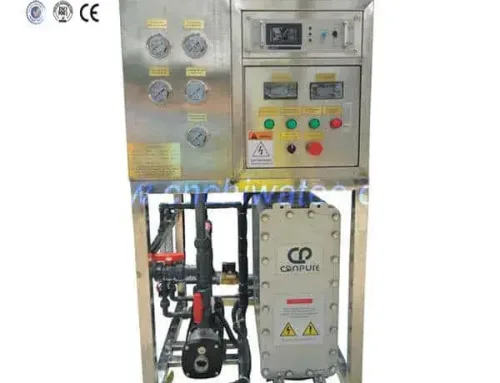
- Electrodeionization (EDI) — An alternative to mixed-bed deionization that uses ion-exchange membranes and electrical current to continuously remove residual ions without chemical regeneration. EDI is increasingly preferred for ultrapure water systems in semiconductor and pharmaceutical applications.
- UV sterilization — 254 nm UV lamps eliminate any residual bacteria or viruses that may have passed through the RO membrane due to seal bypass or biofilm growth in downstream piping.
- pH adjustment and remineralization — For drinking water applications, the permeate pH may be adjusted (typically using caustic soda or lime) and beneficial minerals (calcium, magnesium, bicarbonate) may be re-introduced to improve taste and meet drinking water standards.
System Cleaning and Maintenance Considerations
Regular maintenance of every component in the reverse osmosis water treatment system composition is essential for long-term performance:
- CIP (clean-in-place) system — A dedicated cleaning system consisting of a cleaning tank, circulation pump, and 5-micron cartridge filter. Standard cleaning protocols use acidic cleaning (citric acid, pH 2–3) for inorganic scale removal and alkaline cleaning (NaOH, pH 11–12) for organic fouling and biofouling removal.
- Cleaning frequency — Typically every 1–3 months depending on feed water quality. Key indicators that cleaning is needed include: normalized permeate flow decline of 10–15%, pressure drop increase of 15%, or salt passage increase of 10–15%.
- Pretreatment maintenance — Backwash sand and carbon filters regularly. Replace cartridge filters every 1–3 months. Replenish antiscalant chemical weekly.
- Membrane replacement — RO membranes typically last 3–5 years in well-maintained systems. Factors that shorten membrane life include inadequate pretreatment, chlorine exposure, scaling, and frequent cleaning cycles. For portable and small-scale RO applications, see the prospects of portable outdoor water purification devices.
Frequently Asked Questions (FAQ)
What are the main components of a reverse osmosis water treatment system?
A complete RO system consists of four major subsystems: (1) pretreatment (sand filter, carbon filter, cartridge filter, antiscalant dosing), (2) RO membrane host (high-pressure pump, membrane elements, pressure vessels), (3) post-treatment (EDI, mixed-bed, UV, pH adjustment), and (4) cleaning system (CIP tank, pump, and filter).
How does the pretreatment system protect RO membranes?
Pretreatment removes chlorine (which chemically attacks polyamide membranes), suspended solids (which cause physical fouling), and hardness ions (which cause scaling). Without proper pretreatment, RO membrane life can be reduced from 3–5 years to less than 6 months. For an optimized approach, see the analysis of common RO pretreatment processes.
What is the typical recovery rate for an RO system?
Recovery rate depends on feed water quality and system design. Brackish water RO systems typically achieve 65–80% recovery, while seawater RO systems operate at 35–45%. Higher recovery rates produce less concentrate but increase scaling risk and require more sophisticated pretreatment.
How often should RO membranes be replaced?
With proper pretreatment and regular cleaning, RO membranes typically last 3–5 years. Key indicators for replacement include: salt passage exceeding design specifications, normalized permeate flow dropping below 70% of initial value, or pressure differential exceeding 15% above baseline. For water quality classification guidance, see industrial RO pure water system equipment water quality classification.
Can RO systems remove fluoride from water?
Yes. RO membranes achieve 90–98% fluoride rejection, reducing fluoride levels from 1.5–5 mg/L to below 0.2 mg/L. For specialized fluoride removal applications beyond RO, see advanced technologies for efficient fluoride removal.
Conclusion & Call to Action
Understanding the reverse osmosis water treatment system composition — from pretreatment through membrane arrays to post-treatment and cleaning subsystems — is fundamental to selecting, operating, and maintaining a reliable RO system. Each component plays a critical role in ensuring consistent water quality, maximizing membrane life, and optimizing operating costs. By selecting the right configuration for your specific feed water quality and product water requirements, you can achieve years of trouble-free RO system operation.
For expert guidance on designing, supplying, or optimizing a reverse osmosis water treatment system for your application, contact CHIWATEC today at [email protected] or [email protected].
Related Resources and Further Reading
- Trouble Repair of RO Reverse Osmosis Water Treatment System
- Industrial RO Pure Water System: Water Quality Classification and Process Description
- Optimizing RO Systems: Analysis of Five Common Pretreatment Processes
- Advancements in Reverse Osmosis Technology: Revolutionizing Water Treatment
- RO Water Treatment System Product Range 2026 » CHIWATEC
Do you have a water treatment project we can help with
* Designing,machining,installing,commissioning, customize and one-stop service
 English
  Spanish
  Portuguese