Mineral Water Equipment Features: 5 Key Advantages for Drinking Water Production 2026
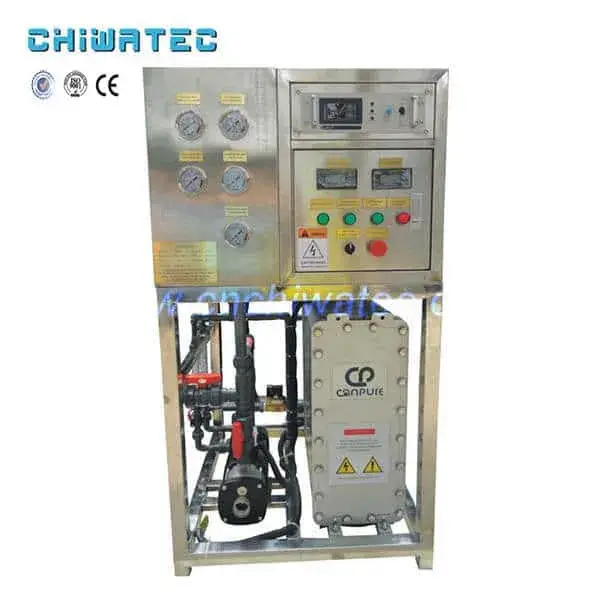
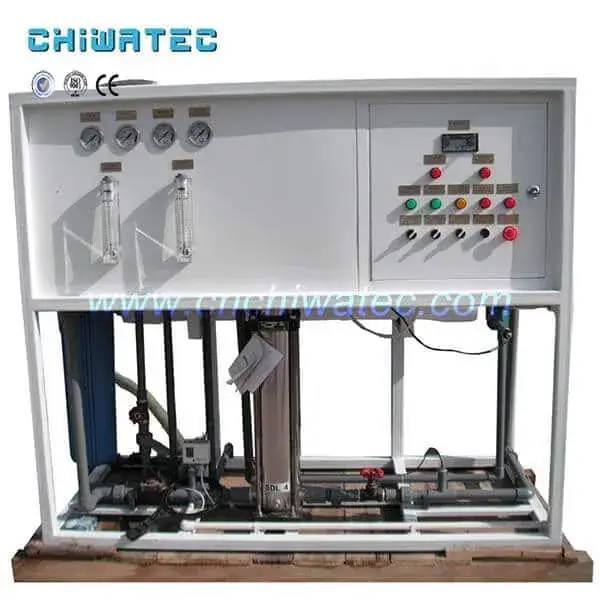
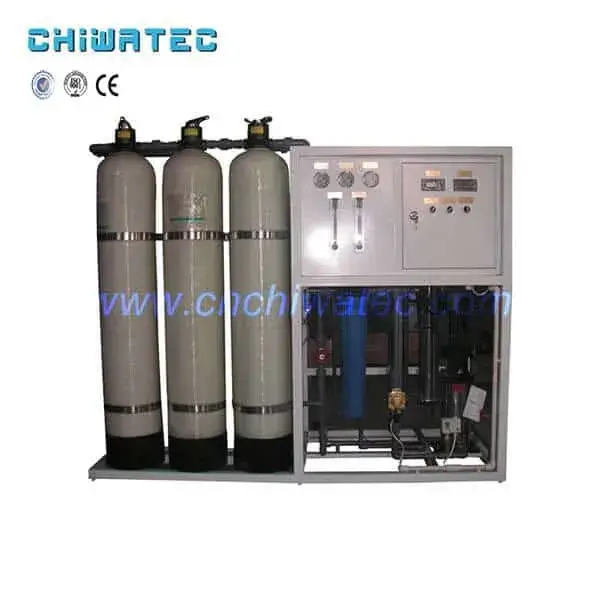
Modern mineral water equipment features advanced membrane separation technology that effectively removes bacteria, heavy metals, and organic contaminants from raw water while preserving beneficial minerals. These systems combine reverse osmosis or nanofiltration membranes with pretreatment filtration, sterilization, and quality monitoring to produce safe, reliable drinking water that meets national food safety and drinking water standards. This article examines the five unique mineral water equipment features that make these systems indispensable for domestic water treatment and commercial bottled water production — from anti-pollution membrane design to turbidity-based quality control — providing a clear reference for facility managers and water treatment professionals.
Mineral Water Equipment Features — Advanced Membrane Separation Technology
The first and most important of the five mineral water equipment features is the use of advanced membrane separation technology. Modern mineral water systems employ spiral-wound thin-film composite (TFC) membranes with molecular weight cutoffs between 100–300 Daltons for nanofiltration (NF) or 50–100 Daltons for reverse osmosis (RO). These membranes operate at 5–15 bar feed pressure, rejecting 95–99.5% of dissolved contaminants while allowing some beneficial minerals (calcium, magnesium, potassium) to pass through in NF configurations. Unlike traditional distillation or ion exchange, membrane separation is a purely physical process — no phase change, no chemical addition, and no regeneration waste. The membranes achieve bacteria removal of 99.99%+, virus removal of 99.9%+, and heavy metal (lead, arsenic, cadmium) rejection of 98–99.5%, ensuring the produced water meets WHO drinking water guidelines and national GB 8537-2018 mineral water standards.
Superior Anti-Pollution Membrane Design
A standout mineral water equipment feature is the superior anti-pollution capability of modern membrane elements. Advanced membrane manufacturing techniques incorporate low-friction feed spacers (28–34 mil), hydrophilic membrane surface coatings, and optimized membrane surface charge (zeta potential near neutral at pH 6–8) that reduce the adhesion of colloidal particles, organic matter, and microorganisms to the membrane surface. This anti-pollution design delivers several operational benefits: extended intervals between chemical cleanings (typically 6–12 months vs. 3–4 months for standard membranes), reduced chemical consumption for CIP, lower operating pressure requirements due to minimized fouling layer formation, and consistent permeate flow over extended operating periods. Field data from bottled water facilities shows that anti-pollution membranes maintain stable flux for 12–18 months versus 6–9 months for standard RO membranes under identical feed water conditions.
Wide pH Range Adaptability
Another important mineral water equipment feature is the membrane’s ability to operate across a wide pH range. TFC polyamide membranes used in mineral water equipment maintain stable rejection performance across a feed water pH range of 3–11, compared to cellulose acetate membranes that degrade outside pH 5–8. This broad pH tolerance is particularly valuable for mineral water production because natural water sources (springs, wells, boreholes) can vary significantly in pH depending on geological formations — from pH 4.5 in granite-rich areas to pH 8.5 in limestone regions. The wide pH range ensures consistent contaminant rejection regardless of source water pH fluctuations, eliminating the need for acid or alkali dosing to adjust feed water pH before membrane treatment. This reduces chemical consumption, simplifies system design, and maintains the natural mineral balance of the water.
Effective Sterilization Capability
The sterilization capability of mineral water equipment ensures that the final product is microbiologically safe for consumption. Modern systems integrate multiple disinfection barriers:
- UV sterilization (254 nm): Installed at the final polishing stage, UV lamps deliver a minimum dose of 40 mJ/cm², achieving 99.99% inactivation of bacteria (E. coli, coliforms), viruses (hepatitis A, norovirus), and protozoa (Cryptosporidium, Giardia) without chemical additives or disinfection byproducts.
- Ozone injection (optional): For bottled water applications, ozone (0.2–0.5 mg/L residual) is injected into the product water for long-lasting disinfection during storage. Ozone decomposes to oxygen within 20–30 minutes, leaving no chemical residual in the bottled product.
- Microporous membrane filtration: Final 0.45 µm or 0.22 µm absolute filters remove bacterial fragments, endotoxins, and particulates that survive UV treatment, providing a physical barrier against microbial contamination at the point of filling.
These multiple barriers ensure that mineral water equipment achieves bacterial counts below 20 CFU/mL (well within the GB 8537 standard of < 100 CFU/mL) and zero detectable coliforms or pathogens in the finished product.
Anti-Clogging Design with Turbidity Monitoring
The fifth key feature is the integrated anti-clogging design combined with continuous turbidity monitoring. Mineral water equipment incorporates several design elements to prevent clogging and ensure consistent operation:
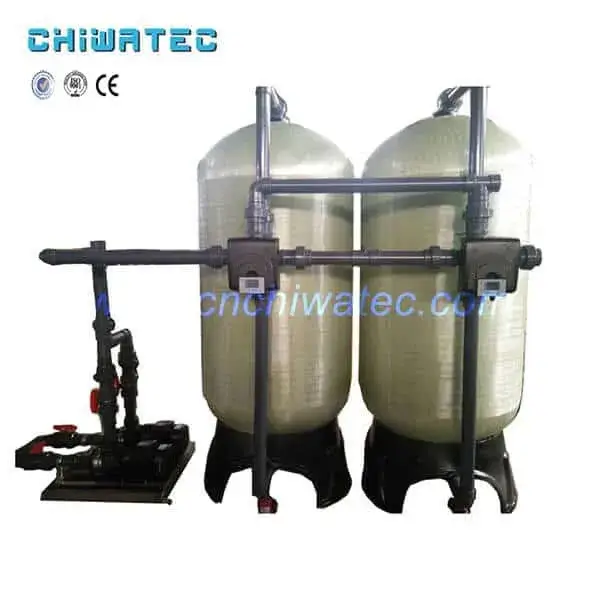
- Staged pretreatment: Multimedia filtration (removes particles > 20 µm), activated carbon (removes chlorine and organic matter), and 5 µm cartridge filtration ensure that raw water entering the RO/NF membranes has SDI < 3 and turbidity < 0.2 NTU, minimizing the risk of particulate fouling.
- Automatic membrane flush: The PLC controller initiates automatic flush cycles at system startup (30 seconds), normal shutdown (60 seconds), and on a timed schedule every 4–8 hours during idle periods. High-velocity flush water (2–3× normal crossflow velocity) sweeps loose particulates and biofilms from membrane surfaces to drain.
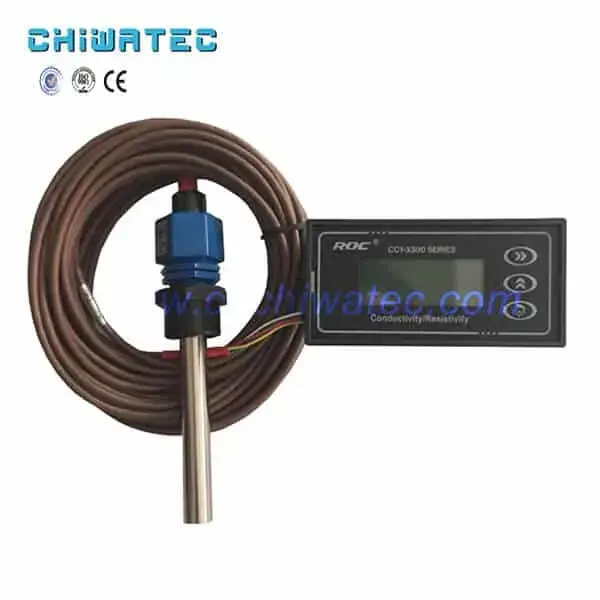
- Online turbidity and SDI monitoring: Continuous turbidity measurement (0–10 NTU range, ± 0.01 NTU accuracy) at the pretreatment outlet provides real-time early warning of prefilter breakthrough. If turbidity exceeds 0.3 NTU, the system automatically initiates a flush cycle or triggers an alarm to alert operators before membrane fouling occurs.
Comparison Table: Five Key Features of Modern Mineral Water Equipment
| Feature | Technology | Performance Benefit | Impact on Water Quality |
| Membrane separation | RO/NF TFC membranes | 99%+ contaminant rejection | Safe drinking water, mineral retention |
| Anti-pollution design | Low-friction spacers, hydrophilic coating | 6–12 months between cleanings | Consistent quality, lower operating cost |
| Wide pH range | pH 3–11 stable rejection | No feed water pH adjustment needed | Natural mineral balance preserved |
| Sterilization | UV + ozone + microporous filter | 99.99% microbial inactivation | Pathogen-free, shelf-stable bottled water |
| Anti-clogging + monitoring | Automatic flush + turbidity/SDI monitor | Reduced downtime, extended membrane life | Early warning of quality deviations |
Frequently Asked Questions (FAQ)
What are the five unique features of mineral water equipment?
The five unique mineral water equipment features are: (1) advanced membrane separation technology for contaminant removal, (2) superior anti-pollution membrane design for extended operation, (3) wide pH range adaptability eliminating the need for chemical adjustment, (4) multi-barrier sterilization (UV + ozone + filtration), and (5) anti-clogging design with online turbidity monitoring for reliable, low-maintenance operation.
Does mineral water equipment remove beneficial minerals?
Nanofiltration (NF) membranes used in modern mineral water equipment selectively remove contaminants while allowing beneficial minerals (calcium, magnesium, potassium, bicarbonates) to pass through. Typical NF rejection rates are 95% for multivalent ions (hardness, heavy metals) but only 20–50% for monovalent ions (calcium, magnesium bicarbonates), preserving the natural mineral profile of the source water.
How often does mineral water equipment need maintenance?
Routine maintenance includes: cartridge prefilter replacement (every 1–3 months), UV lamp replacement (annually or 8,000 operating hours), membrane CIP cleaning (every 6–12 months with anti-pollution membranes), and ozone generator maintenance (every 6 months). Online monitoring systems alert operators when any component requires attention.
What water sources are suitable for mineral water equipment?
Mineral water equipment can treat a wide range of natural water sources including spring water, well water, borehole water, and municipal tap water, provided the raw water turbidity is below 5 NTU and SDI below 5. Sources with high iron (> 0.3 mg/L) or manganese (> 0.05 mg/L) may require additional oxidation and filtration pretreatment before membrane treatment.
Does mineral water equipment require chemical regeneration?
No. The membrane separation process is purely physical — no acid, caustic, or brine regeneration is required. Occasional CIP cleaning (every 6–12 months) uses mild biodegradable detergents and citric acid solutions, but there is no daily chemical consumption or chemical waste discharge associated with normal operation.
Conclusion and Call to Action
The five mineral water equipment features — advanced membrane separation, anti-pollution membrane design, wide pH range adaptability, multi-barrier sterilization, and anti-clogging design with turbidity monitoring — make modern mineral water treatment systems the technology of choice for safe, reliable drinking water production. These features deliver 99%+ contaminant removal, extended membrane life without frequent cleaning, and consistent water quality that meets national and international bottled water standards. At CHIWATEC, we manufacture complete mineral water treatment systems incorporating these five key features, with capacities from 1 to 100 m³/h, including NF/RO membranes, UV sterilization, ozone injection, and fully automatic PLC control with remote monitoring. For a system designed to your specific source water analysis and production volume, contact us at [email protected] or [email protected].
Related Resources and Further Reading
- Mineral Water Equipment Process: Complete Production System Guide
- Pure Water/Mineral Water Plant Production Process: Complete Guide
- Key Hygiene Issues in Mineral Water Production: A Comprehensive Analysis
- Mineral Water Filtration System: Complete Guide to Equipment Performance Indicators
- RO Water Treatment Systems — Browse CHIWATEC Products
Do you have a water treatment project we can help with
* Designing,machining,installing,commissioning, customize and one-stop service
 English
  Spanish
  Portuguese