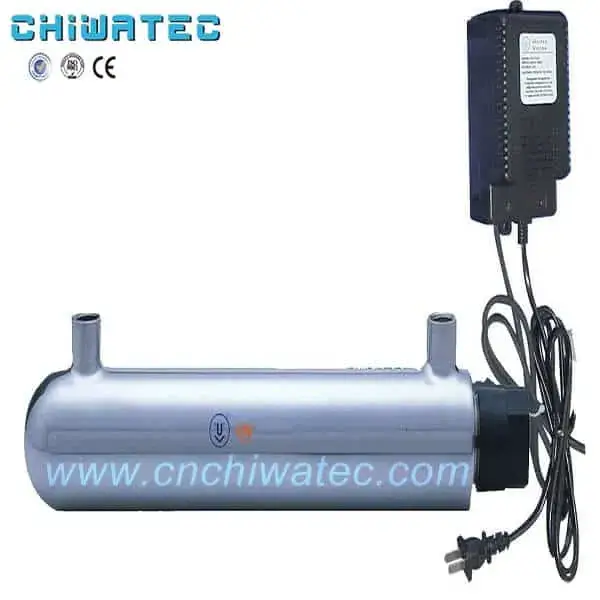
Applications of UV Disinfection Technology in Municipal Water Supply and Drinking Water Plants
UV disinfection technology has become a mature and trusted solution in municipal water supply systems, providing an effective way to eliminate pathogens and improve drinking water safety. Since its widespread adoption in the United States and Europe in 1982, UV disinfection has become an essential method in water treatment, often used in combination with other disinfection techniques to target a broad spectrum of waterborne pathogens, including resistant organisms like Cryptosporidium and Giardia. The addition of UV disinfection can also help reduce harmful disinfection byproducts associated with chemical treatments, such as carcinogenic compounds, ensuring safer drinking water.
Applications of UV Disinfection Technology in Small and Medium Municipal Water Plants
UV disinfection units are well-suited for small and medium-sized community water supply plants, typically serving populations of 300 to 8,000 residents. These systems are designed to be versatile, allowing for either independent use or integration with other disinfection methods to achieve comprehensive water treatment. Major manufacturers of UV disinfection systems, such as Trojan and Siemens, offer units specifically tailored for small to medium-sized municipal water treatment facilities.
Advantages of UV Disinfection Systems for Small and Medium Plants:
- Flexible Integration: UV systems can function as standalone disinfection units or be part of a multi-stage disinfection approach, improving overall treatment efficiency.
- Easy Installation: These systems are compatible with existing water treatment setups and can be seamlessly added to enhance pathogen removal.
- Optional Automatic Cleaning Systems: Many units include options for fully automated cleaning and chemical cleaning attachments, ensuring long-term efficiency and minimal maintenance.
- Remote Monitoring Capabilities: Modern UV disinfection units can be monitored and controlled remotely, providing operational convenience and ensuring consistent treatment results.
- Cost-Effectiveness: UV systems designed for smaller facilities are affordable to purchase, install, and operate, making them an economical choice.
- Energy-Efficient Operation: Many units use durable, energy-saving low-pressure UV lamps with low replacement costs, ensuring efficient and budget-friendly operation.
Applications of UV Disinfection Technology in Large Municipal Water Plants
In large-scale municipal water plants, UV disinfection systems are primarily integrated as part of a multi-barrier disinfection strategy, enhancing the safety and quality of drinking water on a larger scale. These systems provide a reliable secondary layer of protection against a wide range of pathogens, especially those resistant to chemical disinfectants.
Advantages of UV Disinfection Systems for Large Plants:
- Enhanced Multi-Barrier Protection: When combined with chemical disinfection, UV treatment delivers comprehensive pathogen control, including resistant microorganisms.
- Seamless Integration: UV disinfection units can be effortlessly added to existing water treatment infrastructure, upgrading disinfection without requiring a complete overhaul.
- Fully Automated Cleaning: Many UV systems for large plants feature automated cleaning mechanisms, which minimize manual maintenance and ensure consistent UV output.
- Affordable Initial and Operating Costs: Compared to other advanced disinfection methods, UV systems offer a cost-effective solution for enhancing water safety.
Benefits of UV Disinfection Technology in Municipal Water Treatment
UV disinfection offers several distinct advantages for municipal water treatment:
- Effective Pathogen Control: UV light effectively neutralizes bacteria, viruses, and protozoa, including chlorine-resistant organisms.
- Reduction of Chemical Byproducts: By using UV light, water plants can reduce reliance on chemical disinfectants, decreasing harmful byproducts such as trihalomethanes (THMs) and haloacetic acids (HAAs).
- Environmentally Friendly: UV disinfection does not introduce chemicals into the water, making it a safer and more environmentally conscious choice.
- Minimal Maintenance Requirements: Modern UV systems are low-maintenance, with many units offering automated cleaning and low-pressure lamps for energy efficiency.
Conclusion
The adoption of UV disinfection technology in municipal water treatment plants, both large and small, is a strategic choice for enhancing water quality and safety. Its effectiveness in removing pathogens without producing harmful byproducts makes it an invaluable addition to water treatment infrastructure, ensuring that treated water meets high safety standards for all communities.
Xi’an CHIWATEC Water Treatment Technology is a high-tech enterprise specialized in various water processing devices. Aside from these individual products, which cover a number of types and series, we can also help with related comprehensive engineering projects. Thanks to our hard work and dedication upon our founding, we are now one of the fastest-developing water treatment equipment manufacturers in Western China.
Further reading
FOLLOW US
Do you have a water treatment project we can help with
* Designing,machining,installing,commissioning, customize and one-stop service
 English
  Spanish
  Portuguese