Sewage Treatment Standards: Complete Guide to Wastewater Treatment Equipment Compliance 2026
Looking for clear guidance on sewage treatment standards and what they mean for your equipment? Whether you are designing a new wastewater treatment plant, upgrading existing facilities, or ensuring regulatory compliance, understanding the applicable treatment standards is essential. This comprehensive guide explains the major sewage treatment standards worldwide, how they translate to equipment requirements, and practical steps to achieve compliance.
*Last Updated: May 2026 | Industry-Verified Data*
Why This Guide Matters
The global wastewater treatment equipment market was valued at approximately USD 32.8 billion in 2024 and is projected to reach USD 55.7 billion by 2034, growing at a CAGR of 5.4%. With tightening discharge regulations across China, Europe, and North America, selecting equipment that meets the correct sewage treatment standard is no longer optional — it is a legal and financial necessity. Non-compliance can result in fines exceeding USD 100,000 per violation in some jurisdictions, making a thorough understanding of treatment standards a critical business priority.
Key Industry Trends (2026 Update)
- PFAS Regulation Expansion: The U.S. EPA’s 2024 PFAS National Primary Drinking Water Regulation and ongoing state-level initiatives are driving adoption of advanced treatment technologies (GAC, RO, ion exchange) even in municipal sewage treatment plants, raising the effective standard for many facilities.
- China’s Grade I-A Mandate Expansion: An increasing number of Chinese provinces are requiring Grade I-A effluent (GB 18918-2002) for all municipal wastewater treatment plants, pushing facilities to upgrade from secondary to tertiary treatment standards.
- EU Urban Wastewater Treatment Directive Revision: The European Commission’s 2024 proposal to revise the UWWTD includes new requirements for micropollutant removal and energy neutrality, setting more stringent treatment standards for the coming decade.
- Harmonization of International Standards: ISO 24516 series (guidelines for the management of wastewater utilities) and increasing alignment between national standards are simplifying compliance for multinational operators but raising the overall bar for effluent quality.
1. What Are Sewage Treatment Standards and Why Are They Important?
Defining Treatment Standards
Sewage treatment standards are regulatory benchmarks that specify the maximum allowable concentrations of pollutants in treated wastewater effluent before discharge or reuse. These standards define limits for key parameters including biochemical oxygen demand (BOD5), chemical oxygen demand (COD), total suspended solids (TSS), nitrogen, phosphorus, pathogens, and increasingly, emerging contaminants such as PFAS and microplastics. Standards vary by jurisdiction, receiving water body classification, and intended reuse application.
The Importance of Compliance
Adherence to sewage treatment standards is critical for three reasons: (1) legal compliance — operating without meeting applicable standards can result in fines, plant shutdowns, and legal liability; (2) environmental protection — standards are designed to protect water quality, aquatic ecosystems, and downstream water users; and (3) public health — proper treatment prevents waterborne disease transmission, with WHO estimating that unsafe water causes approximately 485,000 deaths annually worldwide. Understanding the relationship between treatment levels and equipment compliance standards is the first step toward a compliant treatment system.
2. What Are China’s GB 18918-2002 Sewage Treatment Standards?
Four-Grade Classification System
China’s GB 18918-2002 “Discharge Standard of Pollutants for Municipal Wastewater Treatment Plant” establishes four effluent grades. Grade I-A is the most stringent, requiring COD below 50 mg/L, BOD5 below 10 mg/L, SS below 10 mg/L, TN below 15 mg/L, and TP below 0.5 mg/L — typically achievable only through tertiary treatment with biological nutrient removal and deep filtration. Grade I-B allows slightly higher limits (COD 60 mg/L, BOD5 20 mg/L, SS 20 mg/L) and is suitable for discharge into general surface waters. Grade II (COD 100 mg/L, BOD5 30 mg/L, SS 30 mg/L) represents the standard secondary treatment level. Grade III (COD 120 mg/L, BOD5 60 mg/L, SS 50 mg/L) is for pre-treatment before industrial discharge.
Implementation Trends
As of 2025, over 60% of China’s urban wastewater treatment plants have upgraded to Grade I-A or higher, driven by the Ministry of Ecology and Environment’s Water Pollution Prevention and Control Action Plan. New plants in environmentally sensitive areas (e.g., the Yangtze River and Yellow River basins) are increasingly required to meet Grade I-A from the start of operations. The trend toward higher standards creates ongoing demand for advanced treatment technologies including MBR, deep-bed filtration, and UV disinfection.
3. What Are the U.S. EPA Sewage Treatment Standards?
Secondary Treatment Standards (40 CFR Part 133)
The U.S. Clean Water Act establishes secondary treatment as the minimum standard for municipal wastewater treatment plants. Under 40 CFR Part 133, secondary treatment requires BOD5 below 30 mg/L (monthly average), TSS below 30 mg/L, and pH between 6.0 and 9.0. These standards apply to all publicly owned treatment works (POTWs) and serve as the baseline for National Pollutant Discharge Elimination System (NPDES) permits.
Beyond Secondary: Advanced Treatment Requirements
Many NPDES permits impose stricter limits than secondary treatment, particularly for facilities discharging into sensitive or impaired water bodies. EPA’s 2024 PFAS Strategic Roadmap introduces new treatment requirements that may require technologies such as granular activated carbon (GAC), anion exchange, or reverse osmosis to meet increasingly stringent discharge limits. Individual states may impose additional requirements — for example, California’s Title 22 standards for water reuse require tertiary treatment with pathogen reduction equivalent to 5-log virus removal and 5-log protozoa removal.
Technology-Based vs. Water Quality-Based Standards
U.S. regulations use a dual approach: technology-based effluent limitations (based on what treatment technologies can achieve) and water quality-based effluent limitations (based on what the receiving water body requires). When technology-based limits are insufficient to protect water quality, more stringent water quality-based limits apply, effectively raising the required treatment standard for specific facilities.
4. What Are the EU Urban Wastewater Treatment Standards?
Directive 91/271/EEC Framework
The EU Urban Wastewater Treatment Directive (91/271/EEC) establishes a tiered system requiring secondary treatment for discharges from agglomerations above 2,000 population equivalents (p.e.) and more stringent treatment for discharges into sensitive areas. Sensitive areas — those subject to eutrophication or serving as drinking water sources — require nutrient removal achieving total phosphorus below 1-2 mg/L and total nitrogen below 10-15 mg/L, depending on plant size.
2024 Proposed Revision
The European Commission’s 2024 proposal for a revised UWWTD introduces several significant changes: (1) extending the scope to include agglomerations above 1,000 p.e., (2) requiring quaternary treatment (micropollutant removal) for plants above 150,000 p.e. with a 10-year implementation timeline, (3) establishing energy neutrality targets by 2045, and (4) introducing extended producer responsibility (EPR) for pharmaceutical and cosmetic manufacturers to fund micropollutant removal. These revisions will substantially raise treatment standards across the EU over the next decade.
5. How Do Sewage Treatment Standards Differ by Receiving Water Body?
Sensitive vs. Non-Sensitive Waters
Most regulatory frameworks apply differentiated standards based on the sensitivity of the receiving water body. Sensitive waters — including those designated for drinking water abstraction, supporting endangered species, or prone to eutrophication — require higher treatment standards. China’s water function zone classification system (GB 3838-2002) establishes five classes from Grade I (pristine source water) to Grade V (agricultural/industrial), with discharge standards becoming progressively stricter for higher-grade receiving waters.
Seasonal and Flow-Based Standards
Some jurisdictions implement seasonal or flow-based treatment standards. During low-flow summer months when dilution capacity is reduced, stricter BOD5 and ammonia limits may apply. In the United Kingdom, the Environment Agency uses environmental quality standards (EQS) that can vary seasonally, with tighter limits for ammonia during summer when fish are more sensitive to toxic effects.
6. What Treatment Technologies Meet Different Sewage Treatment Standards?
Secondary Treatment Technologies
Meeting basic secondary treatment standards (BOD5 < 30 mg/L, TSS < 30 mg/L) is achievable through conventional technologies including activated sludge, sequencing batch reactors (SBR), and biological aerated filters (BAF). These systems typically achieve 85-95% BOD5 removal and 90% TSS removal. For smaller communities, packaged treatment plants and domestic sewage treatment methods using similar biological processes can meet secondary standards at lower capital cost.
Advanced/Tertiary Treatment Technologies
Achieving higher standards such as China’s Grade I-A or EU sensitive area requirements typically requires additional treatment stages. Key technologies include biological nutrient removal (BNR) for nitrogen and phosphorus, membrane bioreactors (MBR) for combined biological and physical treatment, deep-bed filtration for suspended solids removal, and UV or ozone disinfection for pathogen reduction. For micropollutant removal (emerging EU quaternary standard), technologies include granular activated carbon (GAC), ozonation, and advanced oxidation processes (AOP). Filtration technology in sewage treatment plays a particularly critical role in meeting increasingly stringent TSS and turbidity limits.
7. What Are the Pathogen Removal Standards in Sewage Treatment?
Microbiological Criteria by Jurisdiction
Pathogen removal standards vary significantly by country and discharge type. For discharge into recreational waters, typical standards require fecal coliform below 200 CFU/100mL (U.S. EPA) or 500 CFU/100mL (China Grade I-A). For water reuse applications, standards are substantially stricter: California Title 22 requires total coliform below 2.2 MPN/100mL (median), typically achieved through membrane filtration combined with UV disinfection. WHO guidelines for agricultural reuse recommend achieving <1 helminth egg per liter and fecal coliform below 1,000 CFU/100mL for unrestricted irrigation.
Disinfection Technologies and Compliance
Common disinfection technologies include chlorine (most widely used, residual protection but produces disinfection byproducts), UV (no chemical residual, effective against Cryptosporidium and Giardia), and ozone (powerful oxidant, no harmful residuals but higher cost). Selection depends on target pathogens, effluent quality, regulatory requirements, and cost considerations. MBR systems provide inherent pathogen removal of 4-6 log through membrane filtration, reducing the disinfection burden for reuse applications.
8. How Do Industrial Wastewater Discharge Standards Differ from Municipal Standards?
Industry-Specific Standards
Industrial wastewater is typically subject to more complex and stringent standards due to the presence of toxic pollutants, heavy metals, and high-strength organic loads. In the U.S., EPA establishes effluent limitation guidelines (ELGs) for 59 industrial categories, each with specific pollutant limits. China’s GB 8978-1996 “Integrated Wastewater Discharge Standard” provides a framework supplemented by industry-specific standards such as GB 13456-2012 (iron and steel), GB 25467-2010 (copper, nickel, cobalt冶炼), and GB 21904-2008 (pharmaceuticals).
Pretreatment Requirements
Most jurisdictions require industrial facilities to pretreat wastewater before discharge into municipal sewers. Pretreatment standards aim to (1) protect municipal treatment plant operations, (2) prevent pass-through of pollutants that would violate the plant’s discharge permit, and (3) prevent contamination of sewage sludge. Typical pretreatment includes oil/water separation, pH neutralization, equalization, and in some cases heavy metal removal via chemical precipitation or ion exchange. Understanding mercury-containing wastewater treatment methods provides a good example of specialized pretreatment requirements for toxic pollutants.
9. What Are the Water Reuse Standards and How Do They Affect Treatment Requirements?
Non-Potable Reuse Standards
Water reuse standards establish treatment requirements based on the intended application. For agricultural irrigation, WHO guidelines recommend secondary treatment plus stabilization ponds or equivalent pathogen removal. For urban reuse (landscape irrigation, toilet flushing), stricter standards apply — China’s GB/T 18920-2020 requires turbidity below 5 NTU and fecal coliform below 3 CFU/L for urban miscellaneous water. Industrial reuse standards vary by application; cooling water typically requires reduced scaling potential through softening or RO, while boiler feed water requires ultrapure standards meeting conductivity below 0.1 μS/cm.
Potable Reuse Standards and Multi-Barrier Approach
Direct and indirect potable reuse requires the most stringent treatment standards. California’s Title 22 groundwater replenishment requirements mandate a multi-barrier approach including: secondary treatment, reverse osmosis, and advanced oxidation (UV/H2O2 or equivalent), with continuous monitoring of surrogate parameters such as conductivity and TOC. Singapore’s NEWater system uses a similar approach: conventional treatment, microfiltration, reverse osmosis, and UV disinfection, producing water that meets WHO and USEPA drinking water standards.
10. How to Ensure Your Sewage Treatment Equipment Meets Applicable Standards?
Equipment Selection Criteria
Selecting equipment that can reliably meet sewage treatment standards requires careful consideration of: (1) design effluent limits — verify both monthly average and maximum daily limits for all regulated parameters; (2) peak flow and load conditions — equipment must perform under wet-weather and high-load scenarios; (3) operational flexibility — ability to adjust treatment intensity as influent characteristics vary; and (4) monitoring and control systems — real-time parameter monitoring ensures continuous compliance with verification capability.
Verification and Certification
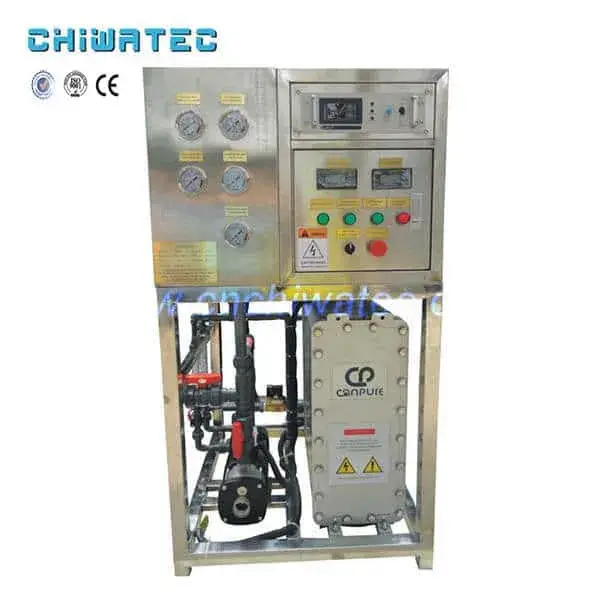
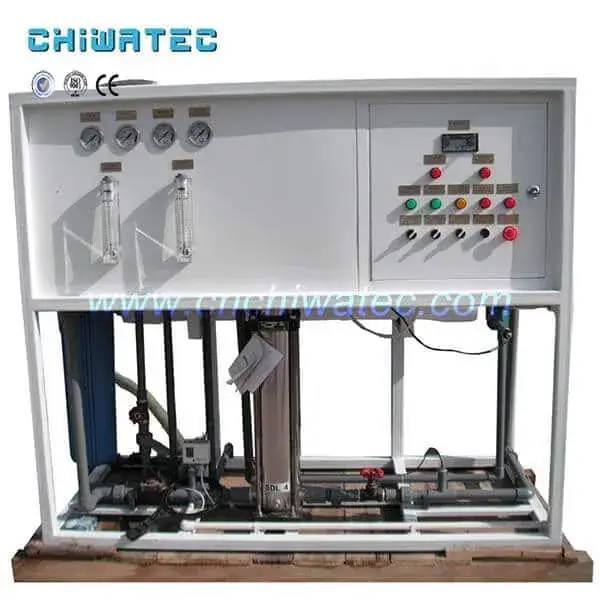
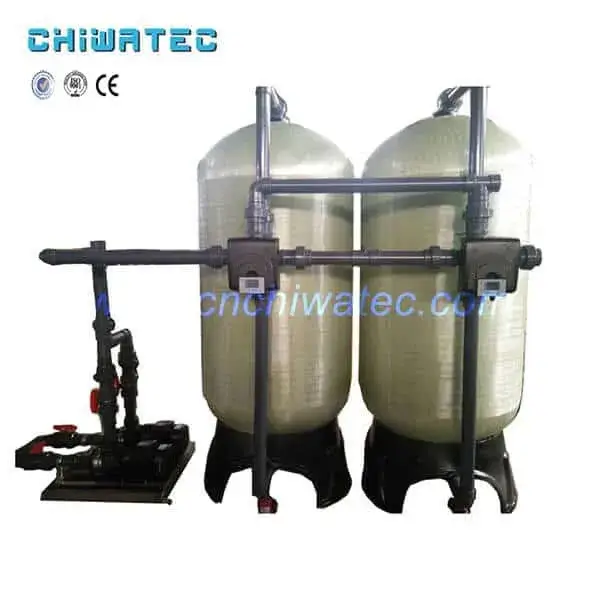
Equipment performance should be verified through third-party testing and certification. NSF/ANSI Standard 40 certifies residential wastewater treatment systems, while NSF/ANSI 245 covers nitrogen reduction. For industrial equipment, performance validation through pilot testing at representative flow and loading conditions is strongly recommended before full-scale installation. CHIWATEC provides comprehensive wastewater treatment solutions designed to meet international standards, from compact packaged systems to large-scale municipal installations. CHIWATEC engineers work with clients to select the right equipment configuration ensuring full compliance with applicable discharge standards.
Documentation and Audit Trail
Regulatory compliance requires thorough documentation of equipment specifications, design calculations, performance testing results, and ongoing operational data. Modern SCADA systems with data logging capabilities simplify compliance reporting, while digital twins and AI-based predictive maintenance are emerging as tools to anticipate and prevent non-compliance events before they occur.
Conclusion
Sewage treatment standards form the regulatory backbone of wastewater management worldwide, defining the treatment performance required to protect public health and the environment. From China’s GB 18918-2002 grade system to the EU’s evolving UWWTD and U.S. EPA’s secondary treatment standards, understanding which standards apply to your facility and how to select equipment that meets those standards is essential for compliance, cost management, and operational success. As standards continue to tighten — particularly for emerging contaminants and nutrient removal — proactive planning and equipment selection become increasingly important. Contact CHIWATEC today at [email protected] or [email protected] (WhatsApp available) for expert guidance on selecting wastewater treatment equipment that meets your required discharge standards.
Frequently Asked Questions
Q1: What is the most common sewage treatment standard worldwide?
Secondary treatment (achieving BOD5 and TSS below 30 mg/L) is the most common baseline standard, adopted by the EU Urban Wastewater Treatment Directive, U.S. Clean Water Act, and China’s GB 18918-2002 Grade II. However, many jurisdictions now require more stringent standards for sensitive receiving waters or reuse applications.
Q2: How often do sewage treatment standards get updated?
Major revisions typically occur every 5-15 years. The EU UWWTD is undergoing its first major revision (proposed 2024, expected adoption 2026-2027). China’s GB 18918-2002 has been in effect for over 20 years with periodic local amendments. U.S. EPA effluent guidelines for specific industries are reviewed every 5 years under the Clean Water Act.
Q3: Do I need different treatment standards for different types of wastewater?
Yes. Industrial wastewater is typically subject to more stringent and pollutant-specific standards than domestic sewage. Combined treatment facilities must meet the most restrictive standards applicable to any waste stream they accept. Pre-treatment requirements for industrial discharges into municipal sewers add another layer of regulatory complexity.
Q4: How can I check which treatment standard applies to my facility?
Check your facility’s discharge permit (NPDES permit in the U.S., discharge permit under local EPB in China, or IPPC permit in the EU). The permit specifies effluent limits, monitoring requirements, and the applicable regulatory framework. Consulting with environmental regulatory agencies and specialized engineering firms is recommended for complex multi-standard situations.
Q5: What happens if my treatment equipment does not meet the required standards?
Non-compliance can result in regulatory penalties including fines, mandatory plant upgrades, operational restrictions, or plant shutdown. In severe cases, criminal charges may apply for knowing violations. Proactive monitoring, regular maintenance, and capacity assessment help prevent compliance failures. Upgrading treatment equipment before standards become enforceable is more cost-effective than emergency retrofitting after a violation.
Related Resources and Further Reading
- How to Determine the Treatment Level of Sewage Treatment Equipment — Companion guide on selecting the right treatment degree
- Mercury-Containing Wastewater Treatment Methods: Complete Technology Guide 2026 — Specialized industrial wastewater treatment standards
- What Are the Treatment Methods of Domestic Sewage Treatment Equipment? — Practical methods for meeting domestic sewage standards
- Analysis of Filtration Technology in Sewage Treatment Equipment — Filtration technologies for meeting TSS standards
- Wastewater Treatment Systems by CHIWATEC — Equipment solutions for all treatment standards
Do you have a water treatment project we can help with
* Designing,machining,installing,commissioning, customize and one-stop service
 English
  Spanish
  Portuguese