Sewage Treatment Equipment Installation 2026: Technical Applications and Best Practices
Proper installation of sewage treatment equipment is critical to ensuring long-term reliable operation, treatment efficiency, and regulatory compliance. From foundation pit preparation and trench grading to groundwater management and pipeline connections, every sewage treatment equipment installation step must follow engineering best practices to prevent structural issues, equipment damage, and treatment failures. This article covers the essential technical requirements for installing domestic sewage treatment equipment, including foundation pit specifications, groundwater handling procedures, and an overview of modified filter media technology that enhances effluent quality after installation.
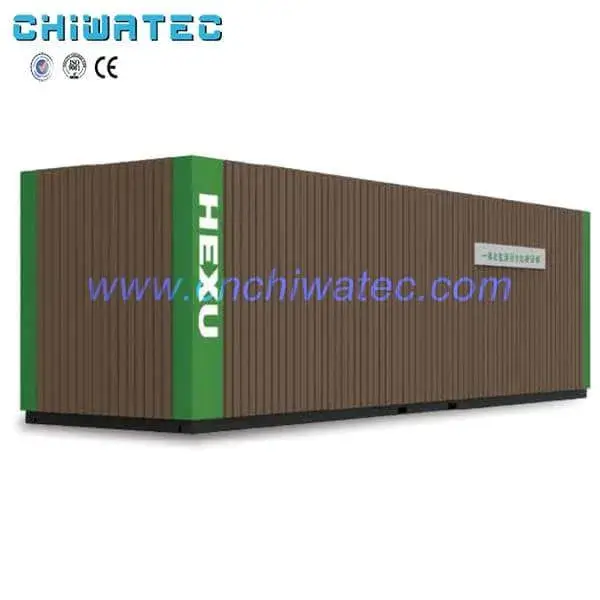
Key Parameters for Sewage Treatment Equipment Installation
| Parameter | Specification | Importance |
| Foundation Pit Grading Angle | 30°–50° | Prevents collapse during installation; depends on soil conditions |
| Sand Bedding Thickness | 200 mm minimum | Provides level base; prevents sharp contact with equipment bottom |
| Groundwater Management | Dewatering before excavation | Prevents floatation and structural damage to installed equipment |
| Pipeline Elevation | Match inlet/outlet elevations precisely | Ensures proper hydraulic flow through the treatment system |
| Hoisting Work Area | Reserve adequate space | Safe equipment placement without risk of landslides or tipping |
| Modified Filter Media | Chemically coated surface | Improves retention and adsorption capacity of filter material |
Foundation Pit Preparation for Installing Sewage Treatment Equipment
The first and most critical step in sewage treatment equipment installation is proper foundation pit preparation:
- Grading: The foundation pit must be graded according to the equipment size. The grading angle should be 30°–50°, depending on local soil conditions and the thickness of covering soil above the equipment top. Proper grading prevents sidewall collapse during installation and provides safe access for workers.
- Elevation calculation: The trench depth must account for the inlet and outlet pipe elevations of the connected sewage pipeline system. A minimum 200 mm sand bedding layer should be预留 at the bottom of the trench to provide a level, protective base for the equipment.
- Hoisting workspace: Reserve adequate workspace around the pit for equipment hoisting and positioning. The area must be clear of landslide risks and large enough to accommodate lifting equipment safely.
Proper foundation preparation is especially important for domestic sewage treatment equipment installation, where the equipment may be placed below grade and subject to soil pressure and groundwater forces.
Groundwater Management When Installing Sewage Treatment Systems
Groundwater is one of the most common challenges in sewage treatment equipment installation. Improper handling can lead to equipment floatation, structural damage, and installation delays.
When Groundwater Is Present
If groundwater is encountered during excavation, it must be removed before proceeding with foundation treatment. The foundation should be prepared according to the equipment schematic diagram with:
- A 200 mm sand layer, leveled and free of sharp objects, stones, or debris
- Proper dewatering to maintain dry conditions during equipment placement and backfilling
- Consideration of buoyancy forces — empty equipment in high water table conditions can float, causing misalignment or pipe damage
When Groundwater Is Not Present
In dry conditions, the foundation should be tamped and leveled with sand according to the manufacturer’s schematic diagram. While dewatering is not required, proper compaction is essential to prevent future settling that could misalign pipes and connections.
High Water Table Areas
For installations in areas with a shallow groundwater table, two approaches are available:
- Well-point dewatering: Lower the water table temporarily during installation by pumping from strategically placed wells around the excavation
- Open trench dewatering: Use ditches and sump pumps to collect and remove groundwater as it enters the excavation
When using open dewatering methods, thorough pre-construction preparation is essential to prevent soil erosion and maintain excavation stability.
Modified Filter Media Technology in Sewage Treatment Equipment
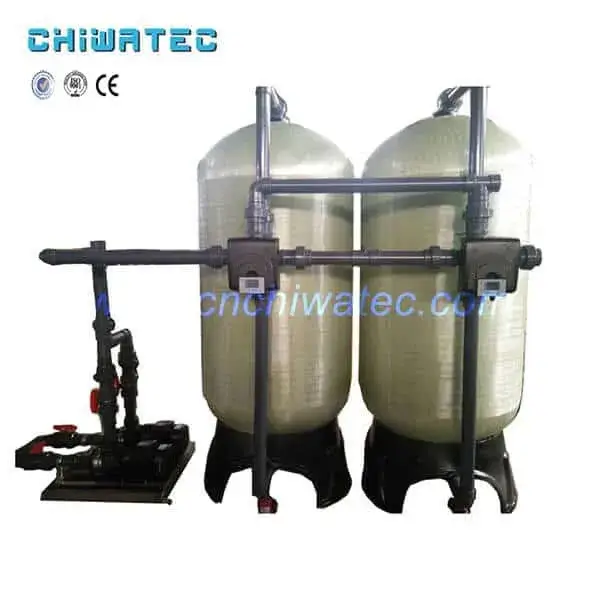
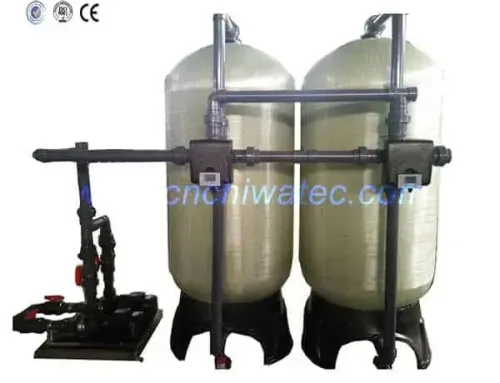
Beyond installation, the filtration performance of sewage treatment equipment can be significantly enhanced through modified filter media technology. This process involves coating the surface of conventional filter media (such as quartz sand or anthracite) with chemical modifiers through controlled reactions.
The benefits of modified filter media include:
- Improved retention capacity: The modified surface captures finer suspended solids that would pass through unmodified media
- Enhanced adsorption: Chemical coating creates active sites for adsorbing dissolved contaminants, including certain heavy metals and organic compounds
- Better effluent quality: Combined physical filtration and chemical adsorption produce superior treated water quality
Filtration remains one of the most widely used solid-liquid separation methods in sewage treatment. Whether using conventional or modified media, proper installation and operation are essential to achieving design effluent standards.
Frequently Asked Questions
What is the correct grading angle for a sewage treatment equipment foundation pit?
The grading angle should be 30°–50°, depending on soil conditions and covering soil thickness. Sandy soils require shallower angles, while clay soils can support steeper slopes.
How much sand bedding is needed for sewage treatment equipment installation?
A minimum of 200 mm of leveled sand is required at the bottom of the trench. The sand must be free of sharp objects, stones, and debris to prevent damage to the equipment base.
How do I handle groundwater during installation?
Groundwater must be removed before foundation preparation. Use well-point dewatering for deep excavations or open trench dewatering with sump pumps for shallower installations. Empty tanks in high water table areas may float — consider temporary filling or anchoring.
What is modified filter media and how does it improve sewage treatment?
Modified filter media is conventional filter material (such as quartz sand) whose surface has been chemically treated to enhance its retention and adsorption capacity. It captures finer particles and can remove dissolved contaminants that standard filtration cannot.
Do I need special permits for underground sewage treatment equipment installation?
Permit requirements vary by jurisdiction. Most underground installations require local building permits and environmental approvals, especially if groundwater dewatering or discharge is involved. Consult your local environmental protection authority before beginning installation.
Conclusion and Call to Action
Successful sewage treatment equipment installation requires careful attention to foundation pit preparation, groundwater management, and proper installation techniques. Whether you are installing a domestic sewage treatment system for a residential community or an industrial wastewater treatment plant, following engineering best practices for grading, sand bedding, dewatering, and hoisting will ensure long-term equipment reliability and treatment performance. Advances in modified filter media technology further enhance effluent quality by improving the retention and adsorption capacity of conventional filtration systems. CHIWATEC provides comprehensive sewage treatment equipment solutions, including installation guidance and technical support.
For expert assistance with sewage treatment equipment selection and installation, contact us at [email protected] or [email protected]. Let CHIWATEC help you achieve reliable, compliant wastewater treatment from installation through operation.
Do you have a water treatment project we can help with
* Designing,machining,installing,commissioning, customize and one-stop service

 English
  Spanish
  Portuguese