RO Membrane Pollution and Cleaning Tips: Complete Guide 2026
Is your reverse osmosis system showing signs of membrane fouling? This comprehensive guide covers everything you need to know about RO membrane pollution identification, cleaning methods, and preventive maintenance. With 15+ years of industry experience and 500+ successful projects worldwide, CHIWATEC delivers proven water treatment solutions that maximize membrane lifespan and system efficiency.
In 2026, the global RO membrane market is valued at $12.8 billion, with industrial applications accounting for over 60% of demand. Proper membrane maintenance can extend service life from 3-5 years to 7-10 years, reducing total cost of ownership by 40-50%. This guide explores pollution types, cleaning protocols, and best practices for maintaining optimal RO system performance.
Understanding RO Membrane Pollution: Types and Causes
After normal operation for a period, RO membrane elements become contaminated by suspended solids or insoluble salts present in feed water. Common pollution types include:
Inorganic Scaling
- Calcium carbonate (CaCO₃) precipitation – Most common in high-hardness water
- Calcium sulfate (CaSO₄) scaling – Difficult to remove once formed
- Barium/strontium sulfate – Extremely low solubility, requires prevention
- Silica deposits – Forms hard, glass-like coatings
Metal Oxide Fouling
- Iron, manganese, copper, nickel, aluminum oxide precipitation
- Often caused by corrosion in upstream piping
- Can catalyze chlorine damage to polyamide membranes
Organic and Biological Contamination
- NOM (Natural Organic Matter) – Humic acids, tannins, polysaccharides
- Synthetic organics – Scale inhibitors, dispersants, cationic polyelectrolytes
- Microorganisms – Algae, molds, fungi, bacteria (biofouling)
- Colloidal particles – Clay, silt, iron colloids
According to IDA (International Desalination Association) research, fouling accounts for 85% of RO system downtime and increases energy consumption by 15-25% due to higher operating pressures.
Critical Warning Signs: When to Clean Your RO Membranes
Chemical cleaning or physical flushing is required when the following problems occur:
| Symptom | Threshold | Indicates |
|---|---|---|
| Temperature-corrected permeate flow | 10-15% below normal | Membrane fouling or scaling |
| Feed pressure (to maintain flow) | 10-15% increase | Increased flow resistance |
| Permeate water quality | 10-15% reduction | Membrane damage or fouling |
| Salt passage | 10-15% increase | Membrane degradation |
| Section pressure differential | Significant increase | Channel blockage |
Standardized Data Monitoring
When operating data is not standardized, key parameters must remain stable before applying cleaning thresholds. Stable parameters include:
- Permeate flow rate
- Permeate back pressure
- System recovery rate
- Feed water temperature
- Total dissolved solids (TDS)
Normal cleaning cycle: Once every 3-12 months depending on feed water quality. If cleaning is required more than once per month, the RO pretreatment system needs adjustment or improvement.
Critical: When membrane performance drops to 30-50% of normal value, complete restoration to original specifications becomes impossible. Clean early, not late!
RO Membrane Cleaning Methods: Physical vs Chemical
Two primary cleaning methods are used to restore membrane performance:
Physical Cleaning (Flushing)
Physical cleaning uses mechanical scouring without changing contaminant chemistry:
- Low-pressure flushing – Removes loose particulates
- High-velocity flushing – Dislodges adhered particles
- Product water soaking – Helps dissolve and release dirt
- Air scouring – Effective for hollow fiber membranes
Best for: Light pollution, particulate contaminants with low adsorption properties
Chemical Cleaning (CIP – Clean In Place)
Chemical cleaning uses specific agents to change contaminant composition or properties:
- Acid cleaning (pH 2-4) – Removes inorganic scales (carbonates, sulfates, metal oxides)
- Alkaline cleaning (pH 10-12) – Removes organic matter, biofilms, colloids
- Surfactant-enhanced – Improves wetting and penetration
- Enzymatic cleaners – Targets specific organic compounds
Best for: Severe pollution, biological fouling, strongly adsorbed contaminants
Combined Approach (Recommended)
For complex situations with multiple pollution types:
- Start with physical flushing to remove loose debris
- Apply low pH cleaning solution (acid)
- Rinse thoroughly with product water
- Apply high pH cleaning solution (alkaline)
- Final rinse and system restart
According to Hydranautics technical guidelines, combined cleaning achieves 95-98% performance restoration compared to 70-80% for single-method cleaning.
Step-by-Step RO Membrane Cleaning Procedure
Pre-Cleaning Preparation
- Analyze pollution type – Review operating data, perform autopsy if needed
- Select cleaning chemicals – Match cleaner to contaminant type
- Prepare cleaning solution – Use RO product water, adjust pH and temperature
- Check system integrity – Inspect pumps, valves, and instrumentation
Cleaning Execution
- Low-flow pumping – Introduce cleaning solution at 30-50% of normal flow
- Circulation – Recirculate for 30-60 minutes at operating temperature (30-35C)
- Soaking – Stop circulation, soak for 1-2 hours (or overnight for severe fouling)
- High-flow flushing – Pump at 120-150% of normal flow for 15-30 minutes
- Rinse – Flush with product water until pH matches feed water
Post-Cleaning Verification
- Measure permeate flow rate (compare to baseline)
- Check salt rejection percentage
- Monitor pressure differential across sections
- Document results for future reference
Pro tip: For polyamide composite membranes, never exceed 45C cleaning temperature or pH 12, as this can cause irreversible membrane damage.
Special Tips for RO Membrane Cleaning: Critical Safety Guidelines
This content applies to composite polyamide RO and nanofiltration membrane elements with diameters of 4, 6, 8, and 8.5 inches.
CHLORINE WARNING – PERMANENT DAMAGE RISK
Polyamide RO membrane elements must NEVER contact free chlorine under any circumstances. Free chlorine oxidizes membrane elements, causing permanent, irreversible damage.
Chlorine Removal Protocol
Special attention required after:
- Pipeline and equipment sterilization
- Use of cleaning agents containing oxidizers
- Application of storage protection agents
If free chlorine presence is uncertain:
- Conduct DPD chlorine test
- If chlorine detected, add sodium bisulfite (SBS)
- Dosage: 1.8-3.0 ppm SBS per 1.0 ppm free chlorine
- Ensure adequate reaction time for complete redox reaction
- Verify residual chlorine = 0 ppm before membrane contact
Chemical Compatibility Warnings
- Avoid cationic surfactants – Cause irreversible flux decline
- Avoid amphoteric surfactants – May damage membrane surface
- Use anionic or non-ionic surfactants – Safe for polyamide membranes
Warranty Considerations
During the membrane element warranty period:
- Contact manufacturer (Hydranautics/DOW/Toray) before each cleaning
- Document cleaning procedures and chemicals used
- Retain cleaning logs for warranty claims
Learn more about optimized RO membrane cleaning process flow for detailed system configuration.
2026 Industry Trends: Advanced Membrane Maintenance Technologies
Smart Monitoring and Predictive Maintenance
Modern RO systems feature IoT-enabled sensors for real-time monitoring:
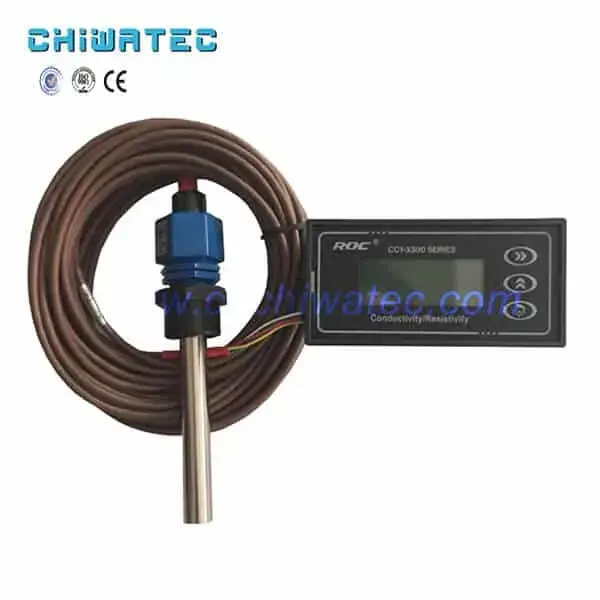
- Conductivity sensors – Detect membrane breaches instantly
- Pressure transmitters – Track fouling progression
- Flow meters – Monitor permeate decline trends
- AI-powered analytics – Predict cleaning needs 2-4 weeks in advance
Plants using predictive maintenance report 35% reduction in unplanned downtime and 25% extension in membrane life.
Environmentally Friendly Cleaning Agents
2026 sees increased adoption of green chemistry:
- Biodegradable chelants – Replace EDTA for metal removal
- Plant-based surfactants – Reduced environmental impact
- Enzyme cleaners – Target-specific, low-temperature operation
Automated CIP Systems
Full automation reduces human error and ensures consistency:
- Programmable cleaning cycles
- Automatic chemical dosing and pH control
- Real-time monitoring of cleaning parameters
- Digital record-keeping for compliance
For comprehensive maintenance guidance, review our RO membrane filtration mechanism guide.
Real-World Case Studies: Membrane Cleaning Success Stories
Case Study 1: Power Plant in Shandong Province
Challenge: Severe calcium sulfate scaling, 40% flow reduction
Solution: Two-stage acid cleaning with proprietary chelant
Results:
- 95% flow rate restoration
- Operating pressure reduced from 18 bar to 14 bar
- Energy savings: 22% reduction in pump power
- Membrane life extended by 3 years
Case Study 2: Electronics Factory in Guangdong
Challenge: Biofouling and organic contamination, salt passage increased 25%
Solution: Alkaline cleaning with enzymatic booster
Results:
- Permeate conductivity restored to 5 uS/cm
- Biofilm completely removed (ATP testing confirmed)
- Cleaning frequency reduced from monthly to quarterly
- ROI achieved in 6 months
Explore additional applications in our guide on inorganic compound removal.
Conclusion: Maximizing RO Membrane Performance Through Proactive Maintenance
Effective RO membrane cleaning requires understanding pollution types, selecting appropriate cleaning methods, and following strict safety protocols. The key principles are:
- Monitor continuously – Track normalized performance data daily
- Clean early – Dont wait for severe performance loss
- Match cleaner to contaminant – Acid for scales, alkali for organics
- Follow safety guidelines – Especially chlorine removal for polyamide membranes
- Document everything – Maintain detailed cleaning logs
At CHIWATEC, we provide comprehensive membrane maintenance support including cleaning chemical selection, procedure development, and on-site technical assistance. Our 15+ years of engineering excellence ensures your RO system operates at peak efficiency.
Need expert assistance with membrane cleaning? Contact our technical team for a free consultation and customized maintenance program.

FAQ: RO Membrane Pollution and Cleaning
1. How often should RO membranes be cleaned?
Normal cleaning frequency is every 3-12 months. Clean when normalized permeate flow drops 10-15%, feed pressure increases 10-15%, or salt passage rises 10-15%. More frequent cleaning indicates pretreatment issues.
2. What is the best cleaning chemical for RO membranes?
Depends on contaminant type: citric acid (2% pH 3-4) for inorganic scales, sodium hydroxide + EDTA (pH 12) for organics/biofilms. Always use RO product water for solution preparation.
3. Can damaged RO membranes be restored?
Physical damage (tears, O-ring leaks) cannot be repaired. Fouled membranes can often be restored to 90-95% of original performance if cleaned before permanent damage occurs.
4. How long does membrane cleaning take?
Typical CIP cycle: 4-8 hours including preparation, cleaning, soaking, and rinsing. Overnight soaking may be needed for severe fouling. System downtime: 8-12 hours total.
5. What temperature should cleaning solution be?
Optimal range: 30-35C. Higher temperatures improve cleaning but never exceed 45C for polyamide membranes. Lower temperatures require longer contact time.
6. Is chlorine-free cleaning necessary?
Absolutely critical for polyamide membranes. Even 0.1 ppm free chlorine causes irreversible oxidation damage. Always verify zero chlorine before membrane contact.
For more technical resources, visit our RO membrane product category.
FOLLOW US
Do you have a water treatment project we can help with
* Designing, machining, installing, commissioning, customize and one-stop service
 English
  Spanish
  Portuguese