LCD Display Cleaning Ultrapure Water Equipment: Complete Guide to Process, Features and Applications 2026
Need ultra-high purity water for LCD cleaning? The quality of the LCD cleaning ultrapure water equipment directly determines your display panel’s visual performance and production yield. Ultrapure water with resistivity exceeding 18.2 MΩ·cm is essential for removing microscopic dust particles, ionic contaminants, and organic residues from LCD/LED panel surfaces during manufacturing. Even minor water quality fluctuations can cause visible defects, reducing production yields by 5-15%. CHIWATEC has engineered advanced ultrapure water systems for the electronics industry, providing reliable solutions for LCD display manufacturing facilities worldwide.
Why LCD Display Manufacturing Requires Ultrapure Water
LCD displays are ubiquitous in modern life — from smartphones and tablets to televisions and automotive screens. The production process for liquid crystal displays involves multiple precision cleaning stages where ultrapure water is used to remove contaminants from glass substrates, polarizers, color filters, and backlight components. Any residual particle or dissolved ion on the display surface can create visual defects such as dead pixels, color irregularities, or reduced contrast ratio.
The 2026 complete guide to LCD ultrapure water equipment covers the 8 key technical features that define modern systems. The global ultrapure water market for electronics manufacturing was valued at approximately USD 8.2 billion in 2024 and is projected to reach USD 15.6 billion by 2034, growing at a CAGR of 6.6% (Allied Market Research). The LCD/LED display segment accounts for roughly 30% of this demand.
Core Technical Features of LCD Cleaning Ultrapure Water Equipment
LCD display cleaning ultrapure water equipment incorporates several advanced technical features that distinguish it from general-purpose water purification systems. These features ensure consistent water quality, reliable operation, and minimal downtime in continuous production environments.
High Degree of Automation and Fail-Safe Protection
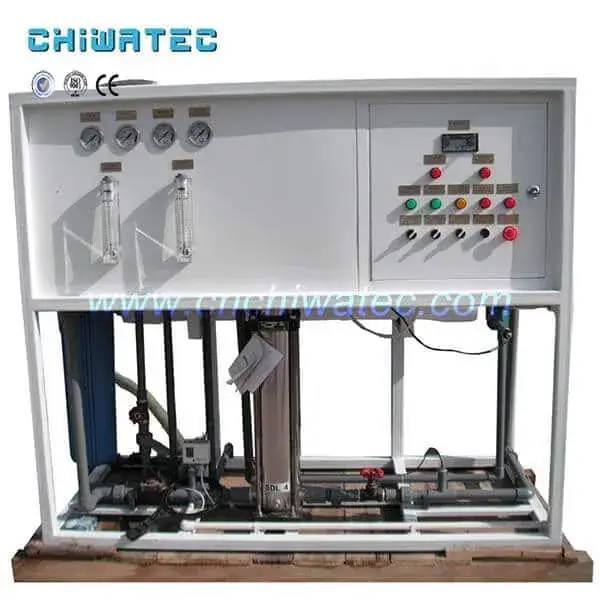
Modern LCD ultrapure water systems feature fully automated operation with PLC-based control systems. The equipment includes automatic shutdown on fault detection, comprehensive alarm systems for water quality parameters, and automatic protection functions for membrane and resin components. Operators can monitor system performance remotely through SCADA integration, enabling predictive maintenance and rapid response to quality deviations.
Modular and Expandable Design
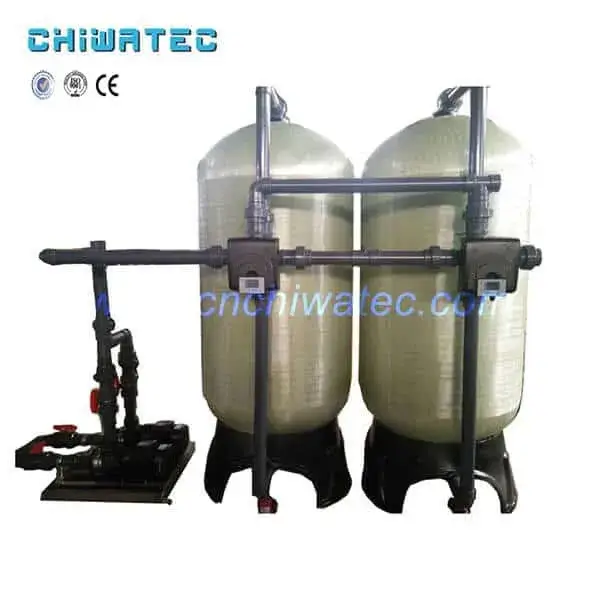
The system architecture uses modular membrane and vessel configurations that allow capacity expansion without complete system redesign. Adding membrane elements can increase processing capacity proportionally — from a baseline of 10 m³/h to 50 m³/h or more by adding parallel membrane arrays. This scalability is particularly valuable for LCD manufacturers planning production line expansions.
Advanced Composite Membrane Technology
The system uses thin-film composite (TFC) polyamide reverse osmosis membranes wound in spiral configurations. These membranes achieve a salt rejection rate of 99.5% or higher while maintaining high permeate flux. The composite membrane structure provides superior resistance to compaction, fouling, and chemical degradation compared to traditional cellulose acetate membranes — extending membrane service life to 3-5 years under proper operating conditions.
Energy-Efficient Operation
Compared to alternative purification technologies, properly designed LCD ultrapure water systems achieve low energy consumption through energy recovery devices (ERDs) on the RO concentrate stream, high-efficiency pumps with VFD control, and optimized membrane array staging. These features reduce specific energy consumption to 3-5 kWh per cubic meter of product water, significantly lower than single-stage designs without energy recovery.
Advanced Membrane Protection and Cleaning System
When the equipment is shut down, the automated desalinated water flush system removes contaminants from membrane surfaces, preventing scaling and biofouling during idle periods. The system includes an integrated scale inhibition dosing system and a clean-in-place (CIP) skid for periodic chemical cleaning — maintaining membrane performance and extending operational life.
Compact Footprint and Rational Layout
Modern LCD ultrapure water equipment is designed with a compact, space-efficient layout that minimizes the equipment footprint in cleanroom facilities. The rational piping and component arrangement reduces floor space requirements by 30-40% compared to conventional designs, a critical advantage in high-value cleanroom environments.
Low Maintenance Requirements
The system incorporates no vulnerable wearing parts in critical water paths. The design emphasizes long-term effective operation with minimal operator intervention. Routine maintenance is limited to periodic cartridge filter replacement, membrane cleaning (every 3-6 months), and instrument calibration — significantly reducing operational labor costs.
Process Flow of LCD Ultrapure Water System
A complete LCD display cleaning ultrapure water equipment system typically follows a multi-stage process flow designed to progressively remove contaminants to the required purity level.
| Stage | Process | Purpose | Key Component |
|---|---|---|---|
| 1 | Pretreatment | Remove suspended solids, chlorine, organics | Multi-media filter, carbon filter, antiscalant dosing |
| 2 | Primary RO | Remove 95-99% of dissolved solids | TFC spiral-wound RO membranes, 150-300 psi |
| 3 | Secondary RO | Further reduce TDS, remove CO₂ | Low-pressure RO membranes with double-pass |
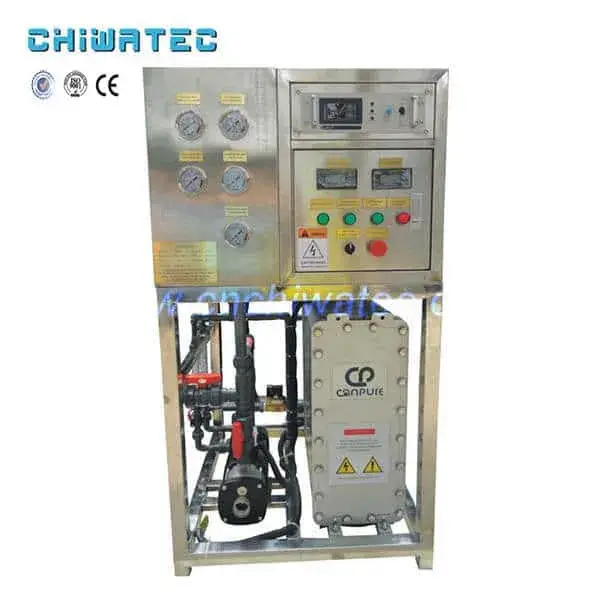
| 4 | EDI polishing | Achieve >16 MΩ·cm resistivity | Electrodeionization (EDI) modules |
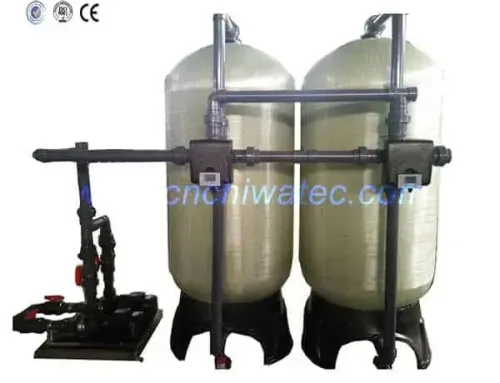
| 5 | Mixed bed polishing | Achieve 18.2 MΩ·cm final resistivity | Mixed bed ion exchange resin |
| 6 | Distribution | Maintain quality to point-of-use | UV sterilizer, 0.1μm filter, PVDF piping |
The technological process of ultrapure water equipment in the electronics industry provides detailed comparisons of different process configurations.
Key Quality Standards for LCD Display Cleaning Water
The water quality requirements for LCD display cleaning are defined by industry standards including SEMI C1 (for electronics-grade water) and ASTM D5127 Type E-1.1. The following quality parameters must be maintained consistently:
- Resistivity: >18.2 MΩ·cm at 25°C — the current industry benchmark for critical cleaning applications
- Total organic carbon (TOC): <5 ppb — organic residues cause streaking and coating adhesion failure
- Particle count: <100 particles/mL at 0.1 μm — particles larger than the display pixel pitch cause visible defects
- Dissolved oxygen: <1 ppb — oxygen can oxidize liquid crystal materials during manufacturing
- Silica: <3 ppb — silica deposits on display surfaces create haze and reduce light transmission
- Bacteria: <1 CFU/100 mL — bacterial growth can introduce organic contaminants and endotoxins
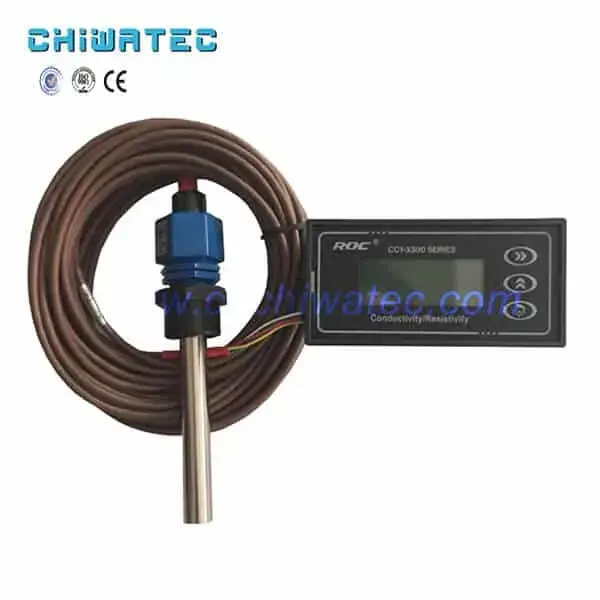
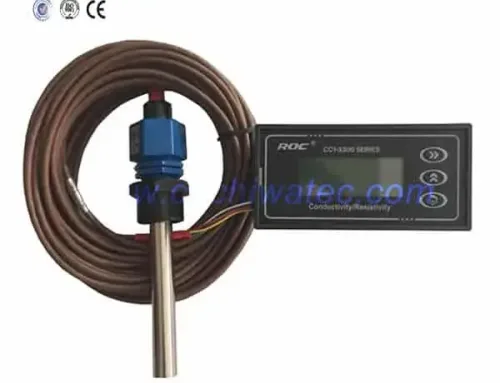
Continuous online monitoring of these parameters using conductivity meters, TOC analyzers, and particle counters is essential for maintaining quality assurance in LCD production.
Application Scope in Electronics Manufacturing
Beyond LCD display cleaning, the LCD display cleaning ultrapure water equipment technology serves a broader range of applications in electronics manufacturing. The applications of ultra-pure water in the optical industry share similar water quality requirements with LCD manufacturing.
- LCD/LED panel cleaning: Removing particles and ionic residues from glass substrates between process steps — the highest volume application
- Semiconductor wafer rinsing: Final rinse before drying in wafer fabrication processes
- Optical lens and filter cleaning: Precision cleaning of optical components where surface contamination affects light transmission
- Circuit board (PCB/FPC) cleaning: Removing flux residues and ionic contaminants after soldering
- Touch screen panel manufacturing: Cleaning glass and film layers before lamination
The modular nature of modern ultrapure water systems allows easy adaptation between these applications — the characteristics of ultrapure water equipment for cleaning provide the versatility needed across different electronics manufacturing processes.
Maintenance Best Practices for LCD Ultrapure Water Systems
Proper maintenance ensures consistent water quality and extends equipment service life:
- Pre-filter cartridge replacement: Replace cartridge filters every 1-3 months or when differential pressure exceeds 15 psi
- Membrane cleaning schedule: Perform CIP cleaning every 3-6 months using acidic (citric acid, pH 2-3) and alkaline (NaOH, pH 11-12) cleaning solutions. Monitor normalized permeate flow and salt rejection to determine cleaning timing
- EDI module maintenance: Check voltage and current weekly — increasing voltage at constant current indicates module fouling
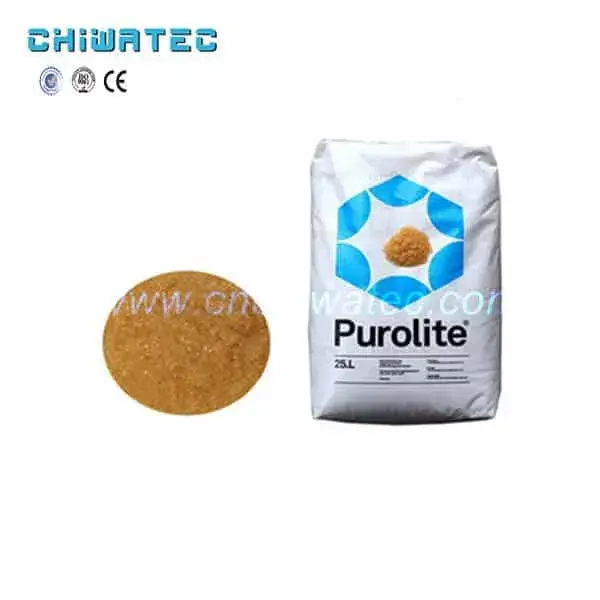
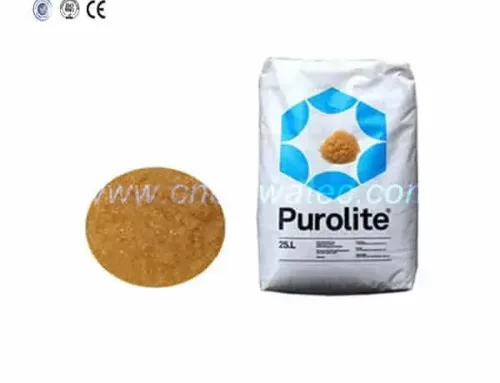
- Mixed bed resin regeneration: Monitor outlet resistivity — when it drops below 15 MΩ·cm, resin regeneration or replacement is needed
- UV lamp replacement: Replace UV sterilization lamps annually, regardless of operating hours, to maintain effective TOC reduction
- Instrument calibration: Calibrate conductivity meters, pH sensors, and TOC analyzers quarterly against certified standards
Frequently Asked Questions
Q1: What resistivity does LCD display cleaning ultrapure water need to achieve?
LCD display cleaning requires water with resistivity exceeding 18.2 MΩ·cm at 25°C — the highest standard of water purity. This level of purity ensures that no ionic residues remain on the display surface after cleaning, which could otherwise cause electrical leakage, pixel defects, or long-term reliability issues in the finished product.
Q2: Can a standard RO system produce water suitable for LCD cleaning?
No. Standard single-pass RO systems produce water with resistivity of only 0.1-1 MΩ·cm, which is insufficient for LCD cleaning applications. A complete ultrapure water system requires double-pass RO, followed by EDI or mixed bed polishing, to achieve the 18.2 MΩ·cm standard. The capital cost differential is justified by the significant reduction in display defects.
Q3: How often should the membranes be replaced in an LCD ultrapure water system?
With proper pretreatment and regular CIP cleaning, TFC RO membranes in LCD ultrapure water systems typically last 3-5 years. Key indicators that replacement is needed include: salt rejection below 95% (from initial 99.5%), normalized permeate flow decline of more than 20%, or increasing differential pressure that CIP cleaning cannot restore.
Q4: What is the typical operating cost for LCD display cleaning ultrapure water equipment?
Total operating costs including energy (3-5 kWh/m³), membrane replacement, chemicals, and maintenance typically range from USD 1.5-3.0 per cubic meter of product water. This compares favorably to the cost of display defects caused by inadequate water quality, which can represent 5-15% of production waste.
Q5: What piping material is recommended for LCD ultrapure water distribution?
PVDF (polyvinylidene fluoride) or PFA (perfluoroalkoxy) piping is standard for ultrapure water distribution systems serving LCD cleaning stations. These materials minimize leachables, maintain water resistivity, and resist biofilm formation. Stainless steel piping can be used in some applications but requires electropolished surfaces and passivation to prevent metal ion contamination.
Conclusion and Call to Action
LCD display cleaning ultrapure water equipment is a critical enabler of high-quality display manufacturing, providing the extreme water purity required to produce defect-free LCD and LED panels. With features including full automation, modular expandability, advanced composite membrane technology, and energy-efficient operation, modern systems deliver consistent water quality while minimizing operational costs and maintenance requirements. Understanding the process flow, quality standards, and system features is essential for selecting and operating the right equipment for your LCD production facility.
CHIWATEC provides comprehensive ultrapure water system design, equipment supply, and ongoing technical support for the electronics industry worldwide. Contact us at [email protected] or [email protected] (WhatsApp available) for expert consultation on your LCD display cleaning ultrapure water requirements.
Related Resources and Further Reading
- 2026 Complete Guide to LCD Ultrapure Water Equipment: 8 Key Technical Features for Display Manufacturing
- Applications of Ultra-Pure Water in the Optical Industry
- Technological Process of Ultrapure Water Equipment in the Electronics Industry
- Characteristics of Ultrapure Water Equipment for Cleaning
- Ultrapure Water EDI Equipment Product Line
Do you have a water treatment project we can help with
* Designing,machining,installing,commissioning, customize and one-stop service
 English
  Spanish
  Portuguese