2026 Complete Guide to RO Pure Water Machine: Benefits, Types, Features, and Functions
Thinking about installing an RO pure water machine for your home or business? The global residential water purifier market exceeded USD 35 billion in 2024, with reverse osmosis systems accounting for over 60% of the installed base in North America and Asia-Pacific. Here is the direct answer: an RO pure water machine is a compact point-of-use or point-of-entry water treatment system that uses reverse osmosis membrane technology — typically in a 5-stage filtration configuration — to remove up to 99% of dissolved solids, bacteria, viruses, heavy metals, and chemical contaminants from tap water, delivering purified water for drinking, cooking, and other household or commercial applications. CHIWATEC manufactures a complete range of RO pure water machines for residential, commercial, and industrial applications, engineered for reliable performance and long membrane service life.
Benefits of an RO Pure Water Machine
An RO pure water machine offers distinct advantages over bottled water, pitcher filters, and other point-of-use treatment technologies:
- Miniaturized water treatment plant: The RO machine is essentially a compact version of a municipal purified water plant, converting tap water into high-purity water through reverse osmosis at the point of use — eliminating the need for bottled water delivery and storage.
- Cost savings of 60-80% vs. bottled water: The operating cost of a residential RO pure water machine averages USD 0.05-0.15 per gallon, compared to USD 0.50-1.50 per gallon for bottled water. Over a 5-year period, a family of four saves USD 1,500-3,000 by switching from bottled water to an RO system.
- Convenient kitchen installation: Compact under-sink units (typically 35-45 cm tall, 15-25 cm wide) fit neatly under kitchen cabinets with a dedicated pure water faucet. The system also supplies water to refrigerators, ice makers, and countertop water dispensers.
- Cooking and beverage benefits: Purified water enhances the flavor of coffee, tea, cooking, and baby formula preparation. Milk powder mixed with RO water retains its natural taste without chlorine or mineral off-flavors.
- Complete contaminant removal: Removes bacteria, viruses, heavy metals (lead, mercury, arsenic), organic phosphorus compounds, pesticides, chlorine, VOCs, and radioactive particles — providing comprehensive protection that exceeds NSF/ANSI 58 standards.
The drinking water treatment process flow provides additional context on where RO fits within the broader water purification landscape.
Types of RO Pure Water Machines
RO pure water machines are classified by automation level and application type. Understanding the differences helps select the right system for specific needs:
- Manual (Economy) Type: Features a manual backwashing valve that requires operator intervention every 1-2 weeks to flush the pre-filter media. Lower initial cost (USD 100-300) but requires regular manual maintenance. Suitable for budget-conscious households and seasonal use.
- Automatic (Self-Cleaning) Type: Equipped with an automatic backwashing controller (timer or differential pressure-based) that initiates flushing cycles without operator intervention. Higher initial cost (USD 200-600) but lower long-term maintenance. The standard choice for permanent residential installations.
- Countertop RO Systems: Portable, non-permanent units that sit on the kitchen counter and connect to the faucet via a diverter valve. No installation required. Typically 3-4 stages with smaller membranes (50-75 GPD). Ideal for renters and small households.
- Under-Sink RO Systems: The most common configuration, with the filtration unit installed under the kitchen sink and a dedicated faucet on the counter. 4-5 stages with 50-100 GPD membranes. Standard for permanent residential use.
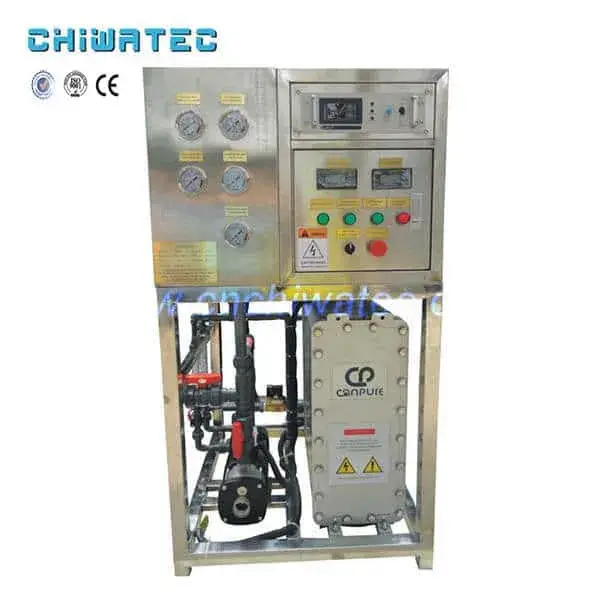
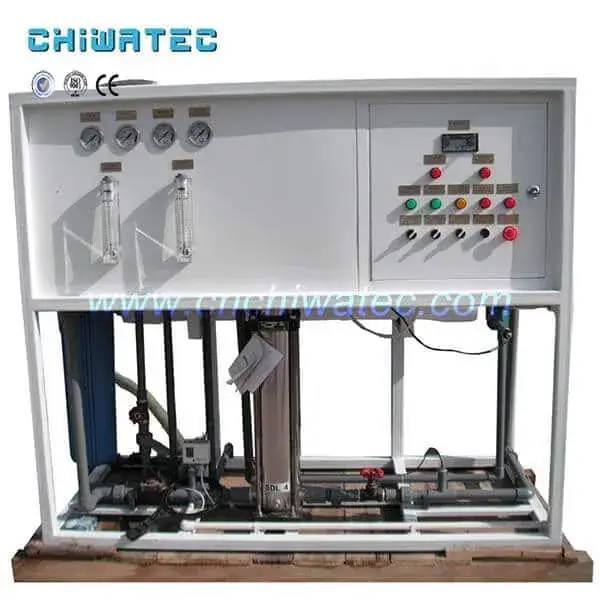
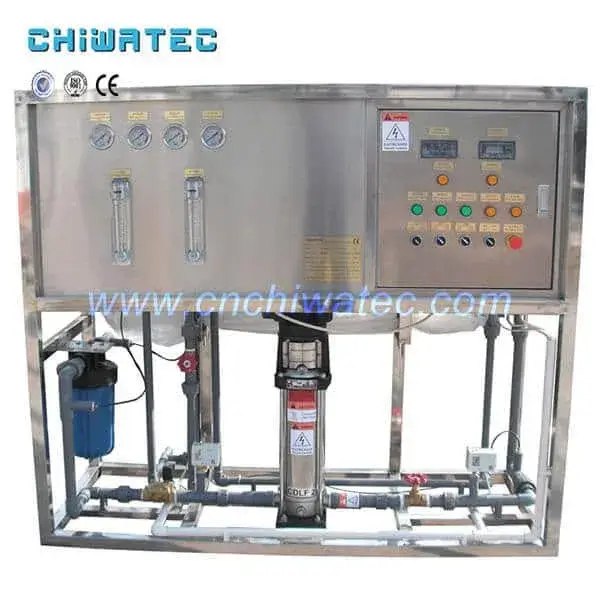
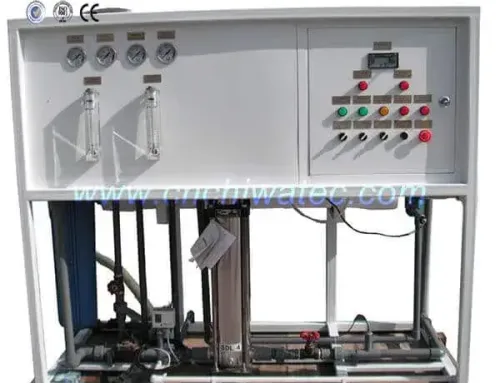
- Commercial RO Machines: Larger systems with 200-2,000+ GPD capacity for restaurants, offices, schools, and light industrial applications. Typically feature booster pumps, larger pre-filters, and automated membrane flushing with permeate.
- Industrial RO Systems: High-flow systems (1,000-100,000+ GPD) with multi-vessel arrays, PLC controls, and comprehensive pretreatment for boiler feed water, pharmaceutical USP purified water, and manufacturing processes.
The industrial pure water system features provide detailed specifications for larger-scale RO machine configurations.
Key Features of an RO Pure Water Machine
A standard RO pure water machine incorporates several essential components that distinguish it from simpler filtration systems:
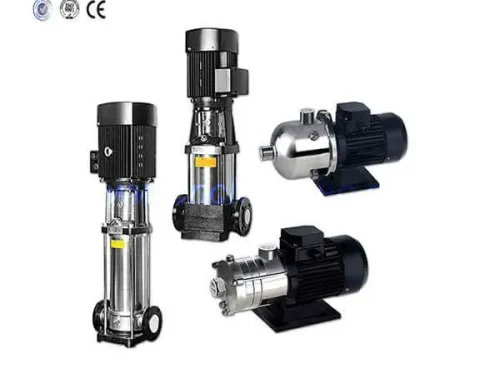
- Booster pump: A diaphragm or centrifugal pump increases incoming water pressure from municipal supply (typically 2-4 bar) to the 5-8 bar required for optimal RO membrane performance. Systems with low incoming pressure (below 3 bar) require a permeate pump to maintain efficiency.
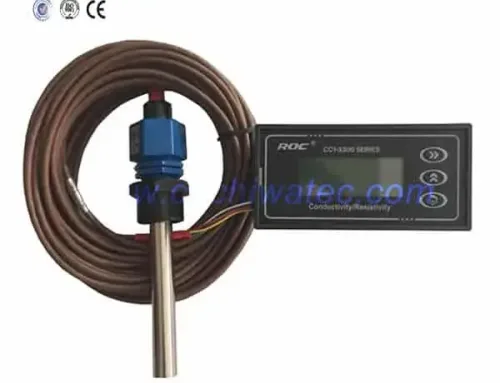
- Power supply and control board: An integrated low-voltage transformer (24V DC) powers the booster pump and automatic shut-off valve. Advanced models include LED indicators for filter life, TDS monitoring, and leak detection.
- Pressurized storage tank: A 3-12 gallon (11-45 L) ASME-certified tank stores purified water and maintains delivery pressure of 0.5-0.8 bar for dispensing without additional pumping. Tankless RO systems are also available for space-constrained installations.
- 5-stage filtration design: Stage 1: sediment filter (5 μm PP) removes rust, silt, and sand. Stages 2-3: granular activated carbon (GAC) and carbon block reduce chlorine, VOCs, and odor. Stage 4: RO membrane (thin-film composite) rejects 95-99% of dissolved solids. Stage 5: post-carbon or inline mineral filter enhances taste.
- Automatic shut-off valve (ASO): When the storage tank is full, the ASO senses back-pressure and shuts down the feed water supply and booster pump, preventing water waste and reducing component wear.
- Flow restrictor: A precisely sized orifice (typically 450-800 mL/min for 50-100 GPD membranes) maintains the optimal pressure differential across the membrane and controls the reject-to-permeate ratio.
The 5-Stage RO Filtration Process
The heart of every RO pure water machine is the multi-stage filtration train, which progressively prepares the water for final membrane purification:
| Stage | Filter Type | Function | Replacement |
|---|---|---|---|
| 1 | PP Sediment (5 μm) | Removes rust, silt, sand, suspended solids | 6 months |
| 2 | Granular Activated Carbon | Removes chlorine, VOCs, odor, color | 6-12 months |
| 3 | Carbon Block (CTO) | Fine chlorine removal, protects RO membrane | 6-12 months |
| 4 | RO Membrane (TFC) | 95-99% TDS rejection, removes heavy metals | 2-3 years |
| 5 | Post Carbon / Mineral | Taste improvement, optional mineralization | 6-12 months |
The fifth stage can optionally use a medical stone (tourmaline/maifan stone) filter element to add beneficial minerals to the purified water, creating alkaline mineral drinking water with pH 7.5-8.5. The best practices for antiscalant treatment are particularly relevant for protecting the RO membrane in Stage 4 from mineral scaling in hard water areas.
Contaminant Removal Capabilities of RO Pure Water Machines
An RO pure water machine provides the broadest contaminant reduction range of any residential point-of-use filtration technology:
- Physical contaminants: Removes 99.9% of suspended solids, rust particles, silt, and sediment down to 0.0001 microns — including particles invisible to the naked eye.
- Microbiological contaminants: RO membranes physically block bacteria (99.99% reduction, including E. coli, Salmonella, and Legionella) and viruses (99.9% reduction including rotavirus and hepatitis A). Post-membrane UV sterilization can provide additional 4-log disinfection.
- Heavy metals and inorganics: Lead removal 95-99%, mercury 85-95%, arsenic (III/V) 90-98%, cadmium 95-97%, chromium (VI) 90-95%. Also removes scale-forming calcium and magnesium, preventing water alkali deposits in kettles and coffee makers.
- Chemical contaminants: Chlorine and chloramines 97-99%, volatile organic compounds (VOCs) 80-95%, pesticides and herbicides 90-98%, trihalomethanes (THMs) 85-95%, and pharmaceutical residues 90-95%.
- Radiological contaminants: Removes radioactive particles including radium 226/228 (85-95%), uranium (90-98%), and gross alpha/beta activity (80-90%).
- Taste and odor: Eliminates chlorine taste, musty/earthy odors, and metallic flavors that commonly affect municipal tap water quality.
Against concentration polarization issues that can reduce contaminant rejection, proper system maintenance ensures consistent performance throughout the membrane service life.
RO Pure Water Machine vs. Other Purification Methods
| Method | TDS Reduction | Heavy Metal Removal | Bacteria/Virus | Operating Cost |
|---|---|---|---|---|
| RO Pure Water Machine | 95-99% | 85-99% | 99.9-99.99% | USD 0.05-0.15/gal |
| Activated Carbon Filter | None | Limited | None | USD 0.02-0.08/gal |
| Ultrafiltration (UF) | None | None | 99.99% | USD 0.01-0.05/gal |
| Water Distiller | 99.9% | 99.9% | 99.99% | USD 0.30-1.00/gal |
| Bottled Water | Variable | Variable | 99.9% | USD 0.50-1.50/gal |
For comprehensive contaminant removal balancing cost and convenience, the RO pure water machine offers the best value proposition for households and businesses requiring consistent high-quality purified water.
Frequently Asked Questions
Q1: How much water does an RO pure water machine waste?
Traditional RO systems produce 1 gallon of purified water for every 3-4 gallons of reject water (25-33% recovery). Newer high-efficiency RO systems with permeate pumps achieve 50-66% recovery (1:1 to 2:1 reject ratio). The reject water is still suitable for washing dishes, watering plants (for salt-tolerant species), and cleaning — it is not wasted if collected and reused.
Q2: Does an RO pure water machine remove beneficial minerals?
RO removes 90-95% of dissolved minerals, including calcium and magnesium. While drinking water is not a primary source of dietary minerals (a glass of milk provides more calcium than 30 gallons of tap water), some users prefer mineralized water. Most modern RO pure water machines offer an optional 5th-stage mineral filter (medical stone, maifan stone, or calcite) that adds back 20-40 mg/L of calcium and magnesium to create pH 7.5-8.5 alkaline mineral water.
Q3: How often should I replace filters on my RO pure water machine?
Standard replacement schedule: pre-filters (stages 1-3) every 6-12 months, RO membrane (stage 4) every 2-3 years, post-filter (stage 5) every 6-12 months. Replacement indicators include reduced flow rate (below 50% of rated GPD), increased TDS in product water (above 10% of feed TDS), or noticeable taste/odor changes. The matters needing attention in the use of RO pure water machines provides detailed maintenance guidance.
Q4: Can an RO pure water machine be used with well water?
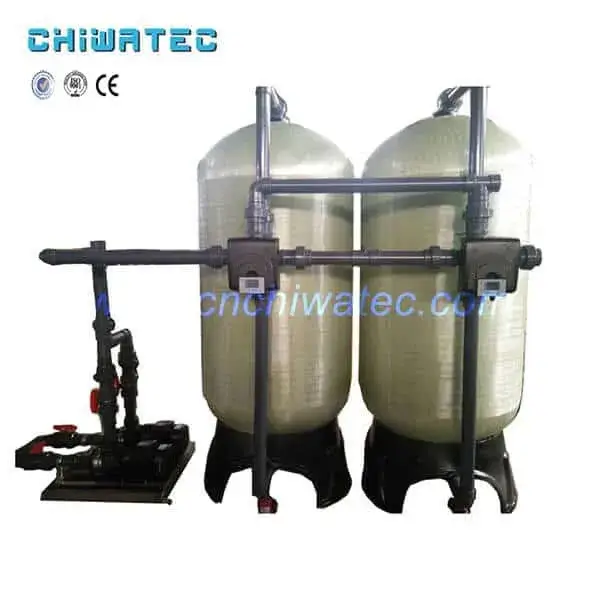
Yes, but well water requires additional pretreatment: sediment filtration for sand/silt, water softening for hardness (above 10 grains/gallon), iron/manganese removal (above 0.3 mg/L Fe), and hydrogen sulfide removal (above 0.5 mg/L). Well water with high TDS (above 1,500 ppm) may require a low-pressure RO membrane or booster pump to maintain adequate production rates. A water quality test is essential before selecting an RO system for well water.
Q5: What is the lifespan of an RO pure water machine?
A quality RO pure water machine with replaceable components has a service life of 10-15 years. The RO membrane needs replacement every 2-3 years, pre-filters every 6-12 months, and the booster pump typically lasts 5-8 years. The storage tank diaphragm lasts 5-10 years. Annual maintenance costs (filter replacements) average USD 60-150. With proper care, the system body and faucet have an indefinite service life.
Conclusion & CTA
An RO pure water machine is the most comprehensive and cost-effective solution for residential and commercial water purification, removing up to 99% of dissolved solids, heavy metals, bacteria, viruses, and chemical contaminants through a compact 5-stage filtration system. With operating costs 60-80% lower than bottled water and contaminant reduction exceeding NSF/ANSI 58 standards, RO technology represents the gold standard for point-of-use water treatment.
Contact CHIWATEC today at [email protected] or [email protected] (WhatsApp available) for expert advice on selecting the right RO pure water machine for your home, office, or commercial facility.
Related Resources and Further Reading
- Matters Needing Attention in the Use of RO Pure Water Machines — Essential maintenance and operating guidelines
- Industrial Pure Water System: Features of RO Pure Water Machines — Commercial and industrial RO system specifications
- Complete Guide to RO System Operation and Maintenance — Comprehensive RO system management for long service life
- Best Practices for Antiscalant Treatment in RO Systems — Protecting RO membranes from mineral scaling
- RO Water Treatment Systems — CHIWATEC RO pure water machines for residential, commercial, and industrial use
Do you have a water treatment project we can help with
* Designing,machining,installing,commissioning, customize and one-stop service
 English
  Spanish
  Portuguese