Reverse Osmosis Water Treatment for Winemaking 2026
CHIWATEC — Reverse osmosis winemaking water treatment has become an essential technology for producing consistent, high-quality wine. Water quality directly affects wine taste, clarity, stability, and shelf life. Impurities such as hardness ions, iron, manganese, and excessive alkalinity can introduce off-flavors — salty, metallic, or bitter notes — that degrade wine quality. This article explores the application of reverse osmosis pure water treatment in the winemaking process, comparing RO with traditional methods and explaining how membrane technology helps wineries achieve superior and reproducible results.
1. Why Reverse Osmosis Winemaking Water Treatment Matters
Wine is fundamentally a colloidal solution. When properly formulated with high-quality water, wine exhibits excellent stability — clear, transparent, and free from suspended solids or precipitation. However, when alcohols and acid radicals in wine interact with metal ions introduced through untreated water, the colloidal balance can be disrupted. Positive and negative charges neutralize, particles precipitate, and the wine loses its clarity and stability. Water quality issues in winemaking manifest in three primary ways:
- Salty taste — Caused by high water hardness and sodium content. Untreated hard water or improperly operated water treatment equipment leaves residual sodium that interacts with wine acids to produce a salty flavor profile.
- Metallic taste (iron smell) — Caused by excessive iron, manganese, or tin ions in water. In northern regions where well water is common, iron and manganese content frequently exceeds acceptable limits. Even if the water appears clear initially, iron oxidizes upon exposure to air, forming reddish-brown precipitates that impart a metallic taste.
- Bitterness — Caused by high alkalinity, high temporary hardness, and elevated sulfate content. Such water, if untreated or improperly processed, directly compounds the bitter notes in wine.
Proper reverse osmosis winemaking water treatment addresses all three issues by removing dissolved ions, metals, and organic compounds at the molecular level.
2. Common Water Quality Problems in Winemaking
| Water Quality Issue | Causative Agents | Effect on Wine | Source Water Types |
| High hardness | Calcium, magnesium ions | Salty taste, precipitation, instability | Groundwater, well water |
| Iron/manganese excess | Fe2+, Fe3+, Mn2+ | Metallic taste, discoloration, haze | Well water (especially northern regions) |
| High alkalinity | Bicarbonates, carbonates | Bitterness, pH imbalance | Surface water, hard groundwater |
| Sulfate excess | SO42- | Bitterness, astringency | Various sources |
| Sodium contamination | Na+ | Salty taste | Improperly regenerated softeners |
| Organic matter | TOC, humic acids | Off-flavors, discoloration | Surface water |
3. Traditional Water Treatment Methods for Winemaking
Before the widespread adoption of reverse osmosis, wineries relied on several conventional water treatment technologies, each with distinct limitations:
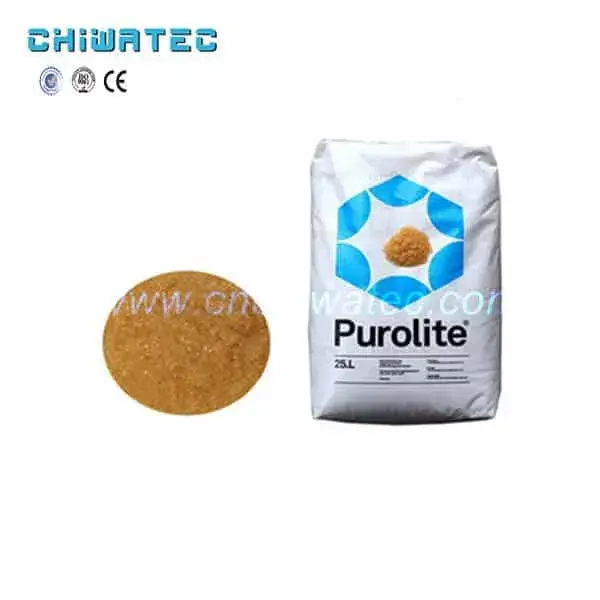
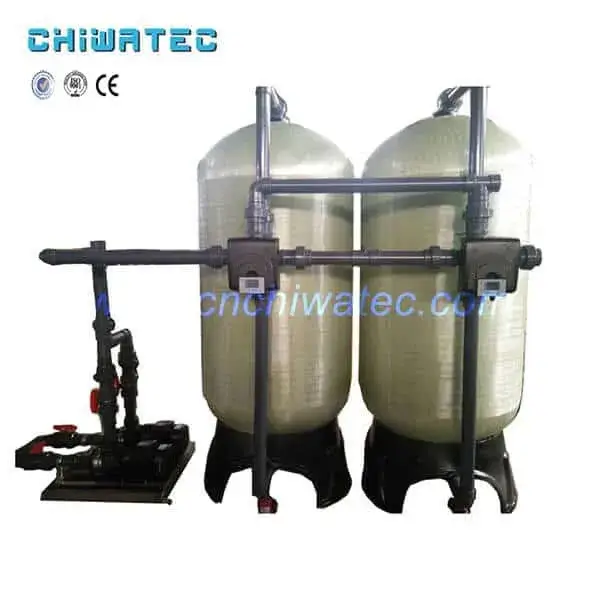
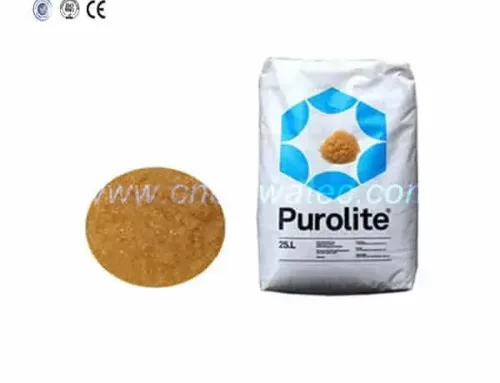
- Softening (ion exchange) — Removes calcium and magnesium hardness but adds sodium to the water. If not carefully controlled, residual sodium can impart a salty taste to wine. Regeneration requires salt and produces brine discharge.
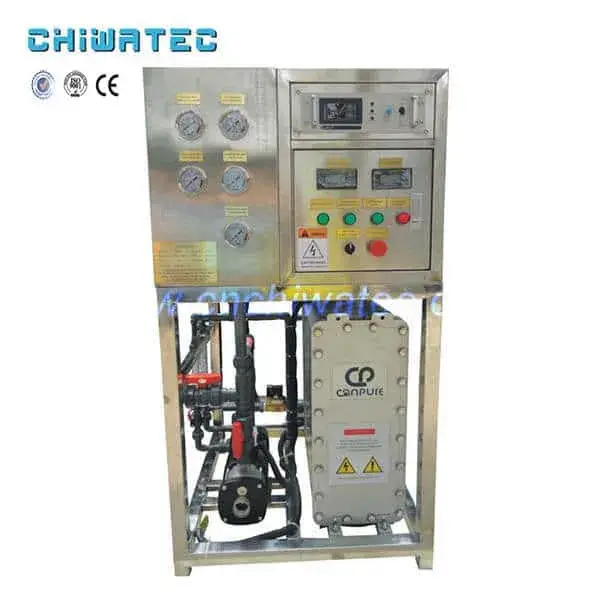
- Electrodialysis (ED) — Uses ion-selective membranes and an electrical field to remove dissolved ions. Effective but higher energy consumption and membrane fouling issues limit adoption in smaller wineries.
- Ultrafiltration (UF) — Removes suspended solids, bacteria, and large organic molecules but does NOT remove dissolved salts, hardness, or metal ions. UF alone cannot address the ionic impurities that affect wine taste.
- Conventional filtration (multi-media + cartridge) — Removes particulate matter but does not remove dissolved contaminants. Must be combined with other treatment methods for complete water purification.
A key challenge with traditional methods is that operators often lack specialized training in water treatment, leading to inconsistent dosing, improper regeneration, and batch-to-batch variation in wine quality.
4. Reverse Osmosis Winemaking Water Treatment Technology
Reverse osmosis is a membrane-based water treatment technology that uses pressure to force water through a semipermeable membrane, rejecting dissolved ions, organic molecules, and suspended solids. For winemaking applications, RO provides a physical separation method that operates at room temperature without phase change — preserving the natural characteristics of the source water while removing undesirable contaminants.
How RO Works in Winemaking Applications
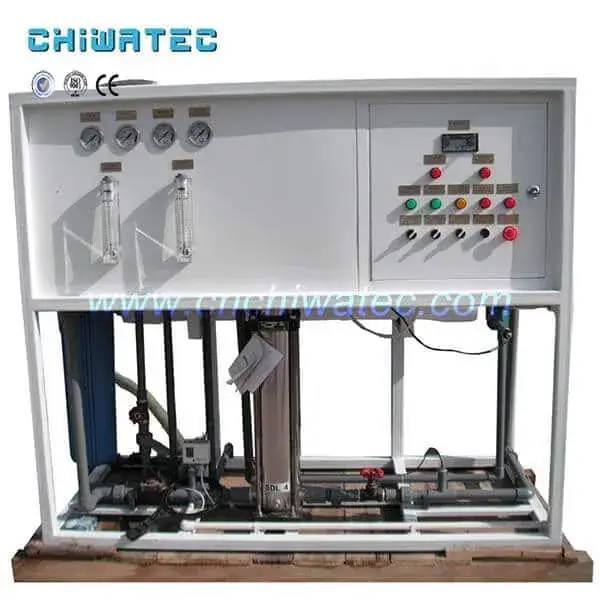
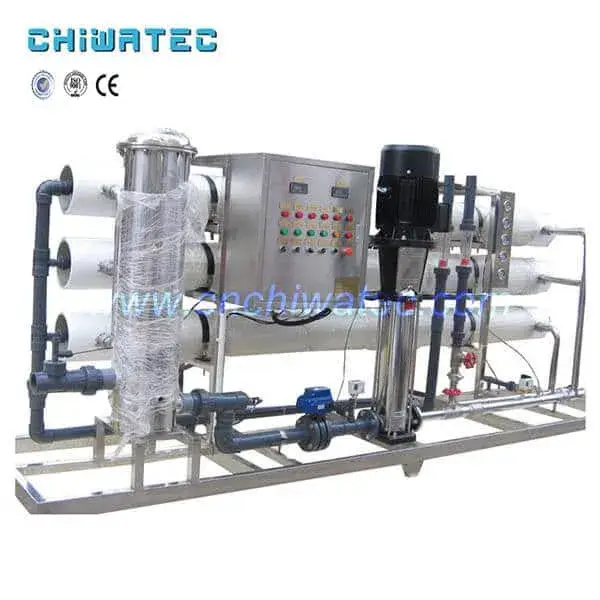
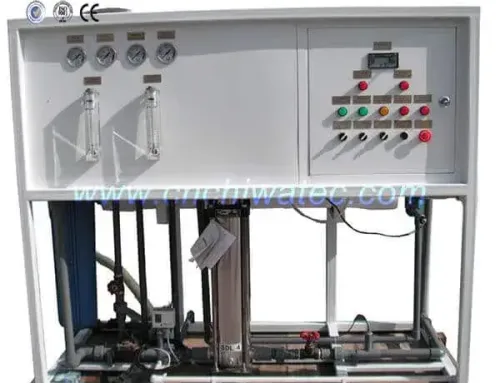
RO systems for winemaking water treatment typically include:
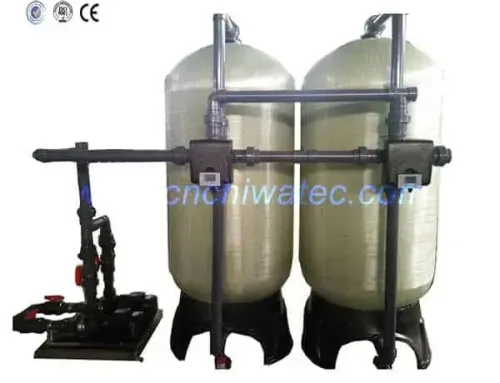
- Pretreatment stage — Multi-media filtration, activated carbon, and softening to protect RO membranes from fouling and scaling
- RO membrane stage — Thin-film composite (TFC) spiral-wound membranes that achieve 95-99% rejection of dissolved ions and organic compounds
- Post-treatment — UV sterilization or polishing as needed for specific winemaking requirements
The treated water has consistently low TDS (typically below 20 mg/L), neutral pH, and minimal microbial content — ideal conditions for predictable fermentation and reproducible wine profiles.
5. Advantages of RO Water Treatment in Winemaking
- Consistent water quality — RO produces water with stable TDS, pH, and ionic composition regardless of feed water variations, ensuring batch-to-batch reproducibility in winemaking.
- No chemical additives — RO is a physical separation process that requires minimal chemical dosing. No salt regeneration, acid neutralization, or coagulant chemicals are needed.
- Low energy consumption — Among all water desalination methods, RO has the lowest energy consumption — approximately 3-5 kWh per 1,000 gallons produced, compared to 10-20 kWh for electrodialysis or distillation.
- No hazardous waste — RO does not produce chemical waste liquids or acid-alkali discharge. The only byproduct is concentrated brine (reject water), which can be managed with minimal environmental impact.
- Room temperature operation — RO operates without phase change or temperature elevation, preserving the natural properties of the water without introducing thermal effects.
- Simplicity of operation — Modern RO systems feature automated controls with minimal operator intervention, reducing the risk of human error that plagues chemical-based treatment methods.
- Scalability — RO systems can be sized from small units producing 500 L/h for boutique wineries to large installations handling 50+ m³/h for industrial-scale wine production.
6. Implementing RO Systems in Winery Operations
When integrating reverse osmosis winemaking water treatment into a winery, consider the following factors:
- Water quality analysis — Conduct comprehensive feed water testing for TDS, hardness, iron, manganese, alkalinity, pH, and microbial parameters before system design
- System sizing — Calculate peak and average water demand based on production volume, bottling schedule, and cleaning requirements
- Storage and distribution — Install appropriately sized pure water storage tanks with UV sterilization to prevent bacterial regrowth in stored water
- Reject water management — Plan for RO concentrate disposal — typically 25-35% of feed flow — which can be used for cleaning, irrigation, or discharged to drain
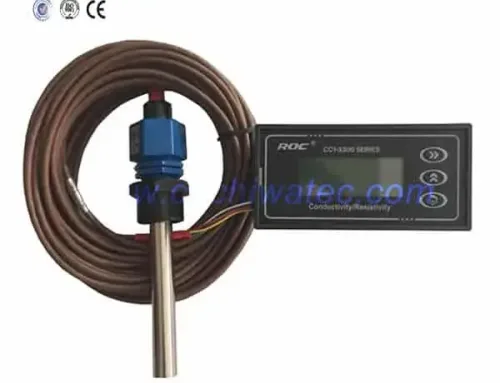
- Operator training — Provide basic training on RO system operation, membrane cleaning, and monitoring of key performance indicators (feed pressure, permeate flow, conductivity)
- Maintenance planning — Schedule regular membrane cleaning (every 3-6 months), cartridge filter replacement (1-3 months), and annual system inspection
Frequently Asked Questions
Q1: Why does water quality affect wine taste so significantly?
Wine is approximately 80-85% water by volume. The ionic composition of process water directly influences the chemical equilibrium of wine acids, tannins, and color compounds. Impurities such as iron (metallic taste), sodium (salty taste), and excessive alkalinity (bitter taste) interact with wine components, masking desirable flavors and introducing off-notes.
Q2: Can reverse osmosis remove all contaminants from winemaking water?
RO removes 95-99% of dissolved ions, organic compounds, bacteria, and suspended solids. For most winemaking applications, this level of purification is sufficient. For critical applications requiring ultrapure water (18.2 MO-cm), RO can be combined with electrodeionization (EDI) or mixed-bed polishing.
Q3: How does RO compare to ion exchange softening for winemaking?
Ion exchange softening removes hardness but adds sodium to water, which can introduce salty notes in wine. RO removes both hardness and sodium while also eliminating metals, organic matter, and other contaminants. RO provides superior and more comprehensive water quality for winemaking.
Q4: What is the typical cost of an RO system for a winery?
The cost depends on system capacity and feed water quality. A small winery RO system (1,000-3,000 L/h) typically costs 5,000-15,000 USD. Larger systems (10,000+ L/h) range from 30,000-100,000 USD. Operating costs are approximately 0.50-1.50 USD per 1,000 liters of treated water.
Q5: Can RO water be too pure for winemaking?
RO permeate is very low in minerals (TDS below 20 mg/L). For most winemaking applications, this is ideal as it provides a consistent baseline. If specific mineral adjustment is desired, wineries can blend RO permeate with a controlled amount of treated water or add food-grade mineral salts to achieve target ionic composition.
Conclusion and Call to Action
Reverse osmosis winemaking water treatment provides wineries with a reliable, chemical-free solution for producing consistent high-quality water that protects wine flavor, stability, and shelf life. By removing hardness, metals, alkalinity, and organic contaminants at the molecular level, RO eliminates the water-related quality problems that have challenged vintners for generations. Xi’an CHIWATEC Water Treatment Technology Co., Ltd. designs and manufactures RO systems tailored for winery applications, from compact units for boutique vineyards to large-scale systems for industrial wine production. Our team provides complete solutions including feed water analysis, system design, equipment supply, installation, and commissioning.
For more information about reverse osmosis water treatment for winemaking, contact our technical team:
Email: [email protected] / [email protected]
Related Resources
Do you have a water treatment project we can help with
* Designing,machining,installing,commissioning, customize and one-stop service
 English
  Spanish
  Portuguese