Best Home Water Treatment Equipment for Drinking Water 2026: Complete Buyer Guide
Choosing the right home water treatment equipment is essential for ensuring safe, healthy drinking water for your family. By 2026, the global residential water treatment market has reached $58 billion, with water softeners, water purifiers, and RO systems leading consumer preferences. This comprehensive guide helps you understand available technologies, select appropriate equipment for your household needs, and make informed decisions about domestic drinking water treatment.
Types of Home Water Treatment Equipment
Modern residential water treatment systems can be categorized into several main types, each designed for specific water quality challenges:
1. Water Softeners
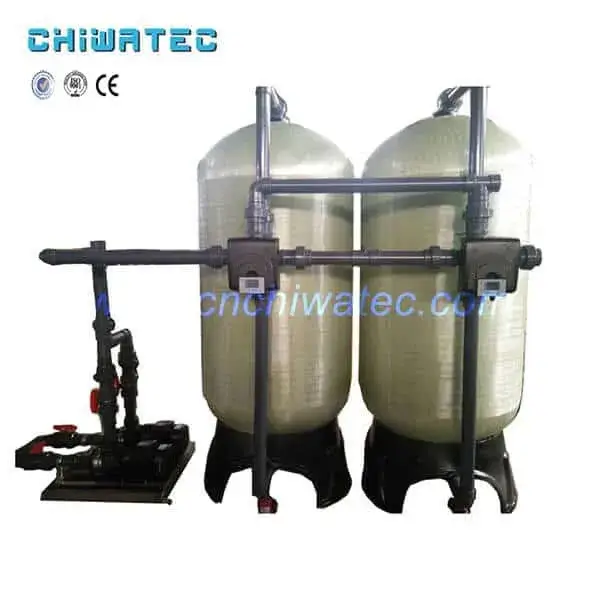
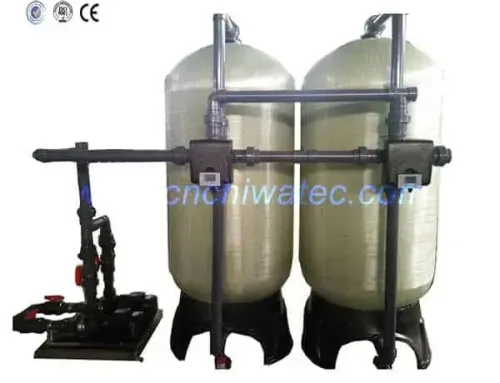
Water softeners primarily target hard water problems by removing calcium and magnesium ions that cause scale buildup.
How Water Softeners Work
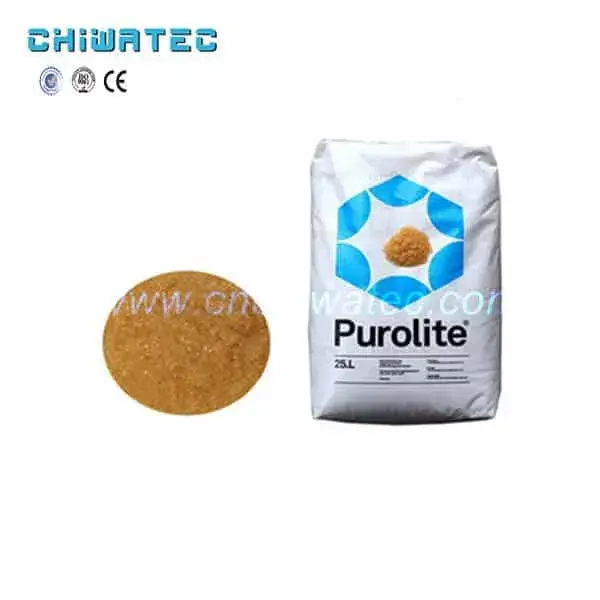
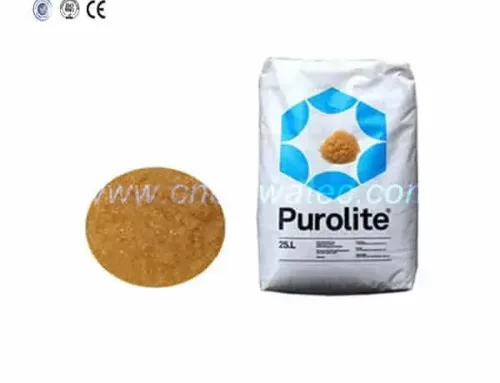
- Ion Exchange Process: Uses resin beads to exchange sodium ions for calcium and magnesium ions
- Dealkalization: Reduces alkalinity in hard water areas
- Regeneration Cycle: When resin becomes saturated, professional softening salt (NaCl) regenerates the resin bed
Ideal Applications
- Dry and Rainless Areas: Regions with naturally hard groundwater
- Whole-House Protection: Prevents scale in water heaters, underfloor heating pipes, and plumbing fixtures
- Villa and Large Homes: Independent heating and hot water systems benefit significantly from soft water
- High-End Sanitary Products: Protects ceramic fixtures from premature aging and dullness caused by hard water minerals
Benefits
- Prevents scale buildup in pipes and appliances (extends lifespan 30-50%)
- Improves soap and detergent efficiency (reduces usage by 25-40%)
- Reduces water heater energy consumption by 15-25%
- Prevents clogging of underfloor heating systems
- Leaves skin and hair feeling softer after bathing
2. Water Purifiers (RO Systems)
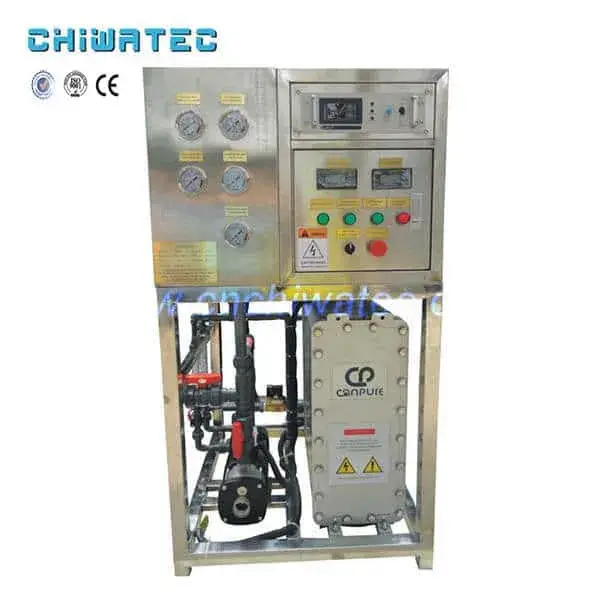
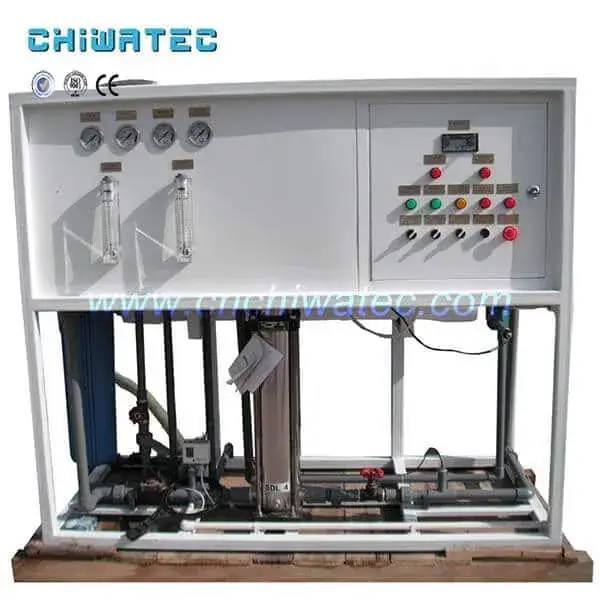
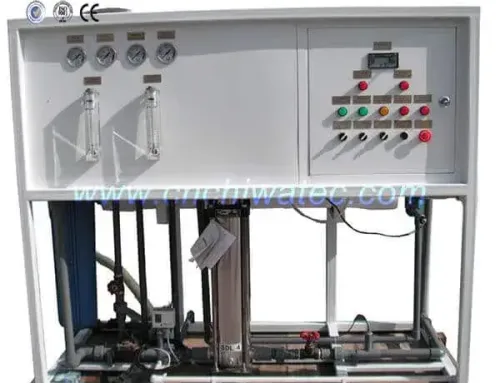
Reverse osmosis (RO) water purifiers represent the highest level of residential water filtration technology available.
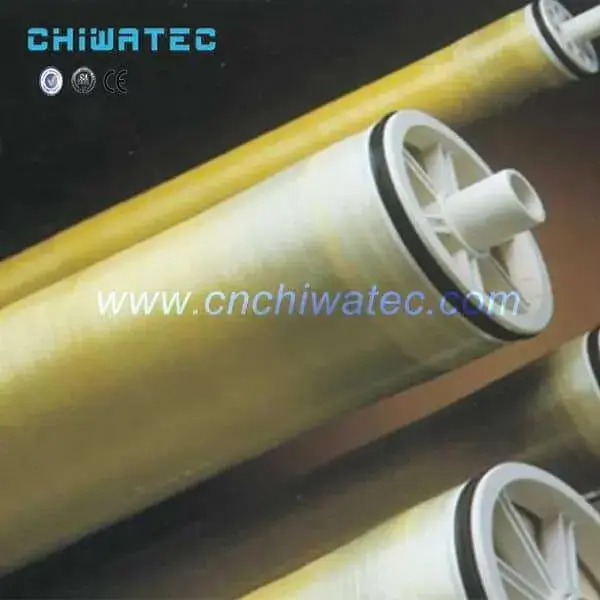
RO Membrane Technology
- Filtration Precision: Pore size of 0.0001 microns (one ten-thousandth of a micron)
- Historical Origin: RO membrane technology was initially developed by NASA with over $1 billion investment to purify astronaut urine for drinking water in space missions
- Civilian Application: Later adapted for residential and commercial water treatment, representing the world’s highest filtration precision
Contaminant Removal
Since bacteria, viruses, heavy metals, and dissolved salts have molecular diameters larger than RO membrane pores, RO systems effectively eliminate:
- Bacteria (E. coli, Salmonella, Legionella)
- Viruses (Hepatitis, Norovirus, Rotavirus)
- Heavy metals (Lead, Mercury, Cadmium, Arsenic, Chromium)
- Dissolved salts and TDS (Total Dissolved Solids)
- Fluoride, nitrate, sulfate
- Pesticides and herbicides
- Pharmaceutical residues
Direct Drinking Standard
Water treated by RO membrane meets direct drinking water standards, eliminating the need for boiling before consumption. This makes RO systems ideal for:
- Drinking and cooking
- Infant formula preparation
- Coffee and tea brewing
- Ice cube production
Important Considerations
While RO membranes effectively remove harmful contaminants, they also remove beneficial minerals and trace elements. Expert recommendations:
- Elderly and Children Under 3: Should not consume pure RO water as long-term primary drinking water due to mineral deficiency risks
- Mineral Addition: Choose RO systems with post-filtration mineral cartridges that add calcium, magnesium, and trace elements back to treated water
- Remineralization Filters: Consider systems with calcite or coral calcium filters for balanced mineral content
3. Precision Filters
Precision filters (also called cartridge filters or sediment filters) serve as pre-filtration or standalone treatment for specific applications.
Filtration Levels
- 5-Micron Filters: Remove sand, silt, rust particles
- 1-Micron Filters: Capture finer sediment and some bacteria
- 0.5-Micron Filters: Remove cysts (Giardia, Cryptosporidium) and fine particles
- 0.2-Micron Filters: Bacteria-level filtration
Applications
- Whole-house pre-filtration to protect plumbing and appliances
- Point-of-use filtration for specific taps
- Pre-treatment before RO or UV systems
4. Specialized Equipment (Restricted Categories)
Electrolysis Water Machines
These devices use high-magnetic electrolysis to separate water into alkaline and acidic streams:
- Process: Positive electrode produces alkaline water; negative electrode produces acidic water
- Regulatory Status: Classified as health care products, not water treatment equipment
- Sales Restrictions: Prohibited from sale in major shopping malls and specialty stores in many countries
- Stability Issue: Electrolyzed water automatically reverts to original tap water characteristics within 24 hours as positive and negative charges neutralize
Spectrum Water Machines
Similar to electrolysis devices, spectrum water machines claim health benefits through electromagnetic treatment:
- Technology Origin: Imported from Europe, America, South Korea, and Japan
- Infrastructure Dependency: These products work effectively only in regions where tap water already meets direct drinking standards (pre-treated with RO at municipal level)
- China Context: Since Chinese tap water treatment standards have not reached direct-drinking quality, spectrum water machines provide limited practical benefit
- 24-Hour Reversion: Like electrolyzed water, spectrum-treated water returns to original state within 24 hours
Selecting the Right Equipment for Your Home
Step 1: Assess Your Water Quality
Before purchasing any water treatment equipment, understand your specific water challenges:
Water Testing Parameters
- Hardness: Measured in mg/L CaCO₃ or grains per gallon (gpg)
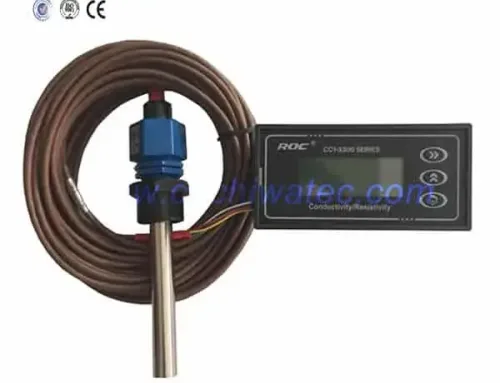
- TDS (Total Dissolved Solids): Indicates overall mineral content
- pH Level: Affects corrosion potential and treatment efficiency
- Chlorine: Municipal disinfection residual
- Heavy Metals: Lead, copper, arsenic if plumbing is old or source is contaminated
- Bacteria: Coliform testing for well water
Testing Options
- Professional laboratory testing (most accurate)
- Home test kits (screening level)
- TDS meter (quick TDS assessment)
- Hardness test strips (convenient hardness check)
Step 2: Match Equipment to Needs
| Water Problem | Recommended Equipment | Alternative |
|---|---|---|
| Hard Water (Scale) | Water Softener (Ion Exchange) | Template Assisted Crystallization (TAC) |
| High TDS/Salty Taste | RO System | Distillation |
| Bacteria/Virus Concern | RO + UV System | UV Alone (if TDS low) |
| Sediment/Rust | Precision Sediment Filter | Whole-House Filter |
| Chlorine Taste/Odor | Activated Carbon Filter | Catalytic Carbon |
| Heavy Metals | RO System | Specialized Media Filter |
Step 3: Consider Household Characteristics
Family Size and Water Usage
- 1-2 Persons: Under-sink RO system (50-75 GPD)
- 3-5 Persons: Larger RO system (100-200 GPD) or whole-house filtration
- 5+ Persons: Consider whole-house softener + kitchen RO combination
Home Type
- Apartments: Point-of-use systems (under-sink, countertop)
- Villas/Independent Homes: Whole-house softener + multiple point-of-use purifiers
- Rural/Well Water: Comprehensive treatment (sediment + carbon + softener + RO + UV)
Installation Space
- Under-sink cabinets: Compact RO systems
- Basement/Garage: Whole-house softeners and large filtration systems
- Limited space: Countertop or faucet-mount options
2026 Market Trends in Home Water Treatment
Smart Water Systems
- WiFi-connected systems with smartphone monitoring
- Filter replacement reminders via app notifications
- Real-time water quality monitoring with TDS display
- Automatic leak detection and shutoff valves
Water Efficiency Improvements
- Zero-waste RO systems (1:1 recovery ratio vs traditional 1:3)
- Permeate pumps reducing wastewater by 80%
- High-efficiency softeners using 40% less salt and water
Health-Focused Features
- Remineralization cartridges adding calcium, magnesium, potassium
- Alkaline pH adjustment (7.5-8.5) for health-conscious consumers
- UV-C LED disinfection (mercury-free, longer lifespan)
Sustainability Trends
- Long-life filters (2-5 years vs traditional 6-12 months)
- Recyclable filter cartridges
- Energy-efficient systems with standby modes
Maintenance and Operating Costs
Water Softener Maintenance
- Salt Refill: Monthly to quarterly (depending on hardness and usage)
- Resin Replacement: Every 8-12 years
- Annual Cost: $100-200 for salt + electricity
RO System Maintenance
- Pre-Filter Replacement: Every 6-12 months ($30-50/set)
- RO Membrane: Every 2-3 years ($80-150)
- Post-Filter/Mineral Cartridge: Every 12 months ($30-60)
- Annual Cost: $150-300 for filter replacements
Precision Filter Maintenance
- Cartridge Replacement: Every 3-12 months depending on sediment load
- Annual Cost: $50-150
Conclusion
Selecting the right home water treatment equipment requires understanding your specific water quality challenges, household needs, and long-term maintenance commitments. Water softeners excel at protecting plumbing and appliances from scale in hard water areas, while RO water purifiers provide the highest level of contaminant removal for safe direct drinking. Precision filters serve essential roles in pre-filtration and sediment removal.
Be cautious of restricted products like electrolysis and spectrum water machines, which lack regulatory approval for water treatment claims and revert to original water quality within 24 hours. Instead, focus on proven technologies with established performance records.
For optimal results, consider a multi-stage approach: whole-house sediment filtration + water softener (if needed) + kitchen RO system with remineralization. This combination addresses comprehensive water quality concerns while ensuring safe, great-tasting drinking water for your family.
As we advance through 2026, smart water treatment systems with connectivity, improved water efficiency, and health-focused features continue to enhance the residential water treatment experience, making clean, safe drinking water more accessible than ever.
Frequently Asked Questions (FAQ)
1. What is the best water treatment equipment for home drinking water?
For most households, a combination of water softener (for whole-house scale prevention) and RO system (for kitchen drinking water) provides optimal results. RO systems offer the highest filtration precision (0.0001 microns), removing bacteria, viruses, heavy metals, and dissolved solids.
2. Is RO water safe for long-term drinking?
RO water is safe but lacks minerals. Experts recommend choosing RO systems with remineralization cartridges, especially for elderly and children under 3 years old. Mineral addition restores calcium, magnesium, and trace elements for balanced, healthy drinking water.
3. How often do I need to replace RO membrane?
RO membranes typically last 2-3 years depending on water quality and usage. Replace pre-filters every 6-12 months to protect the membrane and maintain optimal performance.
4. Are electrolysis water machines recommended?
No. Electrolysis and spectrum water machines are classified as health care products, not water treatment equipment. They’re restricted from sale in many regions, and treated water reverts to original quality within 24 hours.
5. Do I need a water softener if I have an RO system?
Yes, for hard water areas. RO systems protect drinking water quality, while softeners protect whole-house plumbing, water heaters, and appliances from scale. They serve different purposes and work best together.
6. How much does home water treatment cost annually?
Annual operating costs: Water softener $100-200 (salt + electricity), RO system $150-300 (filter replacements), precision filters $50-150. Total typical household cost: $300-650/year.
7. Can I install water treatment equipment myself?
Precision filters and under-sink RO systems are DIY-friendly. Whole-house softeners and complex systems benefit from professional installation to ensure proper sizing, plumbing connections, and warranty coverage.
Extended Reading
- CHIWATEC Complete Guide to Reverse Osmosis (RO) System Operation and Maintenance
- What Is Water Treatment? Complete Guide to Methods, Processes & 2026 Technologies
- Advanced Water Purification System: Process Principles and Flow Diagram
Do you have a water treatment project we can help with
* Designing,machining,installing,commissioning, customize and one-stop service
 English
  Spanish
  Portuguese