Drinking water purification systems have become essential for homes and businesses worldwide, with the global market projected to reach $58.3 billion by 2030. As water quality concerns grow—affected by aging infrastructure, agricultural runoff, and emerging contaminants—understanding household water treatment options empowers consumers to make informed decisions about their health.
This comprehensive guide explores drinking water solutions ranging from residential under-sink purifiers to commercial-grade systems, explaining filtration technologies, installation considerations, and maintenance requirements for optimal water quality in 2026.
Why Drinking Water Purification Matters in 2026
Despite municipal treatment advances, tap water can contain residual contaminants that affect taste, safety, and long-term health. Recent studies reveal:
- PFAS contamination: Detected in 45% of U.S. tap water samples, linked to immune system suppression and cancer risks
- Lead exposure: Aging pipes affect 6-10 million households globally, causing developmental issues in children
- Chlorine byproducts: Trihalomethanes (THMs) form during disinfection, associated with bladder cancer risk
- Microplastics: Found in 83% of tap water samples worldwide, long-term health impacts under investigation
- Pharmaceutical residues: Trace medications and hormones pass through conventional treatment plants
Residential water purifier systems provide a critical barrier against these contaminants, delivering consistently safe drinking water for families and businesses.
How Water Purifiers Work: Core Filtration Technologies
Reverse Osmosis (RO) Technology
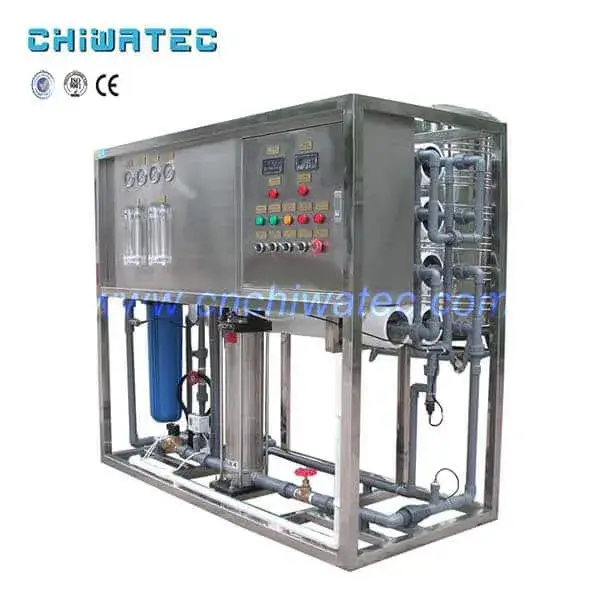
Reverse osmosis remains the gold standard for drinking water purification systems, using semi-permeable membranes with 0.0001-micron pores to remove 95-99% of dissolved contaminants. RO systems effectively eliminate:
- Dissolved salts and minerals (TDS reduction)
- Heavy metals (lead, mercury, arsenic, chromium)
- Fluoride and nitrates
- Bacteria, viruses, and protozoa
- Pesticides and industrial chemicals
Modern household water treatment RO units feature 5-6 stage filtration, achieving recovery rates of 50-75% with energy-efficient designs.
Activated Carbon Filtration
Activated carbon filters adsorb organic compounds, chlorine, and volatile organic compounds (VOCs) that affect taste and odor. Granular activated carbon (GAC) and carbon block filters serve as pretreatment for RO systems or standalone solutions for municipally treated water.
Ultrafiltration (UF) Systems
Ultrafiltration membranes (0.01-0.1 microns) remove bacteria, protozoa, and suspended solids while retaining beneficial minerals. UF systems operate without electricity or wastewater discharge, making them ideal for low-TDS source water.
UV Disinfection
Ultraviolet (UV) lamps provide chemical-free disinfection, destroying 99.99% of bacteria and viruses by disrupting their DNA. UV systems complement RO and UF technologies for comprehensive microbiological protection.
Types of Drinking Water Purification Systems
Under-Sink RO Systems
Under-sink residential water purifier units offer the best balance of performance and space efficiency. Key features include:
- Capacity: 50-100 gallons per day (GPD) for typical households
- Installation: Connected to cold water line with dedicated faucet
- Storage: 2-4 gallon pressurized tank ensures on-demand availability
- Maintenance: Filter changes every 6-12 months, membrane replacement every 2-3 years
Countertop Water Purifiers
Countertop systems provide portable drinking water solutions without permanent installation. Ideal for renters and small kitchens, these units connect to existing faucets or feature built-in reservoirs with gravity-fed filtration.
Whole-House Water Treatment
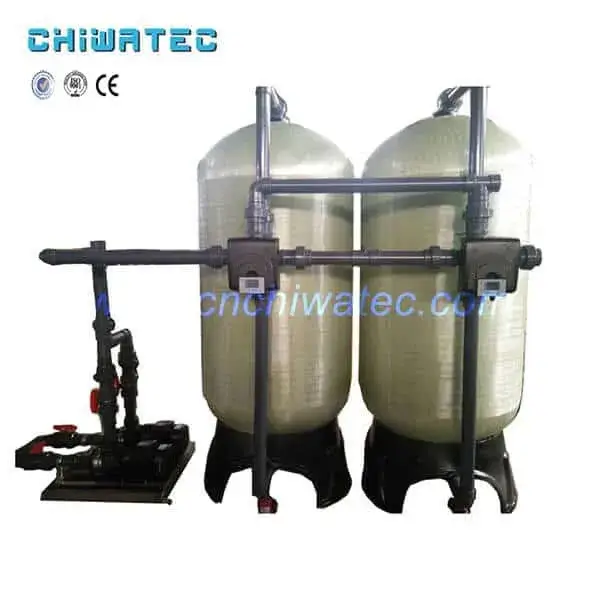
Whole-house systems treat all water entering the home, addressing sediment, chlorine, and scale throughout the plumbing. While not providing RO-level purification at every tap, they protect appliances and improve bathing water quality.
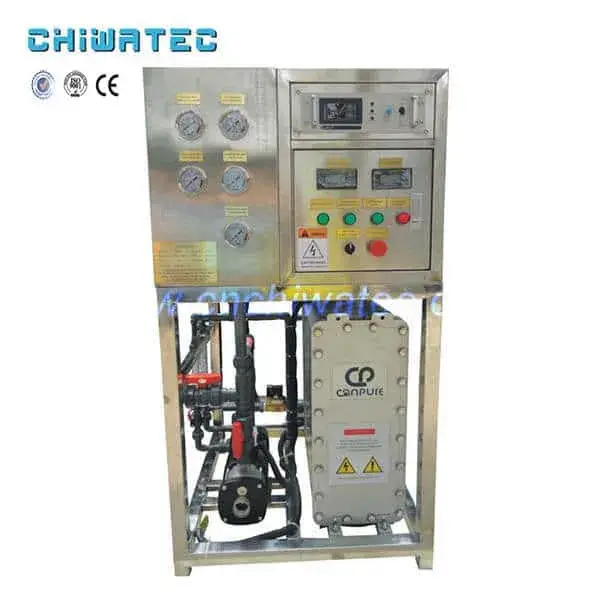
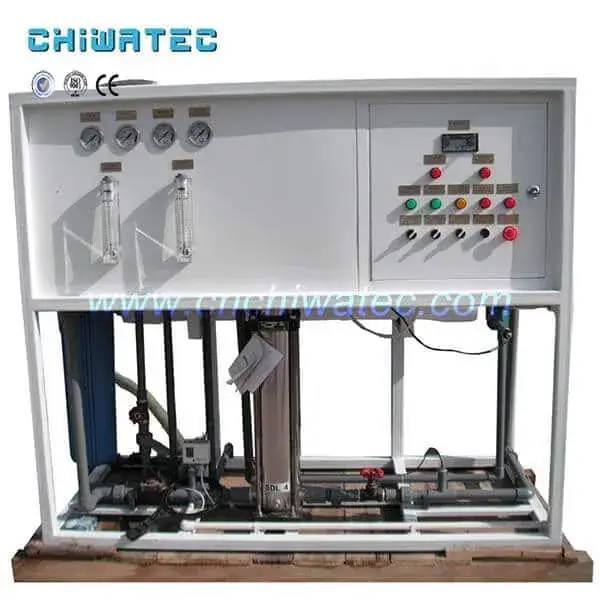
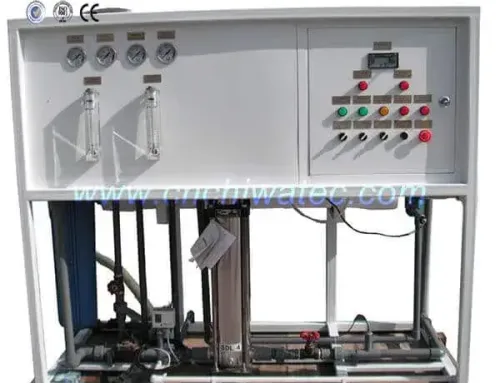
Commercial Drinking Water Systems
Restaurants, offices, and schools require high-capacity commercial drinking water solutions with 200-500+ GPD production rates. These systems feature stainless steel components, multiple dispensing points, and compliance with NSF/ANSI commercial standards.
Key Features to Consider When Choosing a Water Purifier
Water Quality Testing
Before selecting a household water treatment system, test your source water to identify specific contaminants. Municipal water quality reports (Consumer Confidence Reports) provide baseline data, while well water requires independent laboratory analysis.
Certification Standards
Look for third-party certifications ensuring performance claims:
- NSF/ANSI 58: Reverse osmosis drinking water treatment systems
- NSF/ANSI 42: Aesthetic effects (chlorine, taste, odor)
- NSF/ANSI 53: Health effects (lead, cysts, VOCs)
- NSF/ANSI 55: UV microbiological treatment
- WQA Gold Seal: Comprehensive certification program
Flow Rate and Capacity
Match system capacity to household size and usage patterns. A family of four typically consumes 2-3 gallons of drinking water daily, requiring a minimum 50 GPD RO system with 3-gallon storage tank.
Wastewater Ratio
Traditional RO systems produce 3-4 gallons of wastewater per gallon of purified water. Modern drinking water purification systems with permeate pumps achieve 1:1 or 2:1 ratios, significantly reducing water waste and utility costs.
Smart Monitoring Features
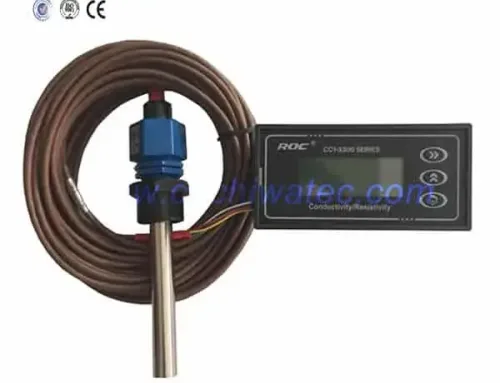
Advanced systems include TDS meters, filter life indicators, and leak detection sensors. WiFi-enabled models provide smartphone alerts for maintenance schedules and water quality monitoring.
Installation and Maintenance Best Practices
Professional vs. DIY Installation
Under-sink RO systems require basic plumbing skills and 2-3 hours for installation. Professional installation ensures proper connections, leak testing, and warranty validation, typically costing $150-300.
Filter Replacement Schedule
Regular maintenance ensures optimal performance and water quality:
- Sediment Pre-Filter: Replace every 6-12 months (removes dirt, rust, particles)
- Carbon Pre-Filter: Replace every 6-12 months (reduces chlorine, VOCs, odors)
- RO Membrane: Replace every 2-3 years (primary contaminant removal)
- Post-Carbon Filter: Replace every 12 months (polishes taste and odor)
- UV Lamp: Replace every 12 months (microbiological disinfection)
System Sanitization
Annual sanitization prevents bacterial growth in storage tanks and tubing. Use food-grade hydrogen peroxide or manufacturer-approved sanitizing solutions, followed by thorough flushing.
Benefits of Advanced Drinking Water Purification
- Health protection: Removes harmful contaminants linked to cancer, neurological disorders, and developmental issues
- Improved taste: Eliminates chlorine, sulfur, and organic compounds affecting flavor
- Cost savings: Reduces bottled water expenses by 80-90%, paying for itself within 12-18 months
- Environmental impact: Decreases plastic bottle waste—average family avoids 1,500+ bottles annually
- Cooking quality: Better-tasting coffee, tea, and soups with pure water base
- Appliance protection: Prevents scale buildup in ice makers, coffee machines, and humidifiers
Latest Innovations in Water Purification Technology (2026)
Graphene-Enhanced Membranes
Next-generation drinking water purification systems incorporate graphene oxide membranes with 50% higher flux rates, reducing energy consumption and increasing production capacity without sacrificing filtration quality.
Mineral Remineralization
Post-RO remineralization cartridges add beneficial calcium, magnesium, and potassium back to purified water, improving taste and addressing concerns about demineralized water consumption.
Zero-Waste RO Systems
Closed-loop household water treatment designs redirect concentrate water to household uses (cleaning, irrigation, toilets), achieving near-zero wastewater discharge while maintaining membrane performance.
AI-Powered Monitoring
Smart systems use machine learning to predict filter degradation, detect leaks, and optimize cleaning cycles based on usage patterns and water quality trends.
Conclusion
Investing in a quality drinking water purification system protects your family’s health while delivering great-tasting water for drinking, cooking, and daily use. From compact under-sink RO units to whole-house commercial drinking water solutions, modern household water treatment technology offers options for every need and budget.
CHIWATEC provides comprehensive drinking water solutions backed by decades of water treatment expertise. Our engineering team helps you select, install, and maintain the optimal system for your specific water quality challenges—ensuring safe, pure water for years to come.
Contact CHIWATEC today for a free water quality consultation and personalized residential water purifier recommendation.
FAQ: Drinking Water Purification Systems
1. How often should I replace RO membrane filters?
RO membranes typically last 2-3 years with proper maintenance. Monitor TDS levels and water production rate—significant increases in TDS or decreases in flow indicate membrane replacement is needed.
2. Does reverse osmosis remove beneficial minerals?
Yes, RO removes most dissolved minerals including calcium and magnesium. However, minerals from water contribute less than 5% of daily intake—a balanced diet provides adequate minerals. Optional remineralization filters can restore beneficial minerals if desired.
3. How much wastewater do RO systems produce?
Traditional RO systems produce 3-4 gallons of wastewater per gallon of purified water. Modern systems with permeate pumps achieve 1:1 or 2:1 ratios. Some households redirect concentrate water for cleaning or irrigation to minimize waste.
4. Can I install a water purifier myself?
Many under-sink systems are designed for DIY installation with basic plumbing tools and 2-3 hours of work. However, professional installation ensures proper connections, leak testing, and may be required for warranty coverage.
5. What is the difference between water purifier and water dispenser?
A water purifier produces clean drinking water by removing contaminants through filtration. A water dispenser heats and cools water but doesn’t necessarily purify it. Modern combination units integrate both functions for convenient hot, cold, and purified water.
Further Reading
Do you have a water treatment project we can help with
* Designing,machining,installing,commissioning, customize and one-stop service
 English
  Spanish
  Portuguese