Automatic Control Sodium Ion Exchanger: Complete Technical Guide 2026
Automatic control sodium ion exchangers represent the cornerstone of modern industrial and commercial water softening systems. These sophisticated devices automatically remove calcium and magnesium ions from water through ion exchange resin technology, preventing scale formation and extending equipment lifespan. This comprehensive guide covers essential technical terms and definitions for automatic control sodium ion exchangers, ensuring professionals and operators understand critical terminology for optimal system performance.
According to 2025 industry data, the global water softener market reached $14.2 billion, with automatic sodium ion exchange systems accounting for 67% of industrial installations. The technology continues evolving with smart controllers, improved resin formulations, and enhanced regeneration efficiency standards.
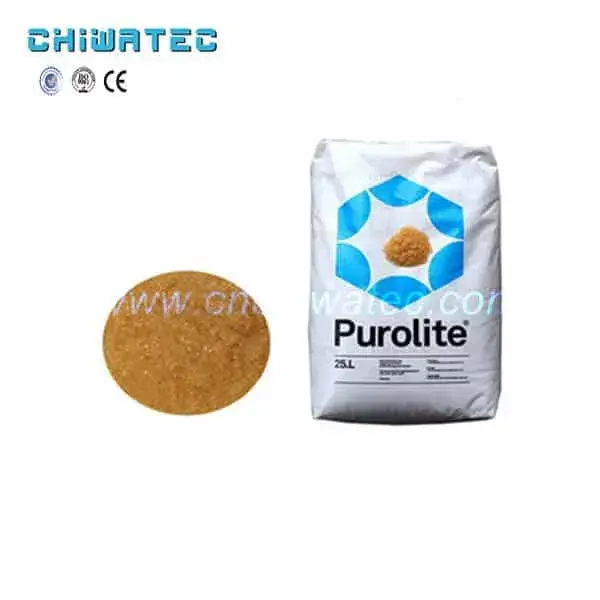
Core Technical Definitions for Sodium Ion Exchangers
Understanding fundamental water treatment terminology is essential for proper ion exchanger operation and maintenance. These core definitions form the basis of industry standards and operational protocols.
Water Quality Parameters
Hardness: The total concentration of metal ions that readily form precipitates in water, typically expressed as the combined concentration of calcium (Ca²⁺) and magnesium (Mg²⁺) ions. Measured in mg/L as CaCO₃, grains per gallon (gpg), or mmol/L. Hard water causes scale formation in pipes, boilers, and heat exchangers.
Softened Water: Water that has undergone treatment to remove most or all calcium and magnesium ions through sodium ion exchange. Residual hardness typically below 0.03 mmol/L or 1.7 gpg indicates effective softening.
Working Pressure: The inlet water pressure entering the exchanger, measured by gauge. Standard automatic control sodium ion exchangers operate at pressures not exceeding 0.6 MPa (6 bar or 87 PSI). Optimal pressure range: 0.2-0.4 MPa for efficient operation.
Working Temperature: The temperature of water during normal exchanger operation. Standard cation exchange resins function effectively between 5-40°C (41-104°F). High-temperature applications require specialized resin formulations.
Ion Exchange Resin Fundamentals
Ion Exchange Resin: A synthetic polymer copolymer containing active functional groups capable of exchanging ions with same-charge ions in solution. These porous beads (typically 0.3-1.2mm diameter) provide enormous surface area for ion exchange reactions.
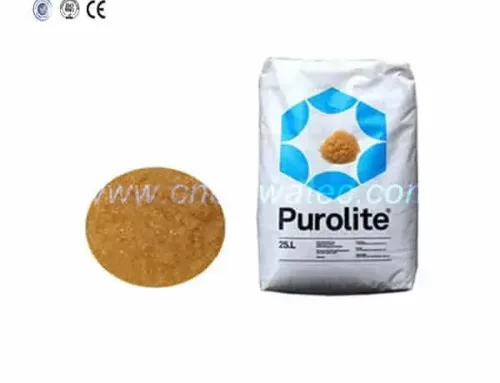
Cation Exchange Resin: Ion exchange resin with acidic functional groups that exchange positively charged ions (cations). When regenerated with sodium chloride (NaCl), it becomes sodium ion exchange resin, exchanging Na⁺ ions for Ca²⁺ and Mg²⁺ ions in water.
Resin Capacity: The maximum amount of hardness ions a given volume of resin can remove before exhaustion, expressed as mol/m³ or grains/ft³. Standard strong acid cation resins offer 1.8-2.0 eq/L total capacity.
Automatic Control Sodium Ion Exchanger System Components
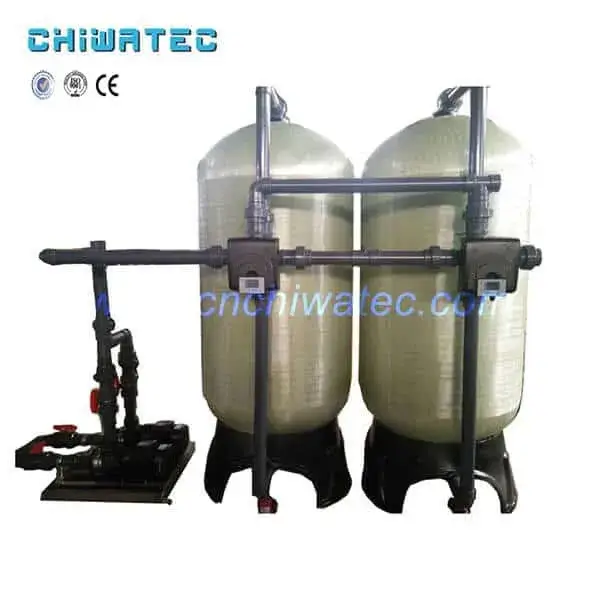
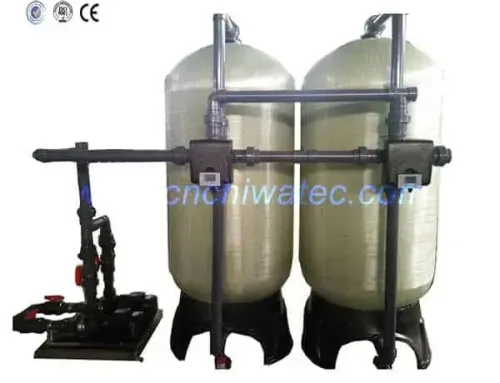
Automatically Controlled Sodium Ion Exchanger: A water softening system that autonomously initiates regeneration based on predetermined conditions (time, flow volume, or water quality). Uses sodium chloride as regenerant. Also termed automatic water softener or auto-control softener.
Automatically Controlled Multi-way Valve: A sophisticated valve assembly creating multiple fluid pathways without cross-contamination, controlled by electronic or mechanical programmers (controllers). Common configurations: 5-valve systems, rotary valves, or piston valves.
Control Types for Automatic Regeneration
Flow-Start Regeneration (Flow Control Type): Exchanger using a flow meter controller to track treated water volume. When predetermined capacity is reached (e.g., 10 m³), the system automatically initiates regeneration. Ideal for consistent daily water usage patterns.
Time-Start Regeneration (Time Control Type): Exchanger programmed to regenerate at specific time intervals (e.g., every 3 days at 2:00 AM). Suitable for predictable usage schedules but may waste salt/water if capacity not fully utilized.
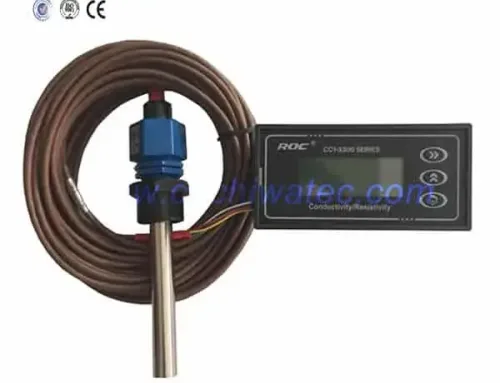
Outlet Water Quality Monitoring (Online Monitoring Type): Advanced systems with hardness sensors detecting effluent quality. When outlet hardness exceeds setpoint (e.g., 0.05 mmol/L), regeneration triggers automatically. Maximizes resin capacity utilization and ensures consistent water quality.
Regeneration Process Terminology
The regeneration process restores exhausted ion exchange resin to its sodium form, enabling continued water softening. Understanding each regeneration phase is critical for proper system operation and troubleshooting.
Regeneration Stages
Backwashing: After resin exhaustion, water flows upward through the resin bed (bottom to top), causing expansion and fluidization. This removes accumulated suspended solids, broken resin particles, and reclassifies the bed. Typical duration: 10-15 minutes at 10-15 m/h flow rate.
Regeneration (Salt Absorption): Concentrated sodium chloride solution (8-12% NaCl) flows through the exhausted resin bed at controlled flow rate, restoring exchange capacity by replacing captured Ca²⁺ and Mg²⁺ ions with Na⁺ ions.
- Downstream Regeneration: Regenerant flows in same direction as service water (top to bottom). Simpler design but less efficient.
- Counter-Current Regeneration: Regenerant flows opposite to service water direction (bottom to top). Provides better regeneration efficiency and lower salt consumption.
Replacement (Slow Rinse): Continuation of regeneration phase. After salt injection stops, water continues flowing at similar rate and direction, pushing regenerant through resin bed while completing regeneration. Displaces brine from resin pores. Duration: 30-45 minutes.
Forward Washing (Fast Rinse): After replacement, service water flows in normal direction (top to bottom) to flush remaining regenerant waste and displaced hardness ions until effluent meets quality standards. Typical duration: 10-20 minutes until hardness <0.03 mmol/L.
Regeneration Performance Metrics
Salt Consumption: Grams of sodium chloride (NaCl) required to restore 1 mole of ion exchange resin capacity. Industry standard: 100-150 g/mol NaCl for efficient systems. Lower values indicate better regeneration efficiency.
Regeneration Self-Consumption Rate: Ratio of total water volume used during regeneration to resin bed volume. Typical values: 2.5-4.0 m³/m³ resin. Lower ratios indicate better water efficiency.
Operating Cycle: Continuous operation time between regeneration cycles under rated output conditions. Calculated based on resin capacity, water hardness, and daily flow volume.
Periodic Water Production: Total softened water volume produced from regeneration completion until effluent hardness exceeds acceptable limits. Key parameter for flow-controlled systems.
System Configurations and Applications
Primary Sodium Ion Exchange: Water passes through a single sodium ion exchanger once. Standard configuration for most residential and light commercial applications with moderate hardness (≤500 mg/L as CaCO₃).
Secondary Sodium Ion Exchange: Water flows through two series-connected exchangers sequentially. Effluent from primary unit becomes influent to secondary unit. Achieves ultra-low hardness (<0.01 mmol/L) for high-pressure boilers and critical applications.
Bed Configuration Types
Fixed Bed (Downstream Regeneration): Traditional design where both service water and regenerant flow top-to-bottom through stationary resin bed. Simple operation, lower initial cost.
Fixed Bed (Counter-Current Regeneration): Service water flows top-to-bottom, but regenerant flows bottom-to-top. Superior regeneration efficiency, 20-30% salt savings compared to co-current systems.
Floating Bed: During service, water flows bottom-to-top, suspending resin in upper vessel section. Regenerant flows top-to-bottom. Compact design with good kinetics but requires precise flow control.
2026 Industry Standards and Trends
The automatic control sodium ion exchanger industry continues advancing with these key developments:
- Smart Controllers: IoT-enabled systems with remote monitoring, predictive maintenance alerts, and cloud-based data logging
- High-Efficiency Resins: New generation resins with 15-20% higher exchange capacity and improved kinetics
- Water Conservation: Advanced systems achieving <2.0 m³/m³ regeneration water consumption
- Salt Efficiency: Modern systems operating at 80-100 g/mol NaCl, reducing operational costs
- Modular Designs: Scalable systems allowing capacity expansion without complete replacement
2025 regulatory updates in EU and North America mandate minimum efficiency standards for new water softener installations, driving innovation in regeneration optimization.
Conclusion
Mastering technical terms and definitions of automatic control sodium ion exchangers is fundamental for water treatment professionals, facility managers, and system operators. These standardized definitions ensure clear communication, proper system specification, and effective troubleshooting.
Whether selecting equipment, optimizing regeneration parameters, or training operators, understanding terminology around ion exchange resin, regeneration processes, and control systems enables informed decisions that maximize system performance and longevity.
As automatic water softening technology evolves with smart features and improved efficiency, staying current with industry terminology remains essential for optimal water treatment outcomes.
FAQ
1. What is the difference between hardness and total dissolved solids (TDS)?
Hardness specifically measures calcium and magnesium ions that cause scale formation. TDS measures all dissolved ions including sodium, chloride, sulfate, and bicarbonate. Sodium ion exchange removes hardness but actually increases TDS slightly due to sodium addition during ion exchange.
2. How often should automatic sodium ion exchangers regenerate?
Regeneration frequency depends on water hardness, daily flow volume, and resin capacity. Flow-controlled systems regenerate when capacity is exhausted (typically 3-7 days for residential, daily for industrial). Time-controlled systems regenerate on fixed schedules regardless of actual usage.
3. What salt consumption is considered efficient for water softeners?
Modern efficient systems achieve 80-120 g NaCl per mole of hardness removed. Older systems may consume 150-200 g/mol. Salt efficiency directly impacts operating costs and environmental discharge considerations.
4. Why is counter-current regeneration more efficient than downstream regeneration?
Counter-current regeneration contacts the most exhausted resin (bottom of bed) with freshest regenerant, maximizing chemical efficiency. This achieves 20-30% better salt utilization and produces higher quality effluent compared to co-current (downstream) regeneration.
5. Can automatic control sodium ion exchangers handle iron contamination?
Standard resins tolerate up to 0.3 mg/L iron. Higher iron concentrations require pretreatment (oxidation/filtration) or specialized iron-fouling resistant resins. Iron fouling permanently reduces resin capacity and requires aggressive cleaning protocols.
Do you have a water treatment project we can help with
* Designing,machining,installing,commissioning, customize and one-stop service
 English
  Spanish
  Portuguese