Talking About How to Solve Water Pollution – Sustainable Strategies for a Cleaner Future
Explore the causes, effects, and effective solutions to water pollution, one of the most critical environmental issues of our time. This comprehensive guide explains the main sources of pollution, its devastating impacts on human health and ecosystems, and the essential engineering, legal, and social measures required to protect global water resources for future generations.
1. Understanding the Importance of Water and the Crisis of Pollution
Water is the lifeblood of our planet. It nourishes ecosystems, supports human civilization, and sustains every form of life. Yet, this vital resource is now under severe threat due to rampant pollution and unsustainable human activities.
Although the Earth’s surface is covered by 71% water, only about 3% is freshwater, and less than 1% is accessible for human use. Despite this scarcity, millions of tons of industrial wastewater, agricultural runoff, and domestic sewage are discharged into rivers, lakes, and oceans daily—contaminating over 5 trillion cubic meters of global water each year.
The consequences are dire: polluted water endangers public health, destroys aquatic ecosystems, and undermines food and economic security.
2. Main Causes of Water Pollution
2.1 Industrial Pollution
Industries are among the largest contributors to water pollution. Wastewater from factories—such as those in chemical, textile, paper, and pharmaceutical sectors—often contains:
- Heavy metals (lead, mercury, cadmium)
- Toxic chemicals (solvents, dyes, acids)
- Organic pollutants (phenols, hydrocarbons)
Without proper treatment, these effluents flow into rivers and oceans, causing long-term contamination that is difficult and costly to reverse.
2.2 Agricultural Pollution
Agriculture contributes to non-point source pollution, primarily through:
- Pesticides and fertilizers, which enter rivers via surface runoff
- Erosion and sedimentation, which increase suspended solids in water
- Animal waste, which adds pathogens and nutrients, leading to eutrophication
As agricultural production intensifies, so does nutrient pollution—creating dead zones in lakes and coastal waters where aquatic life cannot survive.
2.3 Domestic and Urban Sewage
Urbanization has led to the mass discharge of untreated domestic sewage.
Wastewater from households contains detergents, food waste, and microorganisms. When released untreated, it:
- Depletes dissolved oxygen in water
- Spreads waterborne diseases such as cholera, typhoid, and dysentery
- Creates black, odorous rivers and unsanitary living conditions
Globally, more than 70% of wastewater from cities in developing regions is released without any treatment.
3. Health Impacts of Water Pollution
Polluted water is a silent killer. According to the World Health Organization (WHO):
- 70% of the global population lacks access to safe drinking water.
- 15 million children under five die each year from diseases related to unsafe water.
- 250,000 people fall ill or die every day due to contaminated drinking water.
Common toxic pollutants and their health effects include:
| Contaminant | Source | Health Impact |
|---|---|---|
| Lead | Industrial waste | Brain and kidney damage; child developmental delays |
| Cadmium | Electroplating, batteries | Kidney dysfunction; bone damage |
| Mercury | Mining, chemical plants | Nervous system and kidney toxicity |
| Arsenic | Natural minerals, pesticides | Skin and lung cancers |
| Nitrates & Nitrites | Fertilizers, sewage | “Blue baby” syndrome; cardiovascular diseases |
| Trihalomethanes | Chlorinated water | Carcinogenic effects, especially bladder cancer |
The bioaccumulation of these substances in fish and crops also poses long-term threats to food safety and human health.
4. Strategies and Solutions to Water Pollution
To effectively address water pollution, a multi-layered approach combining engineering, legal, administrative, and public participation is essential.
4.1 Legal and Administrative Measures
- Strengthen environmental legislation to regulate industrial discharge limits.
- Empower local governments with authority and resources to enforce water quality standards.
- Establish accountability mechanisms and penalties for non-compliance.
- Encourage public reporting of illegal wastewater discharges.
4.2 Engineering and Technological Solutions
- Wastewater treatment plants should be expanded and modernized with biological and membrane technologies.
- Rainwater and sewage separation systems prevent untreated sewage overflow during storms.
- Reuse of treated wastewater in agriculture or industry conserves freshwater resources.
- Industrial relocation and upgrading of outdated factories reduce pollution load in urban areas.
4.3 Urban and Municipal Management
- Enhance solid waste management to prevent garbage dumping into rivers.
- Build public toilets and waste disposal sites to stop open defecation near waterways.
- Remove illegal riverside constructions and restaurants that discharge wastewater directly.
- Educate municipal workers and residents on environmental hygiene.
4.4 Water Resource Regulation
- Implement integrated water resource management (IWRM) to balance water use for domestic, agricultural, and industrial purposes.
- Replenish rivers with treated or reclaimed water to maintain natural flow and improve self-purification.
- Develop regional water allocation strategies during dry seasons to prevent stagnation and contamination.
4.5 Public Awareness and Participation
- Educate communities about water conservation and pollution prevention through schools and media.
- Encourage citizen monitoring programs for local rivers and lakes.
- Promote the idea that “protecting water is protecting life.”
Active public involvement can significantly enhance the effectiveness of water pollution control efforts.
Conclusion
Water pollution control is one of humanity’s greatest environmental challenges. Unlike floods or droughts, pollution is continuous and pervasive—a human-made disaster requiring collective responsibility.
Solving it demands technological innovation, government support, legal enforcement, and public participation.
By investing in clean water infrastructure, promoting sustainable agriculture, and fostering a culture of conservation, we can restore balance to the Earth’s water systems.
Water is not an infinite resource. Protecting it is not just an environmental duty—it is a moral obligation to ensure the survival and prosperity of future generations.

FAQ
Q1: What are the main causes of water pollution?
A1: The major sources include industrial effluents, agricultural runoff (pesticides and fertilizers), and untreated domestic sewage.
Q2: How does water pollution affect human health?
A2: Polluted water causes diseases like cholera, dysentery, and hepatitis, and long-term exposure to heavy metals can lead to organ damage and cancer.
Q3: What can individuals do to help reduce water pollution?
A3: Reduce chemical use, avoid littering near water bodies, support wastewater recycling, and promote community cleanup programs.
Q4: How can governments and industries work together to reduce water pollution?
A4: Through stricter environmental laws, investment in wastewater treatment technology, and incentives for cleaner production processes.
Q5: Why is solving water pollution essential for sustainable development?
A5: Clean water is critical for health, food security, and economic growth. Without sustainable water management, no society can thrive long-term.
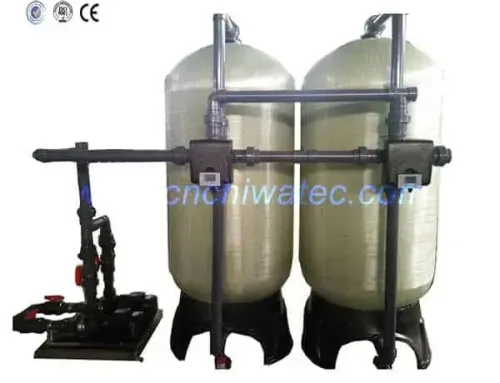
Xi’an CHIWATEC Water Treatment Technology is a high-tech enterprise specialized in various water processing devices. Aside from these individual products, which cover a number of types and series, we can also help with related comprehensive engineering projects. Thanks to our hard work and dedication upon our founding, we are now one of the fastest-developing water treatment equipment manufacturers in Western China.
Further reading:
FOLLOW US
Do you have a water treatment project we can help with
* Designing,machining,installing,commissioning, customize and one-stop service

 English
  Spanish
  Portuguese