

Water Pollution Causes and Types: Complete Guide to Water Contamination 2026
Water pollution remains one of the most critical environmental challenges of the 21st century. Understanding how water pollution is caused and recognizing the different types of water pollution is essential for implementing effective water treatment solutions. This comprehensive guide explores the root causes of water contamination, categorizes pollution types, and provides actionable insights for preventing water quality degradation. Learn about industrial discharge, agricultural runoff, secondary contamination, and emerging pollutants affecting global water resources in 2026.
1. How Is Water Pollution Caused? Understanding the Root Causes
Water pollution occurs when harmful substances contaminate water bodies, making the water unsafe for human consumption, aquatic life, and ecological balance. The causes of water contamination are diverse and interconnected, ranging from industrial activities to household practices.
1.1 Industrial Discharge and Chemical Contamination
Industrial facilities discharge untreated or partially treated wastewater containing:
- Heavy metals: Lead, mercury, cadmium, chromium from manufacturing processes
- Chemical solvents: Benzene, toluene, xylene from petrochemical industries
- Dyes and pigments: Textile industry wastewater causes severe color pollution
- Acids and alkalis: pH extremes that destroy aquatic ecosystems
According to the 2025 Global Water Quality Report, industrial sources account for approximately 45% of water pollution in developing nations, with only 60% of industrial wastewater receiving proper treatment before discharge.
1.2 Agricultural Runoff and Non-Point Source Pollution
Agricultural activities contribute significantly to water contamination through:
- Fertilizer runoff: Excess nitrogen and phosphorus cause eutrophication
- Pesticide leaching: Organophosphates and neonicotinoids persist in groundwater
- Livestock waste: Animal manure introduces pathogens and nutrients
- Sediment erosion: Soil particles increase turbidity and smother aquatic habitats
The FAO estimates that agricultural runoff contributes 30-40% of nutrient pollution in freshwater systems globally, making it the leading non-point source of water quality degradation.
1.3 Secondary Pollution of Drinking Water
Even treated water can become contaminated during distribution:
- Chemical disinfection byproducts: Chlorine and fluorine react with organic matter to form trihalomethanes (THMs) and haloacetic acids
- Water storage tanks: High-rise building tanks become breeding grounds for bacteria, algae, and biofilm
- Aging infrastructure: Rusty pipes release iron, lead, and copper into drinking water
- Cross-contamination: Backflow events introduce sewage into potable water lines
A 2025 study by the Water Research Foundation found that 23% of tap water samples exceeded safety standards due to secondary contamination in distribution systems, not source water quality.
1.4 Pipeline Pressure and Molecular Structure Changes
High-pressure water transmission affects water quality at the molecular level:
- Cluster formation: Pressure forces small water molecule clusters into larger aggregates
- Reduced solubility: Large clusters have diminished natural self-purification capacity
- Oxygen depletion: Compressed water holds less dissolved oxygen
Research from the Chinese Academy of Sciences demonstrates that water transmitted through high-pressure pipelines (>6 bar) shows 15-20% reduction in dissolution capacity compared to natural spring water.
1.5 Global Water Cycle Contamination
Water pollution transcends geographical boundaries through the hydrological cycle:
- Evaporation: Volatile organic compounds (VOCs) enter the atmosphere
- Atmospheric transport: Pollutants travel thousands of kilometers
- Precipitation: Acid rain and contaminated precipitation deposit pollutants
- Groundwater infiltration: Surface contamination leaches into aquifers
The average person consumes water containing 100+ different chemicals daily, most originating from distant pollution sources rather than local contamination.
1.6 Overexploitation and Resource Depletion
Excessive water extraction disrupts natural purification processes:
- Groundwater depletion: Lower water tables concentrate contaminants
- Reduced dilution: Less water volume means higher pollutant concentrations
- Loss of natural filtration: Dried wetlands cannot filter runoff
- Saline intrusion: Coastal aquifers experience saltwater contamination
UNESCO reports that 2.5 billion people rely on groundwater sources experiencing quality degradation due to overextraction, with recharge rates far below consumption levels.
2. Types of Water Pollution: Comprehensive Classification
Understanding the different types of water pollution helps identify appropriate treatment methods and prevention strategies. Water contamination can be categorized by pollutant type, source, or impact on water quality parameters.
2.1 Sensory (Physical) Water Pollution
Visible and detectable changes that affect water aesthetics and usability:
(1) Color Changes
Natural water is colorless and transparent. Contamination causes distinctive coloration:
- Red/pink: Textile dye discharge, iron bacteria
- Black/brown: Oil refinery wastewater, decaying organic matter
- Green: Algal blooms from nutrient pollution
- Yellow: Tannins from vegetation, industrial effluents
Color pollution not only affects aesthetics but often indicates toxic substances requiring advanced treatment.
(2) Turbidity Changes
Suspended solids reduce water transparency:
- Sediment: Soil erosion, construction runoff
- Organic particles: Decaying plant matter, sewage
- Inorganic colloids: Clay, silt, industrial byproducts
High turbidity (>5 NTU) blocks sunlight, reducing photosynthesis and harming aquatic ecosystems.
(3) Foam and Bubbles
Surface foam indicates surfactant contamination:
- Detergents: Household and industrial cleaning agents
- Industrial surfactants: Manufacturing processes
- Decomposing organic matter: Natural surfactants from decay
Foam traps bacteria and pathogens, creating health hazards for downstream water users.
(4) Odor Pollution
Unpleasant smells signal serious contamination:
- Rotten egg smell: Hydrogen sulfide from anaerobic decomposition
- Sewage odor: Fecal contamination, wastewater discharge
- Chemical smell: Industrial solvents, petroleum products
- Earthy/musty: Geosmin from algal blooms
Odor pollution makes water undrinkable and destroys recreational value of water bodies.
2.2 Organic Water Pollution
Contamination from carbon-based compounds requiring biological oxidation:
Sources:
- Urban sewage (domestic wastewater)
- Food processing industry effluents
- Paper mill discharge
- Agricultural residues
Impact:
Organic pollutants consume dissolved oxygen (DO) during decomposition:
- BOD (Biochemical Oxygen Demand): Measures oxygen consumed by bacteria
- COD (Chemical Oxygen Demand): Total oxidizable matter
- Hypoxic conditions: DO <2 mg/L causes fish kills
- Anaerobic fermentation: Produces methane, hydrogen sulfide, ammonia
The Yangtze River Basin 2025 monitoring report showed 35% of monitoring stations experienced seasonal hypoxia due to organic pollution, threatening aquatic biodiversity.
2.3 Inorganic Water Pollution
Contamination from non-carbon-based substances:
Types:
- Acids: Sulfuric, nitric, hydrochloric from industrial processes
- Alkalis: Sodium hydroxide, ammonia from manufacturing
- Inorganic salts: Nitrates, phosphates, sulfates, chlorides
- Heavy metals: Lead, mercury, arsenic, cadmium
Consequences:
- pH disruption: Natural buffering capacity destroyed (optimal pH 6.5-8.5)
- Microorganism inhibition: Beneficial bacteria cannot survive
- Increased hardness: Calcium and magnesium cause scaling
- Toxicity: Heavy metals bioaccumulate in food chain
2.4 Toxic Substance Pollution
Harmful chemicals that poison aquatic life and threaten human health:
Pollutant Categories:
- Persistent Organic Pollutants (POPs): PCBs, dioxins, DDT
- Pharmaceutical residues: Antibiotics, hormones, painkillers
- Endocrine disruptors: BPA, phthalates, pesticides
- Industrial chemicals: Solvents, plasticizers, flame retardants
Bioaccumulation Risk:
Toxic substances concentrate through the food chain:
- Low concentrations in water (parts per billion)
- Accumulation in plankton and small organisms
- Concentration in fish and aquatic animals
- Maximum levels in top predators (including humans)
Mercury levels in predatory fish can be 10,000+ times higher than surrounding water concentrations.
2.5 Eutrophic Pollution (Nutrient Enrichment)
Excessive nutrients trigger algal blooms and ecosystem collapse:
Nutrient Sources:
- Nitrogen: Fertilizers, sewage, atmospheric deposition
- Phosphorus: Detergents, agricultural runoff, animal waste
Eutrophication Process:
- Nutrients enter water body
- Algae multiply rapidly (algal bloom)
- Algae block sunlight, underwater plants die
- Decomposition consumes dissolved oxygen
- Fish and aquatic organisms suffocate
- “Dead zones” form with no aquatic life
Lake Taihu 2025 data shows 60% of the lake surface experiences seasonal algal blooms, with some areas reaching “severe eutrophication” status (chlorophyll-a >50 μg/L).
2.6 Oil Pollution
Petroleum contamination from various sources:
Sources:
- Offshore oil drilling and production
- Oil tanker accidents and spills
- Refinery wastewater discharge
- Urban runoff (motor oil, fuel)
Environmental Impact:
- Surface oil film: Prevents oxygen transfer from atmosphere
- Toxicity: Polycyclic aromatic hydrocarbons (PAHs) poison marine life
- Physical coating: Oil coats feathers and fur, killing birds and mammals
- Habitat destruction: Coastal resorts and wetlands contaminated
The 2025 Global Oil Spill Database recorded 847 significant oil spills worldwide, releasing an estimated 1.2 million barrels of petroleum into marine environments.
2.7 Thermal Pollution
Temperature changes that disrupt aquatic ecosystems:
Sources:
- Power plant cooling water discharge
- Industrial process cooling
- Urban heat island runoff
- Deforestation reducing stream shade
Consequences:
- Reduced dissolved oxygen: Warm water holds less oxygen
- Increased toxicity: Some pollutants become more toxic at higher temperatures
- Species displacement: Cold-water fish (trout, salmon) cannot survive
- Thermal shock: Sudden temperature changes kill aquatic organisms
Power plants typically discharge cooling water 10-15°C warmer than intake temperature, creating thermal plumes affecting kilometers of waterway.
2.8 Pathogenic Microorganism Pollution
Disease-causing organisms contaminate water supplies:
Sources:
- Domestic sewage (human waste)
- Hospital wastewater
- Slaughterhouse and meat processing discharge
- Animal farming operations
Pathogen Types:
- Bacteria: E. coli, Salmonella, Vibrio cholerae
- Viruses: Hepatitis A, Norovirus, Rotavirus
- Parasites: Giardia, Cryptosporidium, Schistosoma
- Protozoa: Amoebae, flagellates
Health Impact:
WHO estimates 2 billion people use drinking water contaminated with fecal matter, causing 485,000 diarrheal deaths annually.
2.9 Radioactive Water Pollution
Radioactive materials contaminate water resources:
Sources:
- Nuclear power plant accidents and waste
- Uranium mining and processing
- Medical isotope production
- Natural radioactive minerals leaching
Risks:
- Genetic mutation: Radiation damages DNA structure
- Cancer: Increased leukemia and thyroid cancer rates
- Birth defects: Developmental abnormalities in offspring
- Long-term contamination: Some isotopes remain radioactive for thousands of years
The Fukushima Daiichi 2025 monitoring report detected tritium levels exceeding 1,500 Bq/L in groundwater near the facility, raising ongoing concerns about Pacific Ocean contamination.
3. 2026 Water Pollution Trends & Emerging Challenges
3.1 Emerging Contaminants of Concern
New pollutants detected in global water supplies:
- PFAS (“Forever Chemicals”): Per- and polyfluoroalkyl substances from non-stick coatings, fire-fighting foam
- Microplastics: Plastic particles <5mm from degraded waste, synthetic textiles
- Nanomaterials: Engineered nanoparticles from electronics, medicine
- Antibiotic-resistant genes: Spread through wastewater treatment plants
EU 2025 monitoring found PFAS in 82% of surface water samples, with concentrations exceeding proposed limits in 15% of locations.
3.2 Climate Change Impact on Water Quality
Changing climate patterns exacerbate water pollution:
- Increased flooding: Washes pollutants into water bodies
- Drought concentration: Lower flows concentrate contaminants
- Temperature rise: Accelerates algal blooms and pathogen growth
- Sea level rise: Saltwater intrusion into freshwater aquifers
3.3 Technology Solutions for Water Pollution Prevention
Advanced treatment technologies addressing contamination:
- Reverse Osmosis (RO): Removes 95-99% of dissolved contaminants
- Advanced Oxidation Processes (AOP): Destroys persistent organic pollutants
- Membrane Bioreactors (MBR): Combines biological treatment with membrane filtration
- Activated Carbon Adsorption: Removes organic compounds and taste/odor issues
- UV Disinfection: Inactivates pathogens without chemical byproducts
4. Water Pollution Prevention & Treatment Strategies
4.1 Source Control Measures
- Industrial pretreatment: Require factories to treat wastewater before discharge
- Agricultural BMPs: Best Management Practices reduce fertilizer and pesticide runoff
- Green infrastructure: Rain gardens, permeable pavement filter stormwater
- Public education: Proper disposal of household chemicals and medications
4.2 Water Treatment Technologies
Effective methods for removing specific pollutants:
| Pollutant Type | Treatment Method | Removal Efficiency |
|---|---|---|
| Suspended Solids | Sedimentation, Filtration | 90-99% |
| Organic Matter | Biological Treatment, AOP | 85-95% |
| Heavy Metals | RO, Ion Exchange, Precipitation | 95-99.9% |
| Pathogens | Chlorination, UV, Ozonation | 99.9-99.99% |
| Nutrients (N, P) | Biological Nutrient Removal, RO | 80-95% |
| Emerging Contaminants | Activated Carbon, AOP, RO | 70-99% |
4.3 Individual Actions to Reduce Water Pollution
- Use phosphate-free detergents
- Dispose of medications properly (not down the toilet)
- Minimize pesticide and fertilizer use
- Install water filtration systems for drinking water
- Support businesses with sustainable water practices
- Participate in local waterway cleanup events
5. Conclusion
Understanding how water pollution is caused and recognizing the various types of water pollution is the first step toward protecting our precious water resources. From industrial discharge and agricultural runoff to emerging contaminants like PFAS and microplastics, water contamination poses significant challenges to human health and ecological balance.
Key takeaways:
- ✓ Multiple pollution sources: Industrial, agricultural, and domestic activities all contribute
- ✓ Nine major pollution types: Each requiring specific prevention and treatment approaches
- ✓ Secondary contamination: Even treated water can become polluted during distribution
- ✓ Global impact: Water pollution transcends boundaries through the hydrological cycle
- ✓ Available solutions: Advanced treatment technologies can remove most contaminants
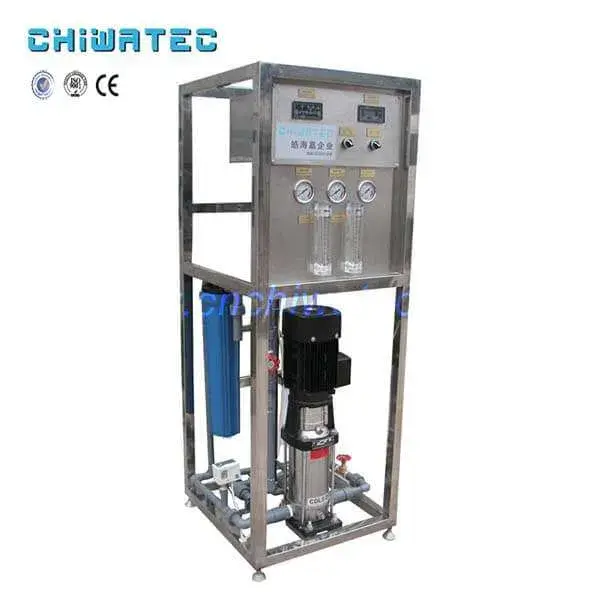
Xi’an CHIWATEC Water Treatment Technology specializes in comprehensive water purification solutions, from reverse osmosis systems to advanced filtration technologies. Our engineering team designs customized treatment systems that address specific water quality challenges, ensuring safe, clean water for industrial, commercial, and residential applications.
Protecting water quality requires collective action—government regulation, industrial responsibility, and individual awareness. By understanding water pollution causes and types, we can make informed decisions to safeguard this essential resource for future generations.
6. FAQ: Water Pollution Causes and Types
Q1: What are the top 3 causes of water pollution globally?
The three leading causes are: (1) Industrial discharge (45% in developing nations) containing heavy metals and chemicals, (2) Agricultural runoff (30-40% of nutrient pollution) from fertilizers and pesticides, and (3) Untreated sewage affecting 2 billion people with fecal contamination.
Q2: How does water pollution affect human health?
Water pollution causes waterborne diseases (cholera, typhoid, hepatitis), chemical poisoning from heavy metals, cancer from long-term exposure to toxic substances, and developmental problems from endocrine disruptors. WHO attributes 485,000 annual deaths to contaminated drinking water.
Q3: What is the most dangerous type of water pollution?
Pathogenic microorganism pollution causes immediate health impacts through disease transmission. However, radioactive pollution and toxic substance pollution (heavy metals, POPs) pose long-term risks including cancer and genetic damage, making them equally dangerous over time.
Q4: Can water pollution be reversed?
Yes, many water bodies have been successfully restored through pollution control and treatment. The Thames River (London) and Chicago River are notable recovery examples. However, radioactive contamination and some Persistent Organic Pollutants (POPs) remain for decades or centuries, making prevention more effective than remediation.
Q5: How can I test my drinking water for pollution?
Options include: (1) Home test kits for basic parameters (pH, chlorine, hardness), (2) Professional laboratory testing for comprehensive analysis including heavy metals and bacteria, (3) Annual water quality reports from your municipal supplier. For well water owners, annual testing is strongly recommended.
Q6: What water treatment system is best for home use?
Reverse Osmosis (RO) systems provide the most comprehensive contaminant removal (95-99% of dissolved solids, heavy metals, and chemicals). For specific concerns: activated carbon filters remove chlorine and organic compounds, UV systems disinfect pathogens, and water softeners address hardness. CHIWATEC offers customized solutions based on your water quality analysis.
Do you have a water treatment project we can help with
* Designing,machining,installing,commissioning, customize and one-stop service






 English
  Spanish
  Portuguese




