Reverse Osmosis Equipment Selection Guide 2026: Requirements & Applications
Meta Description: Complete guide to reverse osmosis equipment selection in 2026. Learn raw water analysis requirements, pretreatment strategies, and industrial applications for RO systems with 99%+ contaminant removal.
Introduction to Reverse Osmosis Equipment Selection
Selecting the right reverse osmosis equipment is critical for achieving optimal water treatment performance in 2026. With global RO system installations exceeding 25,000 new plants annually and industrial water demand rising 30% since 2020, proper RO equipment selection ensures long-term operational stability, energy efficiency, and cost-effectiveness.
This comprehensive guide covers reverse osmosis selection requirements, raw water quality analysis, pretreatment considerations, and RO application scope across industries—from pharmaceutical water purification to seawater desalination and boiler feed water treatment.

Key Selection Requirements for Reverse Osmosis Equipment
Raw Water Quality Analysis: The Foundation
Before adopting any reverse osmosis device, users must provide a comprehensive raw water quality analysis report. This critical data enables our engineering team to design an optimal water pretreatment plan tailored to your specific water source. Key parameters include:
- Total Dissolved Solids (TDS): Determines membrane type and operating pressure (500-50,000 ppm range)
- pH Level: Affects membrane compatibility and scaling potential (optimal: 6.5-7.5)
- Temperature: Influences permeate flow rate and membrane performance (15-35°C typical)
- Silt Density Index (SDI): Measures fouling potential (SDI < 5 required for RO membranes)
- Hardness (Ca²⁺, Mg²⁺): Indicates scaling risk requiring antiscalant dosing
- Chlorine/Chloramine: Must be removed (<0.1 ppm) to protect polyamide membranes
- Iron and Manganese: Cause membrane fouling (should be <0.05 ppm)
- Organic Content (TOC/COD): Affects biofouling risk and cleaning frequency
Pretreatment System Design
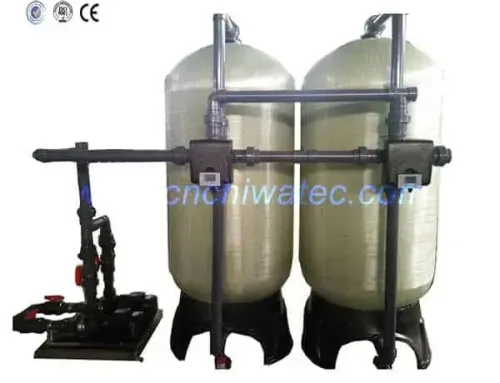
Our designers help users determine the optimal raw water pretreatment plan based on water quality analysis. Effective pretreatment protects the RO membrane and ensures long-term stable operation:
- Multi-media filtration: Removes suspended solids and turbidity (down to 10 microns)
- Activated carbon filtration: Eliminates chlorine, organics, and improves taste/odor
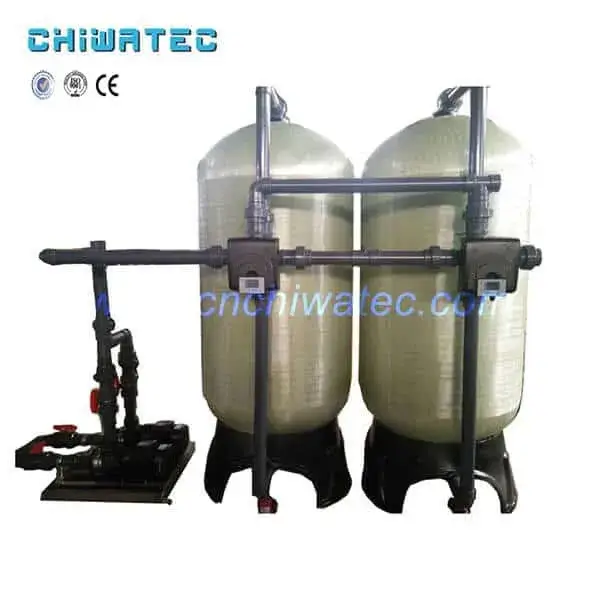
- Water softening: Ion exchange removes calcium and magnesium to prevent scaling
- Antiscalant dosing: Chemical inhibition of calcium carbonate, sulfate, and silica scaling
- Microfiltration/Ultrafiltration: Advanced pretreatment achieving SDI < 3 for challenging water sources
- UV sterilization: Controls bacterial growth and biofouling
System Capacity and Recovery Rate
Reverse osmosis equipment must be sized appropriately for your production needs:
- Permeate flow rate: From 500 L/h (small commercial) to 10,000+ m³/day (industrial)
- Recovery rate: Typically 50-85% depending on feed water TDS and scaling potential
- Concentrate management: Zero liquid discharge (ZLD) options for environmental compliance
Application Scope of Reverse Osmosis Equipment in 2026
1. Pharmaceutical and Biotechnology Water Purification
RO systems serve as critical pretreatment for producing USP Purified Water and Water for Injection (WFI). The pharmaceutical industry requires:
- Double-pass RO configurations achieving >99.9% contaminant removal
- Sanitary design with electropolished stainless steel components
- Ozone or hot water sanitization capabilities
- Compliance with FDA 21 CFR Part 11 and GMP requirements
2. Electronics and Semiconductor Manufacturing
Ultrapure water (UPW) production for chip manufacturing, PCB cleaning, and display panel production demands:
- Resistivity of 18.2 MΩ·cm (Type I laboratory water)
- TOC levels < 5 ppb
- Particle counts < 1 particle/mL (>0.05 micron)
- Integration with electrodeionization (EDI) and degasification
3. Food and Beverage Industry
Reverse osmosis water treatment ensures consistent product quality and safety:
- Bottled water and beverage production (consistent mineral content)
- Brewing and distilling water adjustment
- Dairy processing and ingredient standardization
- CIP (Clean-in-Place) water purification
4. Power Generation and Boiler Feed Water
High-pressure boilers require ultra-low TDS feedwater to prevent scaling and corrosion:
- Desalination and softening of boiler feed water
- TDS < 1 ppm for high-pressure boilers (>100 bar)
- Integration with condensate polishing systems
- Reduced blowdown rates improving energy efficiency by 15-25%
5. Seawater and Brackish Water Desalination
With over 150 million people relying on desalinated water globally, RO desalination continues expanding:
- Brackish water RO (BWRO): TDS 1,000-15,000 ppm, operating pressure 150-400 PSI
- Seawater RO (SWRO): TDS 35,000-45,000 ppm, operating pressure 800-1,200 PSI
- Energy recovery devices (ERD) reducing specific energy consumption to 2.5-4 kWh/m³
- Hybrid systems combining RO with thermal desalination for optimal efficiency
6. Industrial Process Water and Wastewater Treatment
RO equipment enables water reuse and resource recovery across industries:
- Papermaking: Process water purification and black liquor concentration
- Electroplating: Rinse water recycling and heavy metal recovery
- Textile and dyeing: Water reuse achieving 60-80% reduction in freshwater consumption
- Chemical processing: Concentration, separation, and purification applications
7. Municipal Drinking Water Treatment
Growing water scarcity drives municipal adoption of reverse osmosis technology:
- Groundwater desalination for coastal communities
- Surface water purification removing emerging contaminants (PFAS, pharmaceuticals)
- Wastewater reuse for indirect potable reuse (IPR) applications
- Decentralized containerized RO plants for remote areas
2026 Technology Trends in RO Equipment Selection
Smart Monitoring and Digital Twin Technology
Modern reverse osmosis systems integrate IoT sensors and AI-driven analytics:
- Real-time monitoring of pressure, flow, conductivity, and temperature
- Predictive maintenance algorithms reducing unplanned downtime by 35%
- Digital twin simulations optimizing system performance
- Remote diagnostics and cloud-based data logging
Energy-Efficient Components
2026 RO equipment prioritizes energy optimization:
- High-efficiency pumps with variable frequency drives (VFD)
- Isobaric energy recovery devices achieving 96-98% efficiency
- Low-fouling membranes reducing cleaning frequency and pressure requirements
- Solar-powered RO systems for off-grid applications
Advanced Membrane Materials
Next-generation membranes enhance performance:
- Thin-film nanocomposite (TFN) membranes with 50% higher flux
- Graphene oxide membranes for selective ion removal
- Bio-inspired aquaporin membranes achieving near-perfect water/salt separation
- Extended membrane life (7-10 years) reducing replacement costs
Best Practices for RO Equipment Selection and Operation
Step-by-Step Selection Process
- Water Analysis: Conduct comprehensive raw water testing (minimum 20 parameters)
- Capacity Planning: Determine peak and average permeate demand with 20% safety margin
- Pretreatment Design: Match pretreatment to specific water quality challenges
- Membrane Configuration: Select membrane type (BWRO, SWRO, low-energy, high-rejection)
- System Layout: Optimize footprint, accessibility, and future expansion capability
- Automation Level: Choose manual, semi-automatic, or fully PLC-controlled systems
- Vendor Evaluation: Assess technical support, warranty, and spare parts availability
Operational Considerations
Ensure long-term reverse osmosis equipment performance with these practices:
- Regular monitoring: Track permeate quality, pressure differential, and flow rates daily
- Preventive maintenance: Schedule membrane cleaning every 3-6 months or when ΔP increases 15%
- Spare parts inventory: Maintain critical spares (membranes, seals, sensors)
- Operator training: Ensure staff understand system operation and troubleshooting
- Performance documentation: Log all operational data for trend analysis and optimization
Conclusion: Making the Right RO Equipment Choice
Selecting the appropriate reverse osmosis equipment requires careful analysis of raw water quality, production requirements, and application-specific needs. By following proper RO selection requirements and working with experienced engineers, you can ensure your system delivers reliable, high-quality water for years to come.
The application scope of reverse osmosis continues expanding in 2026, from traditional desalination to emerging uses in wastewater reuse, resource recovery, and sustainable manufacturing. Investing in properly designed RO equipment not only meets current water quality standards but positions your operation for future regulatory requirements and sustainability goals.
For more insights on system maintenance, explore our RO System Operation and Maintenance Guide. Learn about water purification system principles and discover effective pollution control methods for RO systems.
Frequently Asked Questions (FAQ) About Reverse Osmosis Equipment Selection
What water analysis parameters are required before selecting RO equipment?
Essential raw water analysis parameters include TDS, pH, temperature, SDI, hardness, alkalinity, chlorine, iron, manganese, silica, TOC, and bacterial counts. This data determines pretreatment requirements and membrane selection for optimal reverse osmosis system performance.
How do I determine the right recovery rate for my RO system?
RO recovery rate depends on feed water quality: 75-85% for low-TDS groundwater, 50-75% for surface water, and 40-50% for seawater. Higher recovery reduces wastewater but increases scaling risk. Our engineers optimize recovery based on your specific water analysis.
What pretreatment is needed for reverse osmosis equipment?
Typical RO pretreatment includes multi-media filtration, activated carbon, water softening or antiscalant dosing, and micron filtration. Challenging water sources may require ultrafiltration pretreatment. Proper pretreatment extends membrane life from 2-3 years to 5-7+ years.
Can reverse osmosis equipment handle seawater desalination?
Yes, seawater RO (SWRO) systems operate at 800-1,200 PSI with specialized high-pressure membranes. Modern SWRO achieves 40-50% recovery with energy consumption of 2.5-4 kWh/m³ using energy recovery devices. Ideal for coastal communities and island installations.
What industries benefit most from custom RO equipment selection?
Industries with stringent water quality requirements benefit most: pharmaceuticals (USP water), electronics (ultrapure water), power generation (boiler feed), food and beverage (consistent product quality), and textiles (water reuse). Custom RO equipment selection ensures compliance and operational efficiency.
FOLLOW US
Do you have a water treatment project we can help with?
Designing, machining, installing, commissioning, customize and one-stop service

 English
  Spanish
  Portuguese