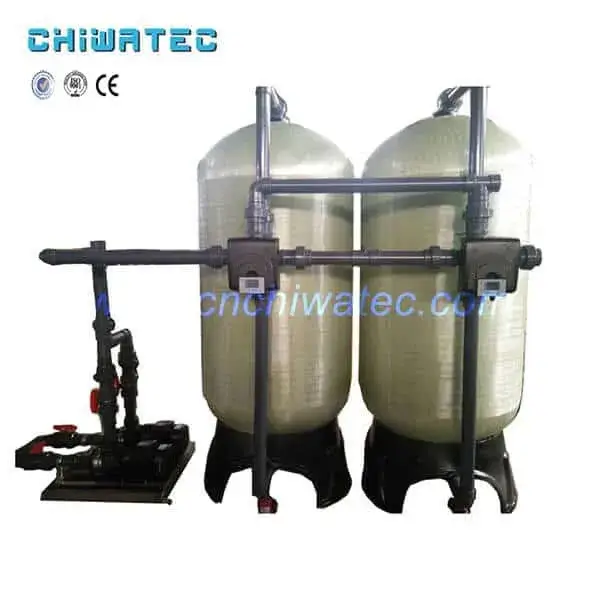
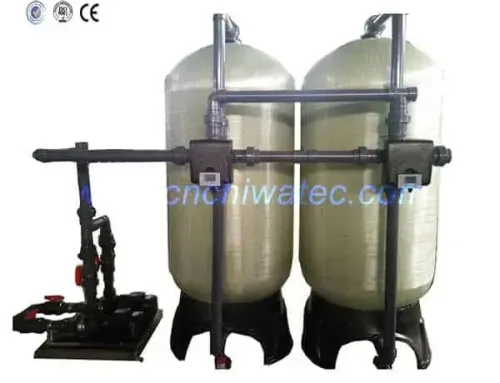
FLECK automatic water softening equipment represents industry-leading water treatment technology, delivering reliable hardness removal for industrial boilers, HVAC systems, food processing, pharmaceuticals, and electronics manufacturing. As global water quality standards intensify in 2026, understanding water softener system performance characteristics, technical specifications, and operational advantages has become essential for facilities seeking efficient, low-maintenance solutions that ensure consistent soft water production and extended equipment lifespan.
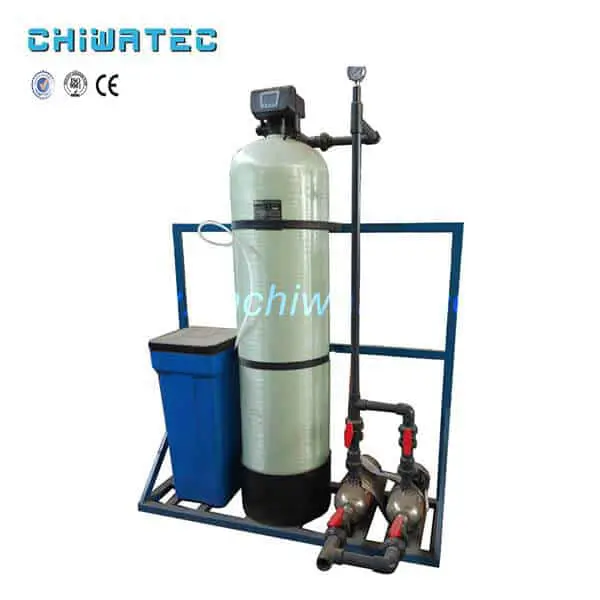
Wide Adaptability of FLECK Water Softening Systems
FLECK automatic water softeners offer exceptional versatility, accommodating diverse industrial applications and varying water treatment requirements through flexible configuration options.
1. Multi-Industry Applications
FLECK systems serve critical roles across numerous sectors:
- Industrial Boilers: Prevents scale formation, improves heat transfer efficiency, reduces fuel consumption
- Heat Exchange Systems: Protects heat exchangers from mineral fouling and corrosion
- HVAC and Air Conditioning: Maintains optimal cooling tower water quality
- Food and Beverage Industry: Ensures consistent water quality for processing and cleaning
- Pharmaceutical Manufacturing: Meets stringent water quality requirements for drug production
- Electronics Industry: Provides pretreatment for ultrapure water systems
2. Flexible Flow Configuration
Customizable design adapts to varying capacity demands:
- Flow Rates: Configurable from small commercial to large industrial capacities
- Inlet/Outlet Sizes: Available from 3/4 inch to 3 inches diameter
- Control Methods: Time-based or flow-based regeneration control
- Consumption Levels: Products at different price points to match budget requirements
3. Advanced Valve Technology
FLECK’s proprietary valve design enables superior performance:
- Multiple Valve Bodies: Nearly two dozen valve body configurations available
- Backwash Controls: More than a dozen backwash and regeneration control options
- Optimal Hydraulic Design: Engineered for minimal pressure loss and efficient flow distribution
- Material Selection:
- Small Diameter: High-strength engineered plastics
- Large Diameter (2-3 inches): Lead-free brass construction for durability
Performance Characteristics of FLECK Water Softening Equipment
FLECK water softener systems distinguish themselves through exceptional efficiency, reliability, and operational simplicity.
1. High Efficiency and Labor-Saving Operation
Maximum Automation
- Fully Automatic Operation: Minimal operator intervention required
- Self-Regenerating: Automatic initiation of regeneration cycles
- Digital Controls: User-friendly interface for parameter setting and monitoring
- Remote Monitoring: Optional connectivity for centralized management
Low Failure Rate Design
- Simplified Component Design: Reduced complexity minimizes failure points
- Rigorous Pressure Testing: All pressure components undergo strict 0-14 bar cyclic pressure testing
- Quality Manufacturing: Precision-machined components ensure consistent performance
- Proven Reliability: Decades of field validation across global installations
2. Water and Energy Efficiency
Exceptional Water Production Rate
- 98% Water Efficiency: Only 2% water loss during regeneration and backwash
- Counter-Current Regeneration: Optimized brine usage reduces water consumption
- Demand-Initiated Regeneration: Regenerates only when needed, not on fixed schedule
Ultra-Low Power Consumption
- 10W Power Draw: Minimal electricity usage during operation
- Standby Mode: Power-saving electronics when system is idle
- Energy-Efficient Motors: High-efficiency actuators for valve operation
Adjustable Regeneration Settings
- Multiple Regeneration Controls: Various control options for different applications
- Customizable Parameters: Users can adjust regeneration frequency, duration, and brine draw
- Optimization Capability: Fine-tune settings based on actual water quality and usage patterns
3. Reliable Operation and Extended Service Life
Superior Valve Body Design
- Optimal Hydraulic State: Engineered flow paths minimize turbulence and wear
- Material Optimization: Appropriate materials selected based on size and application
- Corrosion Resistance: Lead-free brass and engineered plastics resist chemical degradation
- Precision Machining: Tight tolerances ensure reliable sealing and operation
Exceptional Longevity
- 20+ Year Service Life: Proven track record of extended operational lifespan
- Stable Water Quality: Consistent hardness removal throughout equipment life
- Minimal Maintenance: Simple design reduces service requirements
- Easy Parts Replacement: Modular components simplify repairs when needed
Technical Specifications and Index
Proper FLECK water softener selection requires understanding key technical parameters to ensure optimal performance for specific applications.
Operating Parameters
| Parameter | Specification | Notes |
|---|---|---|
| Raw Water Hardness | 3-10 mg·N/L | Standard range; higher hardness requires pre-treatment |
| Outlet Water Hardness | ≤0.03 mg·N/L | Meets industrial boiler feed water standards |
| Working Pressure | 0.2-0.6 MPa | Optimal operating pressure range |
| Working Temperature | 2-50°C | Standard resin temperature tolerance |
| Tank Pressure Rating | 0.8 MPa | Maximum allowable working pressure |
| Power Supply | 220V, 50Hz | Standard single-phase electrical connection |
| Power Consumption | 10W | Ultra-low energy usage |
| Total Pressure Loss | 0.1 MPa | Includes pipeline + controller + distributor |
Installation Requirements
Site Preparation
- Level Foundation: Equipment must be installed on flat, stable surface
- Drainage Access: Floor drain or drainage connection required near installation site
- Clearance Space: Adequate room for maintenance access and salt loading
- Environmental Conditions: Indoor installation protected from freezing temperatures
Pipeline Configuration
- Bypass Piping: Install bypass valves for maintenance without system shutdown
- Inlet Pressure Gauge: Monitor incoming water pressure
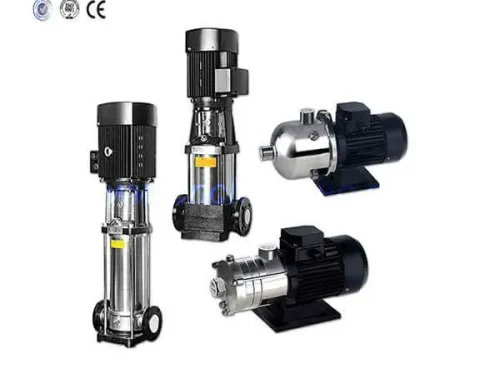
- Booster Pump: Required if inlet pressure is below 0.2 MPa
- Pipe Sizing: Match pipe diameter to equipment inlet/outlet connections
Brine System Requirements
- Salt Level: Maintain salt above brine solution level in tank
- Salt Type: Use high-purity sodium chloride (NaCl) pellets or tablets
- Prohibited Regenerants: Do NOT use sulfonated salts or calcium salts
- Brine Tank Maintenance: Regular cleaning to prevent salt bridging and mushing
2026 Market Trends: Water Softening Technology
The global automatic water softener market continues evolving with technological innovations and sustainability drivers:
- Smart Connectivity: IoT-enabled FLECK controllers with smartphone apps and cloud monitoring
- High-Efficiency Resins: Advanced formulations with higher exchange capacity and longer lifespan
- Water-Saving Regeneration: Demand-initiated regeneration reduces water usage by 40-60%
- Compact Designs: Space-efficient systems for retrofit and residential applications
- Environmental Compliance: Brine discharge management and zero-liquid-discharge options
- Predictive Maintenance: AI-powered diagnostics alert operators before failures occur
Integration with ion exchange pure water equipment provides comprehensive water treatment solutions for facilities requiring both softening and demineralization.
Advantages of FLECK Automatic Water Softeners
- Industry-Leading Reliability: Proven performance across millions of installations worldwide
- Exceptional Efficiency: 98% water production rate minimizes waste
- Ultra-Low Power: 10W consumption reduces operating costs
- Flexible Configuration: Adapts to diverse flow rates and applications
- Extended Lifespan: 20+ year service life with proper maintenance
- Easy Maintenance: Simple design minimizes service requirements
- Consistent Performance: Stable water quality throughout equipment life
- Global Support: Extensive distributor network and parts availability
Maintenance Best Practices for FLECK Water Softeners
Proper maintenance ensures optimal FLECK water softener performance and maximizes equipment lifespan:
Weekly Tasks
- Check Salt Level: Maintain adequate salt in brine tank (keep >1/4 full)
- Inspect Display: Verify normal operation and no fault codes
- Monitor Pressure: Ensure inlet/outlet pressure within specification
Monthly Tasks
- Test Outlet Hardness: Verify soft water quality meets ≤0.03 mg·N/L specification
- Inspect Brine Tank: Check for salt bridging or mushing
- Clean Brine Valve: Remove debris from brine injector and valve
Annual Tasks
- Resin Inspection: Check resin bed for fouling or degradation
- Resin Cleaning: Perform acid/caustic cleaning if capacity declined
- Valve Service: Inspect and lubricate control valve components
- System Calibration: Verify flow meter and timer accuracy
Conclusion: Selecting FLECK Water Softening Solutions for 2026
FLECK automatic water softening equipment delivers industry-leading performance, efficiency, and reliability for diverse industrial applications. By understanding system features, technical specifications, and maintenance requirements, facilities can optimize water quality, protect valuable equipment from scale damage, and achieve significant operational cost savings. With 98% water efficiency, 10W power consumption, and 20+ year service life, FLECK systems represent a smart investment in comprehensive water treatment strategies for 2026 and beyond.
Explore our mechanical filtration equipment for complete water treatment solutions tailored to your industry needs.
FAQ: FLECK Automatic Water Softening Equipment
Q1: How often does a FLECK water softener regenerate?
Regeneration frequency depends on water hardness, daily consumption, and system capacity. FLECK flow-based controllers optimize regeneration timing based on actual water usage, typically regenerating every 2-7 days for industrial applications.
Q2: What is the water efficiency of FLECK softeners?
FLECK water softener systems achieve 98% water production efficiency, with only 2% water loss during regeneration and backwash cycles. Counter-current regeneration technology maximizes water and salt efficiency.
Q3: How much power does a FLECK softener consume?
FLECK controllers consume only 10W during operation—one of the lowest power requirements in the industry. Standby mode further reduces energy consumption when system is idle.
Q4: What is the expected service life of FLECK equipment?
With proper maintenance, FLECK automatic water softeners provide 20+ years of reliable service. Lead-free brass construction and precision-machined components ensure extended equipment lifespan.
Q5: Can FLECK softeners handle high hardness water?
Standard FLECK systems handle raw water hardness of 3-10 mg·N/L. For higher hardness levels, consider pre-treatment options or oversized resin tanks to maintain optimal performance.
Related Reading
Do you have a water treatment project we can help with
* Designing,machining,installing,commissioning, customize and one-stop service

 English
  Spanish
  Portuguese