Ion exchange pure water equipment is the cornerstone of modern industrial water treatment, delivering ultrapure water with resistivity up to 18.2 MΩ·cm. As global demand for high-purity water surges across pharmaceuticals, electronics, and power generation, understanding ion exchange resin technology has become essential for optimizing production efficiency and meeting stringent quality standards in 2026.
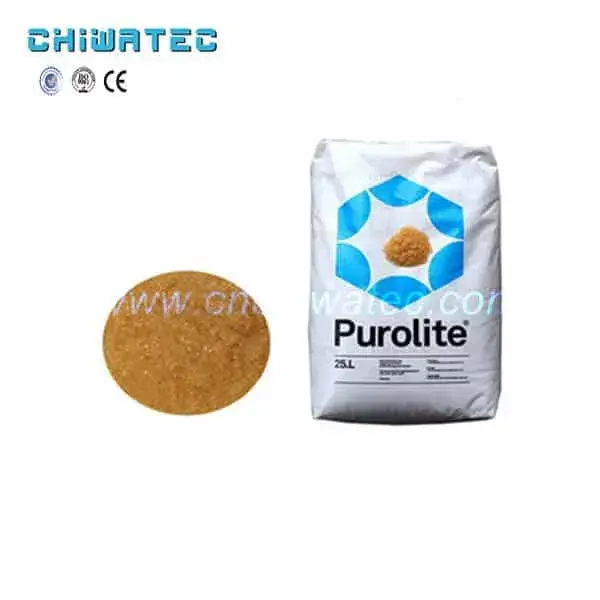
What Is Ion Exchange Water Treatment Technology?
Ion exchange water treatment utilizes the exchange and adsorption properties of anion and cation exchange resins to remove dissolved ions from water, achieving precise desalination and purification. This proven technology remains the gold standard for producing high-purity water across multiple industries.
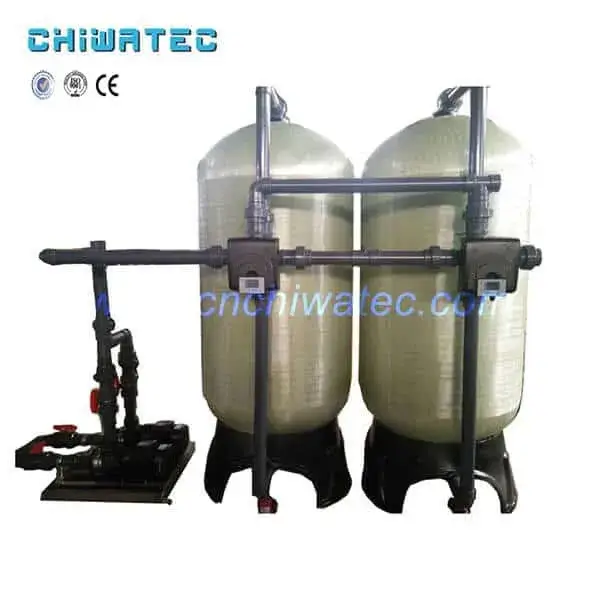
Ion exchange systems are classified into three primary configurations:
- Cation Exchange Beds: Remove positively charged ions (Ca²⁺, Mg²⁺, Na⁺)
- Anion Exchange Beds: Remove negatively charged ions (Cl⁻, SO₄²⁻, HCO₃⁻)
- Mixed Bed Systems: Combine both resins for ultrapure water production (15-18 MΩ·cm)
How Ion Exchange Pure Water Equipment Works
The Ion Exchange Process
The ion exchange resin contains functional groups that selectively attract and exchange specific ions. During operation, contaminated water passes through the resin bed, where undesirable ions are replaced with hydrogen (H⁺) or hydroxide (OH⁻) ions, producing purified water.
System Configurations for Different Applications
Modern pure water equipment integrates ion exchange with complementary technologies:
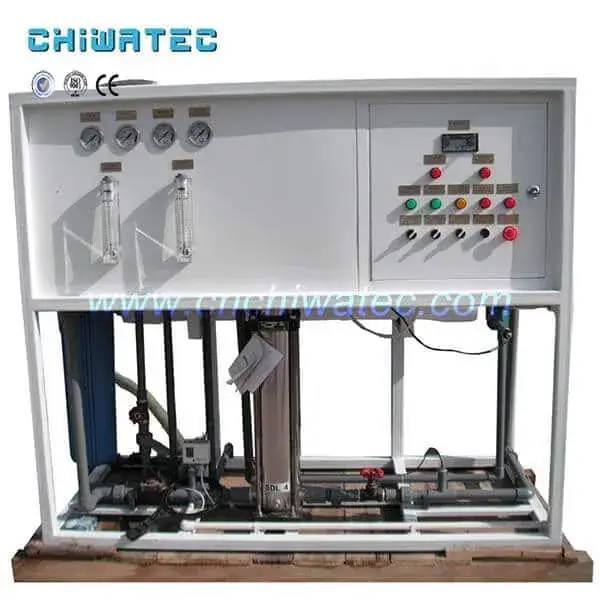
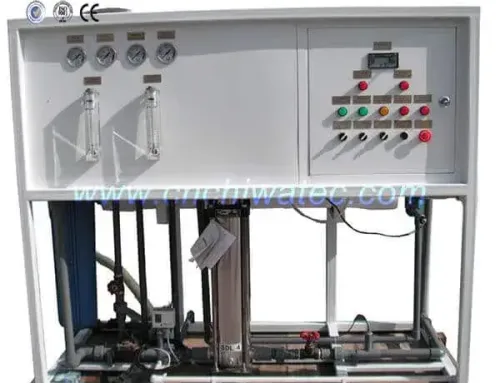
- RO + Ion Exchange: Reverse osmosis pre-treatment reduces ionic load, extending resin life
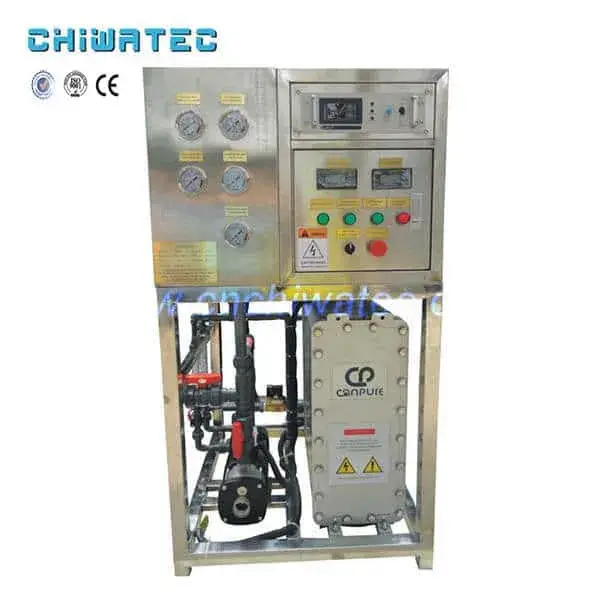
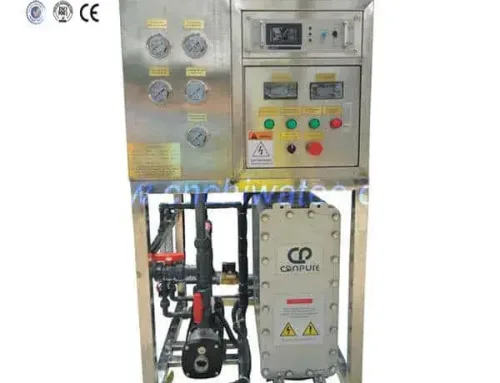
- EDI (Electrodeionization): Continuous regeneration without chemical use
- Multi-Stage Mixed Beds: Achieve resistivity up to 18.2 MΩ·cm for semiconductor manufacturing
Key Applications of Ion Exchange Water Treatment Systems
1. Pharmaceutical & Biotechnology
Pharmaceutical production requires Water for Injection (WFI) and Purified Water meeting USP/EP standards. Ion exchange systems provide consistent quality for drug formulation, cleaning processes, and laboratory applications.
2. Electronics & Semiconductor Manufacturing
Ultrapure water (UPW) with resistivity of 18.2 MΩ·cm is critical for chip fabrication, PCB manufacturing, and display production. Even trace ions can cause defects, making mixed bed ion exchange indispensable.
3. Power Generation & Boilers
High-pressure boilers demand demineralized water to prevent scale formation and corrosion. Ion exchange water treatment protects turbines and heat exchangers, improving efficiency and reducing maintenance costs.
4. Chemical & Petrochemical Industry
Process water for chemical reactions, catalyst preparation, and product washing requires precise ion control. Customized demineralization systems ensure product quality and process stability.
5. Food & Beverage Production
From ingredient water to bottle rinsing, ion exchange pure water equipment meets strict hygiene standards while removing hardness and improving taste profiles.
2026 Market Trends: Ion Exchange Water Treatment Industry
The global ion exchange resin market is projected to reach $2.8 billion by 2027, driven by:
- Sustainability Regulations: Stricter discharge limits push adoption of water reuse systems
- Semiconductor Expansion: Global chip manufacturing capacity growth fuels UPW demand
- Energy Transition: Hydrogen production and battery manufacturing require high-purity water
- Advanced Resin Technology: Higher capacity, longer life, and selective ion removal
For advanced applications, continuous ion exchange technology (CIX) offers 50-90% resin savings and 50-70% water reduction compared to traditional fixed-bed systems.
Advantages of Modern Ion Exchange Pure Water Equipment
- High Purity Output: Consistent water quality with resistivity 1-18 MΩ·cm
- Cost-Effective: Lower operational costs compared to thermal distillation
- Scalable Design: Modular systems adapt to changing production needs
- Automated Operation: PLC-controlled regeneration reduces labor requirements
- Environmental Benefits: Reduced chemical consumption and wastewater generation
Maintenance Best Practices for Ion Exchange Systems
Proper maintenance extends ion exchange resin life and ensures consistent performance:
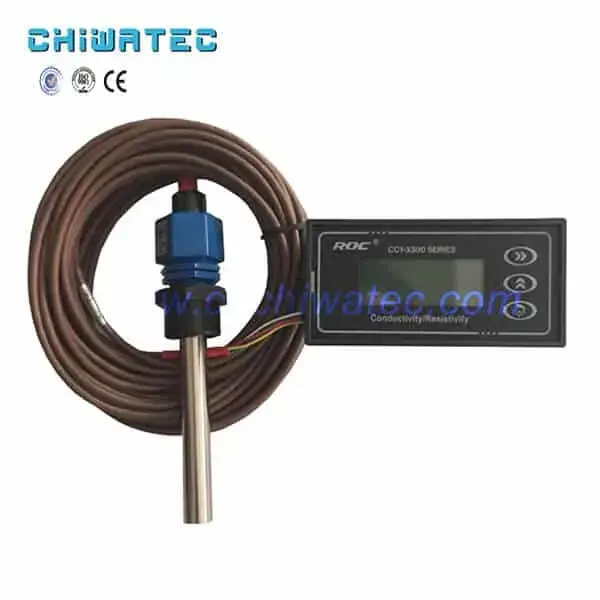
- Regular Monitoring: Track conductivity, pressure drop, and flow rates daily
- Timely Regeneration: Regenerate before breakthrough to prevent quality issues
- Resin Cleaning: Periodic acid/caustic cleaning removes fouling and restores capacity
- Preventive Replacement: Replace resin every 3-5 years or when capacity declines 30%
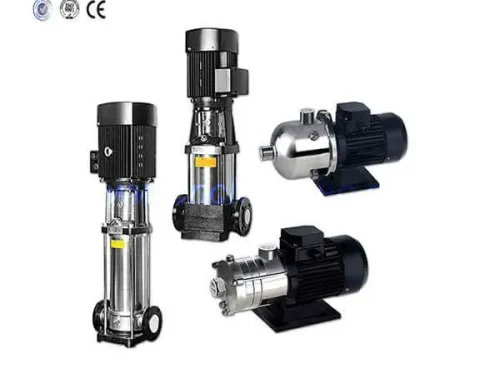
Supporting equipment like centrifugal pumps also requires regular inspection to maintain system reliability.
Conclusion: Choosing the Right Ion Exchange Water Treatment Solution
Ion exchange pure water equipment remains essential for industries requiring high-purity water. By understanding system configurations, application requirements, and maintenance best practices, facilities can optimize water quality while minimizing operational costs. As technology advances, integrating ion exchange resin systems with RO, EDI, and smart monitoring delivers superior performance for 2026 and beyond.
Explore our mechanical filtration equipment for complete water treatment solutions tailored to your industry needs.
FAQ: Ion Exchange Pure Water Equipment
Q1: How long does ion exchange resin last?
Typical ion exchange resin lifespan is 3-5 years with proper maintenance. Factors affecting longevity include feed water quality, regeneration frequency, and operating temperature.
Q2: What is the difference between single bed and mixed bed systems?
Single bed systems use either cation or anion resin, producing water with 1-10 MΩ·cm resistivity. Mixed bed systems combine both resins in one vessel, achieving 15-18 MΩ·cm for ultrapure applications.
Q3: Can ion exchange remove bacteria and organic contaminants?
No, ion exchange primarily removes dissolved ions. For bacteria and organics, combine with UV sterilization, activated carbon filtration, or membrane technologies.
Q4: How often does ion exchange resin need regeneration?
Regeneration frequency depends on water quality and flow rate. Typical cycles range from daily to weekly. Automated systems monitor conductivity and trigger regeneration when capacity is exhausted.
Q5: What are the environmental considerations for ion exchange systems?
Regeneration produces brine wastewater requiring proper disposal. Modern systems minimize waste through optimized regeneration, water recycling, and selective resin technologies. Consider continuous ion exchange (CIX) for 50-70% wastewater reduction.
Do you have a water treatment project we can help with
* Designing,machining,installing,commissioning, customize and one-stop service
 English
  Spanish
  Portuguese