Knowledge and Common Sense of Water Treatment Equipment
Gain essential knowledge of water treatment equipment and understand how various technologies—such as disinfection, activated carbon adsorption, and membrane treatment—work together to ensure clean and safe water. Learn the science behind modern water purification systems and how they are applied in municipal, industrial, and domestic water treatment.
1. Overview: What Does Water Treatment Equipment Include?
Water treatment equipment refers to a comprehensive range of systems and technologies used to purify, disinfect, and improve water quality for human consumption, industrial use, and environmental protection.
These systems typically include:
- Disinfection units (e.g., ozone, chlorine, ultraviolet)
- Adsorption and degradation equipment (e.g., activated carbon systems)
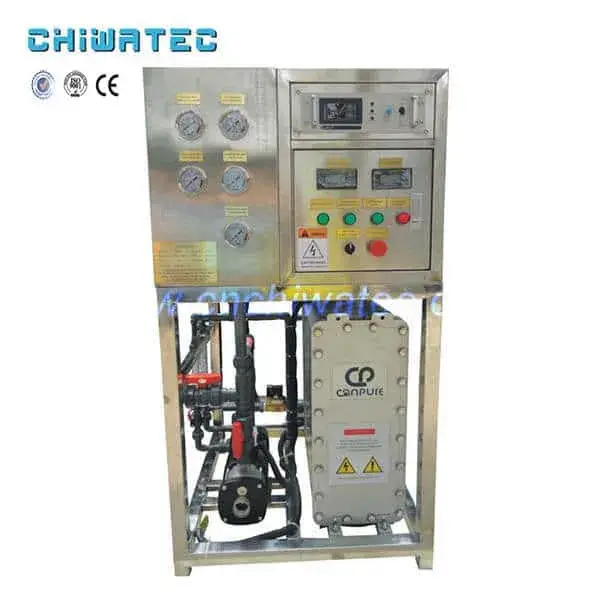
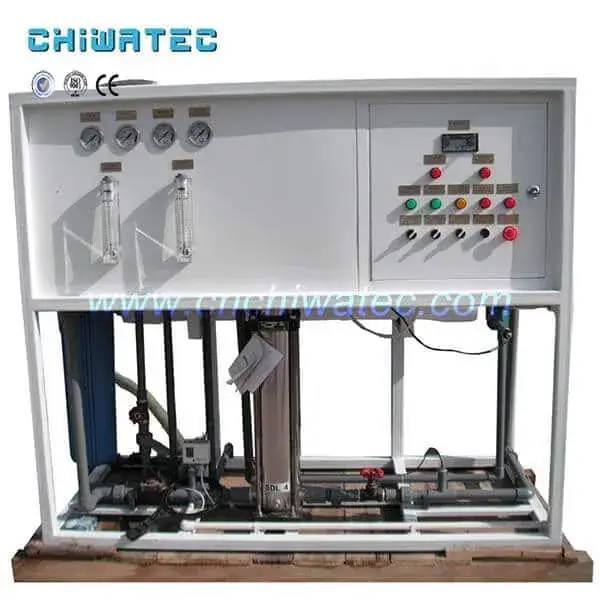
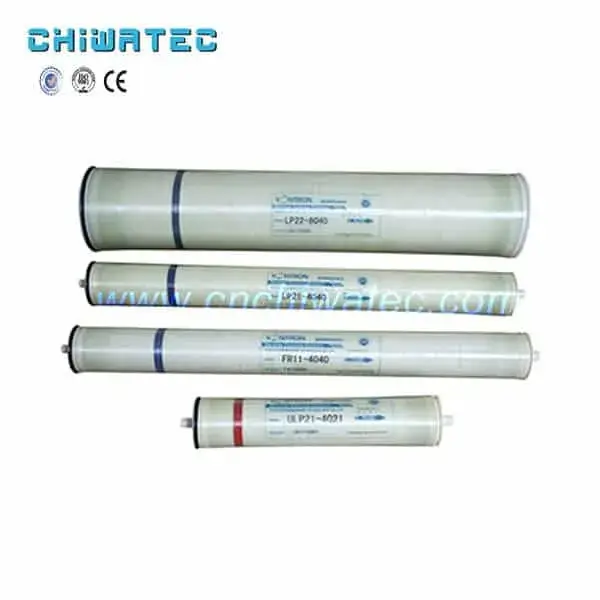
- Membrane filtration systems (e.g., reverse osmosis, ultrafiltration, nanofiltration)
Each of these components serves a specific role in removing contaminants, microorganisms, and dissolved substances, ensuring that the treated water meets strict health and safety standards.
2. Disinfection Technology
2.1 Purpose of Disinfection
Disinfection is one of the most important stages in the treatment of drinking water. Its primary function is to eliminate pathogenic microorganisms—including bacteria, viruses, and protozoa—to make water safe for human consumption.
Disinfectants destroy the vital physiological functions of pathogens, such as enzymes, coenzymes, and hydrogen carriers, effectively inactivating or killing them.
2.2 Comparison of Common Disinfectants
| Disinfectant Type | Killing Efficiency | Stability | Oxidation Potential (Volts) |
|---|---|---|---|
| Ozone (O₃) | ★★★★★ (Strongest) | Low | 2.07 |
| Chlorine Dioxide (ClO₂) | ★★★★☆ | Medium | 1.50 |
| Chlorine Gas (Cl₂) | ★★★☆☆ | Medium | 1.30 |
| Chloramine (NH₂Cl) | ★★☆☆☆ | High | 1.30 |
2.3 Characteristics and Application
- Ozone: Highly effective oxidant, capable of removing bacteria, viruses, and organic contaminants. It decomposes into oxygen, leaving no residual chemicals. However, ozone systems are expensive and complex, making them more suitable for advanced treatment or wastewater reuse.
- Chlorine Dioxide: Offers a balance of strong disinfection power and moderate stability. It is widely used in municipal and industrial water disinfection.
- Chloramine: Though less powerful, it provides long-lasting residual protection in distribution systems, often used in municipal tap water networks.
3. Activated Carbon Adsorption and Degradation
Activated carbon is one of the most effective and widely used materials in water purification.
Its effectiveness lies in its high specific surface area—up to 1,000 m² per gram—and complex pore structure, allowing it to adsorb a wide variety of organic and inorganic contaminants.
3.1 Mechanism of Action
Activated carbon removes contaminants by adsorption, a process in which dissolved impurities adhere to the carbon’s internal pore surfaces.
It is particularly effective in removing:
- Large organic molecules and aromatic compounds
- Halogenated hydrocarbons
- Humic substances and synthetic organics
- Low-molecular-weight organics that cause odor, color, or taste issues
3.2 Biological Activated Carbon (BAC) Process
The Biological Activated Carbon (BAC) method combines ozonation and activated carbon adsorption for a dual treatment effect.
Process Overview:
- Pre-ozonation partially oxidizes large organic molecules and colloidal matter into smaller, more biodegradable compounds.
- These compounds become a nutrient source for microorganisms that colonize the activated carbon bed.
- In the carbon bed, two simultaneous processes occur:
- Adsorption: Organic molecules adhere to the carbon’s pore surfaces.
- Biodegradation: Microbes in the bed degrade these adsorbed compounds using cellular enzymes.
This synergistic action enhances the removal of dissolved organic carbon (DOC) and reduces the formation potential of disinfection byproducts (e.g., trihalomethanes, THMs).
As a result, the BAC process produces water with superior taste, clarity, and safety.
4. Membrane Treatment Technology
Membrane separation has revolutionized modern water treatment with its ability to deliver high-quality and consistent effluent.
Membrane technologies are typically classified by pore size and operating pressure, including:
| Membrane Type | Pore Size (µm) | Primary Function | Typical Application |
|---|---|---|---|
| Microfiltration (MF) | 0.1–1.0 | Removes suspended solids, bacteria | Pretreatment, wastewater reuse |
| Ultrafiltration (UF) | 0.01–0.1 | Removes colloids, viruses, macromolecules | Surface water, industrial process water |
| Nanofiltration (NF) | 0.001–0.01 | Removes hardness, small organics | Drinking water softening, color removal |
| Reverse Osmosis (RO) | <0.001 | Removes dissolved salts and ions | Desalination, ultrapure water production |
4.1 Advantages of Membrane Technology
- Stable and predictable effluent quality
- Minimal chemical usage compared to traditional coagulation/filtration
- Compact system footprint
- Scalable and modular design suitable for various flow rates
- Effective barrier against microorganisms and fine particulates
Because membrane filtration operates mainly on mechanical sieving, its performance is largely independent of variations in raw water quality—making it a reliable choice for both municipal and industrial applications.
Conclusion
Understanding the knowledge and common principles of water treatment equipment is essential for designing and maintaining reliable water purification systems.
From disinfection and activated carbon adsorption to membrane separation, each process plays a unique and complementary role in ensuring safe, clean, and sustainable water.
Advanced technologies—such as biological activated carbon and reverse osmosis membranes—continue to push the boundaries of water purification, delivering consistent results even under complex environmental conditions.
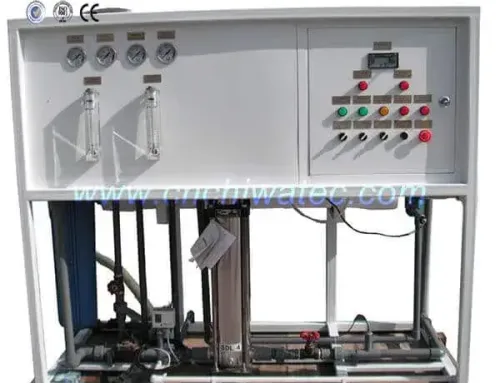
For professional consultation, CHIWATEC provides customized water treatment solutions, including membrane systems, filtration units, and disinfection technologies tailored to different industries and water sources.
FAQ
Q1: What are the main types of water treatment technologies?
A: The main categories include disinfection (ozone, chlorine, UV), adsorption (activated carbon), and membrane filtration (RO, UF, NF, MF). Each targets different impurities and ensures overall water quality improvement.
Q2: Why is ozone rarely used in large water plants?
A: While ozone has excellent disinfection and oxidation power, it is expensive to produce and unstable in water, making it more suitable for advanced treatment or industrial applications.
Q3: What is biological activated carbon (BAC)?
A: BAC is a hybrid process combining ozonation and activated carbon adsorption. It enhances the removal of dissolved organic matter and improves biodegradability for superior water quality.
Q4: What are the advantages of membrane filtration over traditional treatment?
A: Membrane systems provide consistent water quality, require less chemical dosing, and occupy less space, making them ideal for compact and automated water treatment facilities.
Q5: Which membrane process should I choose for my application?
A:
- UF/MF: For turbidity and bacteria removal
- NF: For hardness and color removal
- RO: For desalination and ultrapure water production
Consulting a professional like CHIWATEC ensures the right selection based on your feed water characteristics and water quality goals.
Xi’an CHIWATEC Water Treatment Technology is a high-tech enterprise specialized in various water processing devices. Aside from these individual products, which cover a number of types and series, we can also help with related comprehensive engineering projects. Thanks to our hard work and dedication upon our founding, we are now one of the fastest-developing water treatment equipment manufacturers in Western China.
Further reading:
FOLLOW US
Do you have a water treatment project we can help with
* Designing,machining,installing,commissioning, customize and one-stop service
 English
  Spanish
  Portuguese