Ion Exchange Operation and Regeneration: Best Practices for Optimal System Performance
The global ion exchange resins market was valued at approximately USD 1.5 billion in 2024 and is projected to reach USD 2.4 billion by 2034, growing at a CAGR of 5.1% (Grand View Research). Ion exchange technology remains a cornerstone of industrial water treatment, power generation, pharmaceutical manufacturing, and chemical processing. Proper operation and regeneration of ion exchange systems are critical to achieving consistent effluent quality, maximizing resin lifespan, and minimizing operational costs.
Understanding Ion Exchange Operation Fundamentals
Ion exchange operation involves passing water through resin beds to remove dissolved ionic contaminants. The efficiency of this process depends on several critical parameters that operators must carefully manage to ensure optimal performance and long service life.
Key Operating Parameters
Flow rate, influent water quality, and resin bed depth significantly impact ion exchange performance. The recommended linear flow rate for most cation and anion exchange systems ranges from 20 to 40 m/h during service cycles. Higher flow rates may reduce contact time and lead to premature breakthrough, while lower rates can cause channeling and underutilization of the resin bed.
Influent water should be pre-treated to remove suspended solids, chlorine, and organic matter that could foul the resin. Pre-filtration to at least 5 microns is recommended for most industrial systems to protect downstream ion exchange beds. Water quality parameters such as total dissolved solids (TDS), pH, and temperature should be monitored continuously for consistent operation.
Countercurrent vs. Downstream Regeneration
The choice between countercurrent and downstream (co-current) regeneration significantly affects both effluent quality and chemical efficiency. Countercurrent regeneration, where the regenerant flows opposite to the service flow direction, consistently delivers higher effluent quality than downstream regeneration. This is because the most highly regenerated resin is at the outlet end, providing a polishing effect. Additionally, the unit consumption of regenerant in countercurrent systems is 30-50% lower than in downstream regeneration, resulting in substantial chemical cost savings over time.
Critical Factors Affecting Ion Exchange Regeneration Efficiency
Regeneration is the most important process step in ion exchange operation. Several factors determine how effectively a resin bed can be restored to its active form after exhaustion.
Regenerant Quality and Concentration
The quality of the regenerant directly impacts regeneration effectiveness. High-purity regenerants deliver significantly better results. For cation resins, hydrochloric acid (HCl) or sulfuric acid (H2SO4) at purity levels above 98% are recommended. For anion resins, sodium hydroxide (NaOH) of at least 98% purity should be used to avoid introducing contaminants that would reduce effluent quality.
Regenerant concentration is equally critical. For downstream (co-current) regeneration, a concentration of approximately 4% is optimal. For countercurrent regeneration, the ideal concentration is lower, around 2%, because the more efficient flow pattern allows the same level of regeneration with less chemical. Concentrations that are too high can cause resin shrinkage and cracking, while concentrations that are too low result in incomplete regeneration.
Temperature Control During Regeneration
Temperature significantly influences reaction kinetics during regeneration. In winter months or when inlet water temperature drops below 15 degrees C, the regenerant solution should be heated. The optimal temperature range for caustic soda (NaOH) regeneration is 30-40 degrees C. Higher temperatures increase the rate of ion exchange reactions and improve regenerant utilization, but temperatures above 45 degrees C risk degrading anion exchange resins, particularly those with quaternary ammonium functional groups.
For acidic regenerants (HCl, H2SO4), heating is generally not required as the reactions proceed rapidly even at lower temperatures. However, maintaining consistent regenerant temperatures throughout the year ensures predictable performance.
Backwashing Best Practices
Backwashing serves to remove accumulated suspended solids, break up compressed resin beds, and reclassify the resin layers. When backwashing, operators should slowly open the backwash water inlet valve and gradually increase the water intake. This prevents sudden hydraulic shock that could damage the resin or underdrain system.
When the water turbidity is low (e.g., when using well water or pre-filtered municipal water), the frequency and duration of backwashing should be minimized to reduce water consumption and resin attrition. A typical backwash cycle lasts 10-20 minutes with a flow rate sufficient to expand the resin bed by 50-75%. Visual inspection of backwash effluent is recommended – clear effluent indicates effective cleaning.
Common Operational Challenges and Solutions
Ion exchange systems face several operational challenges that, when properly managed, can be mitigated to maintain optimal performance.
Preventing Resin Cross-Contamination
One of the most critical issues in mixed-bed or multi-bed ion exchange systems is the mixing of cation and anion resins. If cation resin migrates into anion resin beds, the sodium (Na) content in the effluent increases significantly, degrading downstream regeneration efficiency. Proper separation during backwashing, use of intermediate strainers, and regular inspection of resin interfaces are essential preventive measures.
In mixed-bed systems, complete separation of cation and anion resins before regeneration is critical. Incomplete separation leads to cross-contamination that reduces both the capacity and effluent quality of the subsequent service cycle.
Managing Effluent Quality in Cold Weather
Cold water has higher viscosity and slower ion diffusion rates, which can reduce ion exchange kinetics. During winter operation, the quality of recycled water and regenerant should be closely monitored. When inlet water temperature drops below 10 degrees C, operators may need to reduce service flow rates by 10-20% to maintain adequate contact time.
The liquid temperature of regenerant solutions should be controlled as described above. Additionally, storage tanks for regenerant chemicals should be insulated or heated in cold climates to prevent crystallization, particularly for caustic soda solutions that can solidify at temperatures below 10 degrees C.
Latest Trends in Ion Exchange Technology (2024-2025)
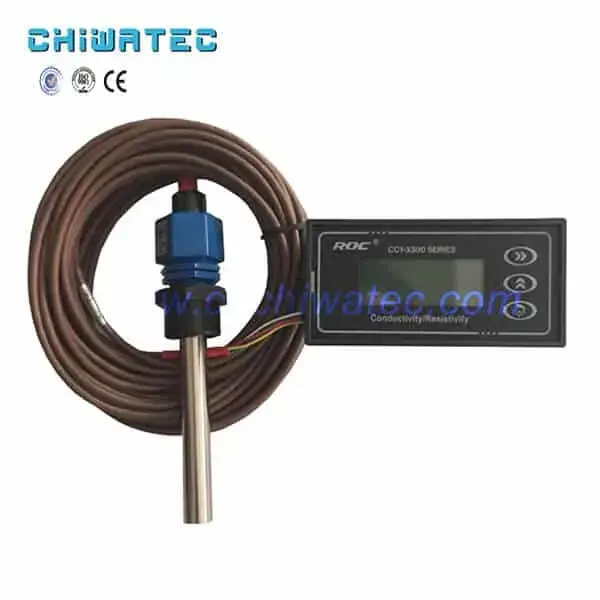
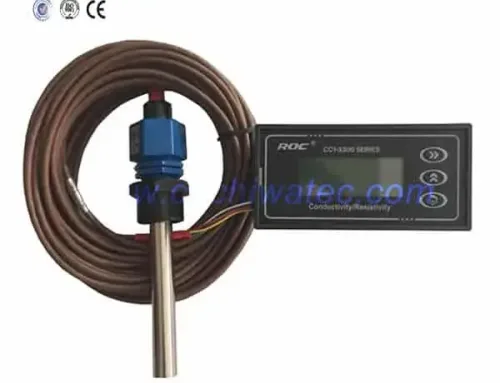
The ion exchange industry continues to evolve with several notable developments. Smart monitoring systems with real-time conductivity sensors and IoT connectivity now enable predictive maintenance scheduling, reducing unplanned downtime by up to 30% in water treatment facilities. Advanced resin formulations with higher cross-linkage and improved mechanical strength offer longer service life – up to 8-10 years in properly operated systems versus 5-7 years for conventional resins.
New EPA regulations on PFAS removal (2024) have driven increased adoption of specialized ion exchange resins designed for per- and polyfluoroalkyl substances, creating a rapidly growing market segment. The combination of ion exchange with reverse osmosis and electrodeionization (EDI) in hybrid systems is becoming the standard for high-purity water production, particularly in semiconductor and pharmaceutical applications where water quality specifications continue to tighten.
Conclusion
Effective ion exchange operation and regeneration require careful attention to multiple interdependent factors – from regenerant quality and concentration to temperature control, backwashing practices, and system design. By following best practices for both countercurrent and downstream regeneration, operators can achieve higher effluent quality, reduce chemical consumption by 30-50%, and extend resin service life. As water quality standards become more stringent and new contaminant challenges emerge, mastery of ion exchange fundamentals remains essential for water treatment professionals.
Frequently Asked Questions (FAQ)
What is the difference between countercurrent and downstream regeneration?
In countercurrent regeneration, regenerant flows opposite to the service flow direction, keeping the most highly regenerated resin at the outlet end for better effluent quality. Downstream regeneration flows in the same direction as service. Countercurrent systems typically achieve higher water quality with 30-50% less chemical consumption.
What is the optimal regenerant concentration for ion exchange?
For downstream regeneration, the optimal concentration is approximately 4%. For countercurrent regeneration, a lower concentration of about 2% is recommended due to the more efficient flow pattern. Using the correct concentration prevents resin damage and ensures complete regeneration.
How does temperature affect ion exchange regeneration?
Temperature significantly affects reaction kinetics. For caustic soda regeneration, the optimal range is 30-40 degrees C. Below 15 degrees C, heating the regenerant is recommended. However, temperatures above 45 degrees C risk damaging anion exchange resins. Acid regenerants typically do not require heating.
Why is backwashing important in ion exchange?
Backwashing removes accumulated suspended solids, breaks up compressed resin beds, reclassifies resin layers, and prevents channeling. A typical backwash cycle lasts 10-20 minutes with 50-75% bed expansion. When influent water has low turbidity, backwashing frequency should be minimized to conserve water and reduce resin attrition.
Can cation and anion resins be mixed during operation?
No. Cation resin mixed into anion resin beds increases sodium (Na) content in effluent and degrades regeneration efficiency. Proper separation during backwashing and the use of intermediate strainers in mixed-bed systems are essential to prevent cross-contamination.
Further Reading
For more information on ion exchange technology and related topics, explore these resources:
Do you have a water treatment project we can help with
* Designing,machining,installing,commissioning, customize and one-stop service
 English
  Spanish
  Portuguese