Water treatment technology encompasses a comprehensive range of processes designed to remove contaminants, improve water quality, and ensure safe drinking water for industrial, municipal, and residential applications. As global water scarcity intensifies in 2026, understanding advanced water purification systems—including membrane technology, activated carbon adsorption, oxidation processes, and biological pretreatment—has become essential for facilities seeking sustainable, cost-effective solutions that meet stringent regulatory standards.
Core Water Treatment Technologies in 2026
Contemporary water treatment systems employ multiple complementary technologies to address diverse contamination challenges. Each method offers distinct advantages depending on source water quality, target contaminants, and application requirements.
1. Membrane Technology for Water Purification
Membrane technology represents one of the most significant advances in water treatment, utilizing semi-permeable membranes to physically separate contaminants from water through precise pore size filtration.
Types of Membrane Filtration
Reverse Osmosis (RO) Membranes
RO membranes feature the smallest pore sizes (0.0001 microns), effectively removing:
- Dissolved salts and minerals: 95-99% rejection rate
- Heavy metals: Lead, mercury, cadmium, arsenic
- Organic molecules: Pesticides, pharmaceuticals, industrial chemicals
- Microorganisms: Bacteria, viruses, protozoa
Nanofiltration (NF) Membranes
NF membranes (0.001-0.01 microns) provide selective removal:
- Divalent ions: Calcium, magnesium (water softening)
- Organic molecules: Molecular weight >200-1000 Daltons
- Partial monovalent ion removal: Lower pressure requirements than RO
Membrane Technology Advantages
- High purification efficiency: Consistent contaminant removal
- Compact footprint: Suitable for space-constrained installations
- Automation capability: Minimal operator intervention
- No chemical additives: Physical separation process
Limitations and Considerations
- High capital investment: Equipment and membrane costs
- Membrane replacement: Typical lifespan 2-5 years
- Energy consumption: High-pressure pumps required for RO
- Mineral removal: RO removes beneficial minerals; long-term consumption of demineralized water may require remineralization
- Concentrate disposal: Brine management environmental considerations
Application Scale
Membrane systems are currently most practical for:
- Small to medium facilities: Industrial plants, commercial buildings
- Point-of-use systems: Residential and office drinking water
- Large-scale challenges: Municipal water plants face higher infrastructure costs
2. Activated Carbon Adsorption Technology
Activated carbon adsorption is a mature, widely-deployed technology that leverages carbon’s enormous specific surface area (500-1500 m²/g) to trap organic pollutants through physical and chemical adsorption mechanisms.
Activated Carbon Forms
Granular Activated Carbon (GAC)
GAC is deployed in filter beds, typically positioned after sand filters or as replacement media:
- Installation: Fixed-bed contactors
- Service life: Weeks to months depending on contamination levels
- Regeneration: Thermal reactivation possible but costly
- Replacement frequency: High in severely polluted source water
Powdered Activated Carbon (PAC)
PAC offers operational flexibility for episodic contamination:
- Application: Direct dosing during pollution events
- Capital cost: Lower than GAC systems
- Operational cost: Higher due to continuous consumption
- Disposal: Spent carbon difficult to recycle
Enhanced Carbon Technologies
Pre-coated Powdered Activated Carbon
Recent innovations coat PAC onto carrier materials, improving:
- Utilization efficiency: Better contact with contaminants
- Removal rates: Enhanced organic pollutant adsorption
- Handling: Easier application and recovery
Biological Activated Carbon (BAC)
During operation, GAC gradually develops biofilm, creating biological activated carbon:
- Biodegradation: Microorganisms metabolize adsorbed organics
- Extended lifespan: Biological regeneration reduces replacement frequency
- Pre-oxidation synergy: Oxidants improve biodegradability of organics
Activated Carbon Limitations
- Saturation: Rapid exhaustion in heavily polluted water (weeks in severe cases)
- Regeneration cost: Thermal reactivation expensive
- Selective removal: Primarily effective for organics; limited inorganic removal
- Operating cost: Frequent replacement in high-contamination scenarios
3. Oxidation Processes for Water Decontamination
Oxidation decontamination employs strong oxidants to chemically decompose organic pollutants, offering broad-spectrum treatment capabilities with varying effectiveness depending on oxidant selection and water chemistry.
Common Water Treatment Oxidants
| Oxidant | Oxidation-Reduction Potential (V) | Primary Applications |
|---|---|---|
| Chlorine (Cl₂) | 1.36 | Disinfection, pre-oxidation |
| Chlorine Dioxide (ClO₂) | 1.50 | Disinfection, taste/odor control |
| Potassium Permanganate (KMnO₄) | 1.69 | Iron/manganese removal, pre-oxidation |
| Hydrogen Peroxide (H₂O₂) | 1.77 | Advanced oxidation (with catalysts) |
| Ozone (O₃) | 2.07 | Strongest oxidant, broad contaminant removal |
Ozone Oxidation Technology
Ozone possesses the highest oxidation-reduction potential (+2.07V), making it the most powerful oxidant for water treatment:
Advantages
- Strong oxidizing power: Destroys diverse organic pollutants
- Wide applicability: Effective across varied water qualities
- No residual chemicals: Decomposes to oxygen
- Disinfection: Simultaneous pathogen inactivation
Limitations
- Selective reactivity: Most effective on unsaturated bonds and aromatics
- Recalcitrant compounds: Pesticides, halogenated organics, nitro compounds resist oxidation
- Capital cost: High equipment investment
- Operating cost: Energy-intensive ozone generation
- Short half-life: Must be generated on-site
Potassium Permanganate Treatment
Widely adopted in China for micro-pollution removal:
- Lower investment: More economical than ozone
- Proven application: Deployed in numerous water plants
- Effective for: Iron, manganese, taste/odor compounds
Hydrogen Peroxide Applications
- Limited standalone use: Low decontamination ability alone
- Fenton’s reagent: Strong oxidation when combined with ferrous iron under acidic conditions
- pH constraint: Difficult to implement in neutral water treatment
Chlorine Dioxide Considerations
- Strong disinfection: Effective against pathogens
- Byproduct concern: Reduces to chlorite, affecting red blood cells
- Regulatory limits: Disinfection byproduct restrictions
Chlorine Pre-oxidation
- Historical use: Long-standing pre-treatment method
- DBP formation: Reacts with organics to form halogenated compounds (THMs, HAAs)
- Increasing restrictions: Gradually phased out in many regions
Photochemical Oxidation
Emerging technology utilizing photocatalytic reactions:
- Application scale: Suitable for small purification facilities
- Large-scale barrier: High equipment investment for municipal plants
- Research status: Active development in universities and research institutions
4. Biological Pretreatment Technology
Biological pretreatment harnesses microorganisms to metabolically decompose organic pollutants before or during conventional treatment, converting organics to inorganic end products (CO₂, H₂O, biomass).
Biological Pretreatment Mechanisms
- Aerobic processes: Oxygen-dependent microbial metabolism
- Anaerobic processes: Oxygen-free decomposition (methane production)
- Attached growth: Biofilm on media surfaces
- Suspended growth: Activated sludge systems
Performance Characteristics
High Biodegradability Source Water
- Ammonia nitrogen removal: Significant reduction via nitrification
- Organic pollutant removal: Effective biodegradation
- Water quality improvement: Measurable treatment benefits
- Field validation: Successful implementation in Southern China
Low Biodegradability Source Water
- Industrial wastewater impact: Recalcitrant compounds resist biodegradation
- Reduced efficiency: Limited pollutant removal
- Alternative treatment: Requires physicochemical processes
Regional and Temperature Considerations
Northern Regions (Low Temperature)
- Reduced microbial activity: Slower metabolism in cold water
- Longer residence time: Extended hydraulic retention required
- Larger equipment: Increased capital investment
- Seasonal variation: Performance fluctuations winter vs. summer
Biological Pretreatment Limitations
- Biodegradability dependency: Ineffective for non-biodegradable contaminants
- Temperature sensitivity: Performance declines in cold climates
- Footprint: Larger land requirements than physicochemical processes
- Startup time: Microbial acclimation period required
2026 Water Treatment Technology Market Trends
The global water treatment technology market continues rapid evolution, driven by regulatory pressures, water scarcity, and technological innovation:
- Integrated Treatment Systems: Combining multiple technologies (membrane + biological + oxidation) for comprehensive contaminant removal
- Energy Efficiency: Low-pressure RO membranes, energy recovery devices, renewable-powered systems
- Smart Monitoring: IoT sensors, AI-powered process optimization, predictive maintenance
- Resource Recovery: Nutrient extraction, brine mining, water reuse applications
- Decentralized Treatment: Containerized systems, point-of-use purification, modular scalability
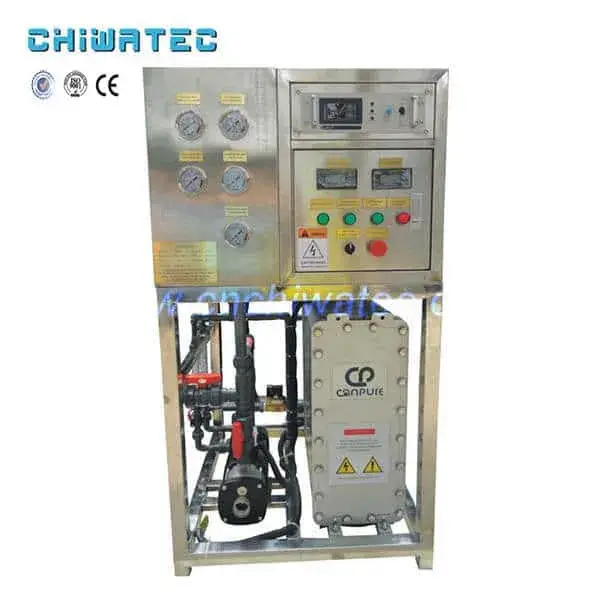
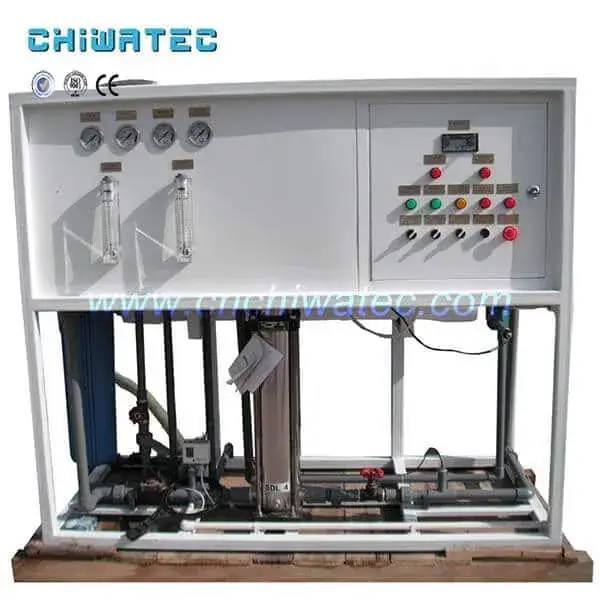
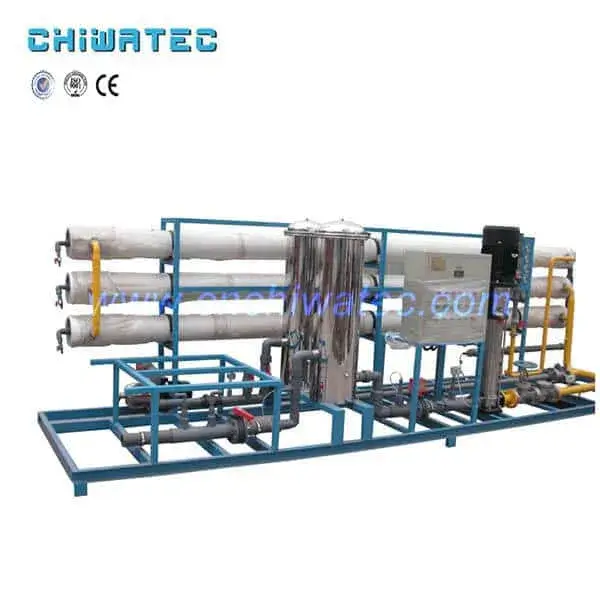
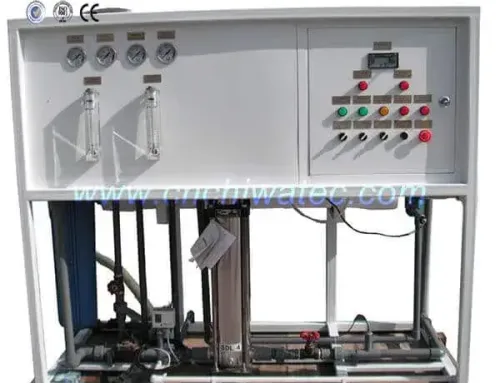
Integration of reverse osmosis systems with complementary technologies provides comprehensive solutions for diverse water quality challenges.
Technology Selection Guidelines
Source Water Assessment
- Contaminant profiling: Identify target pollutants (organics, inorganics, pathogens)
- Biodegradability testing: Determine biological treatment feasibility
- Seasonal variation: Account for temperature and quality fluctuations
Treatment Objectives
- End-use requirements: Drinking water, industrial process, irrigation
- Regulatory compliance: Meet local discharge or quality standards
- Cost considerations: Capital vs. operational expenditure balance
Integrated Approach
Modern facilities increasingly deploy hybrid systems:
- Pre-oxidation + Biological: Enhance biodegradability before biological treatment
- Biological + Membrane: Biological pretreatment reduces membrane fouling
- Carbon + RO: GAC protects RO membranes from organic fouling
Conclusion: Advancing Water Treatment Technology in 2026
Water treatment technology continues evolving to address growing global water challenges. Membrane technology, activated carbon adsorption, oxidation processes, and biological pretreatment each offer distinct advantages depending on application requirements. By understanding technology capabilities, limitations, and integration opportunities, facilities can design optimal treatment trains that balance performance, cost, and sustainability. As innovation accelerates, emerging technologies promise enhanced efficiency, reduced environmental impact, and improved access to safe, clean water worldwide.
Explore our water treatment products for customized solutions tailored to your specific water quality needs.
FAQ: Water Treatment Technology
Q1: What is the best water treatment technology for drinking water?
No single technology is universally “best.” Reverse osmosis provides highest purity but removes minerals. Activated carbon excels at organic removal and taste improvement. Multi-barrier systems combining technologies typically deliver optimal results for drinking water applications.
Q2: How often do RO membranes need replacement?
Typical RO membrane lifespan is 2-5 years depending on feed water quality, pretreatment effectiveness, and operating conditions. Proper maintenance and monitoring can extend membrane life significantly.
Q3: Is biological pretreatment suitable for industrial wastewater?
Biological pretreatment works well for biodegradable industrial wastewater (food processing, some chemical manufacturing). For recalcitrant compounds (heavy metals, persistent organics), physicochemical processes are more effective.
Q4: What are the disadvantages of ozone treatment?
Primary ozone treatment limitations include high capital and operating costs, inability to oxidize certain stable compounds (pesticides, halogenated organics), and requirement for on-site generation due to short half-life.
Q5: Can activated carbon remove heavy metals?
Standard activated carbon has limited heavy metal removal capability. Specialized impregnated carbons or combination with ion exchange/RO is required for effective heavy metal removal.
 English
  Spanish
  Portuguese