Reverse Osmosis Working Principle: Understanding How RO Technology Purifies Water at the Molecular Level
Reverse osmosis is one of the most effective water treatment methods available today, capable of removing over 95% of dissolved salts, heavy metals, chemical residues, bacteria, and viruses from water. But how does this technology actually work? At its core, the reverse osmosis working principle relies on a semipermeable membrane and applied pressure to reverse the natural osmotic flow, forcing water molecules from a concentrated solution to a dilute one. In this comprehensive guide, CHIWATEC explains the science behind RO, from osmosis and osmotic pressure to the complete purification process and practical applications.
Understanding the Reverse Osmosis Working Principle
The reverse osmosis working principle can be summarized in three essential steps. First, a semipermeable membrane separates two solutions of different concentrations. Under natural conditions, water flows from the dilute side to the concentrated side (osmosis). By applying external pressure greater than the natural osmotic pressure on the concentrated side, the flow is reversed — water molecules are forced through the membrane from the concentrated side to the dilute side, leaving dissolved solids and contaminants behind. This simple yet powerful process forms the foundation of modern water purification technology.
What Is Osmosis? The Natural Process Behind RO
Osmosis is a naturally occurring physical phenomenon that governs the movement of solvents across semipermeable membranes. To understand the reverse osmosis working principle, one must first grasp osmosis:
- Semipermeable membrane — A thin film that allows solvent molecules (water) to pass through but blocks larger solute molecules (dissolved salts, organic compounds, bacteria).
- Natural flow direction — When a dilute solution (e.g., fresh water) and a concentrated solution (e.g., salt water) are separated by a semipermeable membrane, water molecules naturally migrate from the dilute side to the concentrated side. This movement dilutes the concentrated solution and equalizes the concentration on both sides.
- Driving force — The driving force for osmosis is the difference in chemical potential between the two solutions, driven by the concentration gradient. Water moves spontaneously from regions of higher water chemical potential (low solute concentration) to regions of lower water chemical potential (high solute concentration).
Osmotic Pressure: The Key Parameter in RO System Design
As water flows from the dilute side to the concentrated side during osmosis, the liquid level on the concentrated side rises, creating a hydrostatic pressure difference. When this pressure difference reaches a point where it prevents further net water movement, the system is in osmotic equilibrium. The pressure difference at this equilibrium point is called the osmotic pressure.
Several factors determine osmotic pressure:
| Factor | Effect on Osmotic Pressure | Example |
|---|---|---|
| Solute concentration | Higher concentration = higher osmotic pressure | Seawater (35,000 ppm TDS): ~24 bar osmotic pressure |
| Temperature | Higher temperature = higher osmotic pressure | 25°C RO feed vs. 10°C: ~10% higher osmotic pressure |
| Solute type | Ionic solutes produce higher osmotic pressure than non-ionic | NaCl vs. glucose at same molar concentration |
Understanding osmotic pressure is critical for RO system design because the applied feed pressure must exceed the osmotic pressure of the feed water to achieve permeate flow. For brackish water (2,000–5,000 ppm TDS), typical operating pressures range from 10–15 bar. For seawater desalination (35,000 ppm TDS), pressures of 55–70 bar are required.
The Reverse Osmosis Process: From Feed Water to Purified Permeate
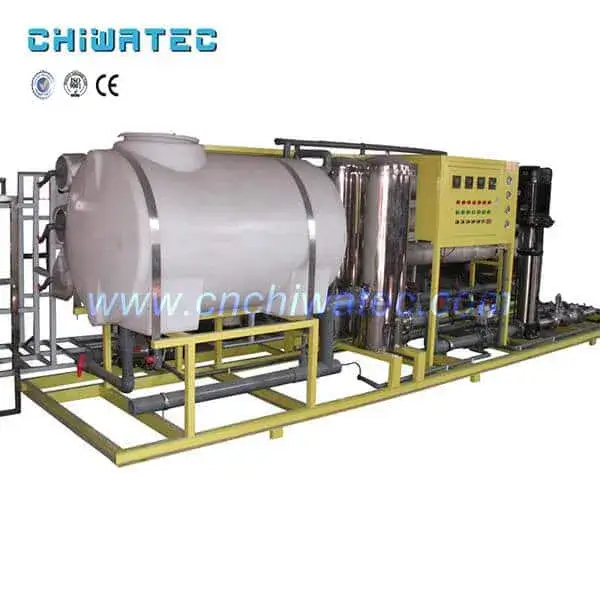
In a practical RO system, the complete purification process involves several stages beyond the membrane itself:
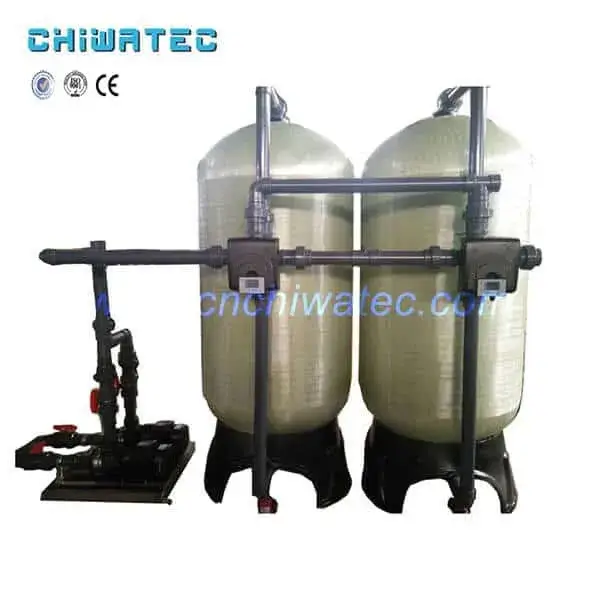
- Pretreatment — Feed water passes through a series of filters (PP sediment, activated carbon, antiscalant dosing) to remove suspended solids, chlorine, and scale-forming compounds that could damage the RO membrane.
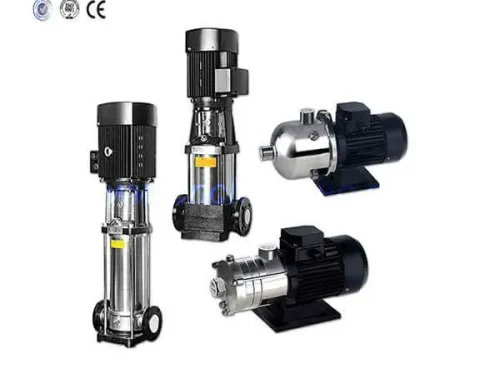
- Pressurization — A high-pressure pump raises the feed water pressure above the osmotic pressure of the feed solution. The pump is the primary energy consumer in any RO system.
- Membrane separation — Pressurized feed water flows across the surface of the RO membrane elements. Water molecules pass through the membrane as permeate, while dissolved salts, organics, and microorganisms are rejected and carried away in the concentrate stream.
- Post-treatment — The permeate water may pass through additional polishing stages such as post-carbon filtration (for taste improvement), UV sterilization, or remineralization (to restore beneficial minerals).
- Storage and distribution — Purified water is stored in a pressure tank or directly distributed to the point of use.
This multi-stage process ensures consistent water quality regardless of fluctuations in feed water composition.
What Contaminants Does Reverse Osmosis Remove?
Reverse osmosis is one of the broadest-spectrum water treatment technologies available. The rejection rate depends on the membrane type, operating conditions, and contaminant characteristics:
| Contaminant Category | Typical Rejection Rate | Examples |
|---|---|---|
| Dissolved salts (TDS) | 95–99% | Sodium, calcium, magnesium, chloride, sulfate |
| Heavy metals | 96–99% | Lead, arsenic, mercury, cadmium, chromium |
| Bacteria and viruses | 99.9% | E. coli, coliform bacteria, rotavirus |
| Organic compounds | 90–98% | Pesticides, herbicides, pharmaceutical residues, VOCs |
| Microplastics | 99%+ | All particle sizes down to 0.0001 microns |
This broad removal capability makes RO the technology of choice for applications requiring the highest water purity standards.
Key Components of a Reverse Osmosis System
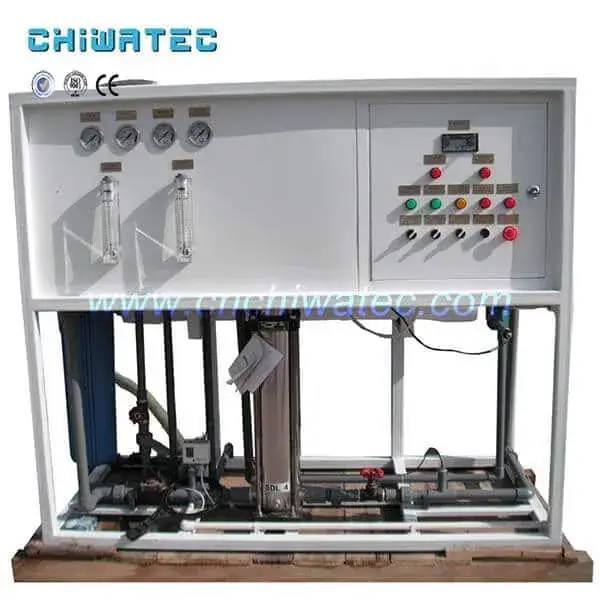
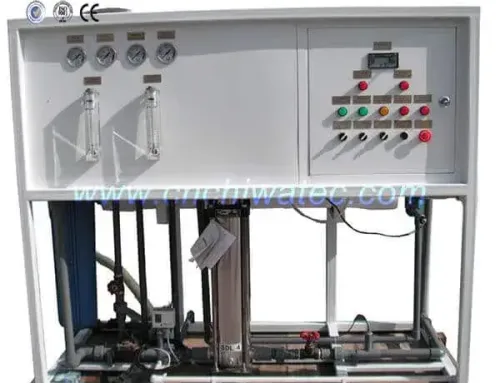
A complete RO system consists of several essential components working together:
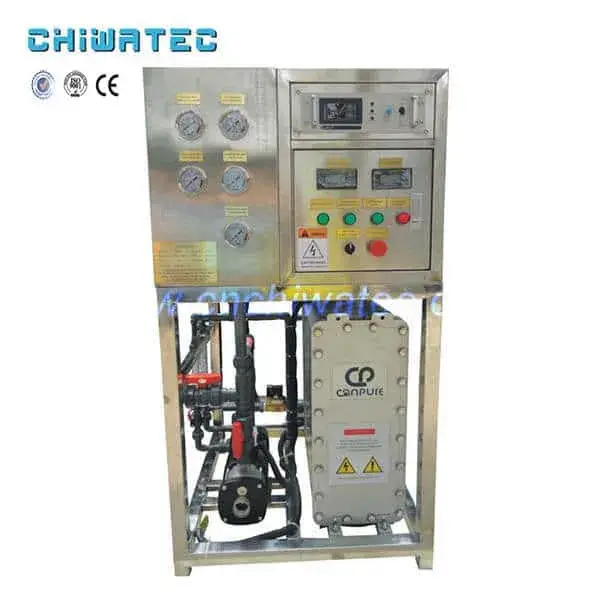
- RO membrane elements — The heart of the system. Thin-film composite (TFC) polyamide membranes are the industry standard, offering high flux rates and excellent salt rejection in a spiral-wound configuration.
- High-pressure pump — Provides the necessary operating pressure. For small household systems, a diaphragm booster pump (60–80 psi) is typical. Industrial systems use multistage centrifugal or positive displacement pumps.
- Pretreatment filters — Protect the membrane from fouling and scaling. Includes sediment filters (5–10 micron), activated carbon filters (for chlorine removal), and antiscalant injection systems.
- Flow control valves — Regulate the permeate-to-concentrate ratio. A flow restrictor on the concentrate line maintains the desired recovery rate (typically 15–50% depending on application).
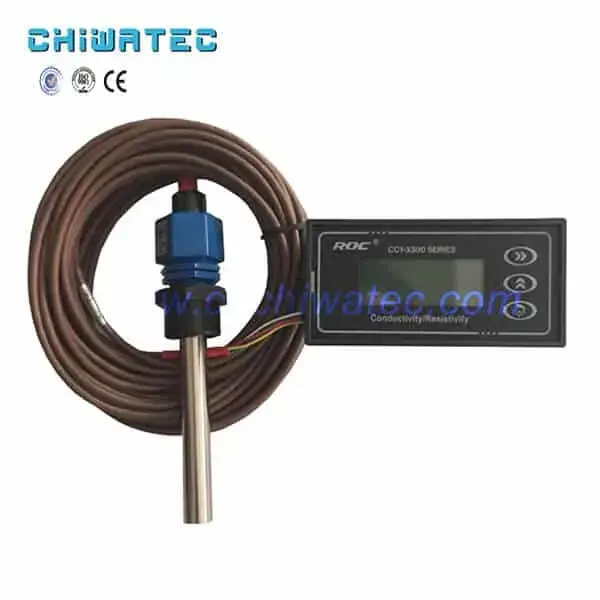
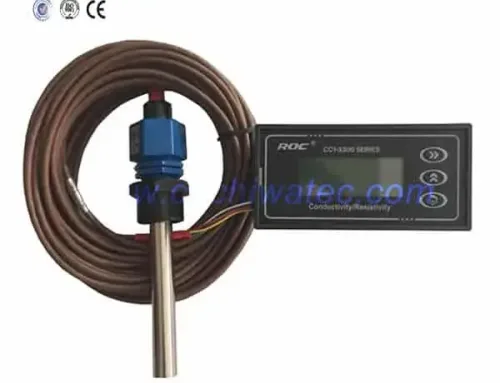
- Monitoring instruments — Pressure gauges, flow meters, conductivity/TDS meters, and pH sensors allow operators to track system performance and detect issues early.
Common Applications of Reverse Osmosis Technology
Thanks to its versatility and effectiveness, RO technology is deployed across a wide spectrum of industries and applications:
- Seawater desalination — Large-scale RO plants produce millions of liters of fresh water from seawater daily, addressing water scarcity in coastal regions worldwide.
- Drinking water purification — Household and commercial RO systems deliver high-quality drinking water by removing contaminants that may bypass municipal treatment.
- Pharmaceutical and medical — RO systems produce USP-grade purified water for drug manufacturing, laboratory use, and kidney dialysis machines.
- Electronics manufacturing — Semiconductor fabrication requires ultrapure water with conductivity below 0.1 µS/cm, achievable through RO coupled with EDI or mixed-bed polishing.
- Food and beverage production — Bottled water, soft drinks, brewing, and food processing all rely on RO for consistent water quality that meets strict industry standards.
Frequently Asked Questions (FAQ)
What is the difference between osmosis and reverse osmosis?
Osmosis is the natural movement of water from a dilute solution to a concentrated solution across a semipermeable membrane. Reverse osmosis uses externally applied pressure to reverse this flow, forcing water from the concentrated side to the dilute side, thereby separating pure water from dissolved contaminants.
How much pressure does a reverse osmosis system need?
The required pressure depends on the feed water salinity. Household RO systems typically operate at 60–100 psi (4–7 bar). Brackish water systems require 150–250 psi (10–17 bar), and seawater desalination systems require 800–1,000 psi (55–70 bar).
Does reverse osmosis remove healthy minerals from water?
Yes, RO removes both harmful contaminants and beneficial minerals such as calcium and magnesium. However, many modern RO systems include remineralization filters that restore essential minerals after purification, providing balanced,healthy drinking water.
How often should RO membranes be replaced?
RO membranes typically last 2–3 years for household systems and 3–5 years for well-maintained industrial systems. Factors affecting membrane lifespan include feed water quality, pretreatment effectiveness, and operating pressure.
Can reverse osmosis treat seawater?
Yes. Seawater reverse osmosis (SWRO) is one of the most widely used desalination technologies globally, with plants operating in over 150 countries. Modern SWRO systems consume approximately 3–4 kWh per cubic meter of fresh water produced, with energy recovery devices reducing consumption by up to 60%.
Conclusion & Call to Action
The reverse osmosis working principle — using applied pressure to overcome natural osmotic forces and drive pure water through a semipermeable membrane — is a remarkably elegant solution to one of humanity’s most pressing challenges: access to clean water. From household under-sink systems to massive desalination plants, RO technology continues to evolve, becoming more efficient, more affordable, and more accessible with each passing year. CHIWATEC designs and manufactures a comprehensive range of RO water treatment systems for residential, commercial, and industrial applications. Contact our team to find the right RO solution for your water treatment needs: [email protected] or [email protected].
Related Resources and Further Reading
- 2026 Complete Guide to Reverse Osmosis Principle: How RO Technology Purifies Water
- Reverse Osmosis Equipment Technical Knowledge: Complete Guide to RO System Technology 2026
- Reverse Osmosis and Nanofiltration Principles: Complete Technical Guide 2026
- Which is Better, Pure Water Machine or Water Purifier?
- RO Water Treatment System Product Range » CHIWATEC
Do you have a water treatment project we can help with
* Designing,machining,installing,commissioning, customize and one-stop service
 English
  Spanish
  Portuguese