Introduction of Water – Characteristics of Water
Understanding the characteristics of water is fundamental to designing and operating effective water treatment systems. Whether used in industrial processes, boilers, reverse osmosis systems, or ultrapure water production, water’s physical and chemical properties greatly influence equipment performance and treatment results.
This article explains the physical characteristics, chemical behavior, natural water composition, and key water quality indicators, providing valuable insight for engineers, operators, and water treatment professionals.
1. Water Characteristics
Water (H₂O), with a relative molecular mass of 18.015, is a colorless, odorless, tasteless, transparent liquid at room temperature. Pure water is almost non-conductive but can ionize slightly. Water has several unique properties critical to industrial water treatment.
1.1 Physical State of Water
Water exists in three states under normal conditions:
- Solid (ice)
- Liquid (water)
- Gas (vapor)
Melting point: 0°C
Boiling point: 100°C
These properties influence system design for cooling, heating, and dehumidification.
1.2 Density of Water
Water reaches its highest density at 3.98°C, equal to 1 g/cm³.
At temperatures higher or lower than this, the density decreases.
This behavior is essential in natural ecosystems and affects water flow, mixing, and temperature control systems.
1.3 Specific Heat Capacity
Water has one of the highest specific heat capacities among liquids and solids.
This means water can absorb or release large amounts of heat with minimal temperature change—critical for industrial cooling towers, boilers, and heat exchangers.
1.4 Water as a Solvent
With a high dielectric constant, water is an excellent solvent capable of dissolving many inorganic and organic substances.
Dissolved substances allow water to participate in numerous chemical reactions, especially with metal oxides and active metals.
1.5 Water Conductivity
Even pure water is a weak electrolyte and contains small amounts of H⁺ and OH⁻ ions.
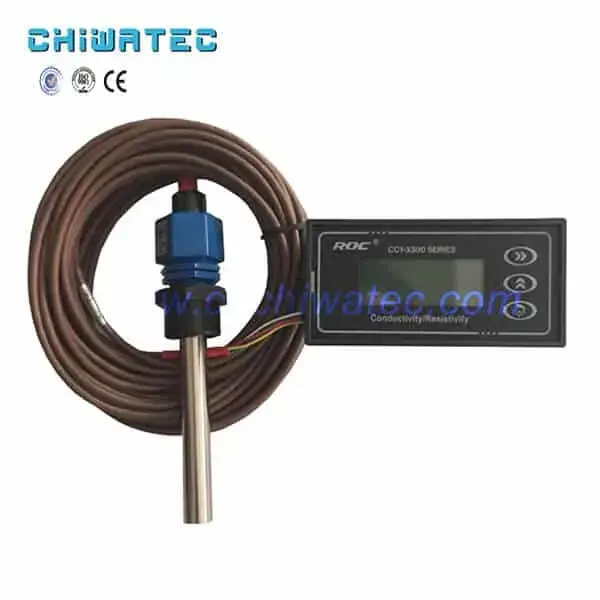
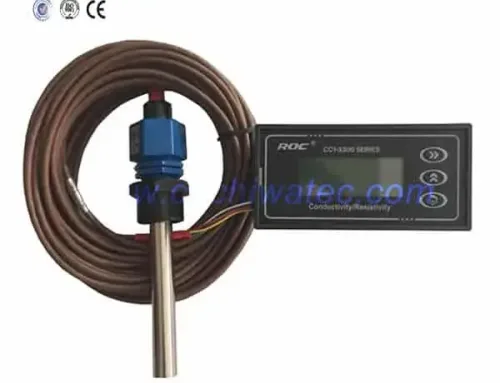
Electrical conductivity (EC) is used to measure ion concentration, and the specific resistance of pure water at 25°C is 18.3 MΩ·cm.
1.6 Chemical Properties
Water reacts with metals and non-metals, releasing hydrogen, and forms alkaline or acidic solutions when mixed with metal oxides or non-metal oxides.
2. Composition of Natural Water
Natural water continuously interacts with air, soil, rocks, minerals, and biological organisms. Because water is a strong solvent, natural water typically contains large amounts of soluble and insoluble impurities, making its composition complex.
2.1 Classification of Impurities in Water
Impurities are generally categorized by particle size into:
1. Suspended Matter (≥ 10⁻⁴ mm)
Visible to the naked eye. Includes:
- Sediment
- Clay
- Protozoa
- Algae
- Bacteria
- Organic debris
2. Colloids (10⁻⁴ to 10⁻⁶ mm)
Includes inorganic colloids (iron, aluminum, silicon compounds) and organic colloids (humic acid).
3. Dissolved Substances (≤ 10⁻⁶ mm)
Ions and molecules such as:
- Calcium, magnesium
- Bicarbonates, sulfates, chlorides
- Dissolved gases (CO₂, O₂)
2.2 Effects of Impurities on Water Quality
Suspended Matter
- Sediment and clay → turbidity and sludge
- Algae → color, odor, turbidity, slime
- Bacteria → corrosion, slime formation, health risks
- Insoluble matter → sediment and deposits
Products recommended for treating suspended matter:
Multimedia Sand Filters
Automatic Backwash Filters
Colloids
- Silica gel → scaling
- Humic acids → turbidity and adsorption issues
Suitable treatment equipment:
Ultrafiltration (UF) Systems
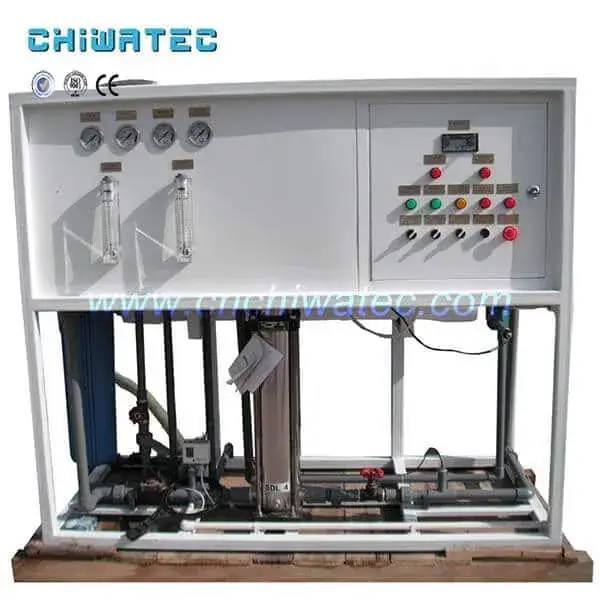
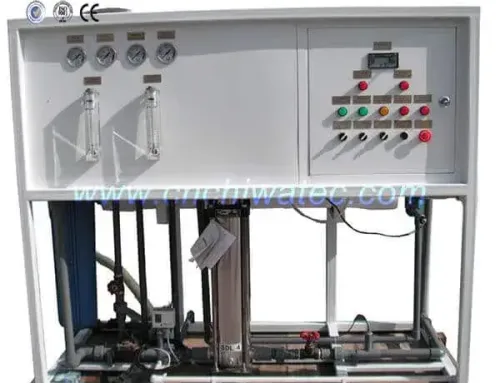
Reverse Osmosis (RO) Systems
Dissolved Substances
- HCO₃⁻, CO₃²⁻ → carbonate scaling
- SO₄²⁻ → sulfate scaling
- Cl⁻ → corrosion
- Ca²⁺, Mg²⁺ → hardness and scale
- Fe³⁺, Mn²⁺ → odor, corrosion, staining
- CO₂ → lower pH
- O₂ → corrosion
Effective treatment solutions:
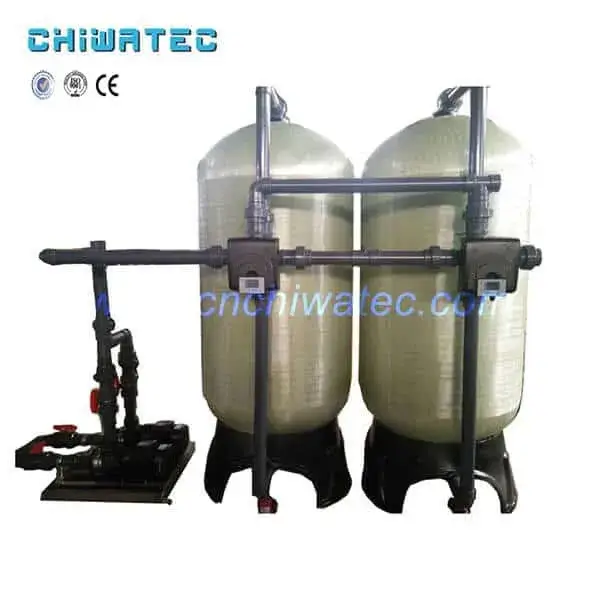
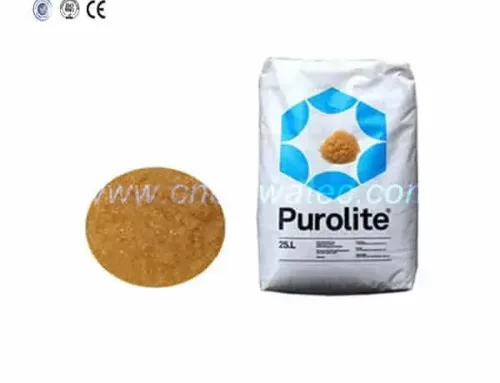
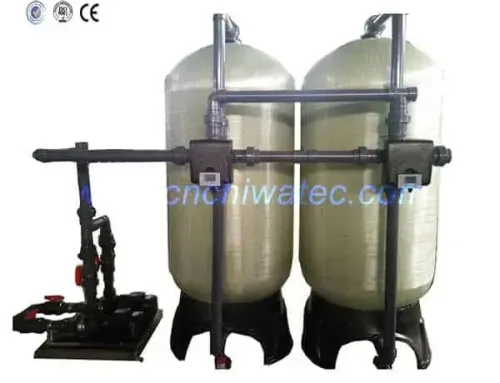
Water Softener Systems
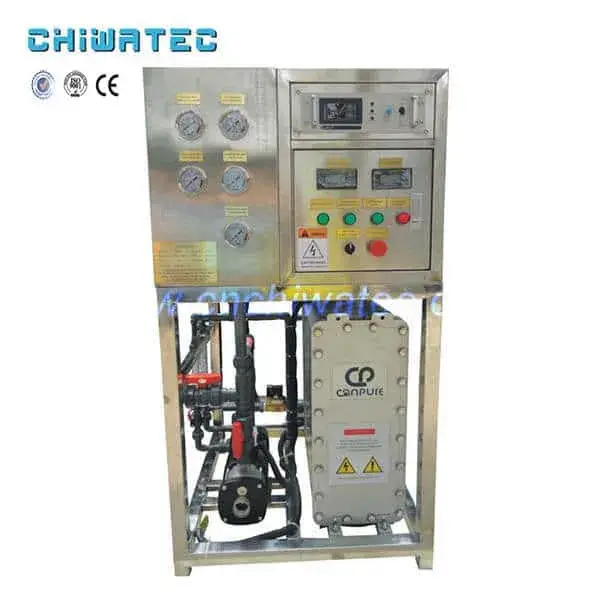
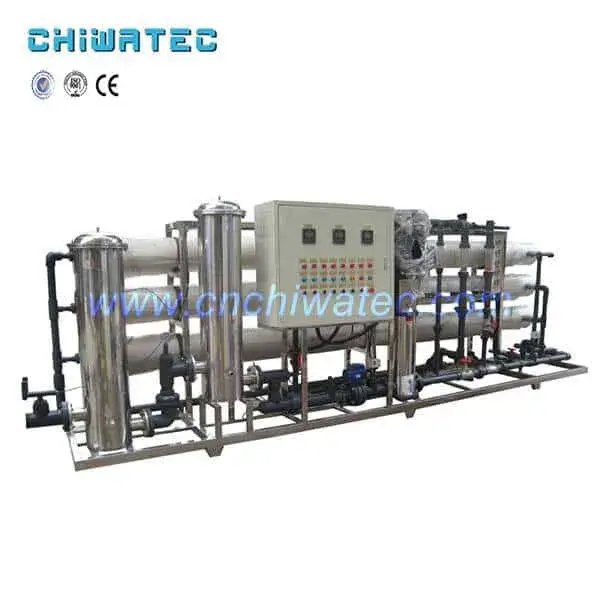
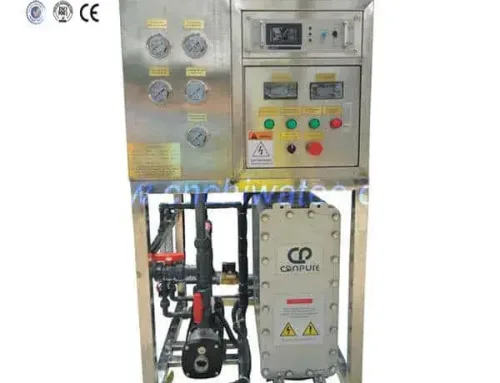
EDI Ultrapure Water Systems
RO Desalination Systems
3. Common Water Quality Indicators
Understanding water quality parameters helps select the correct treatment process.
3.1 mg/L (ppm)
1 mg/L = 1 ppm
Represents the mass of impurities dissolved per liter of water.
3.2 Salinity and Conductivity
Salinity: total dissolved salts (TDS), measured in mg/L
Conductivity: ability of water to conduct electricity, measured in µS/cm
Higher TDS → higher conductivity (generally)
Treatment recommendation:
Reverse Osmosis Systems
3.3 Turbidity
Caused by suspended and colloidal particles.
Drinking water turbidity limit: ≤ 5 NTU
Treatment:
Multimedia Filters
UF Systems
3.4 Water Hardness
Caused by Ca²⁺ and Mg²⁺, often expressed as mg/L CaCO₃.
High hardness causes scaling in boilers and heaters.
Treatment:
Automatic Water Softeners
3.5 Alkalinity
Represents substances that neutralize acids, mainly HCO₃⁻ in natural water.
Measured in mmol/L or mg/L as CaCO₃.
3.6 pH Value
pH = -log [H⁺]
- pH 7 = neutral
- pH < 7 = acidic
- pH > 7 = alkaline
pH affects corrosion, scaling, and chemical dosing requirements.
Conclusion
Water possesses unique physical, chemical, and electrical characteristics that significantly influence industrial water treatment processes. Natural water contains impurities ranging from suspended solids to dissolved ions, all of which impact turbidity, scaling, corrosion, and equipment lifespan.
By understanding these characteristics and using proper water treatment systems—such as RO, UF, EDI, and softening systems—industries can ensure stable water quality and protect equipment investments for the long term.
For professional water treatment equipment, visit:
👉 https://cnchiwaec.com/
FAQ
1. Why is understanding water characteristics important?
Because water properties affect scaling, corrosion, filtration efficiency, and the performance of all treatment equipment.
2. What causes turbidity in natural water?
Suspended solids, colloids, algae, bacteria, and organic impurities.
3. Which systems remove dissolved salts and ions?
Reverse osmosis (RO), nanofiltration (NF), and EDI systems.
4. How can hardness be removed from water?
Using automatic water softener systems based on ion exchange.
5. What influences water conductivity?
The concentration of dissolved ions such as Na⁺, Ca²⁺, Cl⁻, and HCO₃⁻.
Xi’an CHIWATEC Water Treatment Technology is a high-tech enterprise specialized in various water processing devices. Aside from these individual products, which cover a number of types and series, we can also help with related comprehensive engineering projects. Thanks to our hard work and dedication upon our founding, we are now one of the fastest-developing water treatment equipment manufacturers in Western China.
Further reading:
FOLLOW US
Do you have a water treatment project we can help with
* Designing,machining,installing,commissioning, customize and one-stop service
 English
  Spanish
  Portuguese