

Reverse osmosis water treatment has become the gold standard for industrial and commercial water purification in 2026. With global water scarcity affecting over 2 billion people and industrial water demand rising by 4% annually, RO water purification systems offer an efficient, cost-effective solution for producing high-purity water across multiple sectors.
What Is Reverse Osmosis Water Treatment?
Reverse osmosis (RO) is an advanced water purification equipment technology that uses semi-permeable membranes to remove dissolved salts, bacteria, viruses, and contaminants from water. By applying pressure greater than the natural osmotic pressure, RO systems force water molecules through membranes while blocking impurities—achieving purification rates up to 99%.
The global reverse osmosis water treatment market reached $28.5 billion in 2025 and is projected to grow at 8.2% CAGR through 2030, driven by industrial expansion, stricter water quality regulations, and increasing awareness of waterborne contaminants.
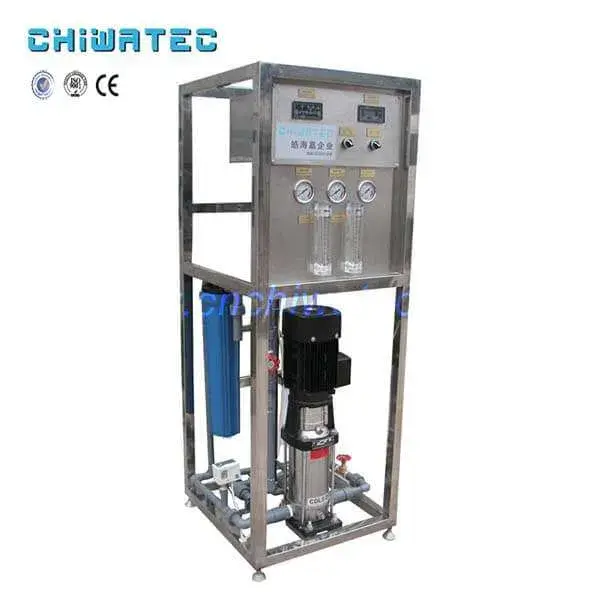
Key Components of RO Water Purification Systems
1. Pretreatment Stage
Effective water purification equipment begins with comprehensive pretreatment. This stage includes multimedia filters, activated carbon filters, and water softeners that remove suspended solids, chlorine, and hardness minerals. Proper pretreatment extends RO membrane technology lifespan by 40-60% and reduces maintenance costs significantly.
2. High-Pressure Pump System
The high-pressure pump generates the force needed for reverse osmosis water treatment, typically operating between 150-1000 PSI depending on feed water TDS levels. Modern variable frequency drive (VFD) pumps improve energy efficiency by 25-30% compared to traditional fixed-speed models.
3. RO Membrane Modules
RO membranes are the heart of any RO water purification system. Thin-film composite (TFC) membranes offer superior salt rejection (98-99.5%) and chemical resistance. Industry data shows that high-quality membranes maintain 95%+ efficiency for 3-5 years with proper maintenance and cleaning protocols.
4. Post-Treatment and Polishing
After RO filtration, post-treatment may include UV sterilization, ozonation, or mixed bed ion exchange for ultrapure water applications. This ensures industrial water treatment systems meet specific quality standards for pharmaceuticals, electronics manufacturing, and power generation.
Applications of Reverse Osmosis Water Treatment
Industrial Manufacturing
Manufacturing facilities rely on RO water purification systems for boiler feed water, cooling towers, and process water. Industries such as automotive, textiles, and chemical processing require consistent water quality to prevent equipment scaling and ensure product quality.
Food and Beverage Industry
Food processors use reverse osmosis water treatment for ingredient water, bottle rinsing, and cleaning-in-place (CIP) systems. RO-treated water eliminates taste-affecting contaminants and ensures compliance with FDA and EU food safety regulations.
Pharmaceutical and Healthcare
Pharmaceutical production demands ultrapure water meeting USP and EP standards. RO membrane technology combined with EDI (electrodeionization) produces water with resistivity of 18.2 MΩ·cm, essential for injectable drugs and medical device manufacturing.
Commercial and Municipal Use
Municipal water treatment plants increasingly deploy industrial water treatment RO systems to address emerging contaminants like PFAS, pharmaceuticals, and microplastics. Commercial buildings use RO systems for drinking water, HVAC systems, and laboratory applications.
Latest Trends in RO Water Purification Technology (2026)
The water purification equipment industry continues to evolve with several breakthrough trends:
- Energy Recovery Devices (ERDs): Modern ERDs reclaim 95-98% of pressure energy from concentrate streams, reducing overall system energy consumption by 40-60%
- Smart Monitoring Systems: IoT-enabled sensors provide real-time tracking of pressure, flow, TDS, and membrane performance, enabling predictive maintenance and reducing downtime by 35%
- Graphene-Enhanced Membranes: Next-generation membranes with graphene oxide coatings show 20-30% higher water flux while maintaining salt rejection rates above 99%
- Zero Liquid Discharge (ZLD): Integrated RO + evaporator systems achieve 99%+ water recovery, critical for industries facing strict discharge regulations
Benefits of CHIWATEC RO Water Treatment Systems
As a leading water purification equipment manufacturer in Western China, CHIWATEC delivers comprehensive solutions with these advantages:
- Custom-engineered systems from 500 GPD to 500,000 GPD capacity
- Advanced RO membrane technology from leading suppliers (DOW, Hydranautics, Toray)
- Automated PLC control systems with remote monitoring capabilities
- Complete after-sales support including installation, training, and maintenance
- Compliance with ISO 9001, CE, and NSF certification standards
Conclusion
Investing in high-quality reverse osmosis water treatment systems delivers measurable returns through reduced operational costs, extended equipment life, and consistent water quality. As water scarcity intensifies and regulations tighten, RO water purification systems will remain essential infrastructure for industries worldwide.
CHIWATEC combines decades of industrial water treatment expertise with cutting-edge RO membrane technology to deliver reliable, efficient solutions tailored to your specific needs. Contact our engineering team today for a free consultation and system design.
FAQ: Reverse Osmosis Water Treatment Systems
1. How long do RO membranes last in industrial applications?
With proper pretreatment and maintenance, industrial RO membrane technology typically lasts 3-5 years. Regular cleaning (every 5-6 months) and monitoring pressure differentials can extend membrane life by 30-40%.
2. What is the recovery rate of RO water purification systems?
Standard reverse osmosis water treatment systems achieve 50-75% recovery rates. Advanced systems with energy recovery and multi-stage configurations can reach 85-95% recovery, significantly reducing wastewater.
3. How much energy does an RO system consume?
Energy consumption varies by feed water TDS and system size. Modern water purification equipment with VFD pumps and ERDs consumes 2-4 kWh per 1,000 gallons of treated water—up to 60% less than systems from a decade ago.
4. Can RO systems remove viruses and bacteria?
Yes. RO membrane technology effectively removes 99.9% of bacteria, viruses, and protozoa due to membrane pore sizes of 0.0001 microns. For critical applications, UV or ozone post-treatment provides additional disinfection assurance.
5. What maintenance does an RO system require?
Routine industrial water treatment maintenance includes: daily parameter logging, weekly visual inspections, monthly filter replacements (pretreatment), quarterly membrane cleaning, and annual comprehensive system audits. CHIWATEC provides complete maintenance programs and operator training.
Further Reading
Do you have a water treatment project we can help with
* Designing,machining,installing,commissioning, customize and one-stop service






 English
  Spanish
  Portuguese




