How to Use Reverse Osmosis Membrane Correctly: Storage, Installation and Maintenance Guide 2026
Proper handling and operation of reverse osmosis membranes are essential for maximizing their service life and ensuring consistent water quality. This guide covers reverse osmosis membrane correct usage from storage and installation through startup, operation, and regular maintenance to help operators avoid common mistakes that reduce membrane performance.
Reverse Osmosis Membrane Correct Usage: Storage Guidelines
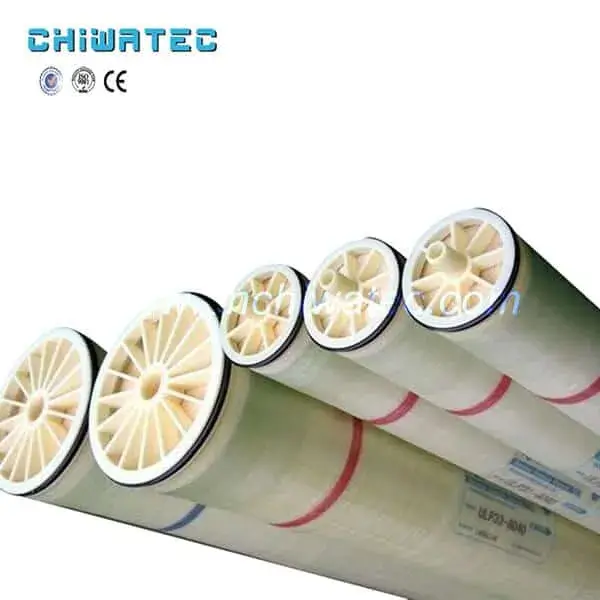
Before membrane elements are installed into pressure vessels, proper storage conditions are critical for preserving membrane integrity. Follow these reverse osmosis membrane correct usage storage practices: never open the sealed packaging until immediately before installation; store membranes in a cool, dry place away from direct sunlight; maintain storage temperature between 5°C and 35°C to prevent freezing or heat damage; and avoid storing membranes near chemicals, solvents, or fumes that could degrade the membrane polymer. For long-term storage (over 30 days), membrane elements should be immersed in a 1% sodium metabisulfite (SMBS) preservative solution and stored in a dark environment. Rotate stored elements every 90 days to prevent preservative stratification.
Membrane Element Installation: Step-by-Step Instructions
Before installation, ensure the entire system has been thoroughly cleaned to remove construction debris, welding slag, and other contaminants. Critical installation steps include: lubricate the O-rings and concentrate seal rings with silicone-based grease or 50% glycerin aqueous solution — never use oil, grease, or petroleum-based lubricants which damage the membrane; verify the brine seal ring is positioned at the feed end of the element and oriented correctly; carefully insert each membrane element into the pressure vessel, pushing gently to avoid damaging the membrane surface; confirm interconnector seals are properly seated between elements; and torque vessel end caps to manufacturer specifications. For multi-element vessels, install elements from the concentrate end toward the feed end to ensure proper seal ring positioning.
New Membrane Rinsing and System Startup
After installing new membrane elements, the system requires thorough rinsing before normal operation. Rinse the new system for at least 30–60 minutes with the concentrate valve fully open to completely remove residual impurities, solvents, and protective liquids from the system. If the produced water is intended for drinking, extend the rinsing period to a minimum of 24 hours. During initial startup, keep the concentrate valve fully open. After system startup, gradually close the concentrate valve at a slow rate until the system reaches the set recovery rate. Never start the equipment with the concentrate valve closed — this creates back pressure that can damage membrane elements and cause permanent delamination of the membrane layers.
Operating Parameters and Precautions
| Parameter | Requirement | Consequence of Deviation |
| Feed water turbidity | Below 1.0 NTU | Excessive particle fouling, reduced flux |
| SDI15 (Silt Density Index) | Below 5 | Rapid fouling, shortened membrane life |
| Feed water temperature | Below 45°C | Membrane polymer degradation above limit |
| Residual chlorine | Below 0.1 ppm | Oxidative damage to composite membrane |
| Operating pH | 2–11 (varies by type) | Hydrolysis and membrane degradation |
| Feed water pressure | Within design specifications | Excessive pressure causes mechanical damage |
The feed water must not contain harmful substances that could cause physical or chemical damage to the membrane. At all times, monitor the residual chlorine content in the feed water to ensure it remains below 0.1 ppm. Chlorine and other oxidizing agents rapidly degrade thin-film composite (TFC) membranes, causing irreversible performance loss.
Common Mistakes in Reverse Osmosis Membrane Operation
Even experienced operators can make mistakes that significantly reduce membrane life and performance. Common errors include: starting the system with the concentrate valve closed (causes back pressure damage and delamination); failing to remove chlorine before the membrane (even brief exposure above 0.1 ppm permanently damages the TFC rejection layer); using petroleum-based lubricants on O-rings (chemically attacks elastomers); exceeding maximum operating pressure or temperature (causes irreversible mechanical creep and polymer degradation); neglecting regular flushing (accelerates fouling and increases cleaning frequency); and mixing incompatible cleaning chemicals during CIP procedures (can generate toxic gases or damage membranes). Awareness of these pitfalls is essential for achieving the full 2–5 year expected membrane service life.
Routine Maintenance and Cleaning Schedule
After a period of normal operation, membrane elements will accumulate pollutants from suspended or insoluble substances present in the feed water. Clean the system promptly when any of the following conditions occur: system performance drops by 10% or more under standard operating conditions, normalized permeate flow declines by 10–15%, pressure drop across the system increases by 15%, or scaling or fouling deposits are visually evident during inspection. Regular water flushing (forward flush for 5–10 minutes daily and backwash if the system is equipped) helps extend cleaning intervals. For chemical cleaning, use acidic solutions (citric acid at pH 2–3) for inorganic scale removal and alkaline solutions (NaOH at pH 11–12) for organic and biological fouling. Never mix cleaning chemicals and always flush thoroughly between different cleaning steps.
Frequently Asked Questions
How should RO membranes be stored before installation?
Store membrane elements in their original sealed packaging in a cool, dry location between 5°C and 35°C, away from direct sunlight and chemical fumes. For storage exceeding 30 days, immerse in 1% SMBS solution and rotate every 90 days. Never allow membranes to freeze or sit in direct sunlight.
What lubricant should be used for membrane O-rings?
Only silicone-based grease or 50% glycerin aqueous solution should be used for lubricating O-rings and brine seals during installation. Never use petroleum-based oils, grease, or other hydrocarbons, as these will chemically attack and swell the elastomer seals and may contaminate the membrane.
How long should a new RO membrane system be rinsed?
A minimum of 30–60 minutes of rinsing with the concentrate valve fully open is required to remove preservatives and residual chemicals. For drinking water applications, extend the rinse period to at least 24 hours before consuming the produced water.
How often should RO membranes be cleaned?
Clean membranes when normalized performance drops by 10–15% or when the pressure drop increases by 15%. Routine flushing (5–10 minutes daily) extends cleaning intervals. Typical chemical cleaning frequency ranges from every 1–3 months depending on feed water quality and operating conditions.
What chlorine level is safe for RO membranes?
Free chlorine must be maintained below 0.1 ppm at all times. TFC (thin-film composite) RO membranes are highly sensitive to chlorine and other oxidizing agents. Even brief exposure to higher chlorine levels can cause irreversible damage to the membrane rejection layer, permanently reducing salt rejection performance.
Conclusion and Call to Action
Following proper reverse osmosis membrane correct usage practices — from storage and installation through operation and maintenance — significantly extends membrane service life, maintains consistent water quality, and reduces operating costs. Proper handling prevents common issues such as membrane fouling, scaling, and oxidative damage that can occur without adequate care. Xi’an CHIWATEC Water Treatment Technology is a high-tech enterprise specialized in various water processing devices. We offer a complete range of RO membranes, membrane housings, and technical support for installation and maintenance. Contact us for expert advice on your RO membrane system.
Related Resources
Do you have a water treatment project we can help with
* Designing,machining,installing,commissioning, customize and one-stop service
 English
  Spanish
  Portuguese