Industrial Wastewater Pretreatment Risks for RO Systems: Standards, Consequences, and Solutions
Reverse osmosis (RO) membrane systems are highly sensitive to feed water quality. While conventional water treatment equipment effectively removes standard pollutants such as BOD, total suspended solids (TSS), and Escherichia coli, it cannot adequately handle unconventional substances and toxic industrial wastes. These industrial wastewater pretreatment risks — including heavy metals, refractory organics, and toxic compounds — pose serious threats to RO membrane performance, causing irreversible fouling, scaling, and chemical degradation. This article examines the pretreatment standards gap, its consequences for RO system operation, and practical recommendations for risk mitigation in industrial water treatment applications.
Key Industrial Wastewater Pretreatment Risks for RO Systems
| Pollutant Category | Examples | Risk to RO System |
| Conventional (removed by standard treatment) | BOD, TSS, E. coli | Biofouling if breakthrough occurs |
| Unconventional organics | Refractory COD, industrial solvents | Membrane swelling, chemical attack on polyamide layer |
| Heavy metals | Lead, chromium, cadmium, arsenic | Catalytic oxidation of membrane, irreversible fouling |
| Toxic industrial wastes | Cyanide, phenols, pesticides | Complete membrane degradation, safety hazards in concentrate |
| High-strength inorganics | Ammonia nitrogen, total phosphorus | Biofouling acceleration, scaling potential |
The Pretreatment Standards Gap and RO System Vulnerability
The process characteristics of standard water treatment equipment — designed primarily for municipal wastewater — determine that it effectively removes conventional pollutants but cannot eliminate unconventional substances and toxic industrial wastes. Current regulations often specify only ammonia nitrogen and total phosphorus limits for managed treatment, creating a dangerous perception that industrial wastewater treatment only needs to satisfy these two parameters.
For RO systems receiving pretreated industrial wastewater, this standards gap creates significant industrial wastewater pretreatment risks:
- Membrane fouling by unconventional organics: Refractory organic compounds that pass through conventional biological treatment can adsorb onto RO membrane surfaces, creating a dense fouling layer that reduces permeability and increases cleaning frequency.
- Chemical attack by industrial toxins: Substances such as solvents, strong oxidizers, and certain industrial chemicals can chemically degrade the polyamide thin-film composite (TFC) membrane, causing irreversible loss of salt rejection.
- Catalytic scaling by metal ions: Heavy metals (iron, manganese, copper) can catalyze oxidation reactions on the membrane surface and accelerate inorganic scaling, particularly when combined with silica or calcium.
Understanding these vulnerabilities is the first step in implementing effective pretreatment risk management for any RO system fed by industrial wastewater.
Consequences of Inadequate Pretreatment for RO Feed Water
When industrial wastewater pretreatment standards are insufficient, the consequences cascade from the collection system through biological treatment and ultimately affect RO membrane performance. The four major categories of industrial wastewater pretreatment risks in the RO treatment chain are:
1. Pipeline and Equipment Damage
Unconventional industrial pollutants — particularly corrosive chemicals, abrasive solids, and high-temperature discharges — can damage collection pipelines and upstream equipment before the water even reaches the RO system. Pipe blockages from precipitated metals or polymerized organics create hydraulic imbalances that affect downstream RO feed pump operation.
2. Biological Treatment System Inhibition
Many industrial toxins (heavy metals, biocides, high-salinity streams) inhibit the biological treatment stages that normally precede RO membranes. When the biological pretreatment stage fails, organic and ammonia loads spike, directly overloading the RO system and causing rapid biofouling. The biological treatment inhibition itself represents one of the most critical industrial wastewater pretreatment risks because it disrupts the entire treatment chain.
3. Sludge Quality Degradation and Increased Treatment Costs
Toxic pollutants accumulate in waste sludge from biological pretreatment stages, making sludge disposal more expensive and environmentally complex. Contaminated sludge requires special handling, increasing overall water treatment costs — costs that are ultimately borne by the RO system operator.
4. Environmental Pollution from RO Concentrate
RO membranes concentrate all retained pollutants into a reject stream. If unconventional toxic substances enter the RO feed water, the concentrate stream becomes a concentrated hazardous waste requiring specialized disposal. Inadequate pretreatment thus not only damages the RO system but creates a downstream environmental liability.
Strengthening Pretreatment Standards for RO System Protection
Mitigating industrial wastewater pretreatment risks requires a multi-level approach involving regulatory standards, engineering design, and operational monitoring:
- Feasibility assessment: Before accepting industrial wastewater for RO treatment, conduct a comprehensive characterization of all potential pollutants — not just ammonia nitrogen and total phosphorus. Evaluate whether the existing pretreatment train can adequately remove unconventional and toxic substances.
- Industry-specific pretreatment standards: For each industrial sector discharging to the RO system, establish pretreatment limits for the specific unconventional pollutants generated. A textile dyeing operation requires different pretreatment controls than a metal plating facility.
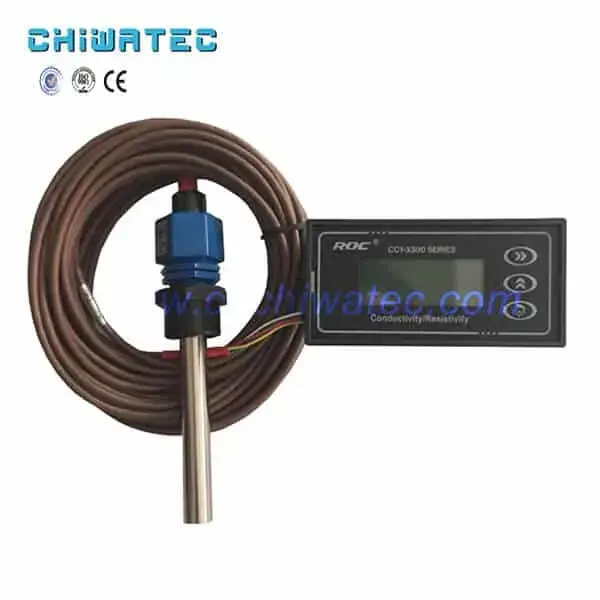
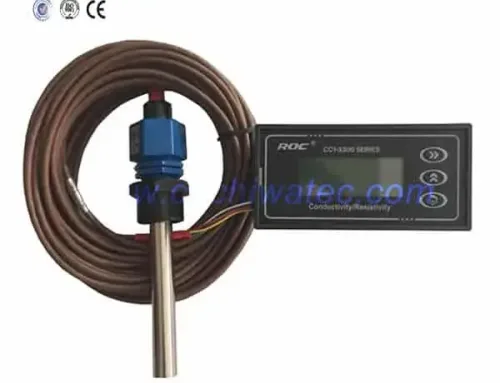
- Real-time monitoring integration: Install online analyzers for key risk indicators — conductivity, pH, ORP, TOC — at the RO feed point. Sudden changes signal a pretreatment failure that requires immediate diversion or shutdown to protect RO membranes.
- Regulatory advocacy: Work with environmental authorities to develop comprehensive pretreatment standards that address unconventional substances, not just conventional pollutants. In the absence of industry-specific standards, apply conservative design margins to RO pretreatment systems.
CHIWATEC advocates for a precautionary approach in RO system design for industrial wastewater applications. When pretreatment standards are incomplete, the RO system designer must assume the presence of unconventional pollutants and design accordingly — with redundant pretreatment barriers, conservative flux rates, and robust monitoring and control systems.
Frequently Asked Questions
What are the most common industrial wastewater pretreatment risks for RO membranes?
The top risks include: refractory organic fouling (from industrial solvents and dyes), heavy metal catalytic degradation of polyamide membranes, biofouling from untreated ammonia nitrogen, and chemical attack from oxidizers or extreme pH streams.
Can RO membranes handle unconventional industrial pollutants?
RO membranes can reject most industrial pollutants, but the pollutants concentrate on the feed side of the membrane, causing rapid fouling, scaling, or chemical degradation. Proper pretreatment is essential — RO should not be used as the primary removal mechanism for unconventional pollutants.
How do I know if my RO feed water has pretreatment risks?
Conduct a comprehensive water analysis including: heavy metals (ICP-MS), TOC (for refractory organics), specific conductivity, pH, temperature, and industrial-specific parameters. Compare results against the RO membrane manufacturer’s feed water guidelines.
What pretreatment is recommended for industrial wastewater feeding RO?
A multi-barrier approach is recommended: equalization → primary treatment (chemical precipitation or DAF) → biological treatment (activated sludge or MBBR) → tertiary filtration (UF or multimedia) → antiscalant dosing → cartridge filtration → RO. Each stage should be designed for the specific industrial pollutants present.
How do inadequate pretreatment standards affect RO operating costs?
Inadequate pretreatment increases RO operating costs through: more frequent chemical cleaning (2-4x increase), shorter membrane lifespan (2-3 years instead of 5-7), higher energy consumption from fouled membranes, and costly hazardous waste disposal for contaminated concentrate streams.
Conclusion and Call to Action
Industrial wastewater pretreatment risks represent one of the most significant yet underappreciated challenges in RO system design and operation. The gap between conventional treatment capabilities and the full spectrum of industrial pollutants can lead to membrane damage, system downtime, and environmental liability. Addressing this gap requires both regulatory advancement and engineering diligence — ensuring that every RO system has a pretreatment train designed for the specific industrial wastewater characteristics it will encounter. CHIWATEC brings extensive experience in designing comprehensive pretreatment and RO systems for challenging industrial wastewater applications across multiple sectors.
For a detailed risk assessment of your RO system’s pretreatment needs, contact us at [email protected] or [email protected]. Let CHIWATEC help you eliminate potential risks in your water treatment system.
Related Resources and Further Reading
Do you have a water treatment project we can help with
* Designing,machining,installing,commissioning, customize and one-stop service
 English
  Spanish
  Portuguese