

Coal Mine Wastewater Treatment 2026: Sources, Pollutants, and Treatment Process Design
Coal mining operations generate large volumes of wastewater containing suspended solids, heavy metals, acidic compounds, and organic pollutants that can severely damage the surrounding environment if discharged untreated. Effective coal mine wastewater treatment is essential for meeting environmental compliance, protecting water resources, and enabling water reuse in mining operations. This article explains the sources and characteristics of mine wastewater, key pollutants that must be addressed, and practical treatment approaches tailored to the unique challenges of coal mine water — from suspended coal ash and rock particles to iron oxidation and heavy metal contamination.
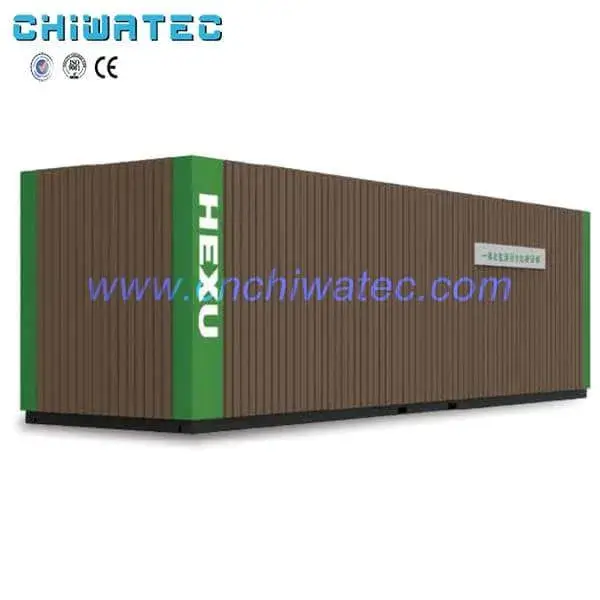
Key Parameters for Coal Mine Wastewater Treatment
| Parameter | Typical Range / Target | Treatment Method |
| Suspended Solids (SS) | High (coal ash, rock particles) | Sedimentation, filtration, coagulation |
| pH | Often acidic (3–6) | Neutralization with lime or caustic soda |
| Iron (Fe) | Elevated (from pyrite oxidation) | Oxidation, precipitation, sedimentation |
| Manganese (Mn) | Elevated | Oxidation, pH adjustment, filtration |
| Heavy Metals | Variable (Pb, Cr, As, Cd) | Chemical precipitation, ion exchange |
| COD / BOD | Moderate | Biological treatment, chemical oxidation |
| Oil and Grease | Present from mining equipment | Oil-water separation, skimming |
Sources and Characteristics of Coal Mine Wastewater
Understanding the source of mine wastewater is the first step in designing an effective coal mine wastewater treatment system. The two primary sources are:
- Underground wastewater: Water that naturally infiltrates coal mine workings, picking up suspended solids, dissolved minerals, and metals from exposed rock and coal seams
- Leaching wastewater from mining sites: Surface runoff and drainage from stockpiles, waste rock dumps, and processing areas that carries coal dust, rock fines, and chemical residues
If discharged without treatment, mine wastewater causes environmental damage including:
- Acidification of receiving water bodies (acid mine drainage)
- Increased toxicity from heavy metals and inorganic compounds
- Corrosion of mine pipelines and equipment
- Iron oxide staining of riverbeds (from Fe²⁺ oxidizing to Fe³⁺ upon air exposure)
- Destruction of aquatic habitats and contamination of groundwater resources
Mine wastewater characteristics vary significantly based on the coal seam geology, mining methods, and production activities. A single grab sample is insufficient for treatment design — continuous monitoring over multiple production cycles is required.
Key Pollutants in Coal Mine Wastewater Treatment
Effective coal mine wastewater treatment must address a complex mixture of pollutants. The table below summarizes the primary contaminants and their treatment approaches:
| Pollutant | Source | Environmental Impact | Treatment Approach |
| Total Suspended Solids (TSS) | Coal ash, rock particles, clay | Turbidity, sedimentation in rivers | Coagulation + sedimentation + filtration |
| Iron (Fe²⁺/Fe³⁺) | Pyrite (FeS₂) oxidation | Riverbed staining, metal toxicity | Aeration + lime precipitation + settling |
| Manganese (Mn²⁺) | Mineral dissolution | Nervous system toxicity, staining | Oxidation at pH > 9 + filtration |
| Heavy Metals (Pb, Cr, As, Cd) | Mineral deposits | Bioaccumulation, toxicity | Chemical precipitation, coagulation, ion exchange |
| Acidity (low pH) | Pyrite oxidation, acid mine drainage | Metal mobilization, aquatic toxicity | Limestone neutralization, lime dosing |
| COD / BOD | Organic matter, processing chemicals | Oxygen depletion in receiving waters | Biological treatment, chemical oxidation |
| Oils and Greases | Mining equipment, hydraulic fluids | Surface film, aquatic toxicity | Oil-water separation, skimming, adsorption |
Process Design for Treating Coal Mine Wastewater
A complete coal mine wastewater treatment system requires a multi-stage approach:
- Equalization and primary sedimentation: Raw mine water enters an equalization basin to dampen flow and quality fluctuations. Coarse solids settle in a primary sedimentation tank or drainage ditch system.
- pH neutralization: Acidic mine water (common in coal mining) requires neutralization. Lime (CaO) or limestone (CaCO₃) dosing raises pH to 6.5–8.5, precipitating iron and manganese as hydroxides.
- Coagulation and flocculation: Chemical coagulants (alum, PAC, or ferric chloride) and flocculants (polymer) aggregate fine suspended solids and colloidal particles into settleable flocs.
- Secondary sedimentation: Flocs settle in a clarifier or sedimentation tank. The sludge is dewatered and disposed of according to environmental regulations.
- Filtration: Polishing filtration through sand filters or multimedia filters removes remaining fine particles. For advanced treatment, ultrafiltration (UF) membranes can be used.
- Disinfection (if required): For mine water being reused or discharged to sensitive environments, UV or chlorine disinfection provides final pathogen control.
The specific process configuration should be based on detailed wastewater characterization — not on a single grab sample. Seasonal variations, production cycles, and geological changes all affect water quality and must be factored into the design.
Frequently Asked Questions
What makes coal mine wastewater treatment different from municipal sewage treatment?
Mine wastewater contains high levels of suspended solids (coal ash, rock fines), heavy metals, and often has low pH (acid mine drainage). Municipal sewage is primarily organic. Mine water treatment emphasizes solids removal, pH neutralization, and metal precipitation rather than biological treatment.
How is iron removed from coal mine wastewater?
Iron in mine water is typically in the ferrous (Fe²⁺) form. Aeration oxidizes it to ferric (Fe³⁺), which precipitates as ferric hydroxide at pH > 6. Lime dosing for neutralization simultaneously precipitates iron. The iron sludge settles in clarifiers and is dewatered for disposal.
Can treated coal mine wastewater be reused?
Yes. Treated mine water can be reused for dust suppression, equipment cooling, coal washing, and even as process water in nearby industries. Advanced treatment (UF/RO) can produce high-quality water for more demanding applications.
What is acid mine drainage and why is it a problem?
Acid mine drainage (AMD) occurs when pyrite (FeS₂) in exposed coal and rock reacts with oxygen and water to form sulfuric acid and dissolved iron. AMD can have pH as low as 2-4 and mobilizes heavy metals. It is one of the most serious environmental challenges in the mining industry.
What are the discharge standards for coal mine wastewater?
Standards vary by country but typically limit SS, pH (6-9), Fe (<3-7 mg/L), Mn (<2-4 mg/L), COD, oil and grease, and heavy metals. Check local environmental protection regulations for specific limits applicable to your mining operation.
Conclusion and Call to Action
Coal mine wastewater treatment presents unique challenges due to the combination of suspended solids, heavy metals, acidity, and variable flow rates. A properly designed treatment system — incorporating equalization, neutralization, coagulation, sedimentation, and polishing filtration — can reliably meet discharge standards and enable water reuse, reducing the environmental footprint of mining operations. Understanding the specific pollutant profile of your mine’s wastewater is the critical first step in selecting the right treatment approach. CHIWATEC provides complete mine wastewater treatment solutions, from preliminary assessment to equipment supply and commissioning.
For expert guidance on coal mine wastewater treatment system design, contact us at [email protected] or [email protected]. Let CHIWATEC help you achieve compliant, cost-effective mine water management.
Do you have a water treatment project we can help with
* Designing,machining,installing,commissioning, customize and one-stop service






 English
  Spanish
  Portuguese




