Power Boiler Water Softening System: Maintenance Guide for Power Plant Softeners 2026
A power boiler water softening system is essential for power plant operations, removing calcium and magnesium hardness from boiler make-up water to prevent scale formation on tube walls and maintain heat transfer efficiency. However, the softener itself requires regular maintenance — including electrical system protection, proper salt tank care, ejector inspection, annual resin checks, and seasonal shutdown procedures — to remain reliable. This guide provides a comprehensive analysis of power boiler water softening system maintenance, covering day-to-day operation, scheduled inspections, and long-term outage care to maximize equipment life and prevent costly boiler failures.
Power Boiler Water Softening System — Overview and Importance in Power Plants
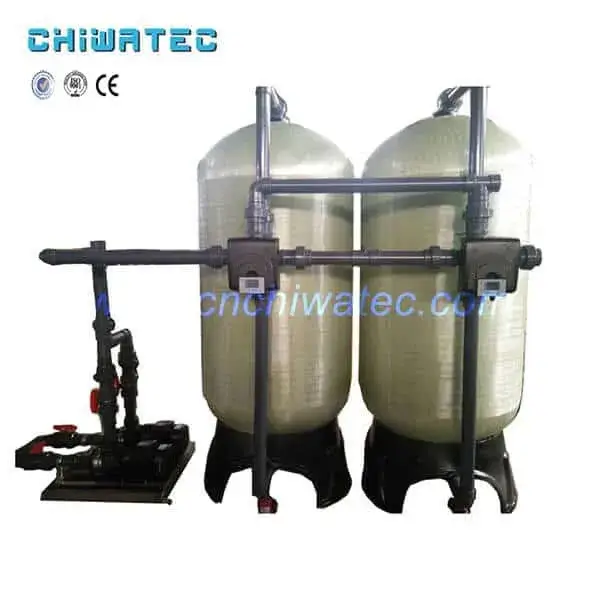
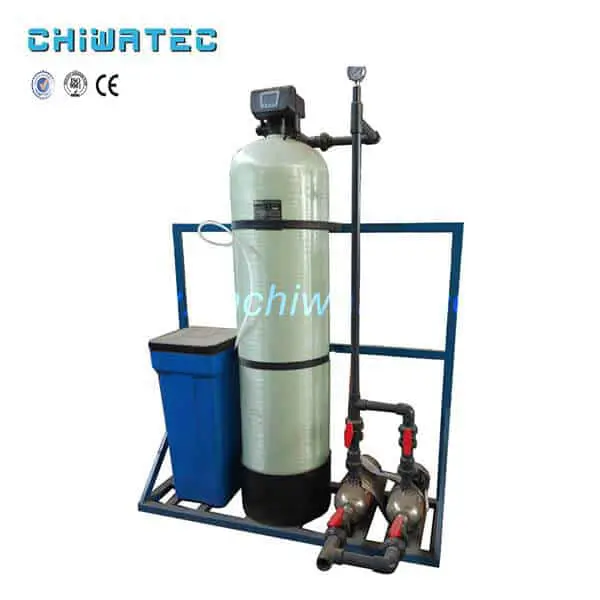
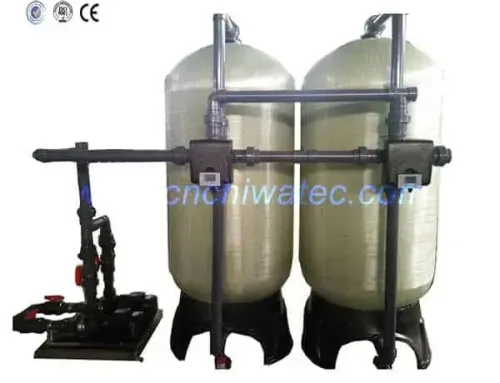
The power boiler water softening system in a power plant typically consists of a multi-column softener with automatic or semi-automatic control valves, a brine tank for regeneration, and a resin bed containing strong acid cation (SAC) exchange resin. The system treats make-up water for medium-pressure (3–10 MPa) and high-pressure (> 10 MPa) boilers, reducing hardness from 50–500 ppm as CaCO₃ to below 1 ppm. Unlike industrial boilers that may tolerate occasional hardness excursions, power plant boilers operate at high temperatures and pressures where even microscopic scale deposits can cause tube overheating and catastrophic failure. This makes regular maintenance of the power boiler water softening system — electrical inspection, salt quality management, ejector testing, and resin condition monitoring — a critical operational priority for power plant engineers.
Electrical System Maintenance and Protection
The electrical control system — including the PLC controller, solenoid valves, level sensors, and pressure switches — is the brain of the softener. Power plant environments present specific electrical risks including voltage fluctuations from large motor starts, high ambient temperatures near boiler houses, and potential moisture ingress. Key maintenance practices include:
- Stable voltage and current: Ensure the input voltage remains within ±10% of the controller rating. Voltage spikes from nearby high-power equipment can damage PLC inputs, solenoid coils, and display modules. Install a surge protection device (SPD) and, if necessary, a voltage stabilizer on the softener control circuit.
- Sealed electronic enclosure: The electronic control unit must be housed in a NEMA 4X or IP65-rated enclosure with a sealed cover to prevent moisture ingress, dust accumulation, and accidental water spray from nearby pipe leaks or floor washing. Silica gel desiccant packs inside the enclosure should be replaced every 6 months.
- Wire connection integrity: Annually inspect all terminal blocks, relay sockets, and cable connections for corrosion, looseness, or heat discoloration. Vibration from nearby pumps can loosen screw terminals over time, causing intermittent faults or false regeneration signals.
Salt Tank Maintenance — Proper Salt Selection and Cleaning
The brine system is the most maintenance-intensive component of any power boiler water softening system. Incorrect salt type or neglected salt tank cleaning directly impacts regeneration efficiency and water quality:
- Salt selection: Only solid granular salt (evaporated salt or solar salt with > 99.5% NaCl purity) should be used. Never use refined table salt or iodized salt — the anti-caking agents (yellow prussiate of soda, silicon dioxide) and iodine additives foul the resin and reduce exchange capacity by 15–30% within months. The salt solution in the brine tank must be maintained in a supersaturated state (at least 3 inches of undissolved salt above the water level) to ensure saturated brine (26% NaCl) during regeneration.
- Salt well care: When adding salt, be careful not to spill solid granular salt directly into the salt well (the perforated enclosure around the salt valve). Granules in the well can form a salt bridge — a hardened crust that blocks the salt valve and prevents brine from being drawn into the ejector during regeneration. If salt bridging occurs, break the crust with a wooden handle and flush the well with clean water.
- Bottom impurity cleaning: Solid granular salt contains 0.3–0.5% insoluble impurities (clay, sand, grit) that settle at the bottom of the salt tank over time. Accumulated impurities can block the salt valve inlet, reducing brine draw rate. Open the drain valve at the bottom of the salt tank quarterly and flush with clean water until the discharge runs clear. The cleaning frequency should be increased if the salt source has a higher impurity content.
Ejector and Salt Suction Line Inspection
The ejector (venturi) creates the vacuum that draws brine from the salt tank into the softener during regeneration. A loss of ejector performance is the most common cause of poor regeneration and hardness leakage. Monthly inspection should include:
- Air tightness test: With the softener in service mode, close the salt valve and listen for hissing at the ejector. Any air leak in the ejector or suction line reduces vacuum and brine flow. Apply soap solution to all fittings and connections — bubbles indicate a leak that must be repaired.
- Nozzle inspection: Disassemble the ejector annually and inspect the nozzle and throat for wear, corrosion, or debris. A worn nozzle (increased orifice diameter by 0.1 mm) reduces vacuum by 20–30%. Replace worn nozzles as needed.
- Suction line check valve: Verify that the check valve at the salt tank outlet opens freely and seals tight when closed. A stuck-open check valve allows water to backflow into the salt tank during service, diluting the brine and reducing regeneration effectiveness.
Annual Resin Inspection and Replacement
The SAC resin in a power boiler softener should be inspected annually. Over time, resin beads can lose capacity due to iron fouling, organic contamination, or physical degradation:
- Upper and lower distributor cleaning: Annually disassemble the control valve and inspect the upper and lower distributors (lateral or hub-and-lateral type). Remove any accumulated debris, broken resin beads, or quartz sand fines that have migrated upward through the distributor slots. Clean the distributor slots with a soft brush and flush with clean water.
- Quartz sand cushion inspection: The graded quartz sand supporting the resin bed (typically 3–4 layers from 1–2 mm at the top to 8–16 mm at the bottom) should be checked for contamination or displacement. Replace sand that shows iron staining or has been mixed with broken resin.
- Resin capacity testing: Collect a 100 mL resin sample from mid-bed and measure its operating exchange capacity using a standard NaCl regeneration and CaCl₂ loading test. If the capacity has dropped below 80% of the virgin resin specification, consider partial or complete resin replacement. Typical SAC resin life in power boiler service is 5–8 years.
- Resin replacement: For severely aged or fouled resin, replace with new gel-type polystyrene sulfonate SAC resin (8% DVB crosslinking, 1.2–2.0 eq/L capacity). Use resin with a narrow bead size distribution (0.4–1.2 mm) for optimal hydraulic performance.
Long-Term Shutdown and Seasonal Maintenance Procedures
Power boilers may undergo seasonal shutdowns or planned maintenance outages lasting weeks to months. Proper softener care during these periods prevents resin damage:
- Pre-shutdown regeneration: Before any extended outage, regenerate the resin fully to convert it to the sodium form. Sodium-form resin is more chemically stable and less prone to oxidation than calcium or hydrogen form.
- Summer storage (microbiological control): During warm-weather shutdowns (> 25°C), flush the softener at least once per month to prevent microbial growth in the resin bed. If the resin shows signs of mold (musty odor, black spots), sterilize by soaking in a 1% formaldehyde solution for 4–6 hours, then rinse thoroughly with clean water until no formaldehyde odor remains. Note: Follow local environmental regulations for formaldehyde use and disposal.
- Winter storage (freeze protection): In sub-freezing conditions, the moisture inside resin beads can freeze and expand, causing the beads to crack and fragment. Prevent freeze damage by storing the resin in a concentrated brine solution — prepare a salt solution at the concentration appropriate for the minimum expected temperature (23% NaCl for -20°C, 10% NaCl for -10°C). The brine depresses the freezing point below the storage temperature, keeping the resin beads intact.
Power Boiler Softener Maintenance Schedule
| Component | Task | Frequency |
| Salt tank | Check salt level, add solid granular salt | Weekly |
| Ejector | Air tightness test | Monthly |
| Salt tank | Drain bottom impurities, flush with water | Quarterly |
| Electrical enclosure | Replace desiccant, check seals | Every 6 months |
| Ejector nozzle | Disassemble, inspect, replace if worn | Annually |
| Distributors | Clean upper and lower distributors | Annually |
| Resin | Test exchange capacity, check for fouling | Annually |
| Quartz sand | Inspect and replace if contaminated | Every 2–3 years |
| Resin replacement | Full replacement when capacity < 80% | Every 5–8 years |
Frequently Asked Questions (FAQ)
Why is regular maintenance of a power boiler water softening system important?
Without regular maintenance, the power boiler water softening system cannot reliably produce soft water below 1 ppm hardness. Hardness leakage causes scale on boiler tubes, reducing heat transfer efficiency by 5–10% per millimeter of scale and increasing the risk of tube overheating, bulging, and rupture — potentially causing catastrophic boiler failure in high-pressure power plant boilers.
What type of salt should be used in a power boiler softener?
Only solid granular salt (evaporated or solar salt) with > 99.5% NaCl purity should be used. Never use refined table salt or iodized salt — the anti-caking agents and iodine additives foul the resin and permanently reduce its exchange capacity. The salt solution must be maintained in a supersaturated state with undissolved salt visible above the water level.
How often should the resin in a power boiler softener be replaced?
SAC resin in power boiler service typically lasts 5–8 years. Annual capacity testing determines when replacement is needed — if the operating exchange capacity falls below 80% of the virgin specification, partial or full resin replacement is recommended. Signs of resin degradation include cracked beads, iron staining, and increased pressure drop across the bed.
How should a power boiler softener be prepared for winter shutdown?
Before winter shutdown, regenerate the resin to sodium form and store it in a brine solution with concentration appropriate for the minimum expected temperature (23% NaCl for -20°C, 10% NaCl for -10°C). The brine prevents the moisture inside resin beads from freezing and cracking. Flush the softener monthly during shutdown to prevent microbial growth.
What causes a softener to fail regeneration?
The most common cause of regeneration failure is a loss of ejector vacuum due to air leaks in the suction line, a worn ejector nozzle, or a blocked salt valve. Other causes include insufficient salt level in the brine tank, clogged salt tank impurities, or a stuck-open check valve. Monthly air tightness testing and quarterly salt tank cleaning prevent most regeneration failures.
Conclusion and Call to Action
Proper maintenance of a power boiler water softening system — including electrical protection, salt quality management, ejector inspection, annual resin testing, and seasonal shutdown procedures — is essential for reliable power plant operation. A well-maintained softener consistently produces water with hardness below 1 ppm, preventing boiler scale that would otherwise reduce efficiency, damage tubes, and shorten boiler life. At CHIWATEC, we manufacture automatic water softening systems designed specifically for power plant applications, with capacities from 10 to 500 m³/h, dual-alternating vessel configurations, and PLC control with remote monitoring. For a system tailored to your power boiler specifications and maintenance requirements, contact us at [email protected] or [email protected].
Related Resources and Further Reading
- Power Boiler Water Softening Equipment: Complete Guide to Make-Up Water Systems
- Boiler Water Softening Equipment Process: Complete Guide to Work Flow
- Resin Selection for Boiler Water Softening: Complete Guide
- Boiler Water Softener Maintenance: Why Routine Care Matters
- Water Softening Systems — Browse CHIWATEC Products
Do you have a water treatment project we can help with
* Designing,machining,installing,commissioning, customize and one-stop service

 English
  Spanish
  Portuguese